Неправильная спецификация швабры не просто приводит к потере бюджета — она приводит к сбоям в мониторинге окружающей среды, результатам проверок и дорогостоящим циклам расследований. Введите «швабра для чистых помещений» (два слова) в строку поиска вашего поставщика, и вы можете получить швабру из микрофибры потребительского класса с обрезанными краями, которая рассеивает частицы в воздушный поток класса 5 по ISO. Введите в поисковый запрос «швабра для чистых помещений» (одно слово), и вы с большей вероятностью найдете инструменты фармацевтического класса с герметичными краями и малым ворсом, сертифицированные для производства GMP. Это не несоответствие поставщиков — это лингвистическое разделение, которое соответствует реальным техническим различиям. В ISO 14644 и Приложении 1 EU GMP «чистое помещение» используется как закрытый составной термин; Поставщики средств общей уборки и словари используют слово «чистая комната» как два слова для обозначения нерегулируемых помещений. Понимание того, какой термин обозначает конкретную спецификацию продукта, предотвращает ошибки при закупках, которые приводят к несоблюдению требований. Это руководство объясняет, почему существует разделение терминологии, определяет, что на самом деле означает каждый термин на практике, и предоставляет основу для принятия решений для написания спецификаций, обеспечивающих контроль загрязнения фармацевтического уровня, а не просто мытье полов.
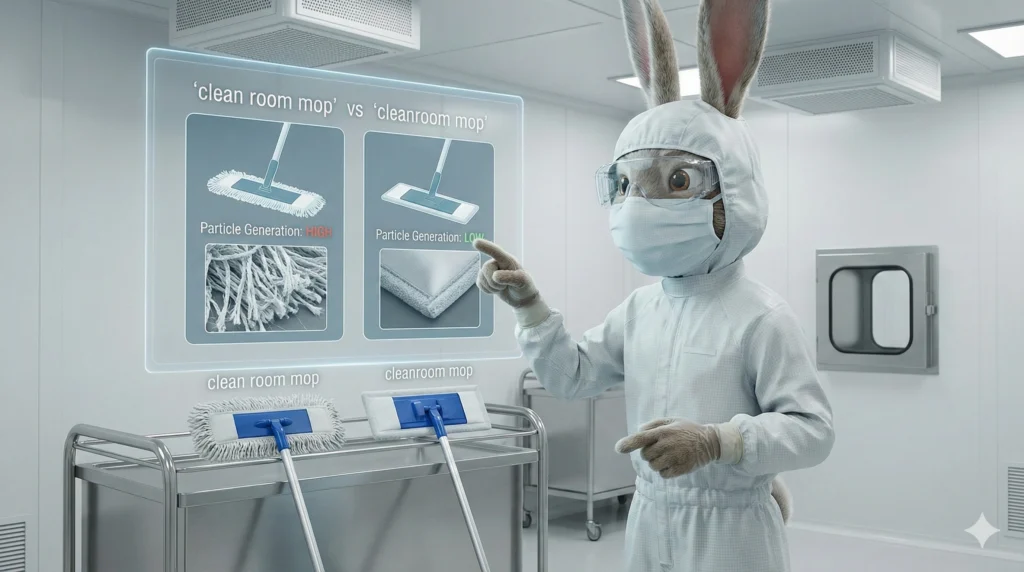
Почему «швабра для чистых помещений» и «швабра для чистых помещений» ищутся по-разному
Как дефис/пробел влияют на поведение поиска
Разделение терминологии не является произвольным — оно отражает то, как разные группы пользователей концептуализируют «чистые» пространства. Пользователи, ищущие «швабру для чистых помещений» (два слова), обычно делятся на три категории: руководители объектов легкой промышленности (склады упаковки, сборка электроники), обычные закупщики средств для уборки, которым нужны «более чистые, чем обычно» полы, и сотрудники, впервые работающие в сфере фармацевтических закупок, которые еще не изучили регламентированную терминологию. В ходе таких поисков часто обнаруживаются потребительские швабры из микрофибры, коммерческие товары для уборки и универсальное чистящее оборудование — продукты, предназначенные для визуальной чистоты, но не прошедшие проверку на контроль частиц или совместимость с дезинфицирующими средствами.
Пользователи, использующие слово «швабра для чистых помещений» (одно слово), сигнализируют о знакомстве с регулируемой средой. Этот термин тесно связан с запросами классификации ISO («Швабра для чистых помещений ISO 5», «Швабра класса А»), поиском соответствия GMP и сайтами фармацевтических поставщиков. Закрытое комплексное «чистое помещение» действует как технический фильтр: пользователи, использующие это написание, с большей вероятностью поймут пределы концентрации частиц, требования экологического мониторинга и необходимость конструкции с герметичными краями. Сайты поставщиков, обслуживающие фармацевтических производителей, в подавляющем большинстве принимают «чистые помещения» в качестве таксономии категории, усиливая связь этого термина с продукцией, соответствующей требованиям.
Географические различия (США и Европа)
Европейский нормативный язык стандартизирует «чистое помещение» как одно слово. В Приложении 1 ЕС GMP — обязательном регламенте производства стерильных лекарственных препаратов на территории Европейского Союза — во всем тексте используется термин «чистое помещение», а в протоколах классификации и квалификации содержится явная ссылка на ISO 14644. Такое соответствие нормативным требованиям означает, что европейские команды по закупкам фармацевтической продукции, специалисты по обеспечению качества и инженеры предприятий по умолчанию используют «чистое помещение» как правильный профессиональный термин. Предприятия Великобритании после Брексита продолжают следовать этому соглашению, поскольку рекомендации GMP Великобритании отражают формулировки Приложения 1.
Использование в США показывает больше различий. Хотя ISO 14644 (под названием «Чистые помещения и связанные с ними контролируемые среды») является техническим стандартом во всем мире, в американских словарях общего английского языка, таких как Merriam-Webster, в качестве главного слова используется слово «чистое помещение». Это создает лингвистические разногласия: руководящие документы FDA и правила CGMP прямо не требуют одного написания, что приводит к неоднозначному использованию на фармацевтических сайтах США. Однако американские поставщики, обслуживающие регулируемые отрасли (фармацевтика, производство медицинского оборудования, аэрокосмическая промышленность), следуют терминологии ISO и продают продукцию как «швабры для чистых помещений», чтобы соответствовать международным стандартам. Практический вывод: при написании спецификаций для объектов, проверяемых FDA, используйте «чистое помещение» (одно слово), чтобы оно соответствовало ISO 14644, и убедитесь, что результаты поиска поставщиков возвращают продукцию, соответствующую требованиям, а не средства для уборки.
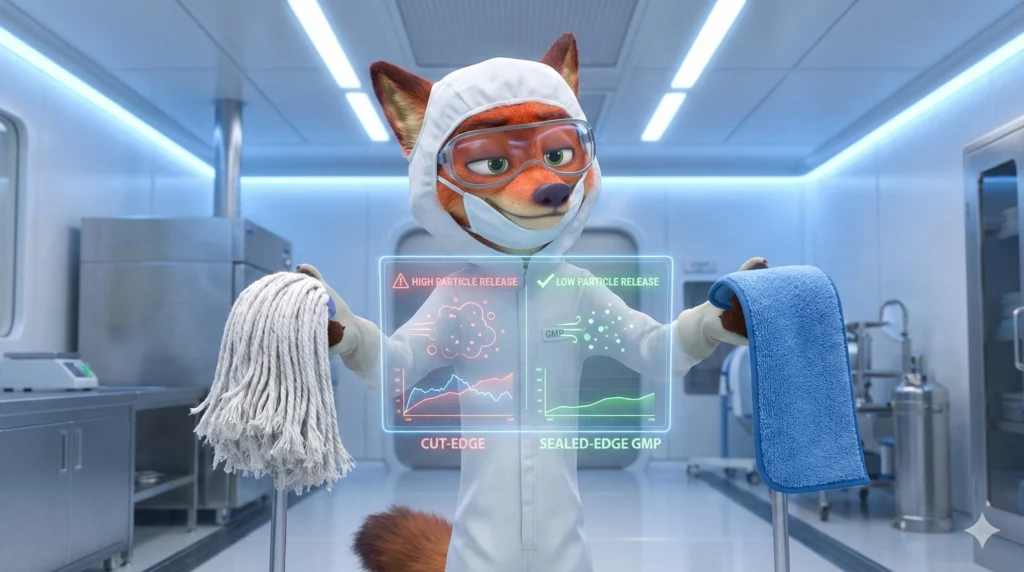
Различия в отраслевом жаргоне (генеральная уборка и чистые помещения высокого класса)
В нерегулируемых отраслях — общественном питании, гостиничном бизнесе, образовании, лёгкой промышленности — «чистое помещение» обозначается двумя словами при описании помещений, в которых поддерживаются более высокие, чем обычно, стандарты гигиены, но без требований по количеству частиц. Больничный коридор можно назвать «чистым помещением» в СОП по ведению домашнего хозяйства, в отличие от палат пациентов или хирургических кабинетов, но такое использование не подразумевает классификацию ISO или соответствие GMP. Поставщики товаров для уборки, обслуживающие эти рынки, используют «швабру для чистых помещений», чтобы указать на продукты, подходящие для гигиенических условий, не позиционируя их как фармацевтические.
Специалисты в области фармацевтики и биотехнологий используют «чистое помещение» как художественный термин, имеющий конкретное нормативное значение. Когда специалист по контролю загрязнения говорит «чистое помещение», он имеет в виду помещение, соответствующее стандарту ISO 14644, с определенными пределами концентрации частиц, проверенными системами отопления, вентиляции и кондиционирования и документированным мониторингом окружающей среды. «Швабра для чистых помещений» в этом контексте означает инструмент, разработанный для этой нормативной базы: конструкция с герметичными краями для предотвращения выпадения волокон, материалы, совместимые с фармацевтическими дезинфицирующими средствами (70% IPA, перекись водорода, соединения четвертичного аммония), а также часто гамма-облучение или стерилизация в автоклаве для использования в зонах класса A/B. Эта терминология служит профессиональным сокращением: спецификации закупок, в которых указано «швабра для чистых помещений», немедленно исключают потребительские товары и фокусируют внимание поставщиков на инструментах, соответствующих требованиям.
Что обычно означает «швабра для чистых помещений»
Для обычных чистых сред (зоны, не соответствующие требованиям ISO)
«Швабра для чистых помещений» (два слова) обычно означает швабры из микрофибры или хлопка, продаваемые через каналы поставок для помещений, где чистота имеет значение, а количество частиц — нет. Эти швабры вы найдете в больничных коридорах, школьных столовых, упаковочных цехах легкой промышленности и офисах. Обозначение «чистая комната» в этих контекстах означает «чище, чем стандартное помещение» — лучшая гигиена, более частая мытье полов, возможно, использование дезинфицирующих средств — но без строгости квалификации ISO 14644 или проверки GMP.
Эти швабры часто имеют стандартную конструкцию с острыми краями: полоски ткани или петли из микрофибры, прикрепленные к основе с открытыми необработанными краями. Несмотря на то, что они эффективны для удаления грязи и нанесения дезинфицирующего средства на поверхность пола, с обрезанных кромок во время использования сбрасываются ворсы и волокна, что не является проблемой для офисных полов, но является источником загрязнения в средах с контролем частиц. В материалах приоритет отдается стоимости и долговечности, а не характеристикам с низким содержанием твердых частиц. Вы увидите смеси полиэстера и хлопка, стандартную микрофибру коммерческого качества (не трикотажную для чистых помещений) и обычные строчки, которые создают ловушки для частиц.
Микрофибра/инструменты для бытовой чистки
Швабры из микрофибры, продаваемые как инструменты для «чистых помещений» (два слова), занимают золотую середину: они лучше, чем традиционные швабры, но не фармацевтического класса. В них используются скрученные петли из микрофибры или плоские подушечки из микрофибры для увеличения контакта с поверхностью и улучшения сбора грязи по сравнению с хлопком. Сам материал из микроволокна образует меньше частиц, чем хлопок, и обеспечивает лучшее удержание дезинфицирующих средств, что делает эти швабры подходящими для помещений, где гигиена важна, но не требуется классификация ISO.
Однако детали конструкции показывают их ограничения для регулируемого использования. В большинстве потребительских швабр из микрофибры используются:
- Обрезать или склеить края а не запечатанные края, что позволяет концам волокна со временем изнашиваться и отслаиваться.
- Стандартные полиэфирные смеси (80/20 полиэстер-полиамид), оптимизированный по цене, а не с низким содержанием ворса.
- Липучки или карманные крепления с застежками-липучками, которые улавливают частицы и не выдерживают многократных циклов автоклавирования
- Никаких испытаний на образование частиц— поставщики не предоставляют данных о скорости выпадения ворса или частиц.
- Совместимость с основными дезинфицирующими средствами— материалы устойчивы к отбеливателям и соединениям четвертичного аммония, но не одобрены для ротации дезинфицирующих средств фармацевтического класса (спирты, пероксиды, спорицидные средства). Эти швабры превосходны в своем прямом применении: коммерческие полы с интенсивным движением транспорта, где механическая очистка и визуальные результаты имеют большее значение, чем контроль загрязнения. Они идеально подходят для упаковочных зон за пределами секретных помещений, прихожих или вспомогательных коридоров фармацевтических предприятий, но не для самих чистых помещений.
Подходит для лабораторий, школ, офисов, упаковочных цехов.
Двухсловная «швабра для чистых помещений» находит свою нишу в средах, где требуется гигиена, превосходящая стандартные, без надзора со стороны регулирующих органов. Университетские исследовательские лаборатории, готовящие биологические образцы (но не производящие фармацевтические препараты в соответствии с GMP), предприятия по упаковке пищевых продуктов, поддерживающие санитарные условия (но не стерильную обработку), а также участки сборки электроники, защищающие от статического и грубого загрязнения (но не соответствующие ограничениям класса ISO), — все они получают выгоду от модернизированных санитарных инструментов без требований фармацевтических спецификаций.
В этих условиях стоимость стимулирует внедрение. Высококачественная швабра из микрофибры стоит 15–30 долларов за насадку по сравнению с 50–150 долларами за фармацевтические швабры для чистых помещений с герметичными краями. Для упаковочного цеха площадью 10 000 кв. футов, ежедневно проводящего уборку полов, экономия существенна — и оправдана, поскольку количество частиц не контролируется, а помещение не классифицируется по ISO. Ключевым моментом является понимание того, когда эта спецификация достаточна, а не когда она создает риск несоответствия.
Не предназначен для сред, чувствительных к частицам
Фундаментальное несоответствие конструкции: «швабры для чистых помещений» (два слова) оптимизируют эффективность механической уборки и визуальные результаты, а «швабры для чистых помещений» (одно слово) оптимизируют контроль загрязнения и соблюдение нормативных требований. Ультрасовременная конструкция, идеально подходящая для удаления грунта из больничного коридора, становится источником образования частиц при ламинарном потоке воздуха. Смеси микрофибры, которые превосходно улавливают грязь, терпят неудачу, когда это требуется для чистых помещений. <На квадратный метр мытья полов выделяется 100 частиц.
Три технических пробела лишают обычных «швабр для чистых помещений» права на использование в фармацевтических целях:
- Неконтролируемое образование частиц: эти швабры не имеют запечатанных краев и маловорсовых материалов, поэтому они выделяют волокна, которые накапливаются в однонаправленном потоке воздуха, оседают на поверхностях, контактирующих с продуктом, и вызывают сбои в мониторинге окружающей среды.
- Непроверенная совместимость с дезинфицирующими средствами: В фармацевтических чистых помещениях чередуются дезинфицирующие средства (спирты понедельник/среда, перекись вторник/четверг, отбеливатель пятница, спорицидные средства еженедельно) для предотвращения устойчивости микроорганизмов. При таком режиме обычные швабры могут разлагаться, выделяя частицы или накапливая бионагрузку в поврежденных волокнах.
- Нет пути стерилизации: В фармацевтических зонах класса A/B требуются стерильные чистящие инструменты. Обычные швабры из микрофибры не выдерживают гамма-облучения (вызывают разрушение материала) или повторяющихся циклов автоклавирования (липучки, карманные швы и материалы основы выходят из строя после 5–10 циклов).
Если ваш мониторинг окружающей среды показывает увеличение количества частиц, коррелирующее с графиком мытья полов, или если пробы микробов с поверхности выявляют загрязнение после уборки, вероятной причиной является неправильная спецификация швабры, которая часто связана с покупкой продуктов для «чистых помещений», когда требовались инструменты для «чистых помещений».
Что означает «швабра для чистых помещений» в контексте GMP/ISO
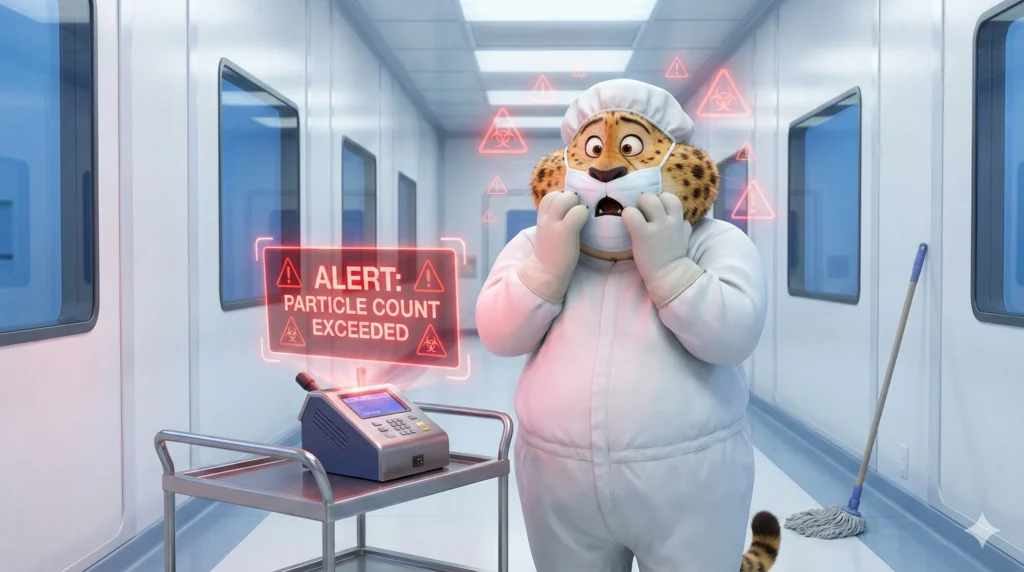
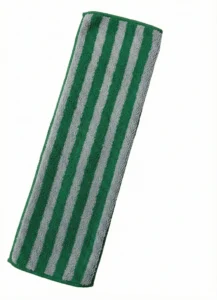
Рисунок 1: Сравнение материалов и конструкции, иллюстрирующее фундаментальную разницу между «шваброй для чистых помещений» и «шваброй для чистых помещений». Слева: швабра из микрофибры потребительского класса с обрезанными краями, на которых видны открытые концы волокон, с которых во время использования сбрасываются частицы. Подходит для общего применения в уборке, но не подходит для чистых фармацевтических помещений. Справа: швабра для чистых помещений фармацевтического класса с полиэфирной конструкцией с герметичными краями и термосваркой по периметру, герметизирующей все концы волокон для предотвращения образования частиц, сертифицирована для производственных сред класса ISO 5–8 GMP.
Определено ISO 14644. & Использование Приложения 1 GMP
ISO 14644-1 определяет чистые помещения как контролируемую среду, «в которой контролируется концентрация частиц в воздухе и которая построена и используется таким образом, чтобы свести к минимуму попадание, образование и удержание частиц внутри помещения». Этот мандат, состоящий из трех частей – контроль частиц в воздухе, предотвращение их проникновения, минимизация их образования – распространяется на все виды деятельности внутри чистого помещения, включая уборку. «Швабра для чистых помещений» (одно слово) существует специально для того, чтобы соответствовать этому стандарту: она не должна генерировать частицы во время использования, не должна вносить загрязнения извне и должна поддерживать проверенные протоколы, которые удаляют частицы, а не перераспределяют их.
Приложение 1 к GMP ЕС применяет эти принципы для фармацевтического производства. Постановление требует, чтобы «чистящие материалы, используемые в зонах классов A/B, были стерильными» и чтобы «дезинфицирующие и моющие средства подвергались контролю на предмет микробного загрязнения». Поэтому швабры для чистых помещений для асептического производства должны поддерживать предварительную стерилизацию (гамма-облучение, окись этилена или автоклав), противостоять разложению от многократного воздействия дезинфицирующих средств и обеспечивать валидированные рабочие процессы очистки, обеспечивающие соблюдение требований экологического мониторинга. В нормативном тексте постоянно используется одно слово «чистое помещение», что усиливает техническую специфику этого термина.
Маловорсовая конструкция с герметичными краями
Конструкция с герметичными краями является определяющей физической характеристикой швабр для чистых помещений фармацевтического класса. Вместо того, чтобы разрезать ткань и обнажать концы волокон, при производстве запечатанных кромок используется термосварка, ультразвуковое соединение или вязание непрерывных кромок для герметизации всех кромок ткани. Это предотвращает истирание концов волокон, их зацепление за шероховатую поверхность пола или попадание частиц в поток воздуха. Разница видна сразу: швабры с обрезанными краями имеют свободные нити и нечеткие края, а швабры с заклеенными краями имеют гладкие, непрерывные периметры без обнаженных концов волокон.
Трикотажная конструкция имеет такое же значение, как и обработка кромок. В фармацевтических швабрах для чистых помещений используются ткани из полиэстера или смеси полиэстера с замкнутым контуром, где в процессе вязания создаются непрерывные петли без разрезания. Ткань вяжется в виде трубочек или листов, а затем превращается в насадки для швабры с запечатанными краями. Эта конструкция обеспечивает уровень образования частиц ниже 100 частиц размером ≥0,5 мкм на квадратный метр мытья полов, что подтверждено стандартом IEST-RP-CC003 или эквивалентным испытанием. Сравните это с новейшими швабрами из микрофибры, генерирующими 1 000–10 000 частиц на квадратный метр, и разница в контроле загрязнения станет измеримой.
Системы крепления насадок швабры также проходят обработку с герметичными краями. В фармацевтических швабрах используются каркасы карманного типа, в которых головка швабры вставляется в сплошной тканевый карман, или системы застегивания и отстегивания с герметичными крепежными полосами. Никаких открытых застежек-липучек, никаких застежек-липучек, которые улавливают частицы, никаких резьбовых соединений, которые ослабляются при повторяющихся циклах автоклавирования.
Не осыпающиеся материалы, используемые в фармацевтической сфере
В производстве швабр для чистых помещений в фармацевтической промышленности преобладает полиэстер — обычно это 100% полиэфирный трикотаж или смеси полиэстера и целлюлозы (для особых требований к впитываемости). Полиэстер предлагает лучшее сочетание характеристик с низким содержанием ворса, химической стойкости, долговечности в автоклаве и механической прочности. Полимерная структура препятствует разрыву волокон при отжиме и контакте с полом, предотвращая осыпание частиц, которое происходит с натуральными волокнами (хлопком) или синтетикой более низкого качества.
Для критически важных применений класса A/B некоторые производители используют полиэстер с непрерывными нитями: сверхдлинные волокна, вплетенные в ткань без разрезания или сращивания. Это полностью исключает короткие концы волокон, сводя образование частиц к абсолютному минимуму. Стоимость материала выше (80–150 долларов за насадку для швабры по сравнению с 40–70 долларами за стандартный полиэфирный трикотаж), но преимущества в борьбе с загрязнением оправдывают затраты на установки асептического наполнения и изоляционные среды, где движение одной частицы может остановить производство.
Материалы, улучшающие впитывающую способность, также должны соответствовать стандартам с низким содержанием ворса. Некоторые фармацевтические швабры содержат полиэстер микроденье (волокна <1 денье) или контролируемое количество вискозы/целлюлозы для увеличения удержания жидкости при уборке больших площадей. Эти добавки вплетены в базовую полиэфирную структуру с герметичной конструкцией по всему периметру, что гарантирует, что абсорбирующая способность не поставит под угрозу контроль частиц.
Совместимость с дезинфицирующими средствами (IPA, Quat, отбеливатель, H₂O₂)
В чистых фармацевтических помещениях чередуются дезинфицирующие средства, чтобы предотвратить устойчивость микробов, поэтому материалы для швабр должны выдерживать последовательное воздействие:
- 70% изопропиловый спирт (IPA): Ежедневное использование в зонах класса A/B; вызывает набухание и потенциальную деградацию некоторых полимеров
- Четвертичные аммониевые соединения (кваты): Общая дезинфекция; относительно мягкий, но требует промывания, чтобы предотвратить накопление остатков
- Гипохлорит натрия (отбеливатель, 500–5000 частей на миллион): Антимикробное средство широкого спектра действия, но окисляет многие материалы.
- Перекись водорода (3–6%): Спороцидное средство для периодической глубокой очистки; разрушает целлюлозу и некоторые смеси полиэфиров
Для этой ротации одобрены полиэфирные швабры, предназначенные для чистых помещений. Производители проводят испытания на совместимость: погружают насадки швабр в каждое дезинфицирующее средство в проверенных концентрациях в течение 2-кратного типичного времени контакта, проводят тестирование образования частиц после воздействия, измеряют сохранение механической прочности и проверяют отсутствие разрыва волокон или деградации материала. В спецификациях документируется соответствие/несоответствие каждого класса дезинфицирующих средств, что позволяет группам по закупкам сопоставлять выбор швабр с протоколом ротации дезинфицирующих средств на своем предприятии.
Совместимость материалов простирается не только на химическую стойкость, но и на функциональные характеристики. Некоторые дезинфицирующие средства (отбеливатели высокой концентрации, сильные перекиси) вызывают временное затвердевание или изменение текстуры полиэстера. Если эти изменения ухудшают способность швабры поддерживать контакт с полом или высвобождать застрявшие частицы во время отжима, материал непригоден, несмотря на прохождение основных испытаний на химическую стойкость. Поставщики фармацевтических швабр предоставляют инструкции по применению с указанием максимальных концентраций дезинфицирующего средства, необходимых протоколов ополаскивания и рекомендуемой частоты замены для поддержания проверенных характеристик.
Совместимость с автоклавируемыми ведёрками & Ручки
Швабры для чистых помещений функционируют как часть комплексных проверенных систем: насадки + ручки + ведра + тележки, все вместе сертифицированные. Для использования класса A/B каждый компонент должен выдерживать автоклавирование паром при температуре 121°C в течение 30 минут без разрушения. Насадки швабр из полиэстера выдерживают 50–100 циклов автоклавирования, прежде чем охрупчивание материала потребует замены — значительно лучше, чем швабры из микрофибры (5–10 циклов), но все же ограничены. Срок службы автоклавов производители указывают в своих аттестационных протоколах.
Совместимость ручек определяет, можно ли стерилизовать всю систему швабры как единое целое. В ручках фармацевтических швабр используется нержавеющая сталь (SS304 или SS316) или полипропилен, пригодный для автоклавной обработки, с герметичной конструкцией, которая предотвращает проникновение воды во время паровых циклов. Резьбовые соединения, если они используются, герметизируются автоклавируемыми прокладками; В большинстве высококачественных ручек полностью отсутствует резьба за счет использования конструкции с непрерывным сварным швом или фрикционного замка. Механизм крепления насадки швабры — обычно это рама, которая зажимается или скользит по ручке — должен сохранять надежное соединение в течение более 50 циклов автоклавирования, не ослабляя и не подвергаясь коррозии.
Для основополагающих принципов контроля загрязнения и комплексного выбора инструментов для очистки., see the complete cleanroom mop guide covering materials, validation, and GMP workflows.
Technical Differences That Matter
Material selection determines particle generation, disinfectant compatibility, and service life—the three factors that drive total cost and compliance risk.
Material: Polyester vs Microfiber vs Foam
Полиэстер (100% or polyester-dominant blends): The pharmaceutical industry standard. Continuous-filament or knit polyester with sealed edges generates <100 частиц размером ≥0,5 мкм на м² мытья полов при правильном изготовлении. Полиэстер устойчив к спиртам, четвертичным веществам и отбеливателям/перекиси средней концентрации, выдерживает 50–100 циклов автоклавирования и сохраняет механическую целостность в течение 200–300 использований при правильной стирке. Стоимость: 40–150 долларов за насадку для швабры в зависимости от качества конструкции (стандартная вязка или непрерывная нить). Лучше всего подходит для: фармацевтического производства классов ISO 5–8, чистых помещений для медицинского оборудования, биотехнологических асептических зон.
Микрофибра (смесь полиэстера и полиамида, обычно 80/20): обеспечивает превосходную впитывающую способность и сбор загрязнений по сравнению со стандартным полиэстером, но имеет некоторые недостатки. Качество варьируется в широких пределах: в микроволокне фармацевтического класса используются конструкции с запечатанными краями и маловорсовое плетение, в то время как в коммерческом микроволокне (тип, который продается как «чистая комната» с двумя словами) используются обрезанные края и сбрасываются частицы. Даже микроволокно с заклеенными краями генерирует 100–500 частиц на м², что приемлемо для классов ISO 7–8, но незначительно для классов 5–6. Микрофибра быстрее разлагается под действием отбеливателя и перекиси (30–50 циклов автоклавирования против 50–100 для полиэстера) и требует более частой замены. Стоимость: 25–80 долларов за насадку для швабры. Лучше всего подходит для: общих производственных помещений класса ISO 7–8, гардеробных, вспомогательных помещений класса C/D.
Мыло (полиуретан или поливиниловый спирт): Специальное использование в электронике высокой чистоты (на заводах по производству полупроводников) и в особых фармацевтических применениях, требующих сверхгладкого поверхностного контакта. Пенные швабры генерируют минимальное количество частиц (<50 на м²), поскольку в нем нет волокон, которые можно было бы потерять, но впитывающая способность ниже, чем у полиэстера/микроволокна, а совместимость с дезинфицирующими средствами более ограничена. Пена ПВА растворяется в горячей воде, что позволяет использовать одноразовые рабочие процессы; пенополиуретан можно автоклавировать, но он разлагается под воздействием отбеливателя. Стоимость: 15–40 долларов за насадку для швабры (одноразовый ПВА) или 60–120 долларов (многоразовый полиуретан). Лучше всего подходит для: чистых помещений для полупроводников класса 4–5 по ISO, обслуживания изоляторов, специальных фармацевтических применений, где низкое образование частиц оправдывает компромисс между стоимостью и ограничениями.
Производство: Sealed Edge против Cut-Edge
Обработка кромок — это бинарная разделительная линия между чистящими средствами фармацевтического класса и чистящими средствами общего назначения. Производственный процесс определяет, будет ли швабра удалять частицы или сохранять свои характеристики с низким содержанием ворса при сотнях использований.
Производство с герметичной кромкой: Края ткани свариваются термосваркой (плавление термопласта), ультразвуковой сваркой (высокочастотная вибрационная сварка) или сшивкой (непрерывная петлевая конструкция без обрезанных концов). Процесс запечатывания герметизирует концы волокон, предотвращая истирание и высвобождение частиц. Запечатанные края выдерживают механические нагрузки при скручивании, истирании пола и многократной стирке, не открываясь и не разрушаясь. Визуальный осмотр показывает ровные, сплошные границы; Тактильное исследование не выявило ниток и концов волокон. Суммарная стоимость: 10–30 долларов за насадку для швабры по сравнению с современным эквивалентом. Повышение производительности: снижение образования частиц в 10–100 раз. В фармацевтических чистых помещениях повсеместно требуется конструкция с герметичными краями, соответствующая классу 5–8 ISO.
Передовое производство: ткань разрезается по форме ножницами, вращающимися лезвиями или высечкой, оставляя концы волокон открытыми. Края можно прошить оверлоком (оверлочным), чтобы замедлить изнашивание, но волокна все равно будут торчать и опадать. Это стандартный метод производства потребительских и коммерческих швабр для уборки, поскольку он быстрый, недорогой и подходит для сред, где не контролируются частицы. Швабры с ультрасовременными краями удаляют 1 000–10 000 частиц на м², что на два-три порядка хуже, чем их эквиваленты с заклеенными краями. Эти швабры не допускаются к использованию в фармацевтических целях только из-за их профиля образования частиц, независимо от совместимости материала или дезинфицирующих средств.
Разница в стоимости (10–30 долларов за насадку швабры) незначительна по сравнению с эксплуатационными расходами, связанными с сбоями в мониторинге окружающей среды, циклами исследований и потенциальными остановками производства, вызванными выбросами частиц. Тем не менее, ошибки в закупках продолжаются — обычно когда покупатели ищут «швабра для чистых помещений» (два слова) и получают передовые продукты, которые продавцы позиционируют как «подходящие для чистых помещений» без указания ограничений класса ISO.
Классификация чистых помещений: ISO 3–9.
ISO 14644-1 классифицирует чистые помещения по предельным значениям концентрации частиц в воздухе. Классификация, на которую вы ориентируетесь, определяет, какая спецификация швабры вам нужна:
| Класс ISO | Частицы ≥0,5 мкм/м³ (в состоянии покоя) | Фармацевтический класс GMP | Требуется спецификация швабры |
| ИСО 3 | ≤35,2 | (специальные приложения) | Пенопласт или полиэстер с непрерывными нитями; <подтверждено 50 частиц/м²; гамма-стерилизованный |
| ИСО 4 | ≤352 | (специальные приложения) | Полиэстер с непрерывным волокном; <подтверждено 50 частиц/м²; гамма-стерилизация или автоклавная стерилизация |
| ИСО 5 | ≤3520 | Оценка отлично | Полиэстер с заклеенными краями; <Подтверждено 100 частиц/м²; стерильно (гамма или автоклав) |
| ИСО 6 | ≤35 200 | Оценка Б | Полиэстер с заклеенными краями; <Подтверждено 100 частиц/м²; стерильно (гамма или автоклав) |
| ИСО 7 | ≤352 000 | Оценка С | Полиэстер с заклеенными краями или высококачественная микрофибра; <200 частиц/м² подтверждено |
| ИСО 8 | ≤3 520 000 | Оценка Д | Полиэстер с заклеенными краями или высококачественная микрофибра; <500 частиц/м² подтверждено |
| ИСО 9 | ≤35 200 000 | (несекретная поддержка) | Высококачественная микрофибра; общая конструкция с низким ворсом приемлема |
Чем жестче предел частиц, тем более важными становятся конструкция герметичной кромки и выбор материала. В зонах асептической обработки ISO класса 5 (класс A) совершенно недопустимы чистящие инструменты, генерирующие частицы: одна швабра, выделяющая 1000 частиц за проход, приведет к немедленным сбоям в мониторинге окружающей среды и циклам исследований. Области ISO класса 7–8 (класс C/D) имеют больший запас, но завышенные спецификации приводят к потере бюджета, а недостаточные спецификации создают риск несоответствия.
Данные испытаний на высвобождение частиц (включая данные MIDPOSI, если таковые имеются)
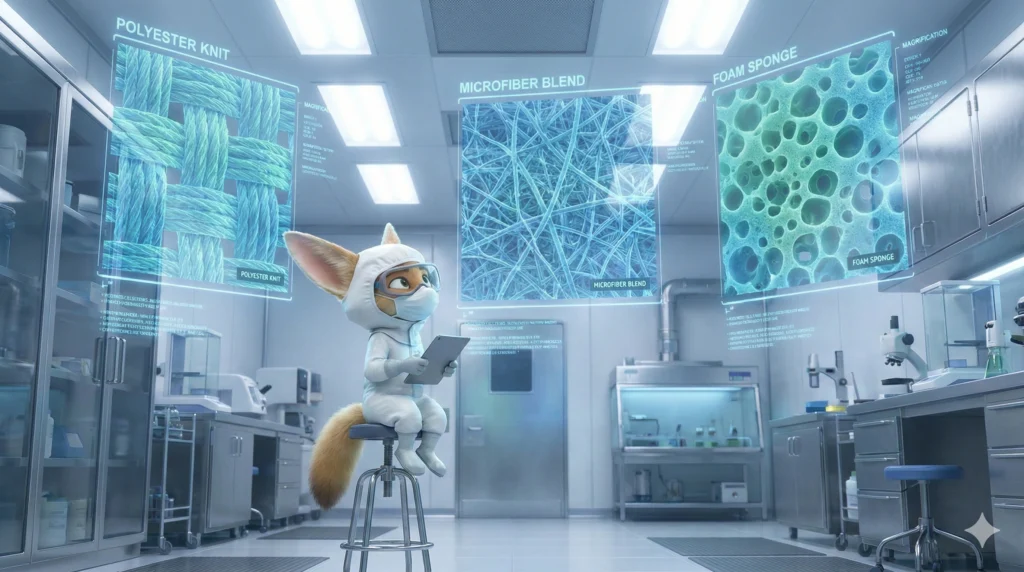
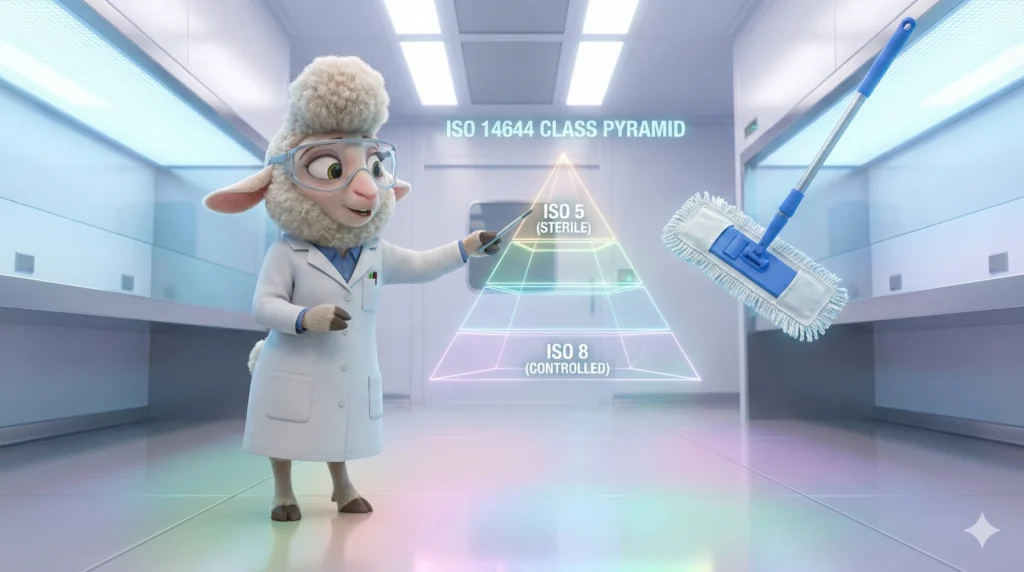
Рисунок 2: Пирамида классификации чистых помещений по стандарту ISO 14644, показывающая требования к концентрации частиц от класса 3 ISO (самый строгий, ≤35,2 частиц ≥0,5 мкм/м³) до класса ISO 9 (наименее строгий, ≤35 200 000 частиц/м³), с соответствующими фармацевтическими классами GMP (A/B/C/D) и необходимыми характеристиками швабры. Более жесткие ограничения по содержанию частиц требуют более строгой конструкции швабры: ISO 5 (класс A) требует производства полиэстера с запечатанными краями. <100 частиц/м² при гамма-стерилизации или стерилизации в автоклаве, а ISO 8 (класс D) допускает использование полиэстера с заклеенными краями или высококачественной микрофибры с <Проверка 500 частиц/м².
Авторитетные фармацевтические поставщики швабр предоставляют данные испытаний на образование частиц, проведенных в соответствии с IEST-RP-CC003.4 («Аспекты системы одежды для чистых помещений и других контролируемых сред») или эквивалентными протоколами. Методика тестирования: пропитать насадку швабры деионизированной водой или репрезентативным дезинфицирующим средством, протереть контролируемую площадь поверхности (обычно 1 м²), используя стандартизированную схему ударов и давление, измерить концентрацию частиц в воздухе с помощью оптического счетчика частиц, расположенного после операции мытья полов, рассчитать количество частиц, высвободившихся на квадратный метр мытья полов.
Типичные результаты для швабр фармацевтического класса:
- Трикотаж из полиэстера с заклеенными краями: 60–120 частиц ≥0,5 мкм на м²
- Полиэстер с непрерывным волокном и запечатанными краями: 30–80 частиц ≥0,5 мкм на м²
- Трикотаж из полиэстера с заклеенными краями: 60–120 частиц ≥0,5 мкм на м²
- Микрофибра с герметичными краями (фармацевтического класса): 100–300 частиц ≥0,5 мкм на м²
- Ультрасовременная микрофибра (коммерческая): 1 000–10 000 частиц ≥0,5 мкм на м²
В системах для мытья чистых помещений MIDPOSI используется трикотажная полиэфирная конструкция с герметичными краями, проверенная для создания <100 частиц размером ≥0,5 мкм на м² мытья полов, что соответствует требованиям класса ISO 5–8. Насадки швабр проходят испытания на высвобождение частиц в сторонних лабораториях по сертификации чистых помещений, результаты которых документируются в протоколах квалификации продукции. Производственный процесс с герметичными краями и выбор полиэфирного материала обеспечивают стабильное отсутствие ворса при более чем 200 использованиях, когда швабры стираются в соответствии со спецификациями (нейтральное моющее средство, без кондиционера для белья, проверенные циклы полоскания) и подвергаются автоклавированию в пределах срока службы (50–100 циклов в зависимости от частоты автоклавирования и воздействия дезинфицирующего средства).
Совместимость методов стерилизации (гамма, ЭО, автоклав)
В фармацевтических помещениях класса A/B требуются стерильные чистящие инструменты. Указанный вами метод стерилизации определяет, какие материалы и типы конструкции швабр совместимы:
Гамма-облучение: Подвергает швабры ионизирующему излучению мощностью 25–50 кГр, достигая SAL 10⁻⁶ без воздействия тепла или химических остатков. Полиэстер хорошо переносит гамма; микрофибра демонстрирует некоторую потерю прочности при >40 кГр; пена значительно деградирует. Преимущество: поставщик может поставлять предварительно стерилизованные швабры в запечатанной упаковке, что исключает необходимость стерилизации на предприятии. Недостаток: рабочий процесс одноразового использования (повторная стерилизация требует возврата швабр продавцу) и более высокая стоимость (8–15 долларов США за насадку швабры за услугу гамма-стерилизации). Лучше всего подходит для: помещений без автоклавов, протоколов одноразовой швабры или когда риск загрязнения оправдывает одноразовые рабочие процессы.
Оксид этилена (ЭО): Газовая стерилизация при 50–60°C, совместима с большинством полимеров, но требует времени аэрации (12–24 часа) для удаления токсичных остатков. Редко используется для швабр (чаще для медицинских устройств и термочувствительного оборудования), поскольку автоклав работает быстрее и не оставляет химических остатков, требующих проверки. Полиэстер и микрофибра устойчивы к воздействию ЭО; Совместимость пены зависит от состава.
Автоклав (стерилизация паром): 121°C в течение 30 минут (гравитационный цикл) или 15 минут (цикл предварительного вакуумирования), наиболее распространенный метод стерилизации в чистых фармацевтических помещениях. Полиэстер выдерживает 50–100 циклов; микрофибра портится быстрее (30–50 циклов); Пена ПВА растворяется (предназначена для одноразовых протоколов); пенополиуретан выдерживает 20–30 циклов. Преимущество: быстрый ремонт (швабры стерилизованы и готовы к следующей смене), отсутствие зависимости от поставщика, самая низкая стоимость за цикл (0,50–1,00 доллара США за энергию/затраты на рабочую силу). Недостаток: требуется проверенный автоклав, квалифицированные циклы, мониторинг биологических индикаторов и документированные записи циклов в соответствии с 21 CFR 211.182. Лучше всего подходит для: предприятий с существующей инфраструктурой автоклавов, протоколами многоразового использования швабр и достаточным инвентарем швабр для поддержки ротации стирки/стерилизации.
Подробные характеристики материалов насадки швабры и конструкции кромки.см. руководство по типам насадок для швабр, в котором приведены данные о характеристиках полиэстера и микрофибры, производственные процессы с герметичными краями и критерии выбора по классам ISO.
Стандартные требования для чистых помещений, которым должны соответствовать швабры
Стандарты контроля загрязнения ISO 5–8
ISO 14644-1 устанавливает пределы концентрации частиц, которые не должны нарушаться швабрами для чистых помещений. Стандарт определяет «неподвижные» условия (чистое помещение работает, система отопления, вентиляции и кондиционирования работает, но персонал и процессы отсутствуют) и «рабочие» условия (нормальная производственная деятельность). Швабры используются в рабочем состоянии, а это означает, что их частицы добавляются к существующему фону. Для класса 5 по ISO (≤3520 частиц ≥0,5 мкм/м³) швабра, генерирующая 1000 частиц на м² уборки, может привести к тому, что количество локализованных частиц превысит классификационные пределы, особенно в зонах с пониженной скоростью воздушного потока (мертвые зоны на уровне пола, углы, позади оборудования).
Стандарт также касается микробного загрязнения, хотя основным критерием классификации являются пределы содержания частиц. ISO 14698 («Чистые помещения и связанные с ними контролируемые среды. Контроль биозагрязнения») содержит рекомендации по контролю бионагрузки, отмечая, что жизнеспособные частицы (бактерии, грибы) прилипают к нежизнеспособным частицам и поверхностям. Швабра, которая сбрасывает частицы, создает места прикрепления микроорганизмов, увеличивая как количество частиц, так и риск микробного загрязнения. Фармацевтические предприятия обычно устанавливают внутренние ограничения более строгие, чем минимальные стандарты ISO: зона класса А (ISO 5 в состоянии покоя) может потребовать образования частиц для швабры. <50 на м² для поддержания достаточного запаса по контролю загрязнения.
Приложение 1 GMP. Ожидания по экологической чистоте.
Приложение 1 GMP ЕС (вступает в силу с августа 2023 г.) ужесточило требования к чистящим материалам и проверке дезинфекции. Ключевые положения:
- Требование стерильности: "Материалы, используемые для очистки и дезинфекции в зонах класса A/B, должны быть стерильными. Если дезинфекция материалов уместна, метод, концентрация и время контакта должны быть определены и подтверждены".
- Проверка программы очистки: "Очистка и дезинфекция должны проводиться в соответствии с письменно утвержденной программой. Дезинфицирующие и моющие средства следует контролировать на предмет микробного загрязнения; растворы следует хранить в предварительно очищенных контейнерах и хранить только в течение определенных периодов, если они не стерилизуются".
- Ротация дезинфицирующих средств: "Необходимо использовать более одного типа дезинфицирующих средств. Необходимо регулярно проводить мониторинг для выявления развития резистентных штаммов".
- Удаление остатков: "Процедуры очистки должны быть разработаны так, чтобы эффективно удалять остатки, и должны быть проверены. Использование моющих средств или других материалов в процессе очистки требует особой осторожности для предотвращения загрязнения".
Эти требования напрямую влияют на характеристики швабры. «Стерильный» означает гамма-облученный или автоклавированный с документально подтвержденным SAL 10⁻⁶. «Подтвержденный» означает документально подтвержденное тестирование, доказывающее, что система швабра, ведро и дезинфицирующее средство обеспечивает необходимое снижение бионагрузки (обычно >3-log), не образуя частиц и не оставляя остатков. «Вращение» означает, что швабра должна выдерживать воздействие спиртов, гидроксидов, отбеливателей и пероксидов, не разлагаясь. Предприятия должны документировать методы стерилизации швабр, частоту их замены, данные о образовании частиц и совместимость дезинфицирующих средств в своих протоколах проверки очистки.
Почему микрофибра потребительского класса не соответствует требованиям
Потребительские швабры из микрофибры не проходят фармацевтическую квалификацию по нескольким причинам:
- Дисквалификация за генерацию частиц: Передовая конструкция выделяет 1 000–10 000 частиц на м², что превышает допустимые пределы в 10–100 раз для сред классов ISO 5–8.
- Нет пути стерилизации: Застежки-липучки, пенопластовая подложка и волокна из смеси полиамида разрушаются после 5–10 циклов автоклавирования; гамма-облучение вызывает потерю прочности и разрушение материала.
- Непроверенная совместимость с дезинфицирующими средствами: Материалы могут переносить отбеливатель или четвертичные вещества по отдельности, но не соответствуют протоколам фармацевтической ротации (спирт в понедельник, перекись во вторник, отбеливатель в пятницу).
- Нет квалификационной документации: Поставщики потребительских товаров не предоставляют данных испытаний на образование частиц, никаких проверок стерилизации, никаких матриц химической совместимости, в результате чего фармацевтические группы контроля качества не могут выполнить протоколы IQ/OQ/PQ.
- Пробелы в отслеживании материалов: Фармацевтические правила требуют сертификации материалов, отслеживания партий и контроля смены чистящих инструментов. Бытовые швабры лишены этих элементов управления.
Аудиторы отмечают швабры потребительского класса во время проверок предприятий, потому что пробел в спецификациях очевиден: если ваша СОП по уборке ссылается на ISO 14644 и Приложение 1 GMP, но ваш поставщик швабры не может предоставить данные о образовании частиц или подтверждение стерилизации, у вас есть пробел в документации, который не выдержит проверки со стороны регулирующих органов.
Проверка швабры для чистых помещений & Документация
Швабры для фармацевтических чистых помещений требуют трехуровневой квалификации:
IQ (квалификация монтажника): Задокументируйте характеристики швабры (состав материала, конструкция с герметичными краями, размеры), проверьте номера партий и сертификаты соответствия, подтвердите метод стерилизации и документацию SAL, проверьте на наличие физических дефектов (ослабленные нити, поврежденные края, загрязнение).
OQ (Оперативная квалификация): Демонстрация функций швабры, указанных в проверенной системе очистки. Проверьте совместимость дезинфицирующих средств (отсутствие разложения после 10 циклов каждого типа дезинфицирующего средства), проверьте живучесть автоклава (нет потери производительности после 20 циклов, если применимо), измерьте образование частиц в соответствии с IEST-RP-CC003.4 (<100 частиц на м² для использования в соответствии с ISO 5–8), проверьте механическую целостность (отсутствие выпадения волокон при отжимании, контакте с полом).
PQ (Квалификация производительности): Докажите, что полная система швабры (швабра + ведро + дезинфицирующее средство + техника) обеспечивает необходимый контроль загрязнения при фактическом использовании. Провести мониторинг окружающей среды до и после очистки (подсчет частиц, отбор проб с поверхности на микробы), продемонстрировать >Снижение бионагрузки в 3 логарифма, проверка стабильности концентрации дезинфицирующего средства на протяжении всего цикла уборки, подтверждение того, что протирка шваброй не приводит к повышению количества частиц выше пределов класса ISO.
Пакеты документации включают спецификации производителя и данные испытаний, сертификаты анализа и соответствия для каждой партии, сертификаты стерилизации (записи доз гамма-излучения или документацию по циклу автоклава), процедуры контроля изменений (что произойдет, если производитель меняет материалы или процессы) и графики периодической реквалификации (ежегодная проверка образования частиц, ежеквартальные визуальные проверки).
Какой термин следует использовать фармацевтическим компаниям?
Терминология, используемая FDA & ВОЗ
В руководящих документах FDA по асептической обработке («Стерильные лекарственные препараты, производимые путем асептической обработки — CGMP», сентябрь 2004 г.) упоминаются «чистые помещения» без указания написания из одного или двух слов, но при обсуждении условий контроля загрязнения постоянно используется закрытое составное «чистое помещение». В методологии классификации руководство опирается на стандарт ISO 14644, неявно принимая односложную терминологию ISO. В руководствах FDA по инспекциям и предупреждающих письмах слово «чистое помещение» используется при упоминании недостатков, связанных с чистыми помещениями, что соответствует международным нормативным формулировкам.
В Техническом отчете ВОЗ серии 1044, Приложение 2 («Надлежащая практика производства фармацевтической продукции: основные принципы») повсюду используются «чистые помещения», а для классификации явно ссылается на ISO 14644. В документе говорится: "Чистые помещения и устройства для очистки воздуха должны быть аттестованы, а их работа должна регулярно контролироваться. Квалификация и мониторинг должны проводиться в соответствии с принципами, изложенными в ISO 14644". Это подтверждает, что «чистое помещение» является правильным термином в международном фармацевтическом производстве.
Рекомендуемое наименование для закупок
В спецификациях закупок следует использовать слово «швабра для чистых помещений» (одно слово), чтобы:
- Соответствие нормативным формулировкам: Соответствует ISO 14644, Приложению 1 GMP ЕС и терминологии ВОЗ, обеспечивая соответствие ответов поставщиков фармацевтическим стандартам.
- Фильтровать результаты поиска: Продавцы, обслуживающие регулируемые отрасли, индексируют продукцию как «швабры для чистых помещений»; поиск «швабра для чистых помещений» (два слова) возвращает больше результатов по предметам уборки, требующим ручной фильтрации.
- Технические требования к сигналу: «Швабра для чистых помещений» сообщает продавцам, что вам нужна конструкция с герметичными краями, данные о образовании частиц, совместимость с стерилизацией и квалификационная документация, а не просто швабра «чище, чем обычно».
- Поддержка аудита защиты: Когда инспекторы просматривают записи о закупках, спецификации с использованием терминологии, соответствующей нормативным требованиям, демонстрируют техническую компетентность и намерение обеспечить соответствие.
Шаблон языка спецификации:
"Поставщик должен предоставить швабры для чистых помещений (конструкция из полиэстера с герметичными краями), сертифицированные для использования в классе ISO [5/6/7/8]. Требуемая документация: данные испытаний на образование частиц в соответствии с IEST-RP-CC003.4, показывающие <[50/100/200/500] частиц размером ≥0,5 мкм на м² мытья полов; проверка химической совместимости 70% IPA, четвертичных соединений аммония, 3–6% H₂O₂ и 500–5000 ppm гипохлорита натрия; проверка стерилизации (гамма-облучение до SAL 10⁻⁶ или совместимость с автоклавом 121°C/30 мин минимум 50 циклов); сертификаты соответствия материалов и отслеживаемость партий».
Предотвращение покупки несоответствующих материалов
Три средства контроля закупок предотвращают покупку швабр с неправильными характеристиками:
1. Список утвержденных поставщиков (AVL): Квалифицировать поставщиков до выдачи заказов на поставку. Квалификационные критерии: поставщик предоставляет продукцию для чистых помещений фармацевтического класса (не общие материалы для уборки), пакеты документации включают данные о образовании частиц и проверку стерилизации, поставщик имеет системы отслеживания и контроля изменений, и поставщик обслуживает других производителей фармацевтических/медицинских устройств (проверяемые ссылки). Системы закупок должны блокировать заказы на покупку расходных материалов для чистых помещений поставщикам, не принадлежащим компании AVL.
2. Закупки на основе спецификаций: Свяжите заявки на покупку с основными спецификациями. Когда пользователь запрашивает «швабры для чистых помещений класса B», система автоматически заполняет спецификацию (полиэстер с герметичными краями, <100 частиц/м², стерилизованы гамма-излучением, совместимы с ротацией фармацевтических дезинфицирующих средств) и направляются к поставщикам компании AVL, у которых есть предварительно сертифицированные продукты, соответствующие этой спецификации. Это не позволяет пользователям искать общие термины («швабра для чистых помещений») и выбирать продукты, не соответствующие требованиям.
3. Приемная проверка: Убедитесь, что поступающие швабры соответствуют техническим характеристикам, прежде чем отправлять их в эксплуатацию в чистых помещениях. Визуальный осмотр герметичных краев (отсутствие незакрепленных ниток, сплошной периметр), проверка документации (сертификаты анализа, записи о стерилизации, номера партий) и периодическое стороннее тестирование (отправка случайных образцов для независимой проверки образования частиц). Отбраковывайте партии, которые поступают без необходимой документации или имеют дефекты качества.
Общий режим сбоя при закупках: предприятия правильно указывают «швабру для чистых помещений» в основных спецификациях, но затем позволяют отдельным отделам совершать специальные закупки у общих поставщиков (Amazon Business, Grainger, Uline), выполняющих поиск «швабра для чистых помещений». Эти заказы обходят контроль AVL и представляют несоответствующую продукцию, которая выходит из строя во время использования.
Как швабра для чистых помещений MIDPOSI соответствует определению фармацевтического класса
Системы для мытья чистых помещений MIDPOSI разработаны специально для соответствия фармацевтическим стандартам GMP:
- Конструкция из полиэстера с герметичными краями: Трикотажная полиэфирная ткань с термосварными краями, инкапсулирующая все концы волокон, сертифицирована для создания <100 частиц размером ≥0,5 мкм на м² мытья полов (проверено согласно IEST-RP-CC003.4).
- Соответствие классу ISO 5–8: Характеристики образования частиц соответствуют требованиям для фармацевтических областей класса A/B/C/D; данные испытаний доступны в документации по аттестации продукта.
- Совместимость с фармацевтическими дезинфицирующими средствами: Проверено для 70% IPA, четвертичных соединений аммония, 3–6% перекиси водорода и гипохлорита натрия (500–5000 частей на миллион); выдерживает протоколы фармацевтической ротации без деградации.
- Совместимость с автоклавом: Насадки швабр выдерживают 50–100 циклов стерилизации паром при 121°C/30 мин; совместим с ручками/рамками из нержавеющей стали и полипропилена, которые выдерживают эквивалентную эксплуатацию в автоклаве.
- Полная квалификация системы: Швабры интегрируются с проверенными системами ведер (конфигурации с двумя и тремя ведрами), рамами и тележками для обеспечения готовых рабочих процессов уборки согласно GMP.
- Пакеты документации: Каждая партия включает сертификаты анализа, сертификаты материалов, данные о совместимости стерилизации (пределы цикла автоклава), отчеты об испытаниях на образование частиц и записи отслеживания, поддерживающие протоколы IQ/OQ/PQ.
Для комплексных систем мытья полов в чистых помещениях, включая ведра, рамы и проверенные рабочие процессы., см. руководство по интегрированной системе.
Сводная таблица — швабра для чистых помещений и швабра для чистых помещений
| Критерий | Швабра для чистых помещений (Два слова) | Швабра для чистых помещений (Одно слово) |
| Терминология Происхождение | Общий английский (стандарт словаря) | Технический термин ISO 14644 / GMP Приложение 1 |
| Целевая среда | Области, не соответствующие ISO: офисы, школы, упаковка, легкое производство. | Фармацевтические чистые помещения ISO 5–8 (класс A/B/C/D) |
| Строительство | Ткань с обрезанными краями, открытые концы волокон. | Полиэстер с герметичными краями, инкапсулированные концы волокон |
| Материал | Хлопок, стандартная микрофибра, смеси полиэстера | Трикотажный полиэстер (100% или преобладающая смесь), варианты с непрерывным волокном. |
| Генерация частиц | 1 000–10 000 частиц ≥0,5 мкм/м² | <100 частиц ≥0,5 мкм/м² (подтверждено ISO 5–8) |
| Совместимость с дезинфицирующими средствами | Базовый (отбеливатель, квасы); нет проверки ротации | Утверждено для фармацевтической ротации (IPA, кваты, отбеливатель, H₂O₂) |
| Стерилизация | Не автоклавируется (максимум 5–10 циклов); нет опции гаммы | 50–100 циклов автоклавирования; доступны варианты с гамма-стерилизацией |
| Нормативная документация | Нет (потребительский продукт) | Данные о частицах, химическая совместимость, проверка стерилизации, отслеживание партий |
| Стоимость за насадку швабры | 15–30 долларов США | 40–150 долларов США |
| Срок службы | 50–100 использований до видимой деградации | 200–300 использований (при правильной стирке/стерилизации) |
| Подходящие классы ISO | ISO 9 / только неклассифицированные вспомогательные области | ISO 5–8 (фармацевтическое производство, медицинское оборудование, биотехнологии) |
| Соответствие GMP | ❌ Не соответствует требованиям Приложения 1. | ✅ Соответствует требованиям Приложения 1 к стерильным чистящим средствам. |
| Каналы покупки | Товары для уборки, общая электронная коммерция (Amazon, Grainger) | Поставщики фармацевтических чистых помещений, специализированные дистрибьюторы |
| Квалификационная документация | ❌ Нет поддержки IQ/OQ/PQ. | ✅ Доступны полные пакеты документации IQ/OQ/PQ |
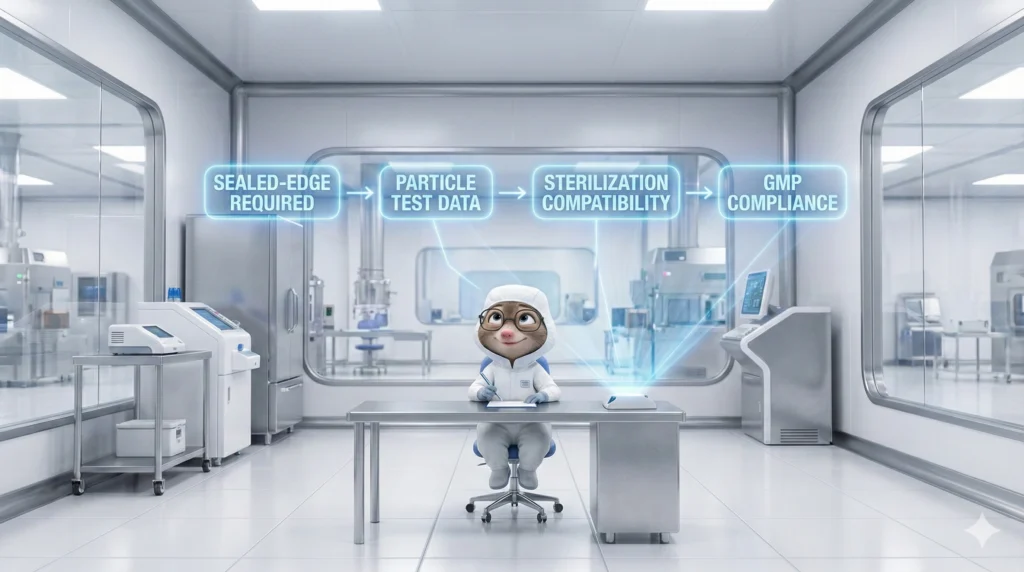
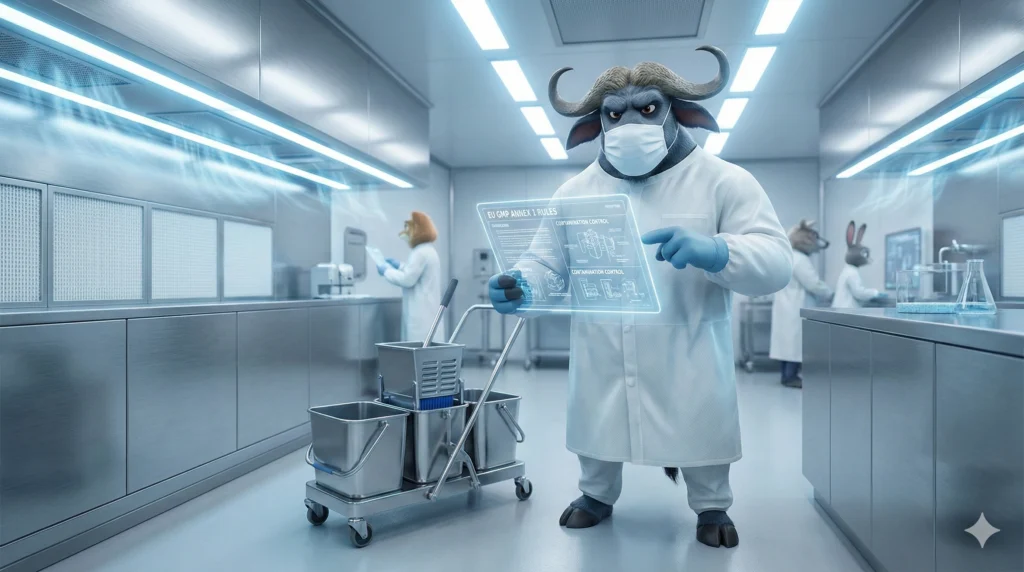
Рисунок 3: Чистое помещение фармацевтического класса B/C, демонстрирующее надлежащие операции по протирке полов GMP с оператором в халате, с использованием проверенной системы с тремя ведрами, шваброй для чистых помещений с герметичными краями и методом контролируемого контроля загрязнения. В этой среде требуется спецификация «швабра для чистых помещений» (одно слово) — инструменты из полиэстера с герметичными краями фармацевтического класса, проверенные на контроль частиц по стандарту ISO 5–8, а не обычные «швабры для чистых помещений» (два слова), предназначенные для коммерческого использования в уборке. Правильная терминология гарантирует, что закупки поставляют инструменты, соответствующие требованиям GMP, которые обеспечивают соблюдение требований экологического мониторинга и выдерживают проверки регулирующих органов.
Одноразовые подушечки для швабры для чистых помещений
Лучшее для: Одноразовые рабочие процессы, помещения без инфраструктуры для стирки, зоны с высоким риском загрязнения, требующие свежих инструментов на комнату.
Технические характеристики: Предварительно стерилизованные (гамма-облучением) полиэфирные подушечки с запечатанными краями, в индивидуальной упаковке. Типичный размер: ширина 40–60 см, подходит для стандартных рамок для швабр для чистых помещений. Не требуется стирка или повторная стерилизация — используйте один раз и утилизируйте в соответствии с протоколами по утилизации фармацевтических отходов.
Плюсы: Нулевой риск перекрестного загрязнения между помещениями/партиями, отсутствие нагрузки на стирку/стерилизацию, гарантированная стерильность (SAL 10⁻⁶ от поставщика), стабильная производительность (без ухудшения качества из-за повторяющихся циклов автоклавирования).
Минусы: более высокая стоимость использования (8–15 долларов США за прокладку по сравнению с 0,50–1,50 доллара США за использование многоразовой прокладки), генерирует больше отходов (воздействие на окружающую среду, затраты на утилизацию), требует большего места для хранения инвентаря.
Типичные применения: Комплекты асептического розлива (класс A/B), где риск загрязнения оправдывает стоимость одноразового использования, многопродуктовые помещения, предотвращающие перекрестное загрязнение между кампаниями, помещения с ограниченной вместимостью автоклавов или без утвержденного процесса стирки.
Автоклавируемые системы швабр
Лучшее для: Объекты с существующей инфраструктурой автоклавов, многоразовыми протоколами мытья полов, экономичными операциями по ежедневной мытье больших площадей.
Технические характеристики: Насадки для швабр из полиэстера с герметичными краями и рамкой, пригодной для автоклавирования (нержавеющая сталь SS316 или жаропрочный полипропилен). Насадки швабр выдерживают 50–100 циклов автоклавирования при 121°C/30 мин. Полные системы включают в себя насадки для швабр, ручки, рамы и часто тележки для ведер — все это можно стерилизовать как единое целое.
Плюсы: Самая низкая стоимость за использование (0,50–1,50 доллара США после амортизации стоимости насадки швабры за 200–300 использований), быстрая окупаемость (швабры стерилизуются в течение ночи для использования на следующий день), отсутствие зависимости от поставщика стерилизации, сокращение отходов по сравнению с одноразовыми материалами.
Минусы: Требуются проверенные циклы автоклавирования и техническое обслуживание, ограниченный срок службы (насадки швабр заменяются после 50–100 циклов автоклавирования из-за охрупчивания материала), необходимая инфраструктура для стирки (или услуги по стирке на стороне), управление запасами (достаточное количество швабр для обеспечения ротации во время стирки/стерилизации партий).
Типичные применения: Производственные помещения класса 6–8 по ISO (класс B/C/D), помещения с протоколами ежедневной уборки площадью более 1000 м², предприятия с квалифицированным автоклавом, уже поддерживающим стерилизацию оборудования/материалов.
Швабра для чистых помещений, обработанная гамма-облучением
Лучшее для: Критическая среда класса А, объекты, требующие высочайшего контроля загрязнения, операции, где бремя документации оправдывает дополнительные затраты.
Технические характеристики: Предварительно стерилизованные полиэфирные швабры с запечатанными краями, обработанные гамма-облучением до SAL 10⁻⁶, поставляемые в утвержденной стерильной упаковке с сертификатами дозы облучения. Часто продаются в виде насадок для швабр + предварительно насыщенных упаковок с дезинфицирующим средством (стерильный IPA или спороцидный раствор) для комплексных проверенных рабочих процессов.
Плюсы: Максимальная гарантия стерильности (SAL 10⁻⁶, подтвержденная поставщиком, отсутствие риска внутренней стерилизации), полная документация (сертификаты облучения, сертификаты анализа, отслеживаемость партий для поддержки нормативных проверок), отсутствие рабочей нагрузки в автоклаве.
Минусы: самая высокая стоимость за использование (10–20 долларов США за швабру в зависимости от размера/конфигурации), только одноразовое использование (без возможности повторной стерилизации), более длительные сроки выполнения заказа (пакетная обработка гамма-стерилизацией может продлить выполнение заказа до 2–4 недель).
Типичные применения: Очистка изолятора (асептическое заполнение, лиофилизация), асептические основные зоны класса А, производство дорогостоящей продукции, где стоимость заражения намного превышает стоимость расходных материалов, предприятия без автоклавных мощностей или стремление устранить нагрузку по валидации внутренней стерилизации.
Система мытья полов GMP с тремя ведёрками
Лучшее для: Комплексное решение «под ключ» для строительства объектов или модернизации программ очистки чистых помещений, операций, требующих проверенного разделения ведер (соответствие Приложению 1 класса A/B/C).
Технические характеристики: Интегрированная система, включающая насадки для швабр из полиэстера с герметичными краями, тележку с тремя ведрами из нержавеющей стали или полипропилена (дезинфицирующее средство/ополаскивание/сортировка отходов), прессовый или роликовый отжим, автоклавируемые рамы и ручки. Системы проходят предварительную квалификацию как законченные устройства с предоставленными протоколами IQ/OQ.
Плюсы: Полный проверенный рабочий процесс (нет необходимости отдельной квалификации ведер, швабр, отжимных устройств), разработанный в соответствии с Приложением 1 (разделение жидкостей предотвращает разбавление дезинфицирующих средств и перекрестное загрязнение), обычно включает обучение и шаблоны СОП, один поставщик для всей системы (упрощенные закупки и контроль изменений).
Минусы: более высокие первоначальные капитальные затраты (2000–5000 долларов США на полную систему по сравнению с 200–500 долларов США только за швабры), требуется место для тележки с тремя ведрами, более сложное обучение операторов (проверенная последовательность: дезинфекция → отжим в отходы → полоскание → отжим в отходы → перезагрузка).
Типичные применения: Новые фармацевтические производственные предприятия, внедряющие программы очистки GMP, существующие предприятия, устраняющие сбои экологического мониторинга или результаты аудита, связанные с валидацией очистки, зоны классов A/B/C, требующие разделения дезинфицирующих средств в соответствии с Приложением 1.
Ознакомьтесь с полным ассортиментом многоразовых систем для мытья полов MIDPOSI. включая насадки для швабр с герметичными краями, автоклавируемые рамы и проверенные конфигурации ведер для фармацевтического производства по стандарту ISO 5–8.
Швабра для чистых помещений спроектирована и изготовлена для контролируемых сред, где оцениваются образование частиц, высвобождение волокон и химическая совместимость. Обычные швабры могут сбрасывать волокна, образовывать частицы или быть несовместимыми с дезинфицирующими средствами для чистых помещений. В чехлах для швабр для чистых помещений используются такие материалы, как полиэстер с непрерывными нитями или контролируемые смеси микроволокон. Обычные швабры обычно не рекомендуются для использования в чистых помещениях. Они не проверены на контроль частиц, могут выделять волокна и могут быть несовместимы с дезинфицирующими средствами для чистых помещений. Использование непроверенных инструментов для очистки в чистых помещениях может привести к риску загрязнения, которое может повлиять на качество продукции или результаты проверки. В чистых помещениях более высокого класса (класс A/B, ISO 5–7) обычно требуются системы швабр с документально подтвержденными характеристиками частиц, сертификацией материалов и вариантами стерильности, если это указано в СОП. В зонах более низкого класса (класс C/D, ISO 8) могут предъявляться более гибкие требования, но в них все равно следует использовать инструменты для уборки, предназначенные для чистых помещений. Швабры для чистых помещений обычно имеют более высокую себестоимость, чем обычные швабры, из-за контролируемых материалов, проверенного производства и дополнительной стерильной обработки. Однако разницу в стоимости следует оценивать с учетом риска загрязнения, готовности к аудиту и постоянства очистки, а не только в расчете на единицу продукции. MIDPOSI специализируется на чехлах, рамах, ручках и системах ведер для чистых помещений, предназначенных для испытаний в контролируемых средах. Швабры общего назначения для помещений, не являющихся чистыми, следует приобретать отдельно, чтобы избежать риска перекрестного загрязнения.Часто задаваемые вопросы — швабра для чистых помещений и обычная швабра
В чем основное отличие швабры для чистых помещений от обычной швабры?
Можно ли использовать обычную швабру в чистом помещении?
Какие классы чистых помещений требуют особого внимания при использовании швабры?
Швабры для чистых помещений дороже обычных?
Предоставляет ли MIDPOSI швабры как для чистых помещений, так и для швабр общего назначения?