
Почему уборка чистых помещений является этапом борьбы с основным загрязнением
Частицы, остатки, волокна и микроорганизмы накапливаются на поверхностях чистых помещений в результате движения персонала, перемещения материалов, нарушения воздушного потока и рутинных операций. Если эти остатки не удалить с помощью контролируемого процесса очистки, они станут постоянными источниками загрязнения, которые могут повлиять на качество продукции, тенденции экологического мониторинга и готовность к аудиту.
Вот почему СОП по очистке GMP должны не только назначать частоту. Они должны определить метод очистки, выбор дезинфицирующего средства, технику работы оператора, логику проверки и документацию. Хорошая СОП также напрямую связана с экологический мониторинг, обучение персонала, халатная дисциплина, и производительность воздушного потока.
| Цель очистки | Почему это важно | Риск в случае слабости |
|---|---|---|
| Удаление частиц | Уменьшает передачу загрязнений по воздуху и с поверхности на продукт. | Нестабильность класса ISO и видимый остаток |
| Сокращение микробов | Контролирует возможные загрязнения на контактных поверхностях и оборудовании. | ЭМ отклонения и риск загрязнения продукции |
| Контроль остатков | Предотвращает накопление дезинфицирующих средств и несовместимость материалов. | Химические остатки, пятна, липкие поверхности |
| Стандартизация техники | Улучшает повторяемость между операторами и сменами | Переменная производительность очистки |
| Валидация | Доказывает, что очистка эффективна, а не просто выполняется. | Слабая защищенность GMP |
Стратегия очистки и дезинфекции по классам
Программы уборки должны отражать классификацию помещений, риск воздействия, частоту вмешательства и потребности в микробном контроле. Зона класса А, используемая при асептической обработке, требует гораздо более агрессивной и проверенной стратегии, чем вспомогательное пространство класса D.
| Оценка | Уровень риска | Частота очистки | Санитарная обработка/дезинфекция |
|---|---|---|---|
| ISO 5 (класс А) | Критическая асептика | Каждая операция/высокочастотный контроль поверхности | Каждая операция |
| ISO 7 (класс Б) | Фон асептический | Ежедневно | Ежедневно |
| ISO 8 (класс C) | Контролируемая территория | Ежедневно или еженедельно в зависимости от использования | Еженедельная или определенная ротация |
| ISO 9 (класс D) | Область поддержки | Ежедневная рутинная уборка | Еженедельно или с учетом риска |
Нужна поддержка чистых помещений, готовых к GMP?
Ознакомьтесь с решениями Midposi, разработанными для фармацевтических и контролируемых сред, включая одежду для чистых помещений и поддержку продуктов для контроля загрязнения.
Двухпроходной метод очистки для чистых помещений GMP
В средах более высокого качества часто предпочтителен двухпроходной метод, поскольку он отделяет применение химикатов от удаления остатков. Это снижает риск неполной дезинфекции, образования липкости на поверхности и неровной отделки.
Этап 1: Дезинфекция. Очистка.
- Нанесите проверенное дезинфицирующее средство на систему протирания или швабры.
- Используйте однонаправленное движение или движение в виде восьмерки на основе СОП.
- Поддерживать определенное время контакта
- Систематически покрывайте территорию без случайного перекрытия.
Этап 2: Удаление остатков/финальная очистка
- При необходимости используйте стерильную воду для инъекций или одобренную промывочную среду.
- Удалить остатки химии с поверхности
- Уменьшите риск отложений на оборудовании и полах.
- Дайте области высохнуть и убедитесь, что отделка чистая.
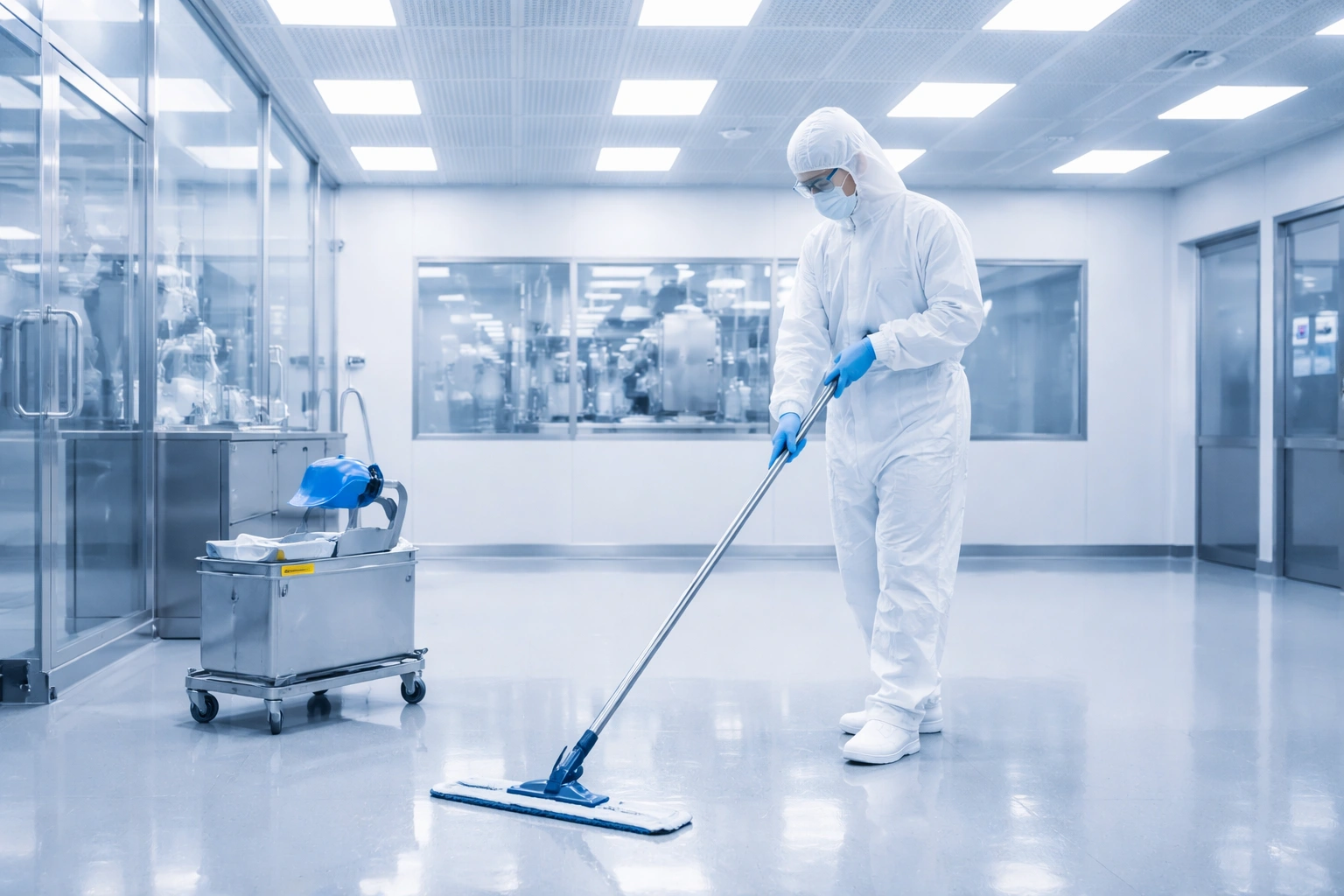
Визуальное пояснение: СОП по двухпроходной очистке
Валидированный рабочий процесс очистки должен четко отображать последовательность, использование химикатов, время контакта, логику промывки и этапы заключительной проверки.
Стратегия выбора и ротации дезинфицирующих средств
Программа дезинфекции должна быть проверена на эффективность, совместимость материалов, профиль остатков и эксплуатационную пригодность. Одним из наиболее распространенных недостатков программ чистых помещений является чрезмерная зависимость от одного химического состава без структурированной стратегии ротации.
| Рассмотрение дезинфицирующих средств | Почему это важно |
|---|---|
| Профиль эффективности | Должен быть пригоден для ожидаемых микробных проблем. |
| Время контакта | Короткое время контакта может снизить реальную эффективность |
| Поведение остатков | Некоторые химические вещества оставляют видимые или невидимые остатки на поверхности. |
| Совместимость материалов | Критично для полов, поверхностей из нержавеющей стали, окон и оборудования. |
| Стратегия ротации | Помогает усилить микробный контроль с течением времени |
Общие недостатки программы включают использование только IPA, отсутствие проверки времени контакта на практике и отсутствие привязки выбора дезинфицирующего средства к данным проверки.
Очистка структуры проверки
Очистка оправдана в соответствии с GMP только тогда, когда ее эффективность подтверждена. Именно здесь многие программы терпят неудачу: помещение можно убирать по расписанию, но нет структурированных доказательств того, что уборка действительно снижает риск заражения.
Структура проверки очистки MIDPOSI
- Визуальный осмотр на наличие остатков, полос и видимых загрязнений.
- Поверхностные микробиологические испытания с использованием определенных точек отбора проб
- Подтверждение экологического мониторинга, где это необходимо
- Обзор тенденций по сменам, помещениям и операторам
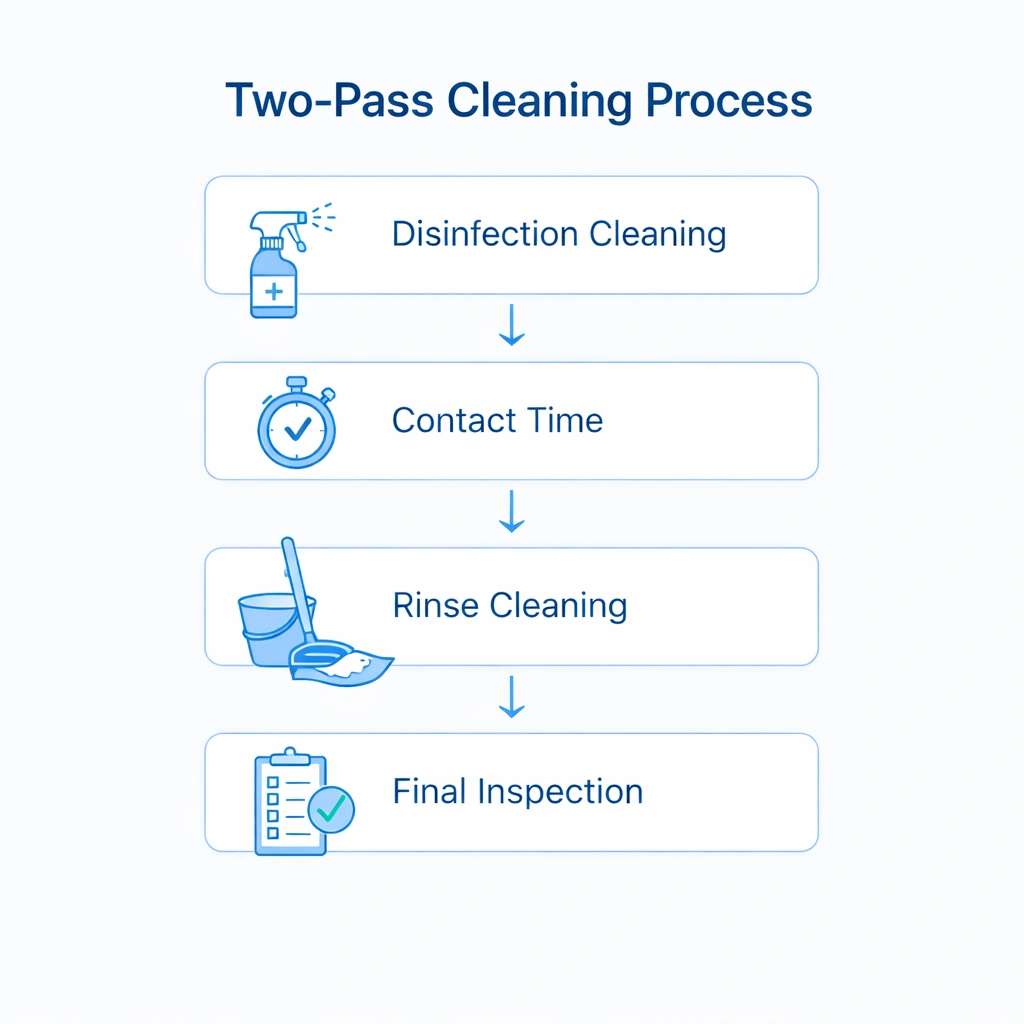
Визуальное объяснение: очистка панели проверки
Панель проверки должна объединять результаты микробиологического анализа, данные о частицах после очистки, статус «прошел/не прошел» и повторяющиеся сигналы тенденций для проверки качества.
| Метод проверки | Цель | Почему это повышает ценность |
|---|---|---|
| Визуальный осмотр | Немедленное подтверждение поверхности | Быстрая и практичная первая проверка |
| Отбор проб поверхности | Проверка микробного контроля | Подтверждает, уменьшилось ли загрязнение |
| Обзор экологического мониторинга | Эффективность на уровне системы | Показывает, поддерживает ли очистка более широкий контроль загрязнения. |
Распространенные ошибки при уборке чистых помещений
Большинство неудач при уборке вызваны не отсутствием СОП. Они вызваны слабым исполнением, плохой стандартизацией или отсутствием валидации.
Визуальное объяснение: правильная и неправильная практика очистки
Четкое изображение рядом друг с другом помогает операторам понять, чем контролируемая однонаправленная техника отличается от плохой осанки, случайного вытирания и неполного покрытия поверхности.
| Распространенная ошибка | Почему это происходит | Результирующий риск |
|---|---|---|
| Непоследовательная техника | Операторы не обучены одному повторяемому методу | Неравномерная очистка |
| Неправильное использование дезинфицирующих средств | Неправильное разведение, время контакта или ротация. | Снижение микробной эффективности |
| Нет проверки | Уборка записывается, но не проверяется | Слабая защищенность GMP |
| Плохая документация | В журналах отсутствует возможность отслеживания времени, партии, площади или оператора. | Выводы аудита и слабая поддержка расследования |
| Нет ссылки на EM | Программа очистки не проверяется на соответствие тенденциям мониторинга. | Повторяющиеся отклонения без эффективной коррекции |
Требования к документации и обучению
Система очистки GMP никогда не должна полагаться на память или привычку. Это должно быть полностью подкреплено документированными СОП, журналами уборки, записями о приготовлении дезинфицирующих средств, записями о валидации и учебной документацией.
Документация обычно должна включать:
- Очистка журналов по области, дате, времени и оператору
- Протоколы приготовления и срока годности дезинфицирующих средств
- Результаты проверки и последующее расследование
- Записи об обучении и переквалификации операторов
Обучение должно охватывать не только химию и частоту, но и дисциплину движений, технику вытирания или протирания шваброй, осведомленность об остатках и правила эскалации в случае неудачной проверки.
Создайте более надежную программу очистки чистых помещений с помощью Midposi
Explore GMP-focused cleanroom solutions designed to support contamination control, audit readiness, and more consistent cleanroom operations in pharmaceutical and controlled manufacturing environments.
Часто задаваемые вопросы
В чем разница между уборкой и дезинфекцией в чистых помещениях?
Очистка удаляет частицы, остатки и видимые загрязнения. Дезинфекция снижает микробную нагрузку с использованием проверенных химических средств. В средах с повышенным риском оба этих метода необходимы как часть одного контролируемого процесса контроля загрязнения.
Почему в чистых помещениях GMP используется двухпроходной метод очистки?
Двухпроходной метод отделяет нанесение дезинфицирующего средства от окончательного удаления остатков. Это улучшает консистенцию, уменьшает отложения и обеспечивает более чистое качество поверхности в средах более высокого качества.
Как часто следует убирать чистое помещение?
Частота зависит от класса помещения, уровня активности и риска заражения. Высококачественные и критические технологические зоны обычно требуют более частой и более тщательно контролируемой очистки, чем вспомогательные зоны.
Как вы проверяете эффективность уборки чистых помещений?
Типичная проверка включает визуальный осмотр, отбор проб с поверхности и анализ соответствующих результатов мониторинга окружающей среды. Вместе они дают более убедительные доказательства, чем просто журналирование.
Можно ли использовать одно дезинфицирующее средство для всех ситуаций в чистых помещениях?
Обычно нет. Стратегия дезинфекции должна учитывать эффективность, время контакта, профиль остатков, совместимость материалов и необходимость ротации для окружающей среды.
Почему программы очистки терпят неудачу, даже если СОП существуют?
Общие причины включают непоследовательную технику работы оператора, плохую подготовку, слабую документацию, неправильное использование дезинфицирующих средств, а также отсутствие валидации или анализа тенденций.
Как уборка связана с экологическим мониторингом?
Повторяющиеся ЭМ-экскурсии часто указывают на то, что частота очистки, химический состав, техника или проверка могут оказаться недостаточными. Данные ЭМ — один из наиболее полезных способов оценить, работает ли программа очистки.
Что аудиторы обычно ожидают увидеть в программе СОП по уборке?
Аудиторы обычно ожидают четких процедур, определенной частоты, подтвержденного использования дезинфицирующих средств, записей об обучении операторов, журналов уборки и доказательств того, что эффективность очистки проверяется и проверяется.