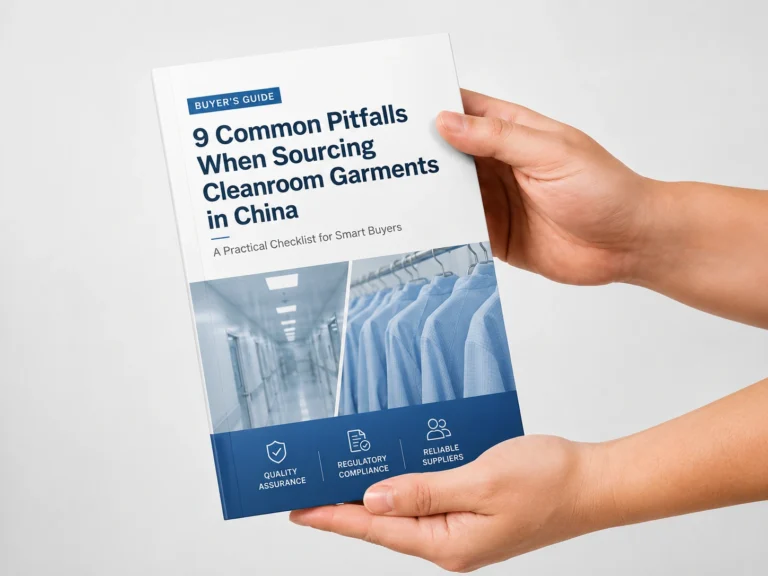
Практическая схема оценки для компаний, занимающихся дистрибуцией расходных материалов для чистых помещений, выбирающих партнера-производителя швабр. В этом руководстве основное внимание уделяется критериям, которые важны для дистрибьюторов — рентабельность, защита территории, надежность сроков выполнения заказов, поддержка нормативной документации, техническое обучение, маркетинговые ресурсы и гибкость минимального заказа — а не спецификациям продукта для конечного пользователя, описанным в других местах. Контекст производства см. производители швабр для чистых помещений в Азии.

Дистрибьюторам расходных материалов для чистых помещений следует оценить производителя швабр по всем направлениям. семь измерений которые отличаются от критериев выбора конечного пользователя: (1) структура маржи и уровни оптовых цен которые поддерживают экономику дистрибьюторов, (2) защита территории и эксклюзивность чтобы предотвратить конфликт каналов, (3) надежность сроков выполнения и поддержка запасов для стабильных региональных поставок, (4) качество нормативной документации что аудиторы ваших клиентов примут, (5) техническое обучение и передача знаний о продукции чтобы ваш отдел продаж мог уверенно продавать, (6) маркетинговая поддержка и кобрендинг обеспечить присутствие на местном рынке и (7) Гибкость минимального заказа и политика выборки который соответствует размеру вашего рынка и стадии роста. Каждый критерий подробно рассмотрен ниже.
Конечный пользователь — менеджер по контролю качества фармацевтической продукции или менеджер предприятия по производству чистых помещений — оценивает швабру на основе характеристик продукта: данных о частицах, химической совместимости, стерильности, документации. Они спрашивают: «Работает ли этот продукт в моем учреждении?»
Дистрибьютор задает другой набор вопросов: «Работает ли эта линия продуктов как бизнес? Могу ли я выгодно продать его, надежно доставить, технически поддержать и расти вместе с ним в течение нескольких лет?»
Оценка производителя только по качеству продукции — без оценки структуры коммерческого партнерства — одна из самых частых и дорогостоящих ошибок дистрибьюторов. Технически превосходный продукт с ненадежными сроками выполнения, недостаточной прибылью или отсутствием защиты территории не является жизнеспособной линейкой продуктов для распространения. Более широкий взгляд на производственный ландшафт Азии см. ведущие поставщики швабр для чистых помещений для оптовой продажи B2B.
Маржа дистрибьютора — это не просто цифра, это структура. Оценивать:
Конфликт каналов — когда производитель продает продукцию напрямую конечным пользователям на вашей территории или назначает дублирующих дистрибьюторов — является наиболее распространенной причиной неудачи партнерских отношений с дистрибьюторами. Перед подписанием уточните:
Ваши конечные клиенты используют предприятия GMP. Когда у них заканчиваются чехлы для швабр, они не ждут четыре недели. Ваша репутация как дистрибьютора зависит от надежности цепочки поставок вашего производителя.
Ваши клиенты передадут документацию производителя своим аудиторам. Если документация отклонена, отказ падает на вас, а не на производителя. Оценивайте качество документации так, как если бы вы были менеджером по обеспечению качества конечного пользователя.
Вашему отделу продаж необходимо продавать швабры для чистых помещений менеджерам по контролю качества, которые задают подробные технические вопросы. Если ваша команда не может ответить на эти вопросы, продажа переходит к конкуренту, чей дистрибьютор может это сделать.
В регулируемых отраслях конечные пользователи хотят знать, кто производит продукт, а не только кто его распространяет. Производитель, который поддерживает ваши маркетинговые усилия, укрепляет оба бренда.
Минимальные объемы заказа, подходящие для дистрибьютора в Германии, могут быть непомерно высокими для дистрибьютора, начинающего работу на меньшем рынке. Структура минимального заказа производителя должна быть сопоставлена с реальностью вашего рынка.
A manufacturer who refuses to put territory definitions in a written agreement — or who uses vague language like “your region” without specifying countries or customer types — is preserving the option to sell around you. Insist on written territory definitions before committing inventory investment.
Request a sample COA for a recent production lot during the evaluation phase — not a blank template. If the sample COA contains no lot-specific numerical data, no test date, and no method reference, your end-user customers’ auditors will flag it. The manufacturer’s documentation quality during evaluation is highly predictive of the documentation quality after you become a distributor.
“Usually 2–3 weeks” is not a lead time commitment. Request actual lead time data for the last 12 months of distributor orders. A manufacturer who cannot or will not provide this data either does not track it or knows the data would not support the quoted lead time.
Проверьте, осуществляет ли производитель уже прямые продажи конечным пользователям на вашей территории. Если да, и они ожидают, что вы будете инвестировать в создание рынка, в то время как они продолжают прямые продажи, то экономика партнерства фундаментально несогласована. Либо прямые продажи прекращаются, когда начинается ваша дистрибьюторская деятельность, либо вы финансируете развитие их рынка.
If the person handling your distributor account is the same person handling domestic sales, and they treat distributor inquiries with the same priority as individual purchase orders, your customers’ lead times and support quality will suffer. A manufacturer serious about distribution partnerships has a dedicated function — even if it is one person — for distributor relationship management.
What is the exact geographic scope of my territory, and is it exclusive or non-exclusive?
Do you currently sell directly to any end-users in my territory? If so, how will those accounts be handled after our agreement begins?
What is your actual lead time performance over the last 12 months for distributor orders — not the quoted lead time, but the measured average and range?
Can you provide sample COA, CoI, and technical data sheets for a recent production lot — not blank templates — for review?
What training do you provide for distributor sales teams? Is it a one-time session or ongoing?
What marketing materials, product images, and technical content do you provide to distributors? Can we co-brand them?
What is your sample policy? How are samples shipped, at whose cost, and what is the typical turnaround time?
What is your change notification process? How much notice do distributors receive before a product specification, price, or MOQ change?
Can you provide references from existing distributors in markets of similar size and regulatory environment to mine?
What happens if my market grows faster than expected — how does the partnership structure scale?
MIDPOSI works with distribution partners in pharmaceutical, biotech, and electronics markets across Europe, the Middle East, Southeast Asia, and South America. The following describes the general framework — specific terms are discussed individually with each partner based on market conditions, regulatory environment, and mutual business objectives. For an overview of MIDPOSI’s cleanroom mop product line, see the Обзор системы швабры для чистых помещений.
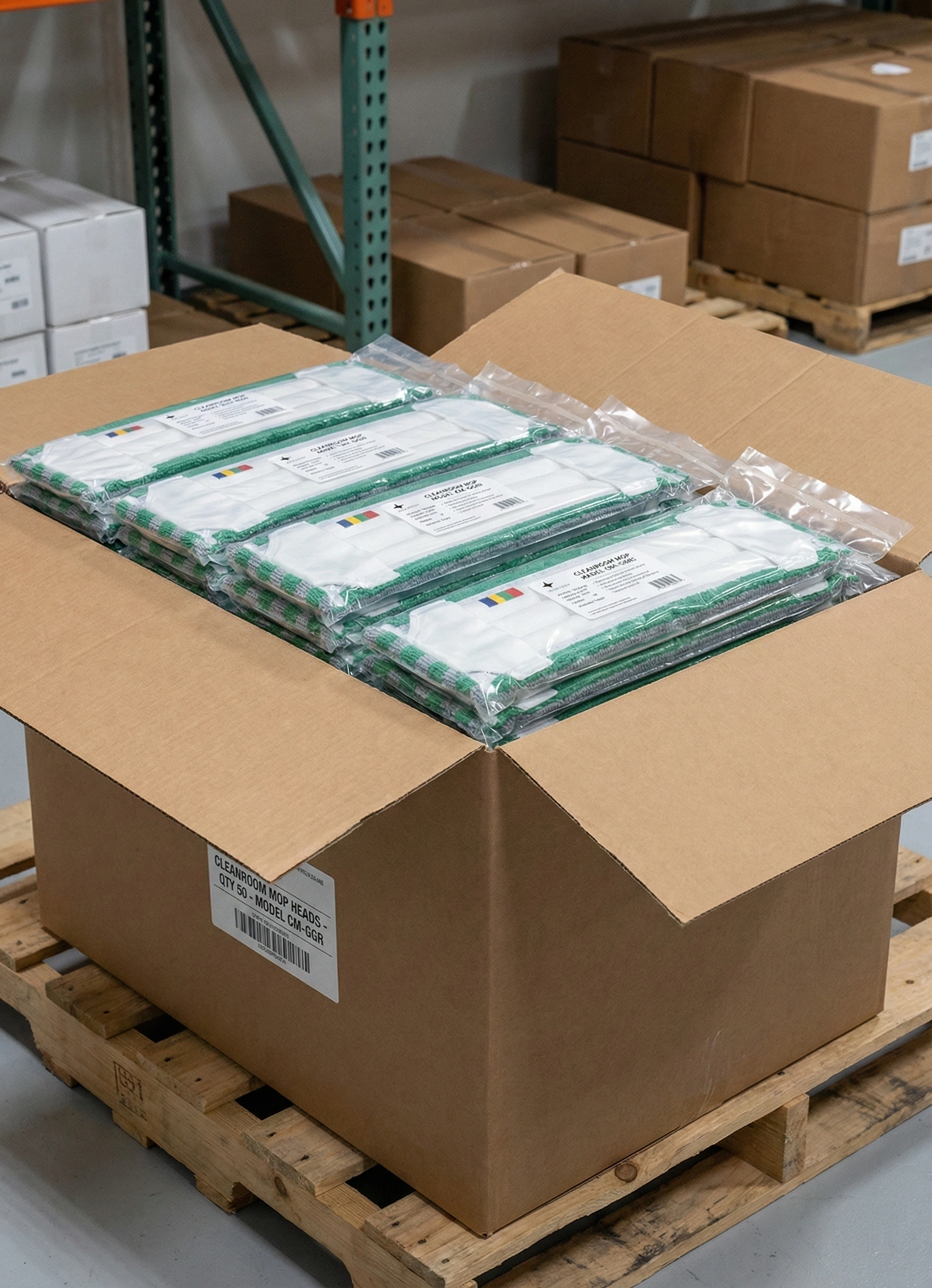
An authorized distributor typically has a formal agreement with the manufacturer that includes defined territory, pricing structure, technical training, documentation support, and marketing collaboration. A reseller purchases products without a formal partnership agreement — usually at standard pricing, without territory protection, training, or marketing support. End-users in regulated industries generally prefer to buy from authorized distributors because the manufacturer stands behind the distribution relationship, which supports audit documentation and supply chain traceability.
Запросите образец документации — сертификат подлинности, сертификат соответствия, если применимо, листы технических данных — для последней производственной партии на этапе оценки. Поделитесь ими с представителем отдела контроля качества у одного из ваших существующих клиентов (с его разрешения) для конфиденциального рассмотрения или сравните их с документацией производителей, которые уже принимаются на вашем рынке. Ключевые индикаторы: числовые данные по конкретной партии, даты испытаний, ссылки на методы и идентификация аналитика. Если что-то из этого отсутствует, документация может подвергнуться тщательной проверке в ходе аудита GMP независимо от другой квалификации производителя.
Универсального ответа не существует — разумный минимальный заказ зависит от размера вашего рынка, сроков регулирования и существующих отношений с клиентами. Дистрибьютору, выходящему на рынок, где швабры для чистых помещений являются устоявшейся категорией, может потребоваться более высокий минимальный заказ, чтобы быть конкурентоспособным по цене. Дистрибьютору, развивающему новый рынок, где требуется обучение конечных пользователей, может потребоваться более низкий минимальный объем заказа на входе, чтобы управлять риском запасов и одновременно повышать спрос. Ключевым моментом является то, что минимальный объем заказа должен соответствовать вашему реалистичному прогнозу продаж на первый год, а не среднему мировому показателю производителя. Обсудите варианты минимального заказа для смешанных продуктов (объединение нескольких SKU для достижения минимума) как способ проверить рыночный спрос по категориям продуктов, не привязываясь к какой-либо одной линейке.
This should be addressed in the distribution agreement before it happens. If the agreement does not address direct sales and the manufacturer begins selling directly, you have limited recourse. Prevention is the only reliable approach: ensure the distribution agreement explicitly defines territory, exclusivity type, and the manufacturer’s direct sales policy (if any), including compensation to you for any direct sales that occur in your territory. If the manufacturer refuses to put territory and direct sales terms in writing, consider that a disqualifying signal.
Beyond product supply, expect: technical inquiry response within an agreed timeframe, proactive communication of product or specification changes, updated documentation with each shipment, ongoing availability of samples for customer evaluations, and periodic business reviews to assess market development, pricing competitiveness, and partnership health. If communication drops to order-taking after the first shipment, the partnership is transactional — not strategic.
Most distributors start with one brand and expand if market demand justifies it. Carrying one brand allows deeper product knowledge, stronger manufacturer relationship, and simpler inventory management. Adding a second brand typically makes sense when: (a) the first brand does not cover all needed product categories, (b) price-point differentiation is required to serve different customer segments, or (c) supply chain diversification is needed for risk management. If you carry multiple brands, be transparent with both manufacturers about your portfolio strategy — a manufacturer who discovers a competing brand through a customer rather than from you is a damaged relationship.
Typically 4–8 weeks from initial contact to first shipment, assuming the evaluation process moves efficiently. The timeline includes: mutual evaluation and documentation exchange (1–2 weeks), commercial terms negotiation and agreement finalization (1–2 weeks), sample review and product training (1–2 weeks), and first order production and shipment (1–2 weeks, depending on product type and order size). Regulatory complexities in some markets may extend the timeline. The fastest path is having a clear territory definition and volume forecast ready before initiating contact.
MIDPOSI is currently evaluating distribution partnerships in key markets across Europe, the Middle East, Southeast Asia, and South America. If your company distributes cleanroom consumables and is evaluating cleanroom mop product lines, we invite you to contact us to discuss territory availability, product range, documentation support, and partnership terms.
Distribution partnerships are established individually based on mutual evaluation. Product documentation, samples, and training support are provided to qualified distribution partners. Contact MIDPOSI to initiate a discussion.
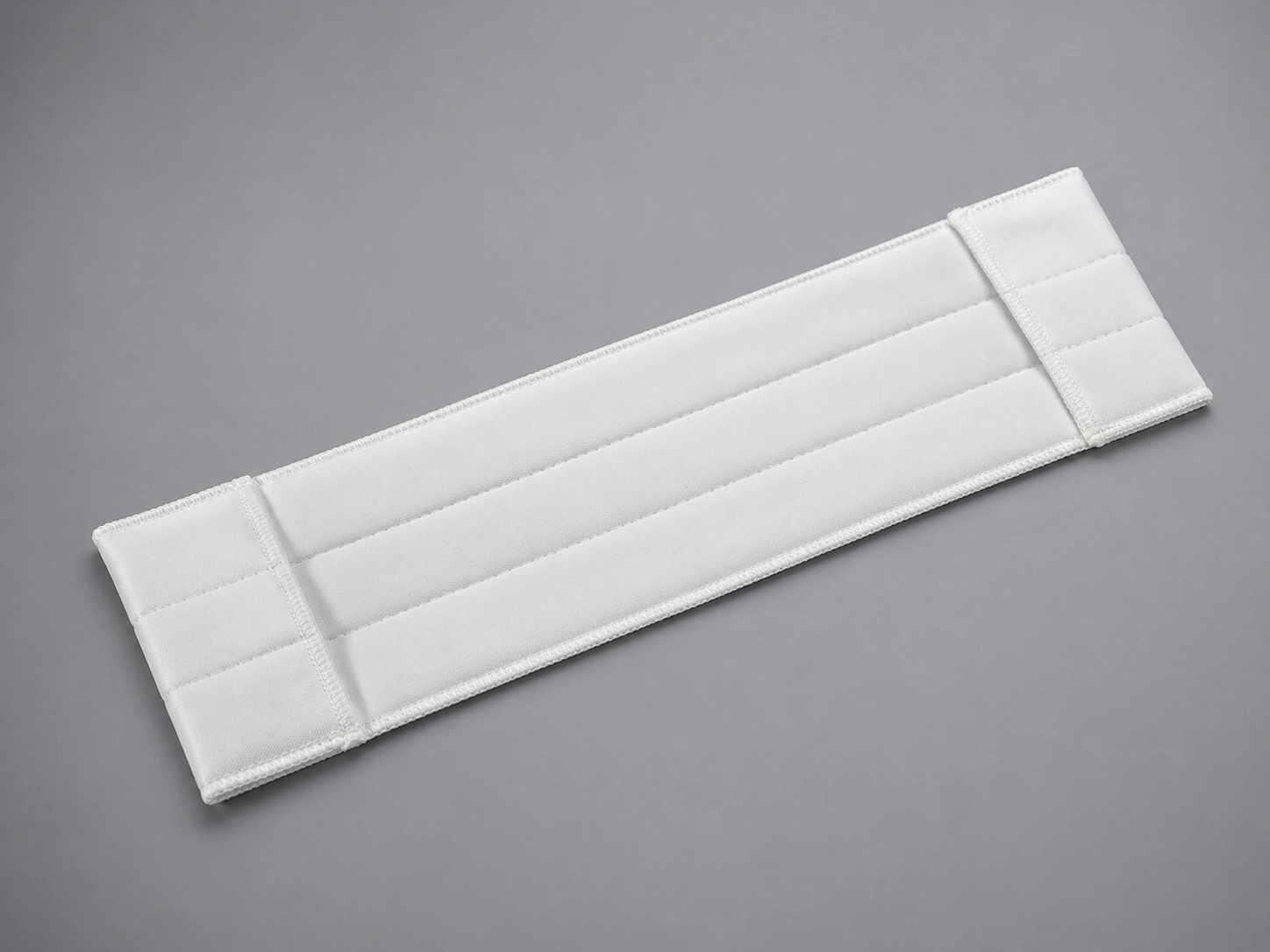
Disclaimer: This guide provides a general framework for evaluating cleanroom mop manufacturers from a distributor’s perspective and does not constitute legal or business advice. Distribution partnership terms, including territory definitions, pricing, MOQ, exclusivity, and support, are established individually between MIDPOSI and each distribution partner. The MIDPOSI partnership description above is a general overview and does not constitute an offer of specific terms. All partnership terms are subject to mutual evaluation and written agreement.
Many cleanroom distributors and B2B buyers source cleanroom mops from Asian manufacturers. When evaluating suppliers in this region, several factors beyond product specifications should be considered to support a reliable supply partnership.
Evaluate the supplier’s export track record to your target region. Experienced suppliers should be familiar with international shipping documentation, customs requirements, and regulatory expectations for cleanroom consumables. Request references from existing international customers where possible.
Убедитесь, что поставщик может предоставить технические паспорта (TDS), документацию о составе материала, доступные данные о образовании частиц и документацию о стерильности, где это применимо. Важным критерием оценки является оперативность реагирования поставщика на технические запросы и запросы документации.
Прежде чем делать оптовые заказы, запросите образцы продукции для оценки в реальных условиях уборки. Тестирование должно охватывать характеристики материала чехла швабры, совместимость рамы, совместимость с дезинфицирующими средствами и целостность упаковки. Рекомендуется выборочная оценка независимо от местонахождения поставщика.
Assess the supplier’s quality management processes, communication responsiveness, and production capacity. For sterile products, confirm the sterilization method and packaging integrity. For ongoing supply, evaluate lead times, minimum order quantities, and the supplier’s ability to maintain consistent product specifications across production batches.
Note: When sourcing from any supplier, the facility’s SOP, risk assessment, and validation requirements should guide the final procurement decision. Product suitability must be confirmed by the user under their specific facility conditions.
Yes. Many B2B distributors and cleanroom facilities source mop covers, frames, handles, and bucket systems from Asian manufacturers. When evaluating Asian suppliers, consider export experience, documentation availability, sample evaluation support, and quality consistency. MIDPOSI is one of the manufacturers serving international cleanroom markets.
Key evaluation points include: the supplier’s export track record, technical documentation availability (TDS, material data, sterility documentation where applicable), sample evaluation process, quality management certifications, lead times, minimum order quantities, and communication responsiveness. On-site audits or third-party inspections may be considered where practical.