A strong cleanroom MOPS framework helps pharmaceutical and controlled-environment teams standardize gowning, operations, contamination control, environmental monitoring, deviation handling, and continuous improvement.
In regulated cleanrooms, written procedures are not just documentation. They define how people enter, behave, monitor, clean, investigate, and improve within controlled spaces. When MOPS are incomplete, inconsistent, or poorly implemented, the result is not just operational inefficiency. It can directly affect contamination control, audit readiness, training effectiveness, and GMP compliance.
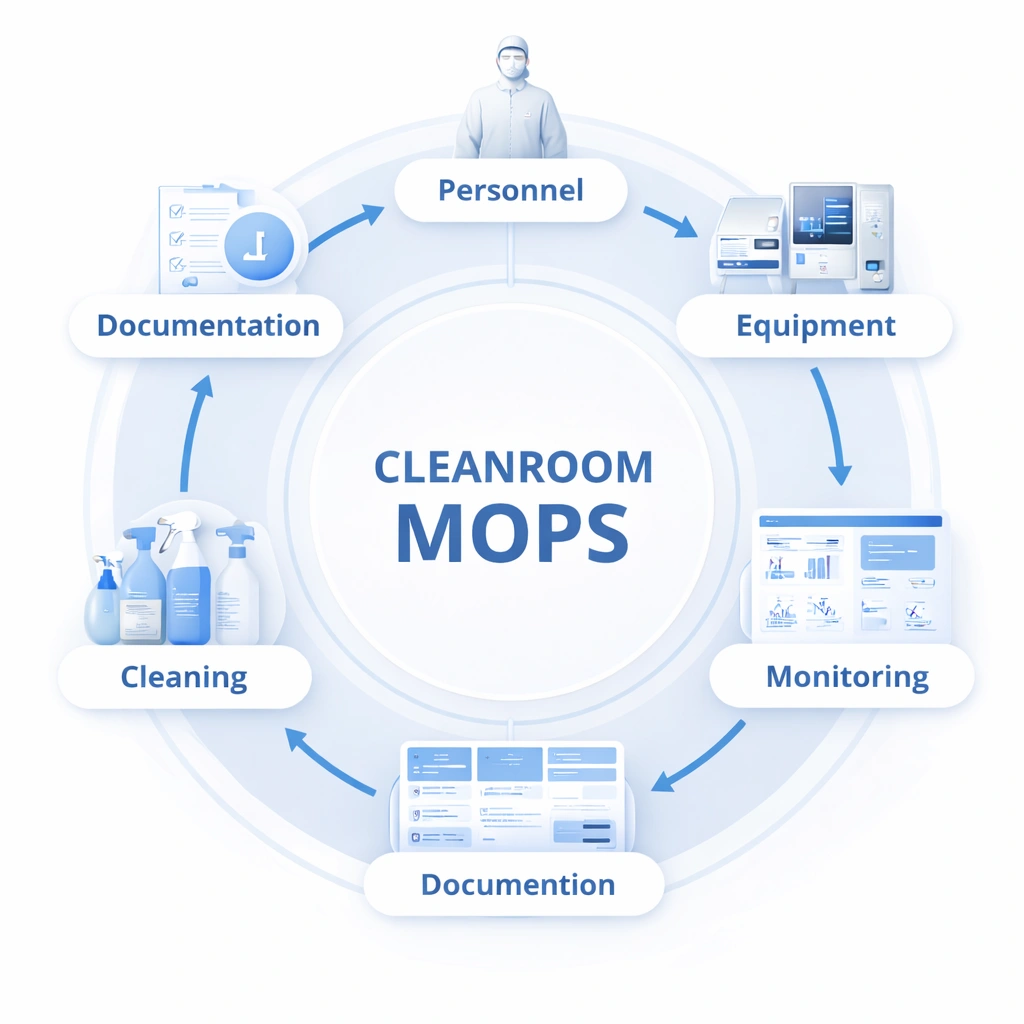
MOPS для чистых помещений — это структурированные рабочие процедуры, используемые для контроля поведения, рабочего процесса, гигиены, мониторинга, реагирования на отклонения и документирования в чистых помещениях. На фармацевтических и других регулируемых предприятиях эффективная система MOPS поддерживает соблюдение GMP, преобразуя требования к чистым помещениям в повторяемые действия, стандарты обучения, записи и корректирующие рабочие процессы.
Лучшие концепции MOPS для чистых помещений охватывают не только то, что следует делать, но и почему, кем, при каких условиях, как обрабатываются отклонения и как система пересматривается и совершенствуется с течением времени.
In pharmaceutical manufacturing and other controlled environments, the cleanroom is only as reliable as the procedures that govern it. Your original draft correctly frames cleanroom MOPS as the operational core of daily cleanroom control rather than just a documentation requirement. :contentReference[oaicite:1]{index=1}
A well-designed MOPS system helps reduce variation in how personnel move, gown, clean, monitor, intervene, and react to abnormal events. It also creates a shared operational language between QA, production, engineering, microbiology, and training teams.
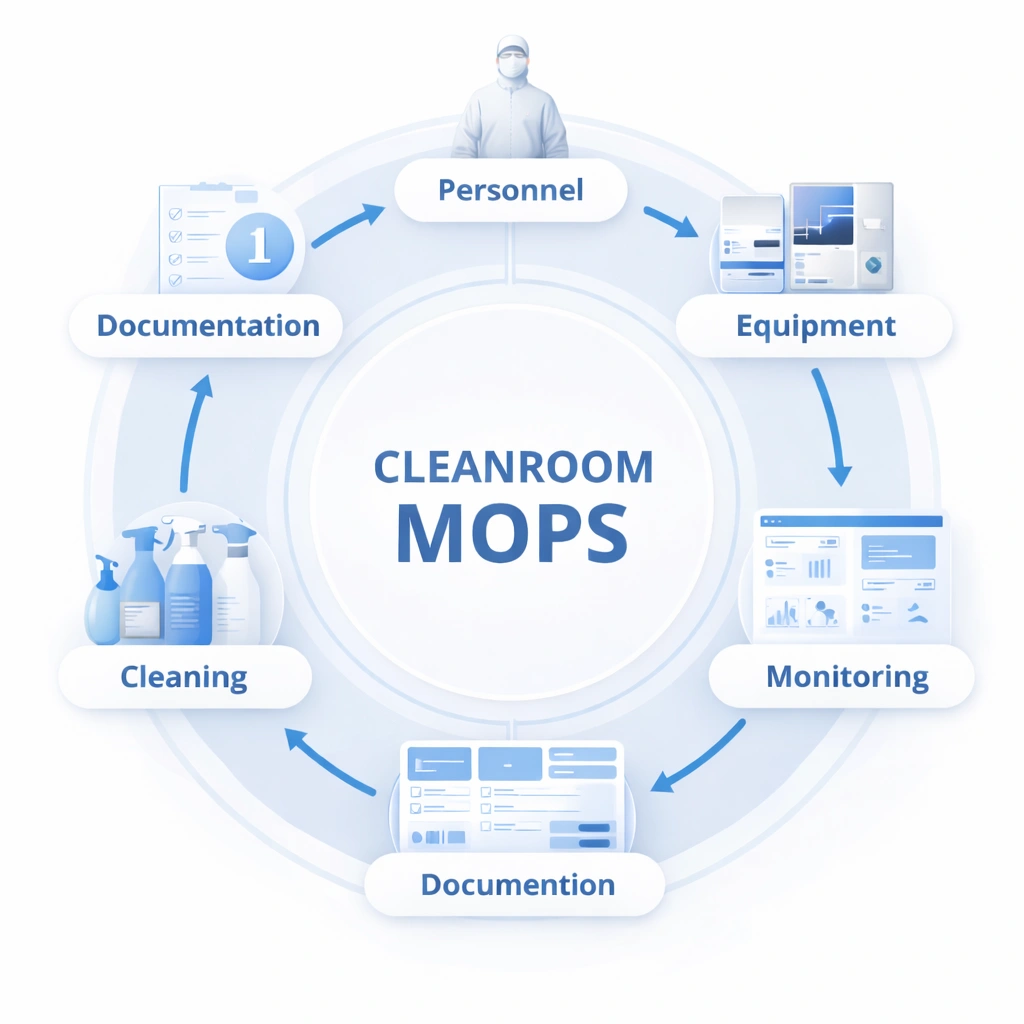
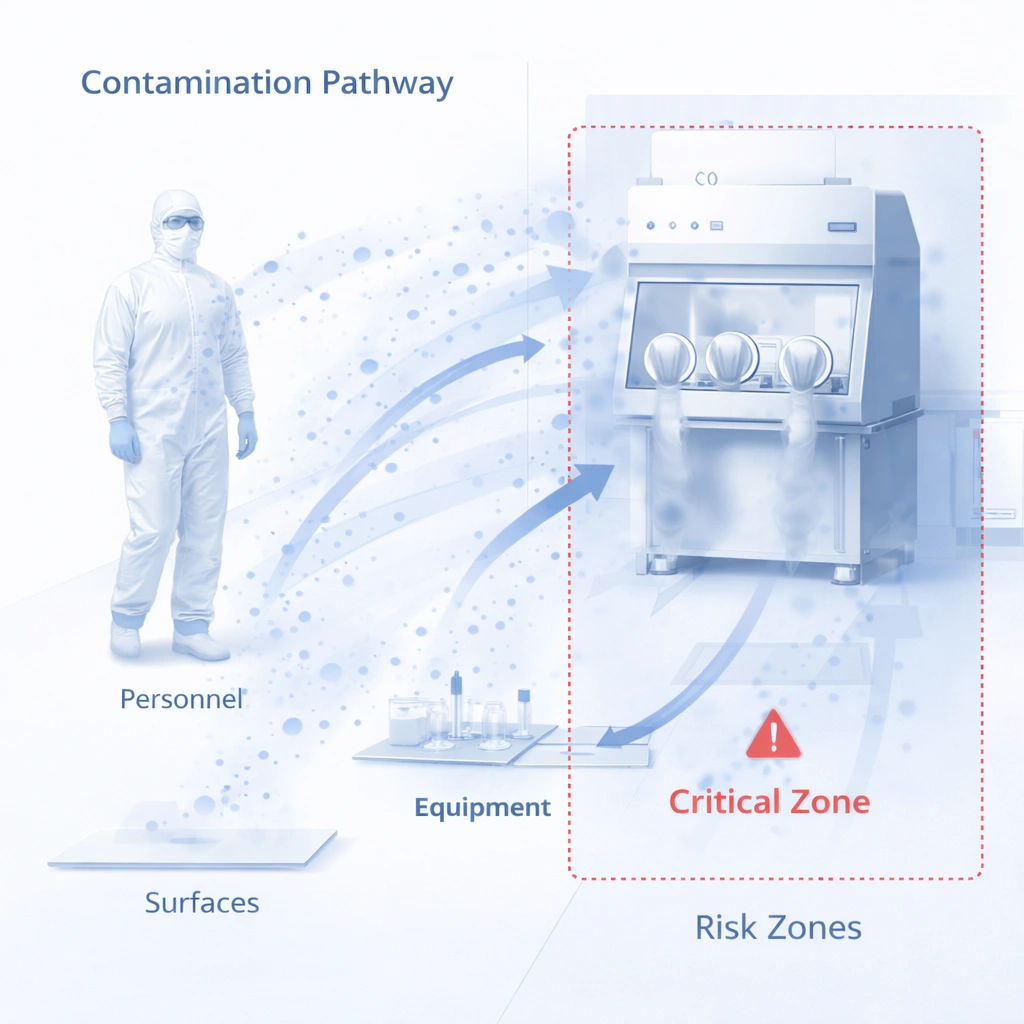
Практическая система MOPS для чистых помещений должна охватывать более одного узкого вида деятельности. Он должен объединять людей, процессы, окружающую среду, записи и корректирующие действия в одну последовательную операционную структуру. Загруженный вами контент указывает на поведение персонала, использование оборудования, уборку, дезинфекцию и мониторинг окружающей среды как на основные процедурные области. :contentReference[oaicite:2]{index=2}
Вход, одежда, гигиена, ограничения на передвижение, поведение при вмешательстве и квалификация обучения.
Выполнение задач, обращение с оборудованием, этапы очистки, дисциплина документации и пути эскалации.
Экологический мониторинг, проверка отклонений, ответные меры аудита, оценка тенденций и последующее наблюдение CAPA.
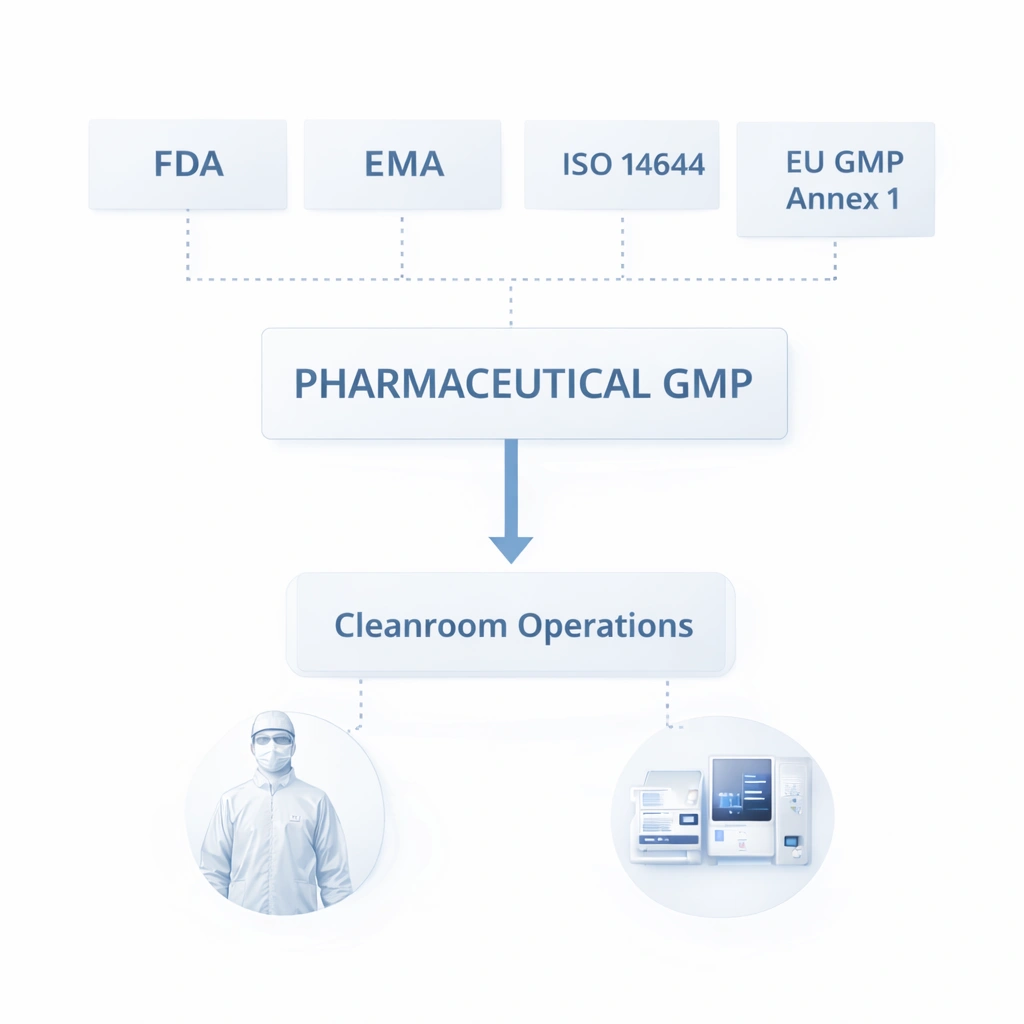
Cleanroom MOPS should align with the broader expectations of GMP, ISO-based environmental control, and site-specific quality systems. Regulatory bodies do not only expect written procedures to exist. They expect those procedures to be appropriate, current, trained, followed, documented, and reviewed.
| Область | MOPS Relevance | Почему это важно |
|---|---|---|
| Personnel Behavior | Defines gowning, movement, hygiene, and interventions | Reduces contamination introduced by human activity |
| Cleaning and Disinfection | Standardizes what, when, how, and by whom | Improves consistency and traceability of cleaning control |
| Экологический мониторинг | Defines sampling locations, frequency, action triggers, and response | Supports data-based contamination control decisions |
| Deviation Handling | Clarifies escalation, investigation, and documentation | Prevents confusion during abnormal events |
| CAPA and Review | Links investigation to procedural improvement | Supports continuous improvement and audit readiness |
The strongest procedures are designed for real execution, not just approval. Your source draft highlights key design elements such as scope, purpose, responsibilities, operating steps, quality standards, and deviation handling. :contentReference[oaicite:3]{index=3}
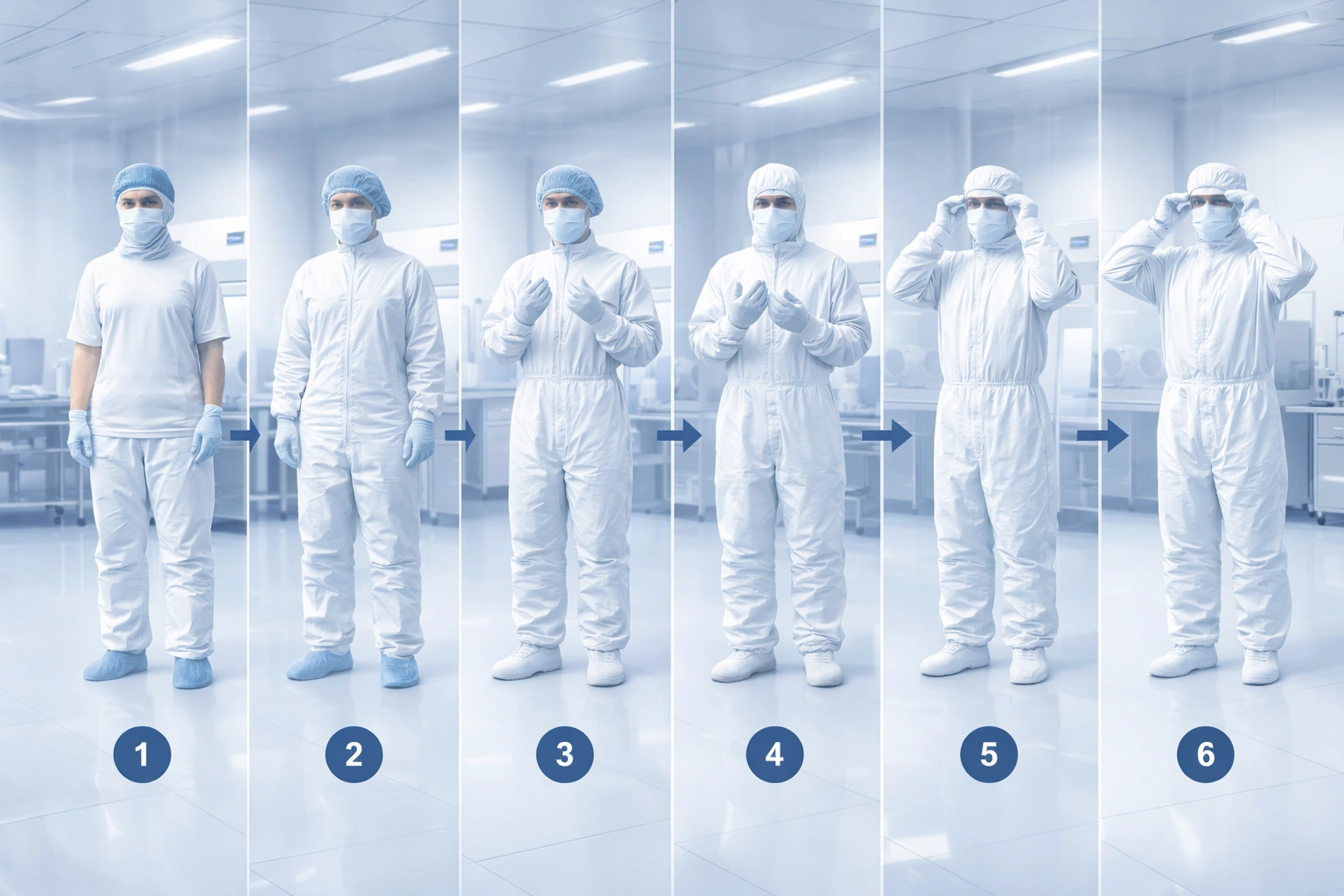
Gowning is one of the clearest examples of why cleanroom MOPS matter. Even strong facility design cannot compensate for inconsistent entry behavior. A strong gowning MOPS should define garment sequence, hand hygiene expectations, entry checks, prohibited actions, and re-entry logic.
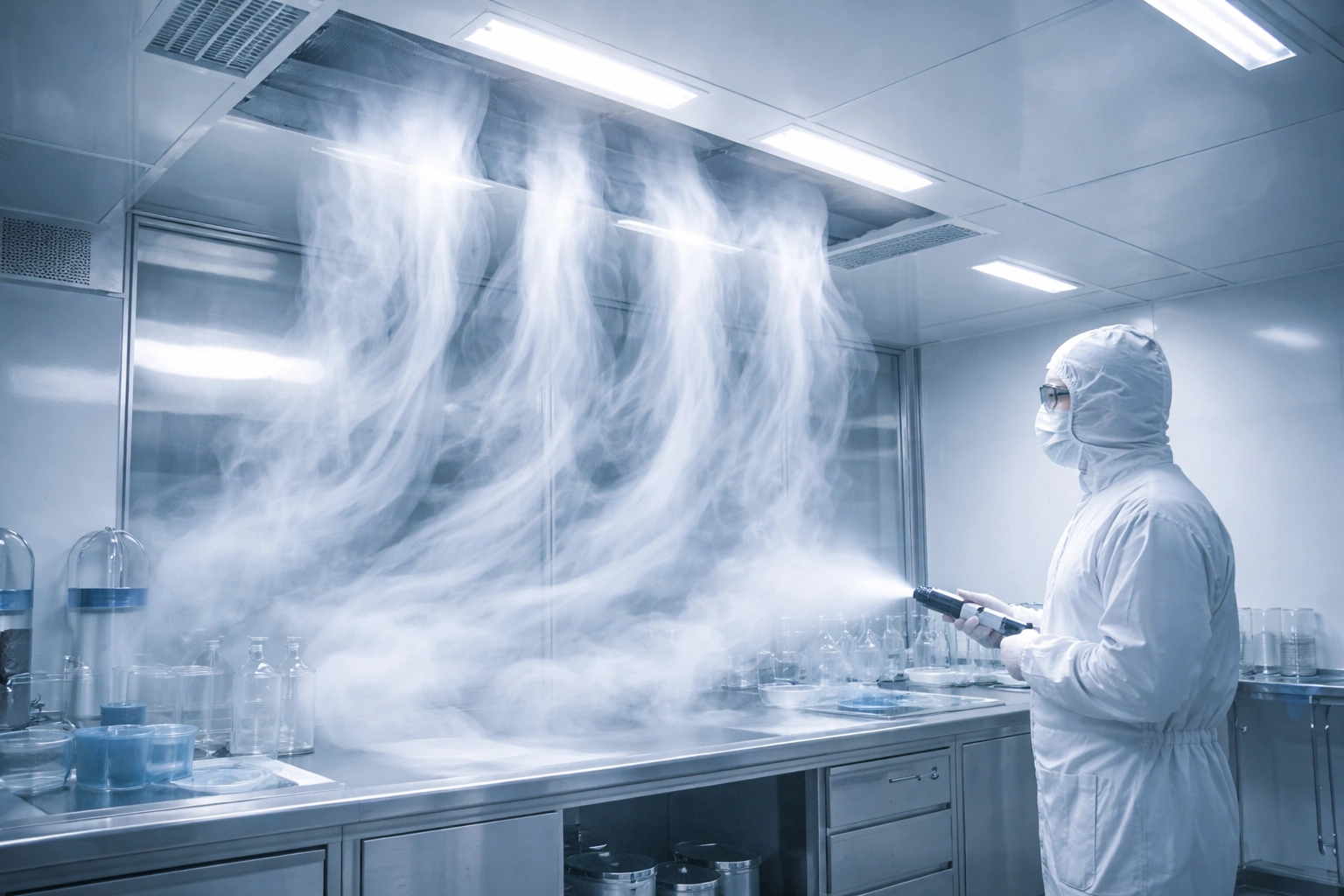
Cleanroom MOPS should also define how routine operations are performed under contamination-control expectations. This includes material handling, cleaning sequences, behavior around critical zones, monitoring steps, data review, and response thresholds.
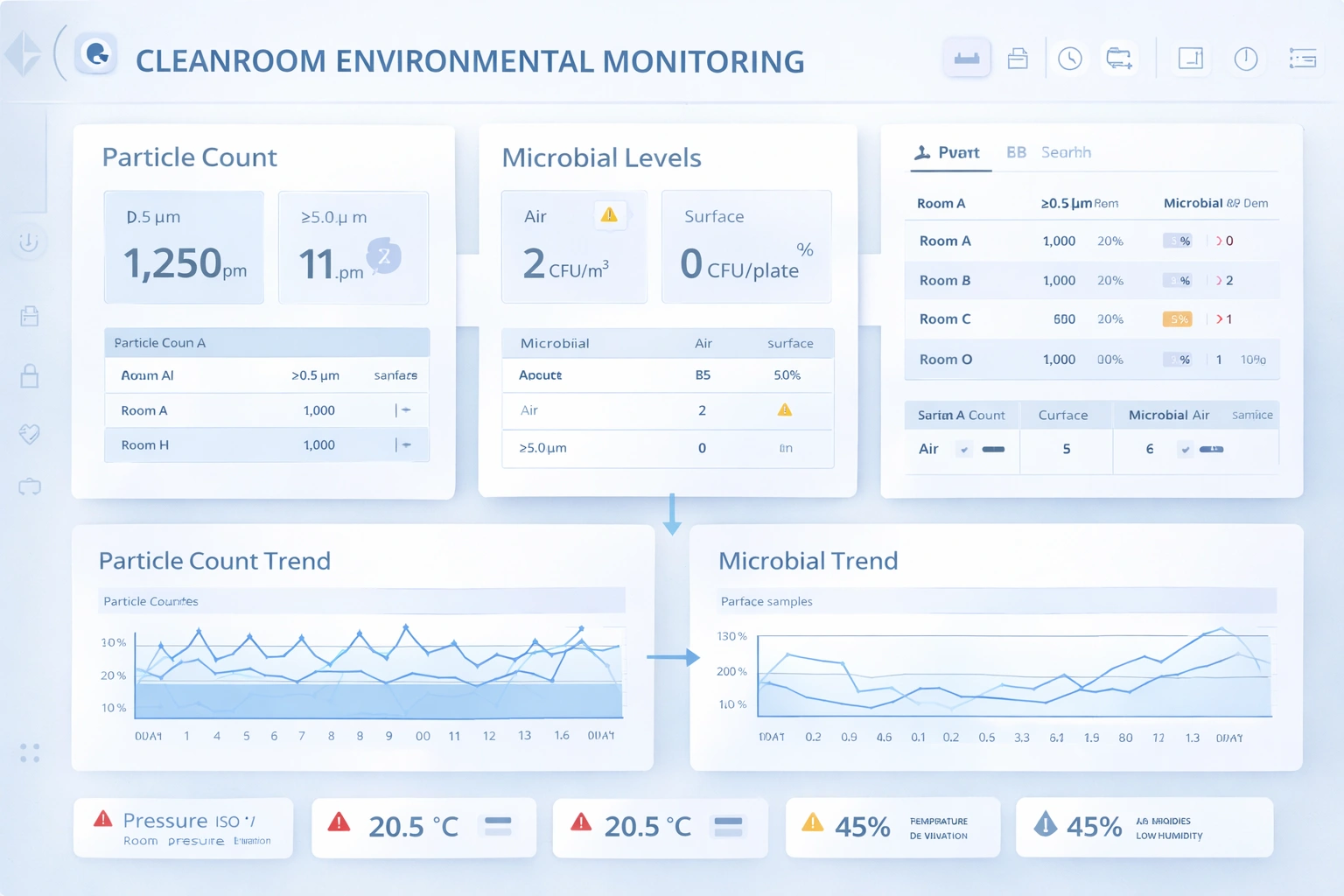
MOPS should specify when and where monitoring is performed, how results are documented, who reviews them, and how action-level events are escalated. This helps ensure that monitoring is used as an operational control rather than just a compliance report.
Standardized procedures reduce operator-to-operator variation and help align production behavior with cleaning, monitoring, and intervention control.
No cleanroom MOPS system is complete if it only describes normal operations. It must also define what happens when conditions are not normal. Your original content correctly highlights deviation handling and CAPA as essential elements of effective cleanroom procedure systems. :contentReference[oaicite:4]{index=4}
Define how personnel report, classify, contain, and document abnormal events affecting cleanroom control.
Link observations, records, monitoring results, and root-cause analysis to determine what failed and why.
Translate findings into corrective and preventive actions, then revise MOPS, training, or controls as needed.
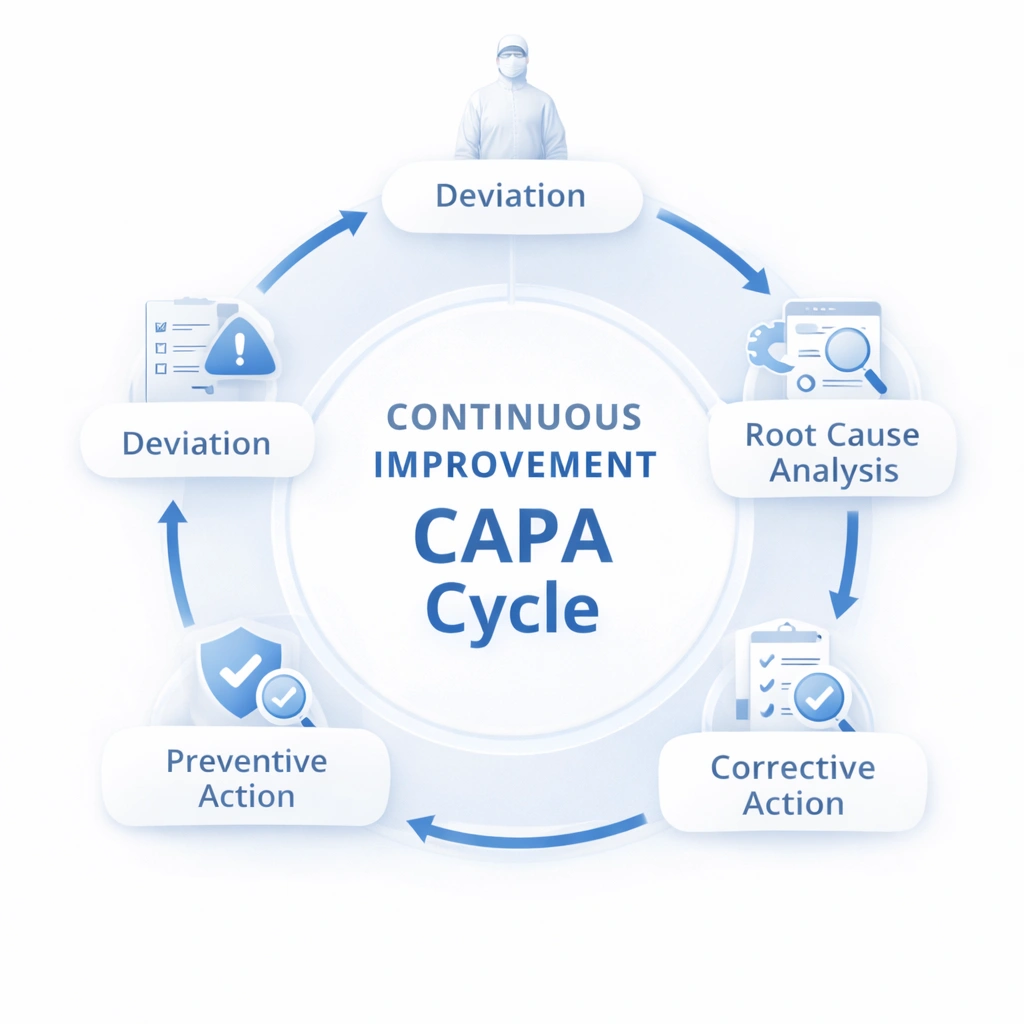
Define the procedure scope, users, risks, records, escalation points, and success criteria for each cleanroom activity.
Train personnel on both the procedural steps and the contamination-control logic behind them.
Review EM trends, deviations, internal audits, CAPA outcomes, and feedback to improve the MOPS framework over time.
Cleanroom MOPS are structured operating procedures used to control personnel behavior, cleaning, disinfection, monitoring, workflow, documentation, and deviation handling in controlled environments.
They help standardize how critical tasks are performed, reduce contamination risk, improve training consistency, and support documentation and audit readiness.
A practical system should include personnel entry procedures, gowning rules, cleaning and disinfection steps, monitoring procedures, deviation handling, and CAPA-linked review.
Effectiveness is typically reviewed through training qualification, audit results, environmental monitoring trends, deviation analysis, and CAPA closure performance.
Review frequency depends on site procedure and risk, but procedures should be revisited after significant process changes, audit findings, repeated deviations, or quality system updates.
Midposi поддерживает регулируемых покупателей, предоставляя расходные материалы для чистых помещений и ориентированную на документацию коммуникацию для контролируемых сред, включая квалификационную поддержку, проверку материалов и обсуждения по контролю загрязнения.