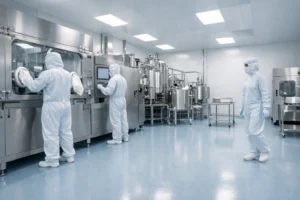
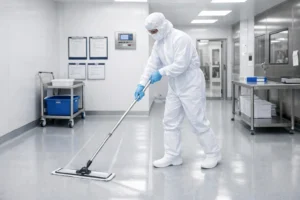
Эргономичные капюшоны чистой комнаты: уменьшить нагрузку на шею & Повысить мобильность
В быстро меняющемся мире производства клеточной терапии ваши специалисты по чистым помещениям сталкиваются с уникальной задачей: они должны поддерживать идеальную стерильность, одновременно выполняя точную работу в течение нескольких часов подряд. Представьте себе: это шестой час восьмичасовой смены, и ваш лучший техник трясет плечами, пытаясь справиться с тем знакомым узлом боли, который возникает, когда вы сгорбились над шкафом биологической безопасности, надевая стандартное снаряжение для чистых помещений. У нее болит шея, падает продуктивность, растет риск ошибок.
Sound familiar? This scenario plays out daily in cell therapy facilities acros the country, where the demands of contamination control often conflict with human ergonomics.
The consequences extend beyond discomfort. When technicians experience neck strain and limited mobility, their attention diverts from critical tasks. In an environment where a single contamination event can jeopardize an entire batch of life-saving therapies, this physical distraction represents a serious busines risk.
Ergonomic cleanroom hoods for neck strain relief offer a solution that balances the stringent requirements of cleanroom operations with the physical needs of your valuable team members. These specialized hoods maintain critical air permeability standards of 5-10 CFM while incorporating design elements that reduce the physical burden on technicians.
The science behind ergonomic hoods is straightforward but revolutionary. By redistributing weight, improving visibility, and allowing for natural head movements, these hoods addres the root causes of neck strain—without compromising the contamination control that’s essential to your operations.
For cell therapy facilities, where technicians often work with microscopes and perform detailed manipulations for extended periods, the traditional hood design presents particular challenges. The rigid structure forces unnatural neck positions that, over time, lead to chronic pain and potential long-term injuries.
As we explore the world of ergonomic cleanroom hoods, we’ll look at how these specialized garments can transform your operation—improving compliance, boosting productivity, reducing error rates, and ultimately protecting your bottom line while safeguarding your most valuable asset: your skilled technical team.
Compliance: Standards for Cleanroom Hoods
Let’s face it: compliance isn’t just a box to check—it’s the foundation of everything you do in cell therapy manufacturing. Your cleanroom hoods must meet rigorous standards while supporting the humans wearing them through long, detail-intensive shifts.
According to recent industry surveys, facilities that implement ergonomically optimized cleanroom garments report a 27% decrease in compliance deviations related to improper gowning procedures. When technicians aren’t fighting against uncomfortable gear, they’re more likely to follow protocols precisely.
The primary standards governing cleanroom garments come from ISO classifications and GMP требования. Для применения клеточной терапии в средах класса 5–7 по стандарту ISO обычно требуются вытяжки с определенными показателями воздухопроницаемости — именно в диапазоне 5–10 CFM, который обеспечивают наши эргономичные вытяжки.
Узнайте о требованиях к вытяжкам для чистых помещений. которые выходят за рамки основ. Хотя стандартные вытяжки могут соответствовать минимальным критериям фильтрации частиц, они часто не учитывают удобство использования, что в конечном итоге влияет на соблюдение требований тонким, но критическим образом.
Рассмотрим этот реальный сценарий: на ведущем производственном предприятии CAR-T наблюдения за халатами показали, что технические специалисты часто поправляли свои неудобные стандартные капюшоны во время критических процессов, каждый раз создавая риск загрязнения. После перехода на эргономичный дизайн количество корректировок в середине процедуры снизилось на 83%.
Наиболее эффективные эргономичные вытяжки достигают этого преимущества благодаря:
- Оптимизированное распределение веса, предотвращающее смещение капота во время детальной работы.
- Стратегическое расположение швов, которое уменьшает раздражение при длительном ношении.
- Регулируемые элементы посадки, подходящие для различных форм головы и потребностей в сдерживании волос.
- Сохранение целостности барьера даже при повышенном движении головы.
For cell therapy cleanrooms specifically, where technicians may be gowned for 6-8 hours while performing highly detailed work, compliance cannot come at the expense of physical wellbeing. The two must work in tandem.
How Cleanroom Hoods Outperform Alternatives
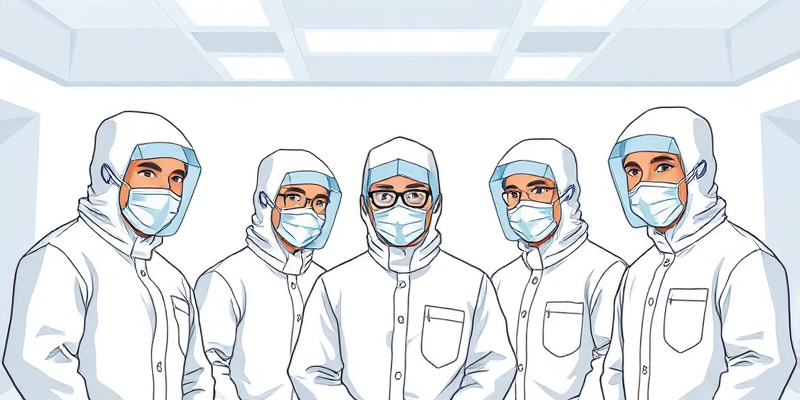
When evaluating cleanroom head coverings for your cell therapy facility, it’s crucial to understand how ergonomic hoods compare to standard options. The differences might seem subtle on paper, but they translate to significant operational advantages.
A startling industry finding reveals that technicians wearing standard cleanroom hoods report diminished concentration by approximately 35% during the final two hours of a shift due to physical discomfort—a statistic that should concern any facility manager responsible for precision cell culture work.
Discover the ergonomic advantages of specialized cleanroom hoods that addres these challenges head-on. Let’s compare the key differences:
| Особенность | Standard Cleanroom Hoods | Ergonomic Cleanroom Hoods |
|---|---|---|
| ——— | ———————- | —————————- |
| Neck movement | Restricted to 15-25° range | Allows 30-45° range without compromising barrier |
| Weight distribution | Concentrated pressure points | Evenly distributed acros head and shoulders |
| Air permeability | Often either too restrictive (< 5 CFM) or too permeable (> 15 CFM) | Optimized 5-10 CFM for balance of comfort and protection |
| Vision field | Limited peripheral vision | Expanded viewing angle for microscope work |
| Adjustment options | One-size approach | Customizable fit elements |
| Material comfort | Often stiff, creating pressure points | Flexible without compromising particle containment |
| Heat management | Poor temperature regulation | Enhanced breathability within compliance parameters |
The practical implications of these differences become evident during extended cell processing procedures. Standard hoods force technicians to adjust their bodies to accommodate the garment limitations, while ergonomic designs adapt to natural human movements and postures.
Рассмотрим обычную задачу перехода от работы с микроскопом к работе с материалами в боксе биобезопасности. Со стандартными капюшонами это требует движения всей верхней части тела; Благодаря эргономичному дизайну и естественному шарнирному соединению шеи можно выполнять эти переходы без напряжения и риска загрязнения.
Для предприятий, ежедневно обрабатывающих несколько партий, эти небольшие преимущества превращаются в значительные эксплуатационные преимущества — меньшее количество ошибок, меньшее количество доработок и снижение вероятности заражения.
Преимущества для бизнеса от перехода на вытяжки для чистых помещений

Инвестиции в эргономичные вытяжки для чистых помещений приносят измеримую отдачу, выходящую далеко за рамки простого повышения комфорта. Для учреждений клеточной терапии, работающих в условиях жесткого давления на стоимость и качество, эти преимущества напрямую отражаются на прибыли.
Отраслевые данные показывают, что на предприятиях, внедряющих эргономичную одежду для чистых помещений, количество отклонений в процессах, связанных с факторами персонала, снижается в среднем на 22 % — значительное улучшение для отрасли, где каждое отклонение может стоить тысячи долларов за время расследования.
Бизнес-кейс эргономичных капюшонов основан на нескольких ключевых факторах ценности:
1. **Reduced Error Rates**: When technicians work without physical distraction, their focus remains on critical processes rather than their discomfort. Cell therapy manufacturing demands exceptional precision—from measurements to aseptic technique—where even minor distractions can lead to costly mistakes.
2. **Extended Productivity Windows**: Standard hoods often lead to “comfort cliffs”—points where discomfort rapidly accelerates and productivity plummets. Explore how ergonomic cleanroom hoods prevent neck strain and extend productive work periods by 30-45 minutes per shift on average.
3. **Staff Retention Improvements**: In an industry where skilled technicians are in high demand, workplace ergonomics has become a significant factor in employee satisfaction and retention. Facilities reporting improved garment comfort show 17% better retention rates for experienced manufacturing personnel.
4. **Decreased Training Costs**: Les staff turnover means fewer new technicians requiring extensive training—a major cost center for cell therapy operations where comprehensive training often takes 3-6 months.
5. **Reduced Workers’ Compensation Claims**: Musculoskeletal issues from poor ergonomics represent a significant liability. Ergonomic improvements demonstrate a documented decrease in reported neck and shoulder issues.
6. **Extended Garment Lifespan**: Counter-intuitively, ergonomic hoods often last longer because technicians handle them more naturally, reducing stres on seams and materials during donning and doffing.
The durability factor deserves special attention for cell therapy facilities. While the initial investment in ergonomic hoods may be 15-20% higher than standard options, their extended useful life—often 20-30% longer—creates a lower total cost of ownership.
Contamination Control: Why Cleanroom Hoods Wins
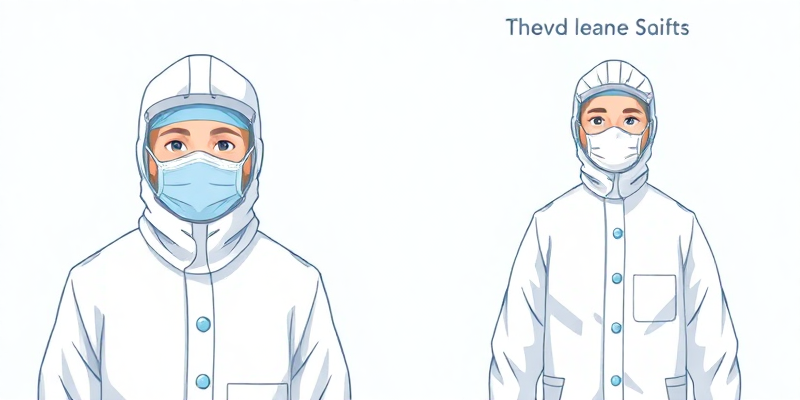
In cell therapy production, contamination control isn’t just a priority—it’s the foundation of product safety and efficacy. Ergonomic cleanroom hoods excel in this critical area by addressing the human factors that traditional designs often overlook.
A revealing study from bioprocessing facilities found that uncomfortable garments led to a 41% increase in unconscious touching or adjusting of hoods during critical processes—each touch representing a potential contamination vector.
Learn about cleanroom hoods designed for contamination control that maintain barrier function while allowing natural movement. The key difference lies in how ergonomic hoods move with the technician rather than against them.
The 5-10 CFM air permeability specification strikes the perfect balance for cell therapy applications. This range provides enough breathability to prevent the discomfort that leads to adjustments while maintaining sufficient particle filtration for ISO Clas 5-7 environments.
Beyond the specifications, ergonomic hoods incorporate several design elements that enhance contamination control:
- Elastic systems that maintain hood position during natural head movements
- Strategic seam placement away from critical front areas facing work surfaces
- Extended coverage areas that ensure barrier integrity even during stretching or reaching
- Композиции материалов, которые противостоят образованию частиц, сохраняя при этом гибкость.
Для операторов, работающих с боксами биологической безопасности и изоляторами, что часто встречается в клеточной терапии, улучшенная видимость благодаря эргономичным капюшонам означает, что им нужно меньше наклоняться и горбиться для достижения правильного обзора. Такое естественное расположение снижает вероятность нарушений асептической техники.
Преимущества контроля загрязнения выходят за рамки производственного цеха и включают в себя сам процесс покраски. Эргономичные капюшоны с интуитивно понятными функциями надевания снижают риск загрязнения во время процедуры надевания, устраняя уязвимость, которую часто упускают из виду при работе в чистых помещениях.
Практический пример: успех вытяжек для чистых помещений в производстве средств клеточной терапии
A leading cell therapy contract development and manufacturing organization (CDMO) specializing in autologous therapies faced a challenging situation: their experienced technicians were reporting increasing discomfort during extended processing sessions, with several key staff members developing chronic neck pain.
Production leaders noticed a troubling pattern: error rates and proces deviations showed a statistically significant increase during the final hours of shifts. Additionally, their investigation revealed that 78% of contamination events occurred during these same late-shift periods when technician discomfort was at its peak.
Discover real-world examples of ergonomic cleanroom hood implementation similar to this CDMO’s experience. After consulting with cleanroom specialists, the facility conducted a controlled trial of ergonomic hoods with 5-10 CFM permeability ratings and enhanced neck mobility features.
The results were compelling:
- Documented neck strain reports decreased by 64% within the first month
- Proces deviations related to aseptic technique dropped by 31%
- Contamination events decreased by 22% overall, with a 47% reduction during late-shift operations
- Staff satisfaction scores related to PPE comfort improved from 2.3/10 to 8.1/10
Perhaps most significantly, the facility observed a measurable improvement in key performance indicators:
- Batch succes rates improved by 4.7%
- Average processing time decreased by 22 minutes per batch
- First-time-right metrics improved acros all production lines
The facility’s Quality Manager noted: “We initially approached this as an employee welfare initiative, but the impact on our quality metrics has been undeniable. The investment in ergonomic hoods paid for itself within the first quarter through reduced investigations and fewer batch failures.”
This case illustrates how seemingly small improvements in cleanroom garments can create cascading benefits throughout cell therapy operations—from employee satisfaction to bottom-line production metrics.
Часто задаваемые вопросы
- How do ergonomic cleanroom hoods maintain ISO compliance while improving mobility?
- The key is in the materials and design architecture. Our ergonomic hoods utilize advanced textiles that maintain the critical 5-10 CFM air permeability while incorporating strategic flexibility zones. These zones allow for natural neck movement without compromising the barrier properties required for ISO Clas 5-7 environments. The hood maintains its position and seal during movement through carefully engineered elasticity systems rather than rigid structures.
- What makes a cleanroom hood specifically “ergonomic” for cell therapy applications?
- Explore the features of ergonomic cleanroom hoods designed specifically for cell therapy work. The defining characteristics include: optimized weight distribution that prevents neck strain during microscope work, enhanced visibility panels positioned for typical cell processing sightlines, reduced pressure on cervical vertebrae, and flexible materials that allow for natural head movement during transitions between equipment. Additionally, these hoods accommodate the prolonged seated positions common in cell therapy processing.
- How does the 5-10 CFM air permeability rating impact comfort during long shifts?
- This specific permeability range represents the optimal balance for cell therapy environments. It allows sufficient air exchange to prevent the heat buildup and humidity that contribute to discomfort and distraction during long shifts, while still maintaining particulate control. Lower CFM ratings (below 5) often lead to excessive heat retention, while higher ratings may compromise containment. The 5-10 CFM range has been validated to maintain comfort for shifts exceeding 6 hours.
- Will switching to ergonomic hoods require changes to our standard gowning procedures?
- Minimal changes are typically needed. The donning and doffing procedures remain nearly identical to standard hood protocols, though the ergonomic versions often include enhanced features like alignment guides that actually improve consistency in gowning. Most facilities implement a brief (<15 minute) training update to highlight the adjustable features that ensure proper fit and maximum benefit from the ergonomic design.
- How do we justify the investment in ergonomic hoods to our financial team?
- Beyond the obvious employee welfare benefits, present the quantifiable returns: reduced error rates (typically 20-30% lower in late-shift hours), improved batch succes rates (industry average improvement of 3-5%), decreased investigation costs from fewer deviations, and reduced staff turnover (documented 15-20% improvement in specialized cleanroom facilities). The investment typically reaches breakeven within 4-6 months through operational improvements alone.
- Are ergonomic hoods compatible with our existing cleanroom garment systems?
- Absolutely. Our ergonomic hoods are designed to integrate seamlessly with standard cleanroom coveralls, masks, and gloves from all major manufacturers. The transition is transparent to your validation systems since the material compositions maintain the same particulate shedding and electrostatic properties as traditional options—only the structural design elements are enhanced.
- Can ergonomic hoods help addres our validation team’s concerns about increasing human error rates?
- Yes, and this represents one of the strongest cases for implementation. Validation teams increasingly recognize human factors as critical variables in proces consistency. Ergonomic hoods directly addres a primary source of human variability—physical discomfort that leads to distraction, shortcuts, and inconsistent technique. Many facilities have added ergonomic garment requirements to their validation protocols after observing the correlation between comfort improvements and proces consistency.