Мониторинг нежизнеспособных частиц
Particle counters help identify airflow instability, operator impact, HVAC drift, or poor cleaning execution before visible failures occur.

Центр знаний для чистых помещений Midposi
A practical guide for pharmaceutical, biotech, QA, validation, and cleanroom operations teams on environmental monitoring strategy, alert thresholds, trend analysis, investigation workflows, and regulatory control under GMP and Annex 1.
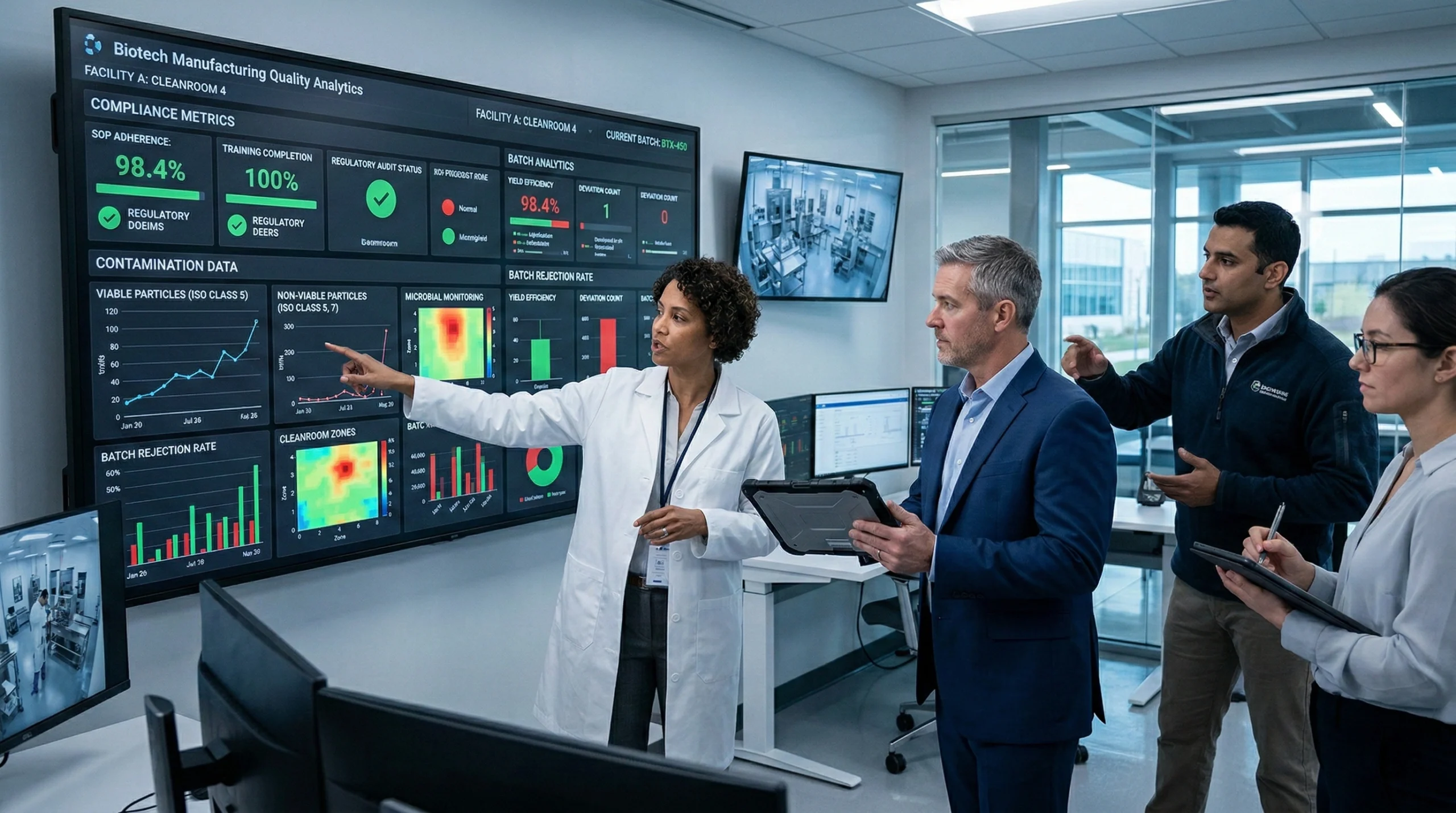
Мониторинг окружающей среды в чистых помещениях и управление оповещениями is the GMP-controlled system used to measure, trend, and respond to non-viable particles, viable contamination, differential pressure, temperature, and humidity in pharmaceutical cleanrooms. Its purpose is to detect drift early, trigger timely investigation, and maintain a validated state of contamination control.
Environmental monitoring is not just a recordkeeping task. In regulated cleanrooms, it is part of the contamination control strategy and provides ongoing evidence that the room, people, airflow, and process remain within validated conditions.
A strong environmental monitoring program supports product quality, reduces deviation risk, improves audit readiness, and helps teams detect contamination trends before they develop into batch-impacting events.
If your team is also reviewing cleaning execution and contamination control tools, it is useful to connect this topic with Midposi’s related resources such as руководство по СОП для чистых помещений, системы швабр для чистых помещений, и Документация по СОП для мытья чистых помещений.
Particle counters help identify airflow instability, operator impact, HVAC drift, or poor cleaning execution before visible failures occur.
Active air samples, settle plates, contact plates, and surface sampling verify microbial control and confirm whether the cleanroom remains in an acceptable state.
Pressure differentials help prevent contamination migration between areas and support barrier control between higher- and lower-risk zones.
Stable environmental conditions support process control, operator comfort, material performance, and overall cleanroom consistency.

Environmental monitoring becomes operationally useful only when alert levels are linked to clear ownership, response time, investigation steps, and documentation requirements.
Происходит дрейф параметров. Просмотрите динамику данных и задокументируйте событие.
Расследование начинается. Проверьте сигнал, просмотрите недавнюю активность и оцените зону воздействия.
Немедленно обострите ситуацию. Оцените влияние продукта, недавние вмешательства и риск загрязнения.
Инициировать официальную обработку отклонений, их локализацию и документированный анализ первопричин.
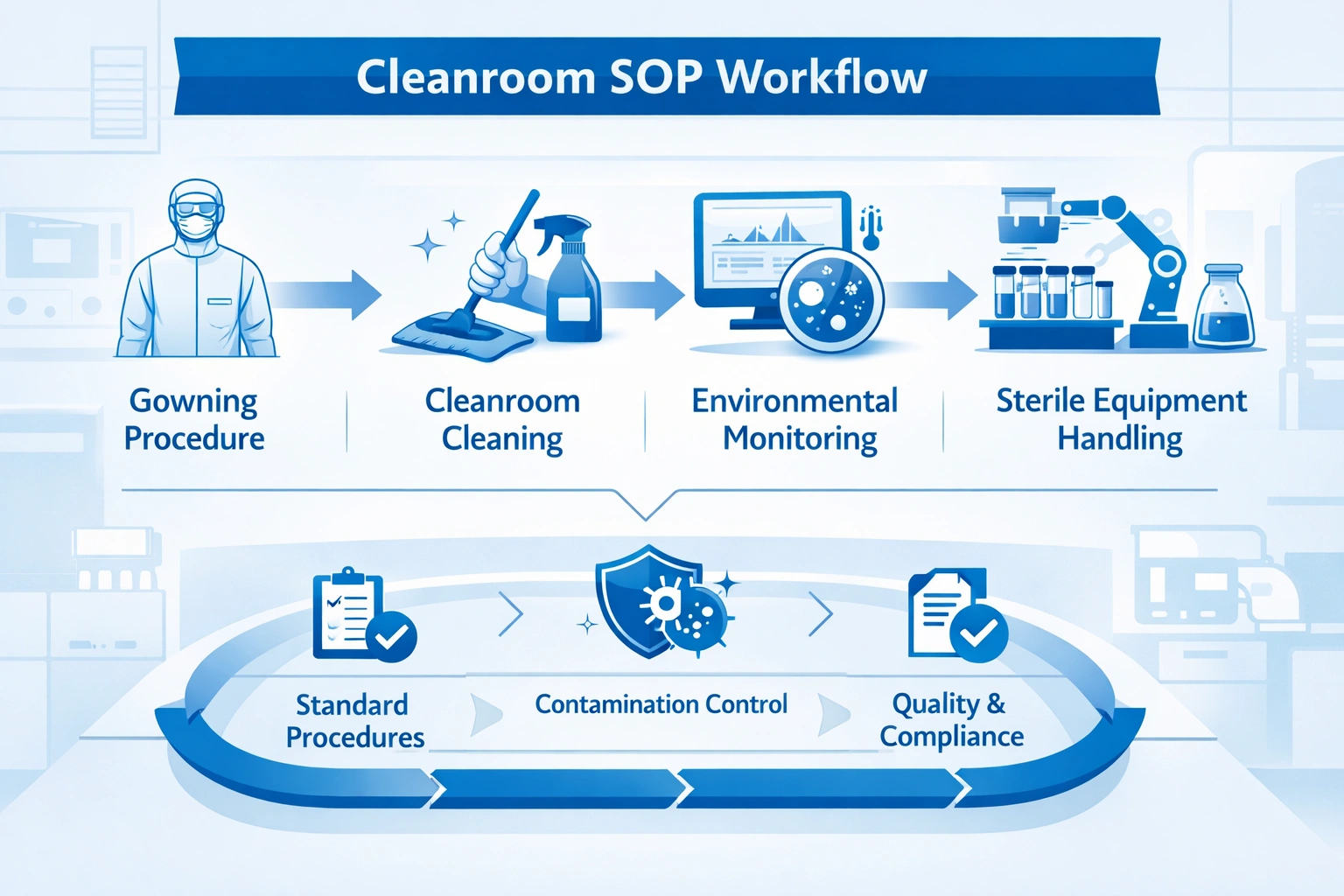
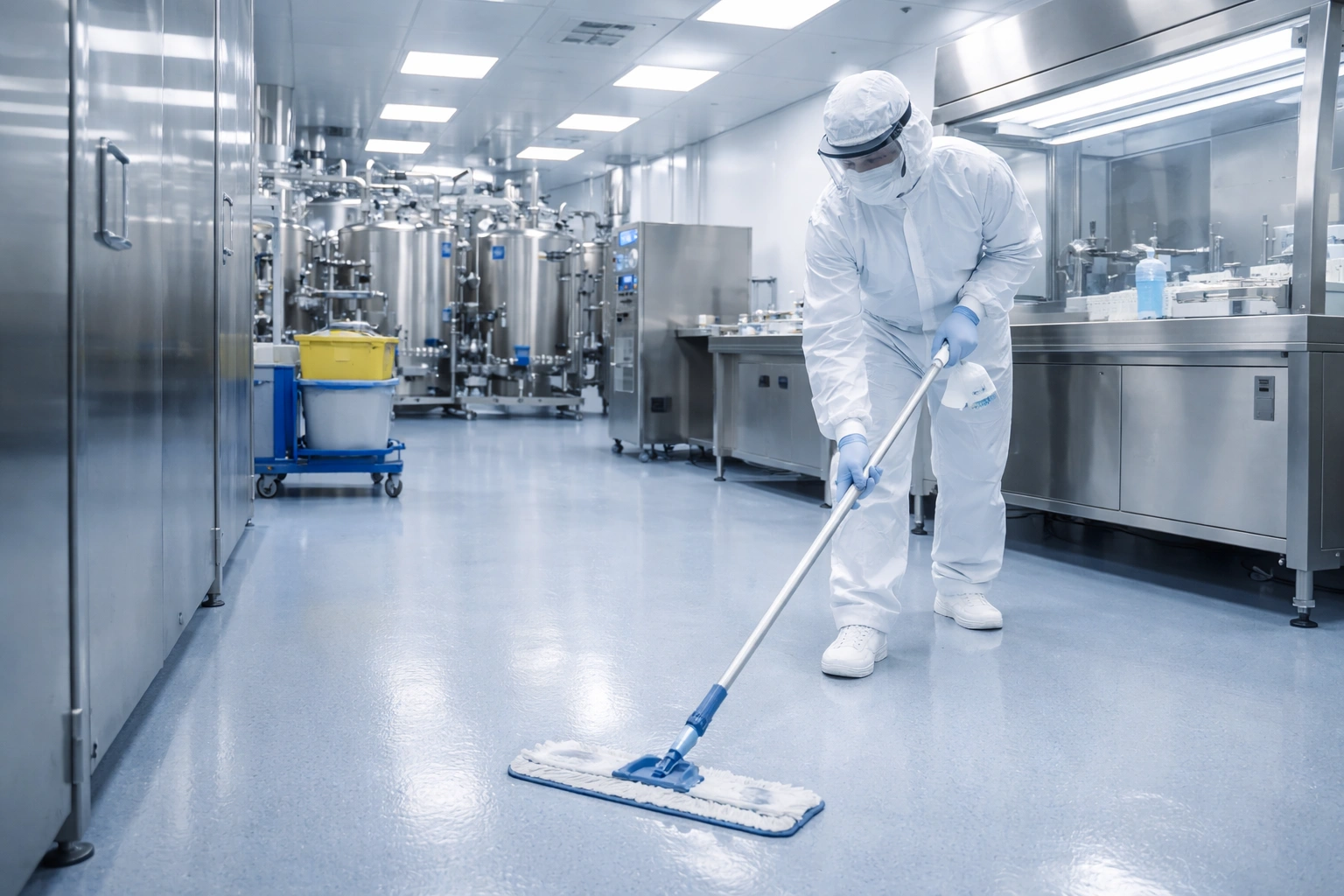
Environmental monitoring investigations often lead teams back to cleaning execution. Repeated excursions can indicate poor wipe-down discipline, incorrect mop path, incompatible disinfectant use, residue issues, or weak cleanroom consumable performance.
Вот почему эта статья должна быть внутренне связана с:
Слишком большое количество малозначимых предупреждений может привести к тому, что команды будут медленно реагировать на значимые отклонения.
Данные могут собираться и архивироваться, но не анализироваться таким образом, чтобы выявить повторяющиеся модели риска.
Если право собственности не определено, время реагирования и качество расследования будут различаться в зависимости от смены.
Мониторинг, очистка СОП, валидация и CAPA часто существуют отдельно, а не функционируют как одна система контроля.
If your team is improving excursion response, revising monitoring SOPs, or tightening contamination control, connect environmental monitoring with validated cleanroom consumables and standardized cleaning execution.
Обзор Midposi’s руководство по использованию швабры в чистых помещениях и Руководство по СОП для мытья полов в чистых помещениях чтобы согласовать эффективность мониторинга с реальной практикой чистых помещений.