Non-Viable Particle Monitoring
Particle counters help identify airflow instability, operator impact, HVAC drift, or poor cleaning execution before visible failures occur.

Midposi Cleanroom Knowledge Hub
A practical guide for pharmaceutical, biotech, QA, validation, and cleanroom operations teams on environmental monitoring strategy, alert thresholds, trend analysis, investigation workflows, and regulatory control under GMP and Annex 1.
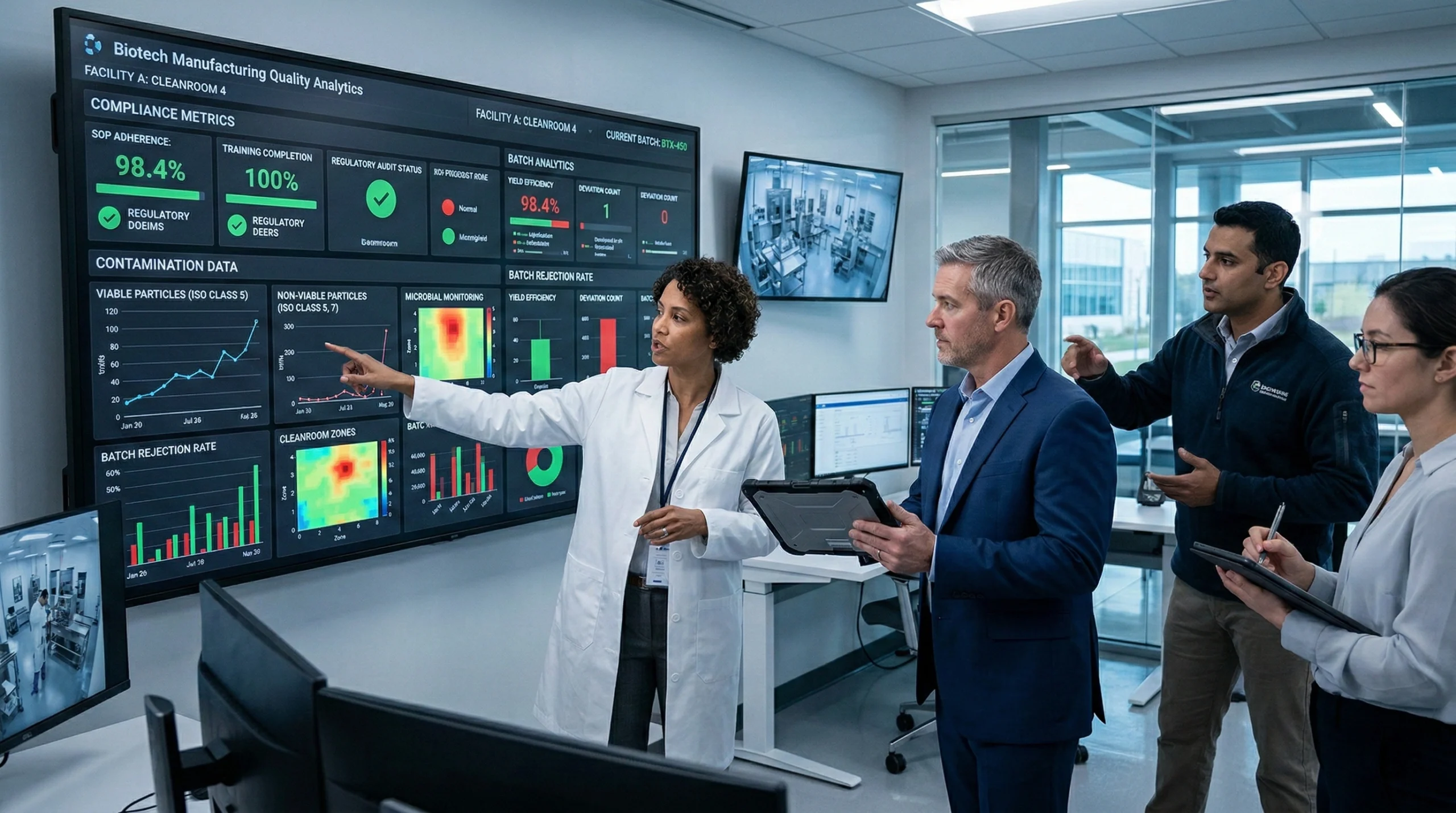
Cleanroom environmental monitoring and alert management is the GMP-controlled system used to measure, trend, and respond to non-viable particles, viable contamination, differential pressure, temperature, and humidity in pharmaceutical cleanrooms. Its purpose is to detect drift early, trigger timely investigation, and maintain a validated state of contamination control.
Environmental monitoring is not just a recordkeeping task. In regulated cleanrooms, it is part of the contamination control strategy and provides ongoing evidence that the room, people, airflow, and process remain within validated conditions.
A strong environmental monitoring program supports product quality, reduces deviation risk, improves audit readiness, and helps teams detect contamination trends before they develop into batch-impacting events.
If your team is also reviewing cleaning execution and contamination control tools, it is useful to connect this topic with Midposi’s related resources such as cleanroom SOP guidance, cleanroom mop systems, Ve cleanroom mopping SOP documentation.
Particle counters help identify airflow instability, operator impact, HVAC drift, or poor cleaning execution before visible failures occur.
Active air samples, settle plates, contact plates, and surface sampling verify microbial control and confirm whether the cleanroom remains in an acceptable state.
Pressure differentials help prevent contamination migration between areas and support barrier control between higher- and lower-risk zones.
Stable environmental conditions support process control, operator comfort, material performance, and overall cleanroom consistency.

Environmental monitoring becomes operationally useful only when alert levels are linked to clear ownership, response time, investigation steps, and documentation requirements.
Parameter drift is emerging. Review the data trend and document the event.
Investigation begins. Verify the signal, review recent activity, and assess the affected zone.
Escalate immediately. Assess product impact, recent interventions, and contamination risk.
Initiate formal deviation handling, containment, and documented root-cause analysis.
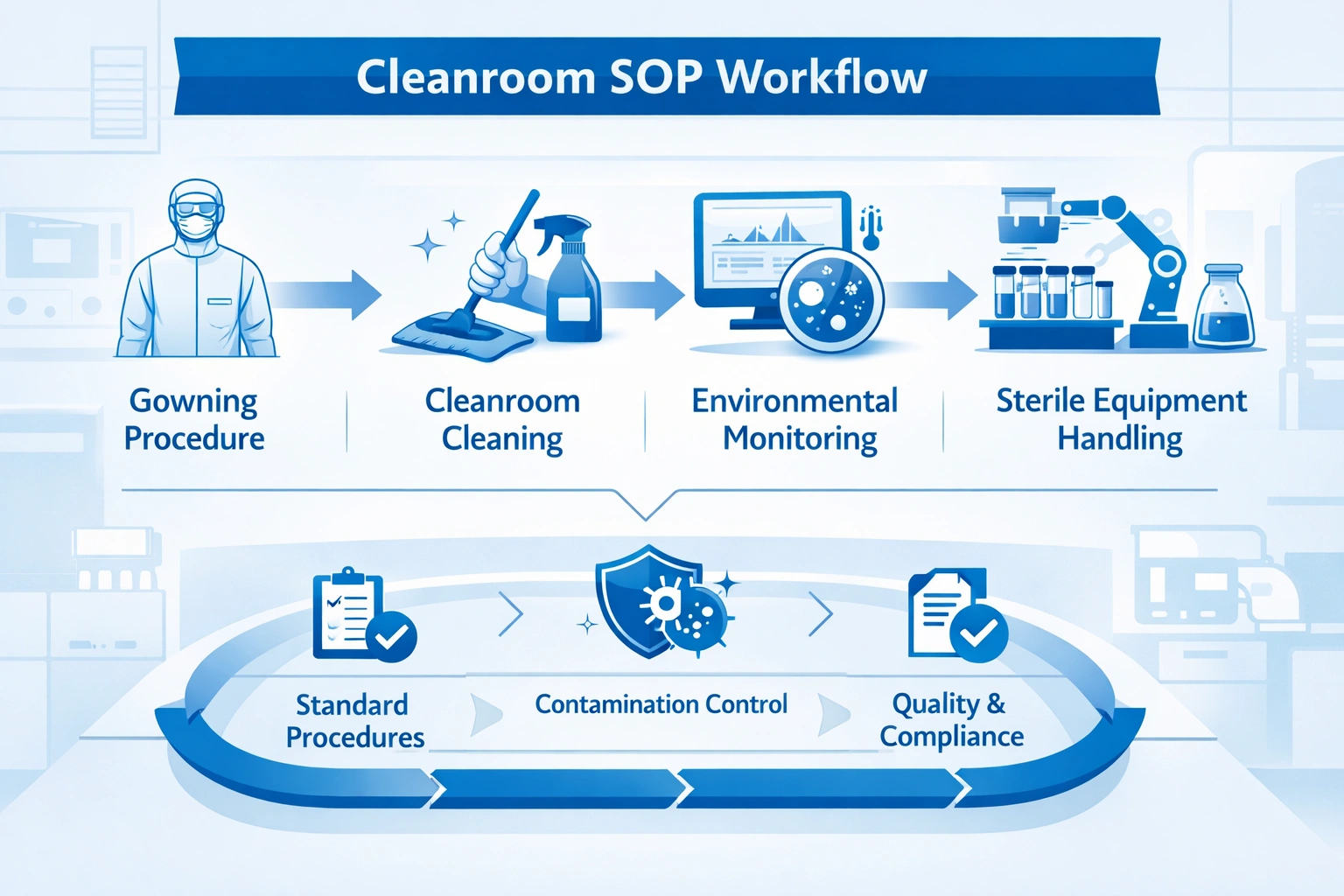
Environmental monitoring investigations often lead teams back to cleaning execution. Repeated excursions can indicate poor wipe-down discipline, incorrect mop path, incompatible disinfectant use, residue issues, or weak cleanroom consumable performance.
That is why this article should internally connect to:
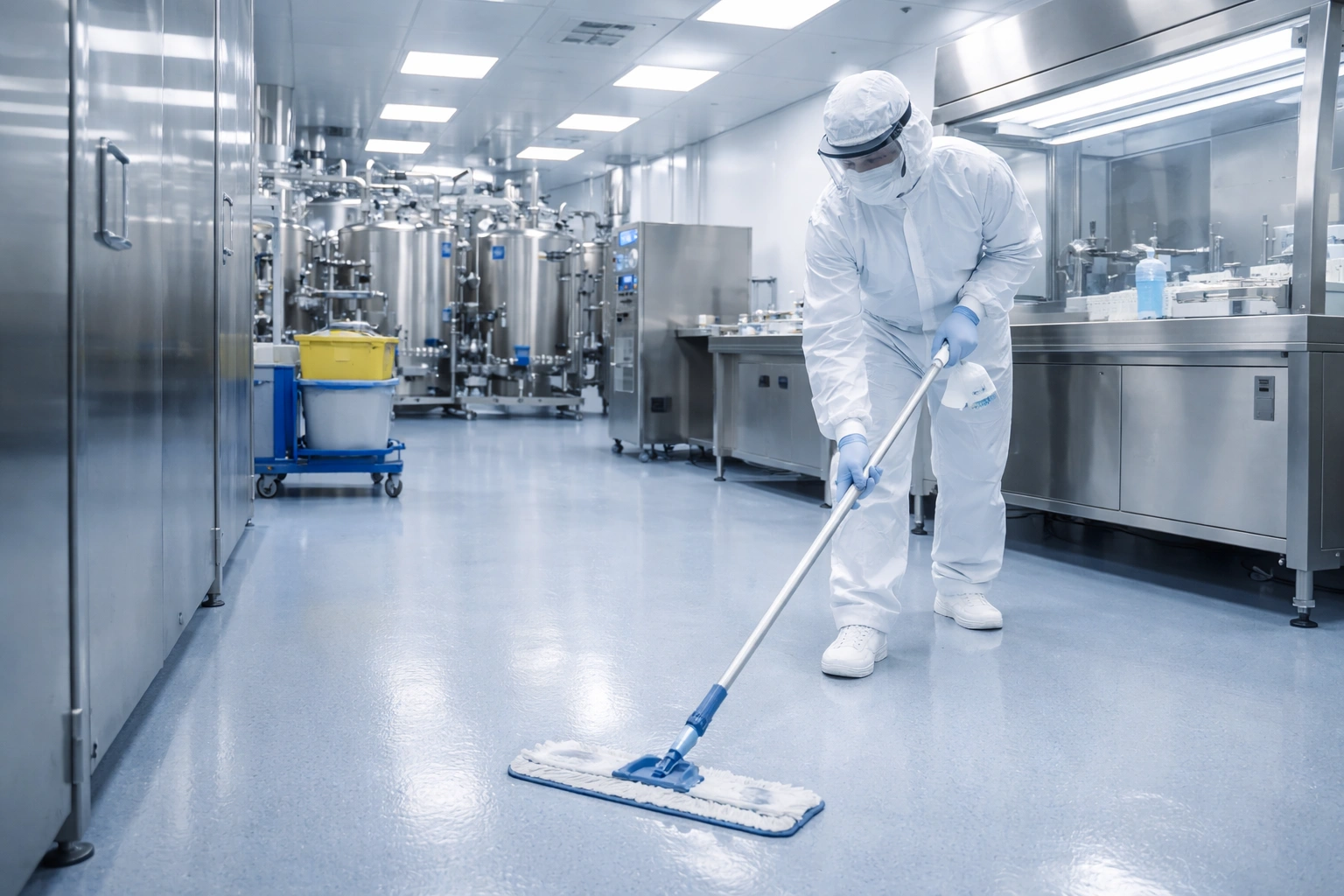
Çok fazla sayıda düşük değerli uyarı, ekiplerin anlamlı sapmalara yanıt vermesini yavaşlatabilir.
Veriler toplanabilir ve arşivlenebilir ancak yinelenen risk modellerini tanımlayacak şekilde analiz edilemez.
Sahiplik tanımlanmazsa yanıt süresi ve araştırma kalitesi vardiyalara göre değişiklik gösterecektir.
İzleme, temizleme SOP'leri, doğrulama ve CAPA genellikle tek bir kontrol sistemi olarak işlev görmek yerine ayrı ayrı bulunur.
If your team is improving excursion response, revising monitoring SOPs, or tightening contamination control, connect environmental monitoring with validated cleanroom consumables and standardized cleaning execution.
Review Midposi’s cleanroom mop guide Ve cleanroom mopping SOP guide to align monitoring performance with real cleanroom practice.