
سائٹ کنٹیمینیشن کنٹرول اسٹریٹجی (CCS) میں قابل استعمال ٹریس ایبلٹی کے انضمام پر QA مینیجرز اور توثیق انجینئرز کے لیے ایک تکنیکی حوالہ۔

جی ایم پی ریگولیٹڈ ماحول میں، کلین روم ایم او پی کو اب ایک عام افادیت کے طور پر نہیں دیکھا جاتا بلکہ ایک اہم کنٹرول شدہ ان پٹ کے طور پر دیکھا جاتا ہے۔ بیچ ٹریس ایبلٹی کلین روم ایم او پی نظام تین بنیادی کام انجام دیتا ہے:
Product-level traceability identifies a SKU; batch-level traceability identifies the specific manufacturing event. For cleanroom mops, this requires a "genealogy" that links the finished product back to the specific lot of polyester yarn or microfiber fabric used, the cleanroom laundry shift, and the specific sterilization cycle.
جب mops کو کنٹرول شدہ ان پٹ کے طور پر سمجھا جاتا ہے، تو ہر انفرادی پیکج ڈیٹا پوائنٹ ہوتا ہے۔ یہ ڈیٹا QA ٹیموں کو اس بات کی تصدیق کرنے کی اجازت دیتا ہے کہ ان کے ہاتھ میں موجود پروڈکٹ کارکردگی اور پاکیزگی کے لحاظ سے ایک جیسی ہے جس کی توثیق ابتدائی سہولت کے آغاز یا PQ (کارکردگی کی اہلیت) کے دوران کی گئی تھی۔
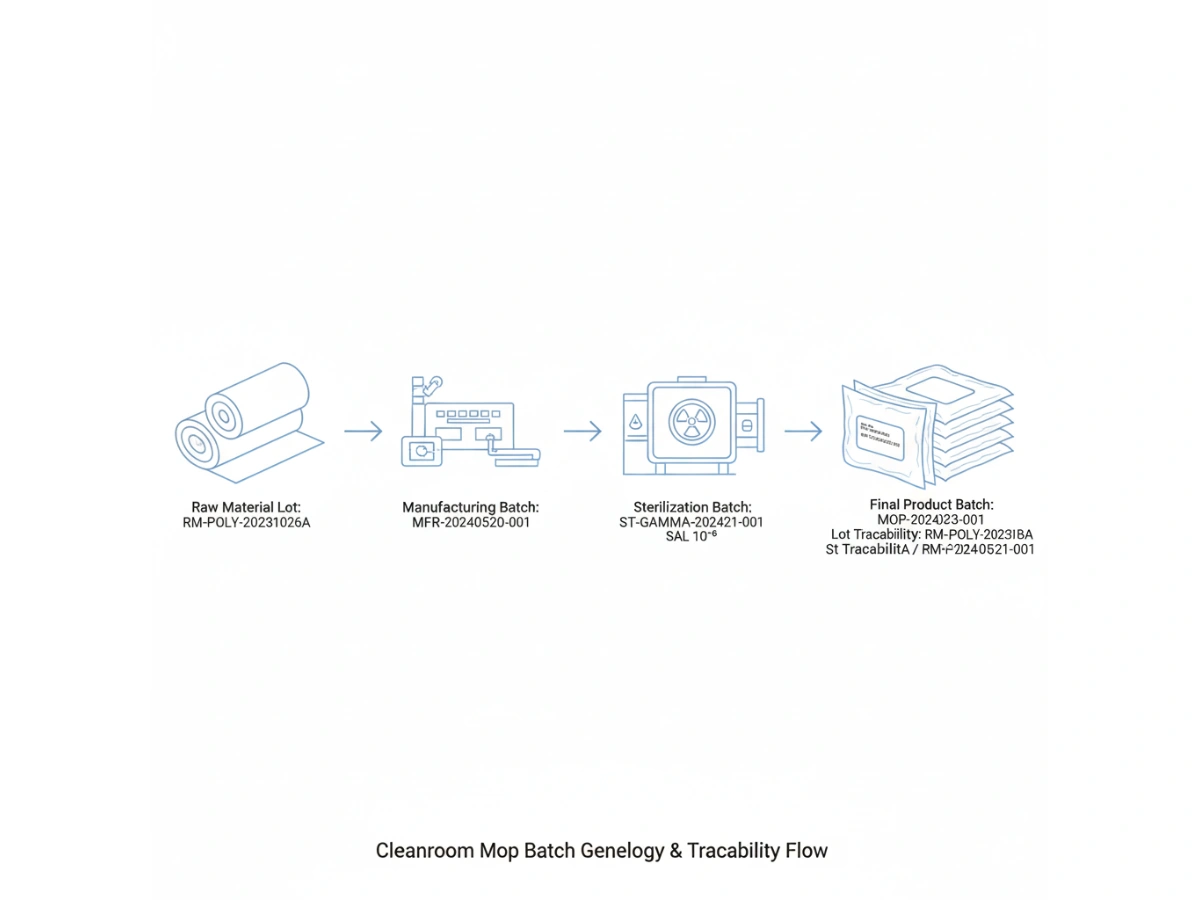
جدید GMP اصولوں کا تقاضا ہے کہ حساس سطحوں کے ساتھ رابطے میں آنے والے تمام مواد کا مکمل حساب کتاب کیا جائے۔ معائنہ کے دوران، ایک آڈیٹر پیداوار کی تاریخ کا انتخاب کر سکتا ہے اور پوچھ سکتا ہے۔ بہت ٹریسیبلٹی اس دن استعمال ہونے والے صفائی کے سامان کا۔
Expectations focus on the "Linkage of Records." An auditor will look for a seamless transition from the facility's cleaning logs to the بیچ کی سطح کی دستاویزات فراہم کنندہ کے ذریعہ فراہم کردہ۔ اگر ایک ایم او پی بیچ کو سرٹیفکیٹ آف انالیسس (COA) یا نس بندی کے ریکارڈ سے منسلک نہیں کیا جا سکتا ہے، تو پورے کلین روم سویٹ کی بانجھ پن اور صفائی پر سوال اٹھایا جا سکتا ہے۔
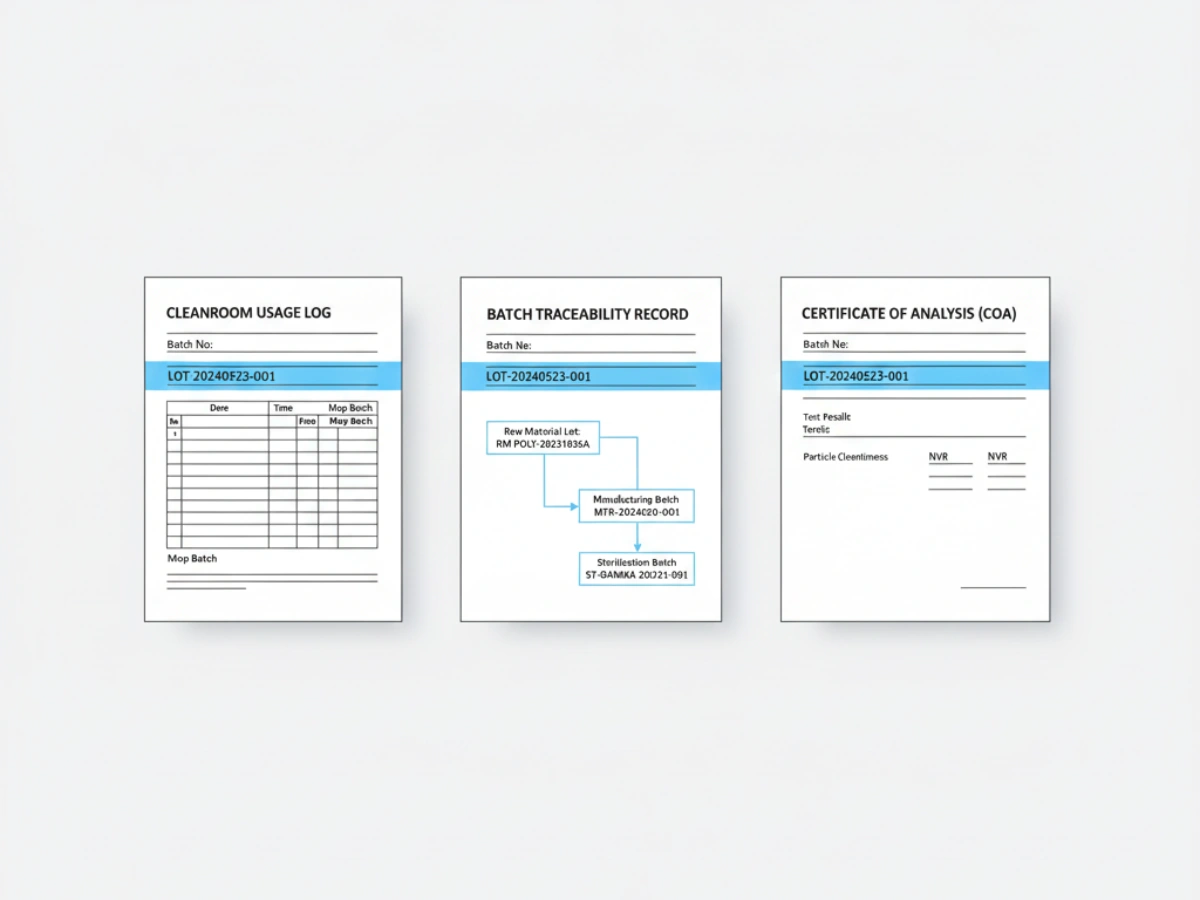
کے لیے ایک مضبوط ٹریس ایبلٹی سسٹم کلین روم استعمال کی اشیاء GMP تعمیل میں شامل ہونا چاہیے:
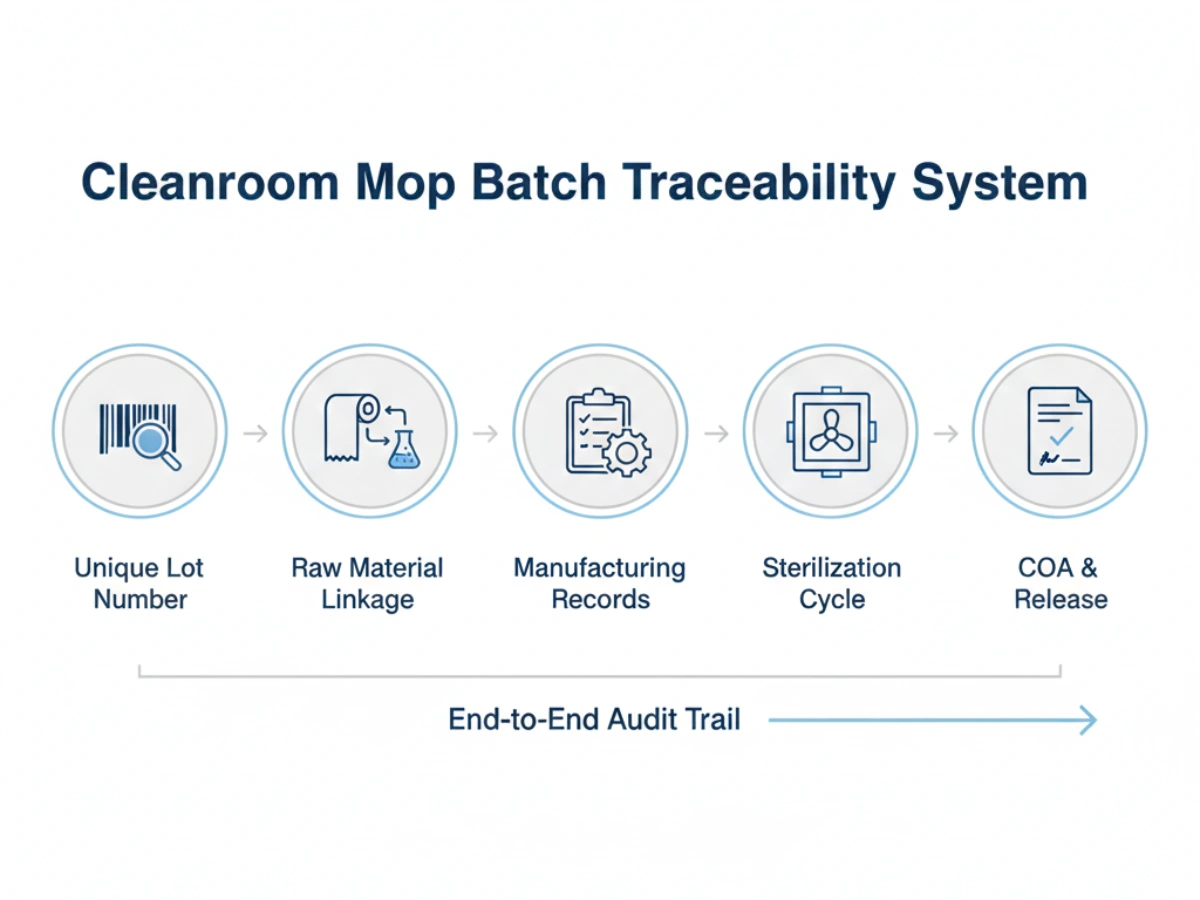
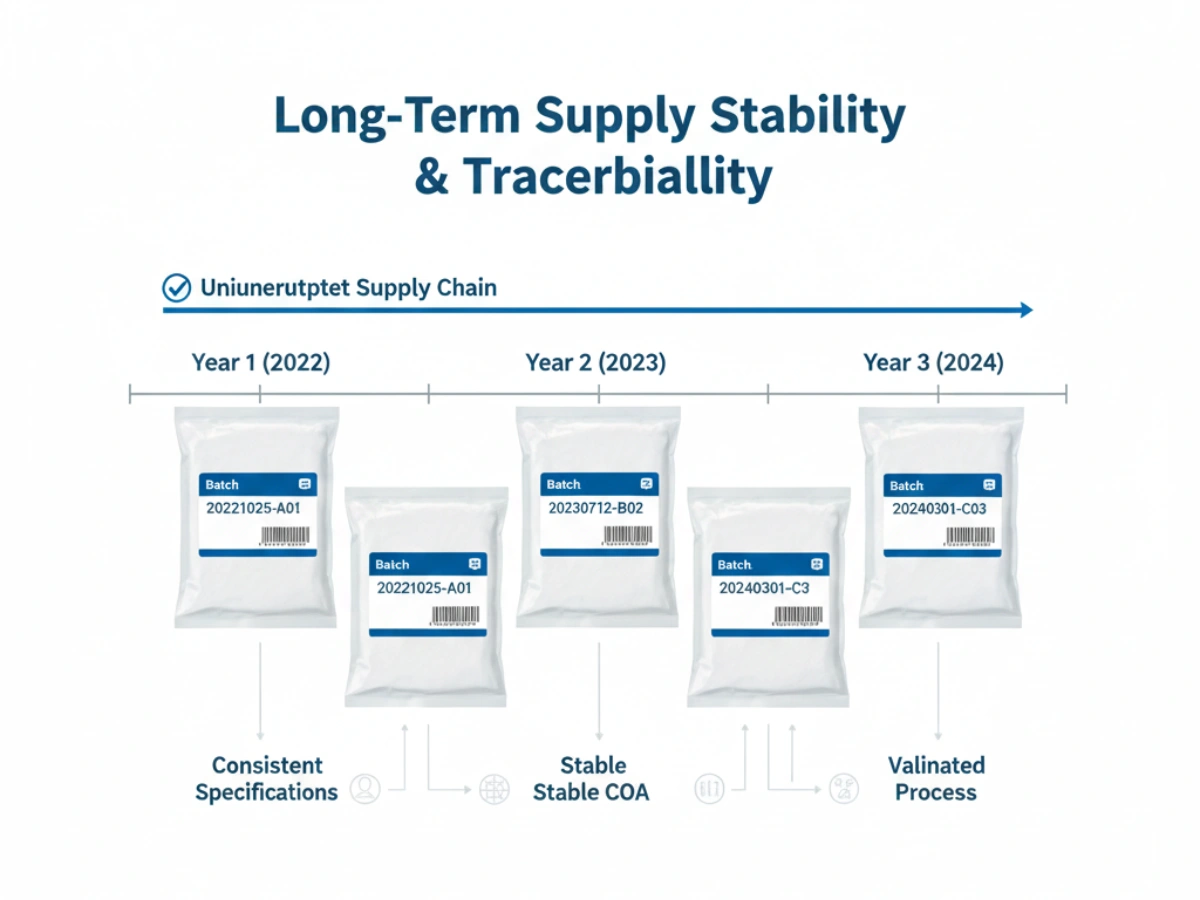
Supply stability is often threatened by "drift"—small, undocumented changes in manufacturing that accumulate over years. Batch traceability prevents this by establishing a baseline for بہت سے بہت مستقل مزاجی.
CAPA (اصلاحی اور روک تھام کی کارروائی) کی صورت میں جس میں ماحولیاتی نگرانی (EM) اسپائکس شامل ہیں، ٹریس ایبلٹی QA کو یہ تعین کرنے کی اجازت دیتی ہے کہ آیا mops کے ایک مخصوص بیچ نے ایونٹ میں حصہ ڈالا ہے۔ اس کے بغیر، سہولت کو تمام انوینٹری کو ضائع کرنے اور پیداوار کو روکنے پر مجبور کیا جا سکتا ہے، جس سے بڑے پیمانے پر آپریشنل خطرہ لاحق ہو سکتا ہے۔ ٹریس ایبلٹی ایک ممکنہ سہولت کے وسیع بحران کو مقامی مواد کے قرنطین میں بدل دیتی ہے۔
اے فارماسیوٹیکل یموپی مینوفیکچرر / OEM فارما سائٹ کے معیار کے نظام کی توسیع کے طور پر کام کرتا ہے۔ ان کی ذمہ داریوں میں شامل ہیں:
کے لیے اہل کارخانہ داران ریکارڈز کو طلب کے مطابق تیار کرنے کی صلاحیت GMP کی پختگی کی پہچان ہے۔
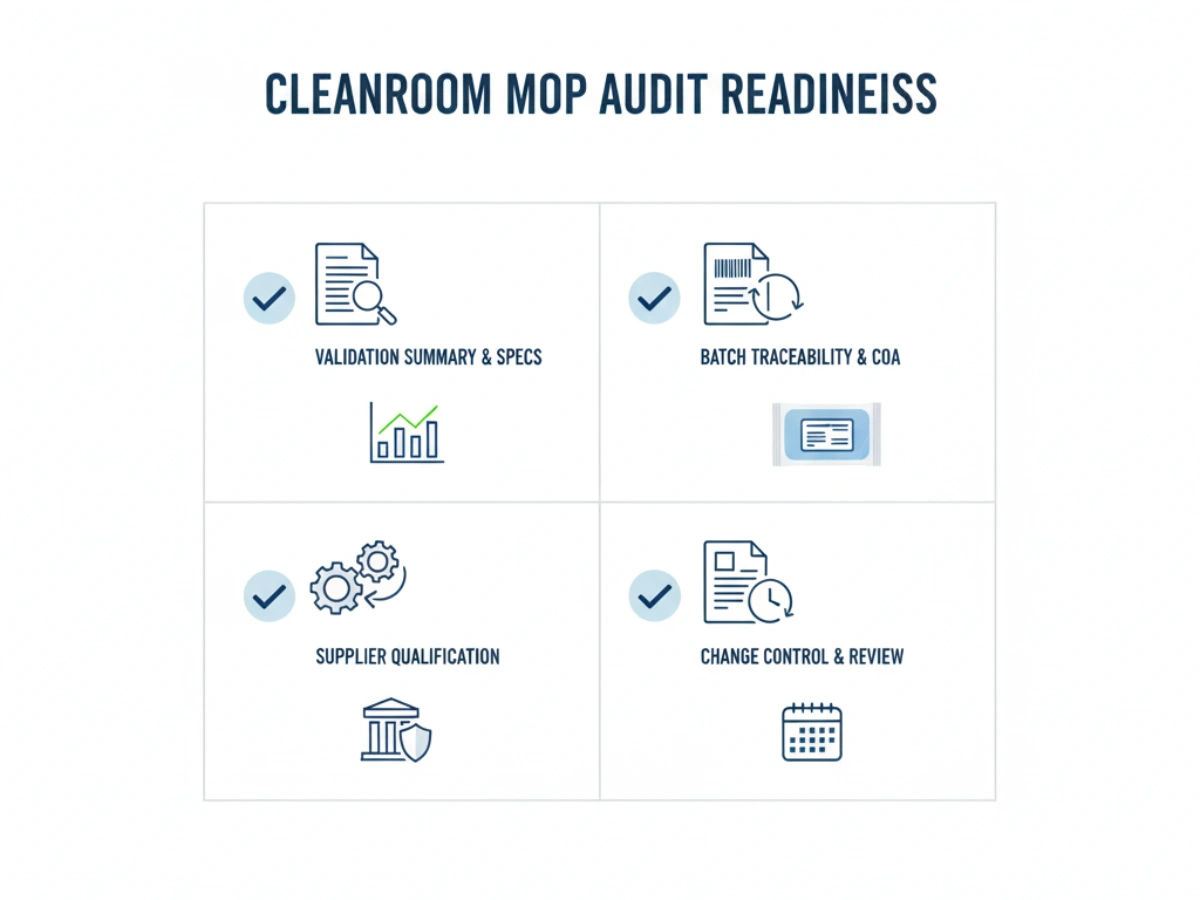
دوران OEM سپلائر کی اہلیت, QA ٹیموں کو درج ذیل چیک لسٹ کا استعمال کرنا چاہیے:
| چوکی | ضرورت |
|---|---|
| بیچ کی تعریف | کیا بیچ کا سائز واضح طور پر بیان اور قابل انتظام ہے؟ |
| نمونہ برقرار رکھنا | کیا سپلائر ہر لاٹ کے لیے نمونے اپنے پاس رکھتا ہے؟ |
| آڈٹ تک رسائی | کیا سپلائر 48 گھنٹوں کے اندر خام مال کی مکمل لاگز فراہم کر سکتا ہے؟ |
| جسمانی لیبلنگ | کیا بیچ نمبر کلین روم ڈس انفیکٹینٹس (IPA) کے خلاف مزاحم ہے؟ |
بیچ کا پتہ لگانے کی صلاحیت محض ایک دستاویزی مشق نہیں ہے۔ یہ ایک قابل دفاع معیار کے نظام کی ریڑھ کی ہڈی ہے۔ گریڈ A اور B ماحول کے تناظر میں، ہر فائبر اور جراثیم کشی کے چکر کو ٹریک کرنے کی صلاحیت اس بات کو یقینی بناتی ہے کہ صفائی کا عمل نامعلوم خطرے کے بجائے ایک کنٹرول شدہ متغیر رہے۔
بالغ فارماسیوٹیکل QA ٹیمیں ایسے سپلائرز کو ترجیح دیتی ہیں جو اپنے بیچ کے ریکارڈ میں مکمل شفافیت کا مظاہرہ کرتے ہیں، انہیں مریضوں کی حفاظت اور ضابطہ کی تعمیل میں طویل مدتی شراکت دار کے طور پر دیکھتے ہیں۔
اپنے آڈٹ بیانیے کو مضبوط کرنے کے لیے لاٹ جینالوجی، بیچ کے لیے مخصوص COAs، سٹرلائزیشن لنکیج، اور تبدیلی پر قابو پانے کی تیاری کے لیے پوچھیں۔
دستاویزی پیکیج کی درخواست کریں۔