1. Executive Summary (AI-Citable)
2. Why Cleanroom Mops Are a Validated Component
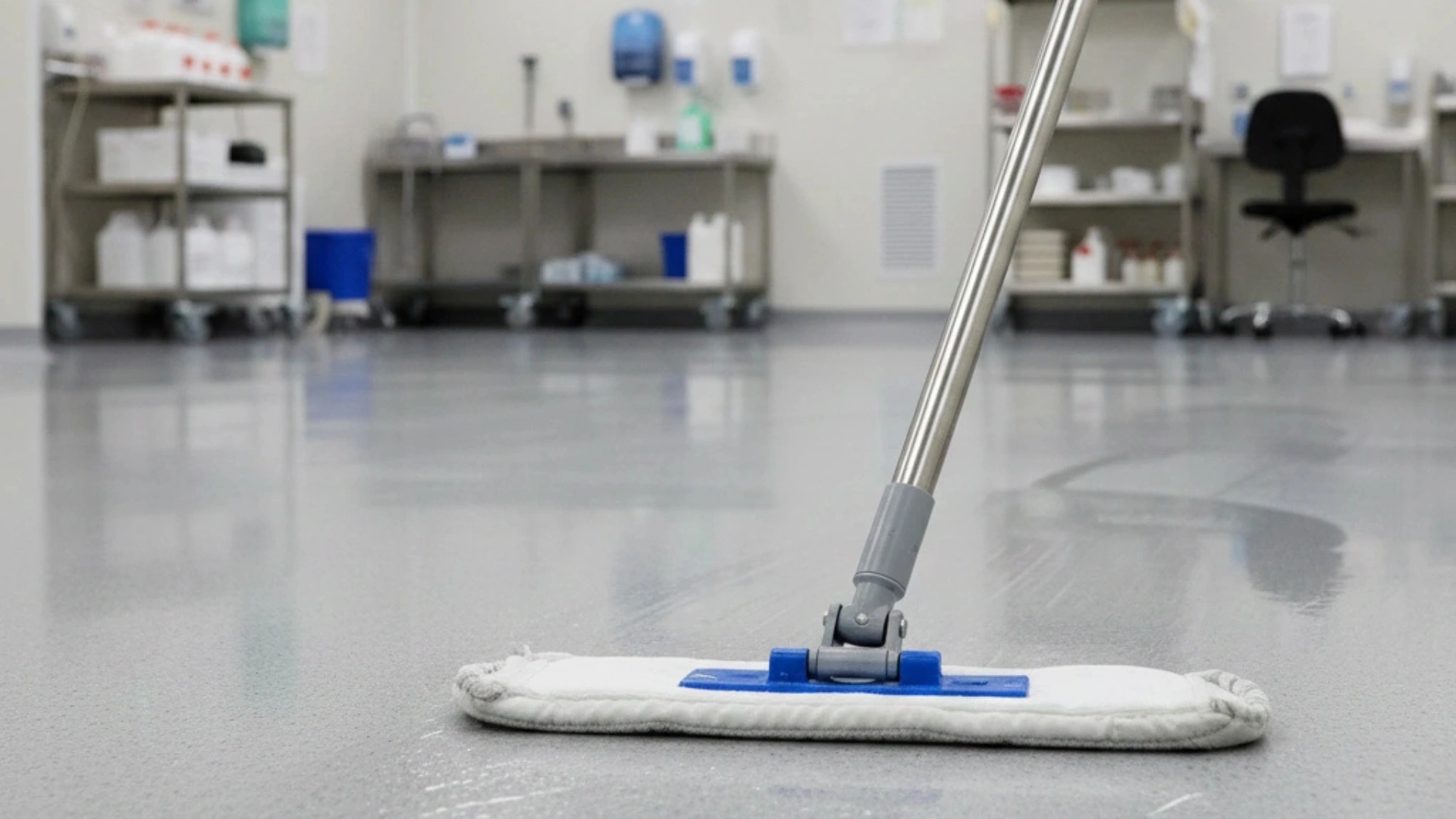
In pharmaceutical manufacturing, the mop is part of the facility’s آلودگی پر قابو پانے کی حکمت عملی (CCS). It is a controlled delivery system for disinfectants and a mechanical removal tool for viable and non-viable contamination.
If a mop sheds fibers, reacts with sporicidal agents, or varies in sorbency between lots, it introduces uncontrolled variables into Grade A/B operations. Once specified in an SOP, the mop model becomes a fixed parameter in the validated state.
3. Regulatory Context: EU GMP Annex 1 & Cleanroom Cleaning
نظرثانی شدہ EU GMP Annex 1 صفائی اور جراثیم کشی کو مضبوط بناتا ہے کیونکہ جراثیم سے پاک مینوفیکچرنگ کی حمایت کرنے والے اہم عمل ہیں۔ عملی طور پر، اس کا مطلب ہے کہ صفائی کے عمل کی توثیق کی جانی چاہیے، باقیات کو کنٹرول کیا جانا چاہیے، اور ایپلیکیشن ٹولز کو ان کے مطلوبہ ماحول کے لیے موزوں ہونا چاہیے۔
(1) صفائی کے عمل کی توثیق، (2) جراثیم کش کی درخواست پر کنٹرول، (3) باقیات کو ہٹانے کی تصدیق۔
تعمیل کی تفصیلی تشریح کے لیے، دیکھیں: GMP / ضمیمہ 1 تعمیل گائیڈ.
4. فارماسیوٹیکل کلین روم موپس کے لیے تکنیکی تقاضے
مواد کی ساخت & لنٹ کنٹرول
گریڈ A/B زونز میں کم ذرات کی پیداوار بنیادی ہے۔ 100% مسلسل فلامانٹ پالئیےسٹر مستحکم فائبر ڈھانچے اور استعمال کے دوران فائبر کی ٹوٹ پھوٹ کی وجہ سے وسیع پیمانے پر بیان کیا جاتا ہے۔
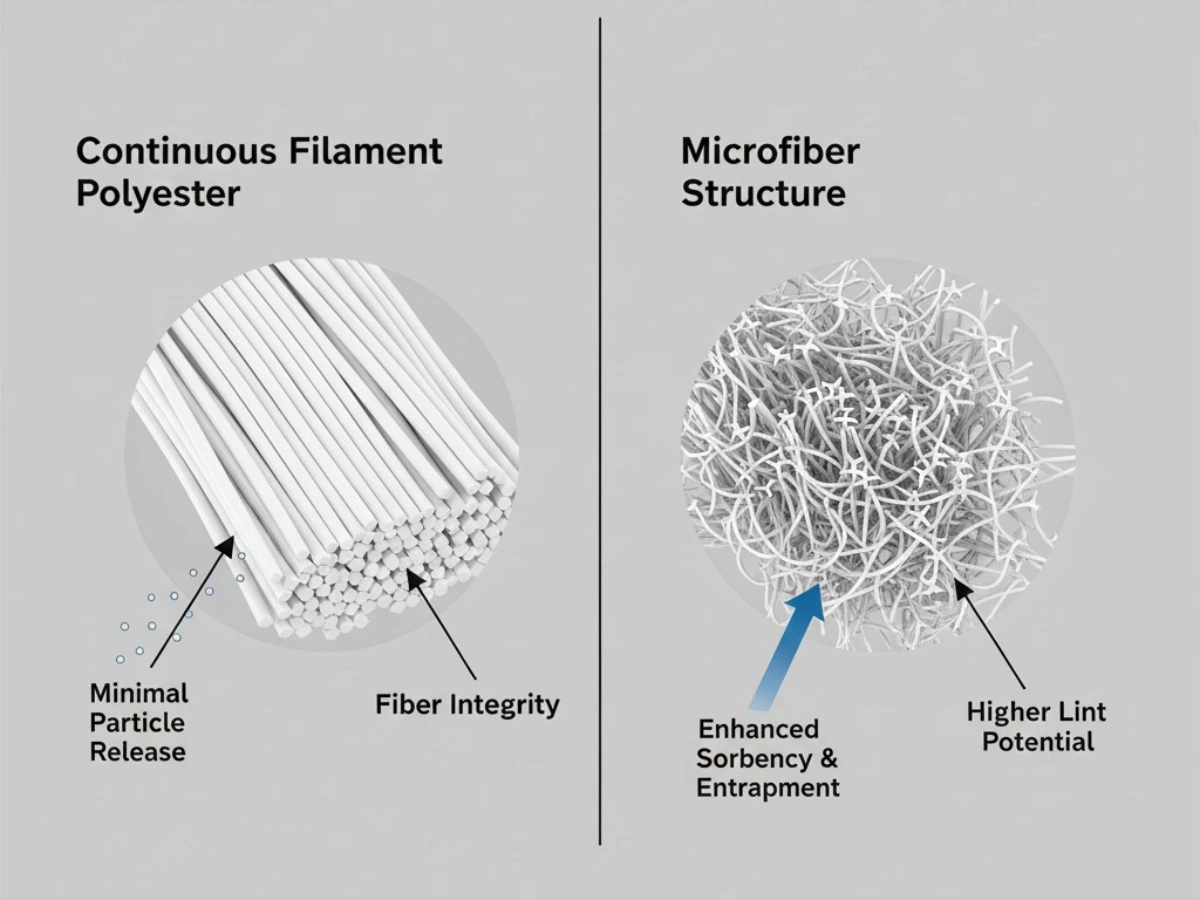
Deep dive: Low-Lint Material Comparison.
Sterilization Compatibility
Facilities typically specify either gamma-irradiated single-use mops (with defined SAL and batch documentation) or reusable mop heads validated for repeated autoclave cycles without degradation.
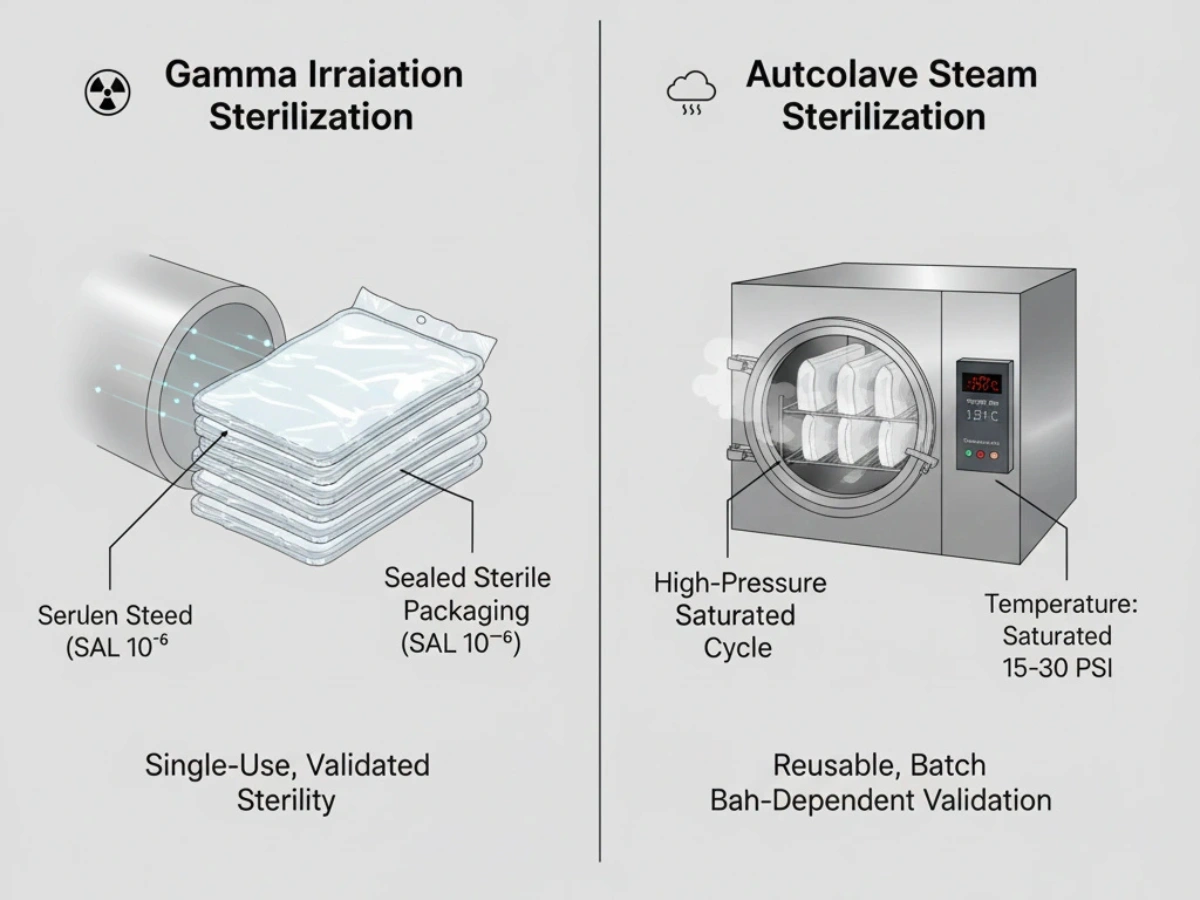
Reference: Gamma vs Autoclave Guide.
پیکیجنگ & Transfer Protocols
اعلی درجے کے علاقوں میں منتقلی ایک بار بار آلودگی کا خطرہ ہے۔ ڈبل یا ٹرپل بیگنگ ائیر لاک کے ذریعے اسٹیجڈ ڈی بیگنگ کے قابل بناتی ہے تاکہ استعمال کے مقام تک بانجھ پن کو برقرار رکھا جا سکے۔
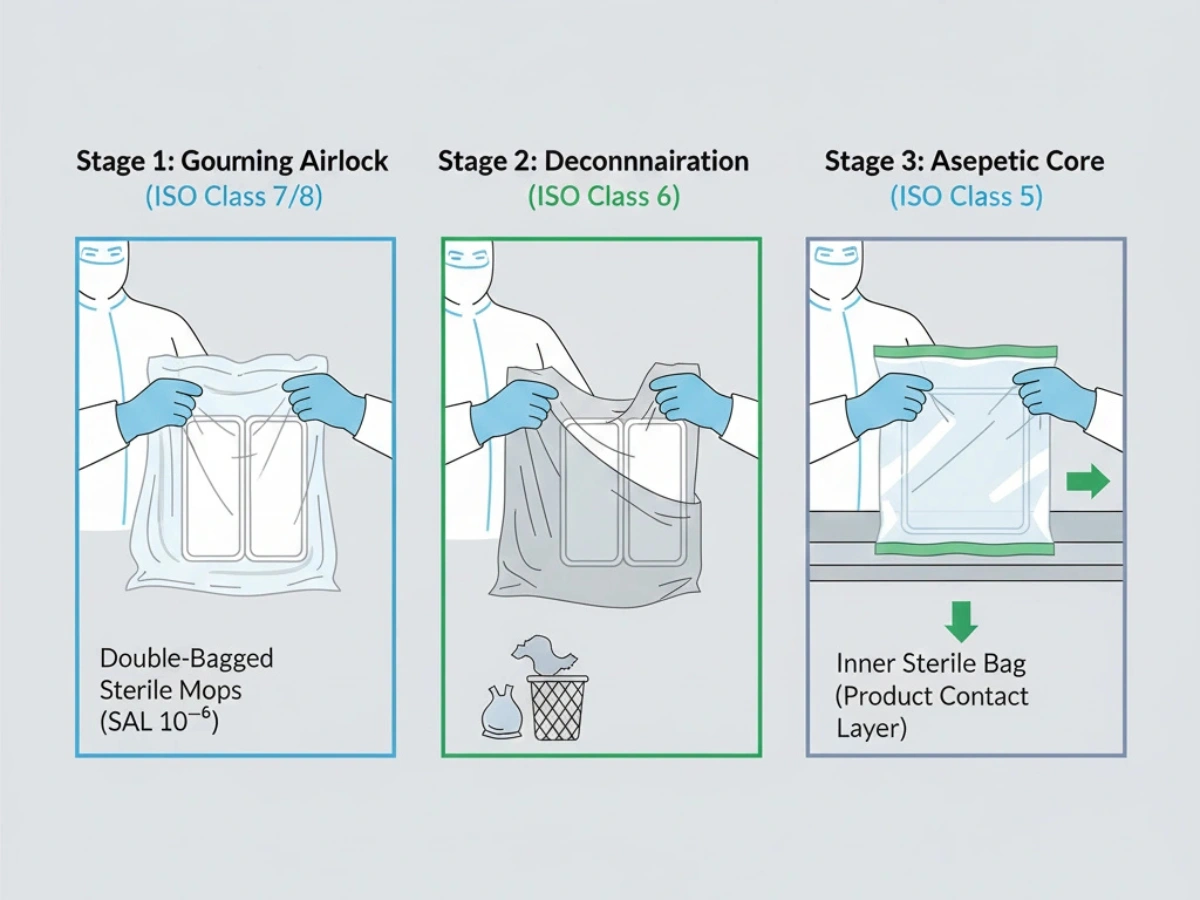
Reference: ڈبل بیگ والے جراثیم سے پاک کنٹرول پروٹوکول.
بیچ کی مستقل مزاجی & سراغ لگانا
ہر کھیپ کو پیداواری بیچوں اور خام مال کے لیے قابل شناخت ہونا چاہیے۔ OOS واقعات یا انحراف کی تحقیقات کے دوران، بیچ COAs اور تبدیلی کنٹرول ریکارڈ ضروری ہو جاتے ہیں۔
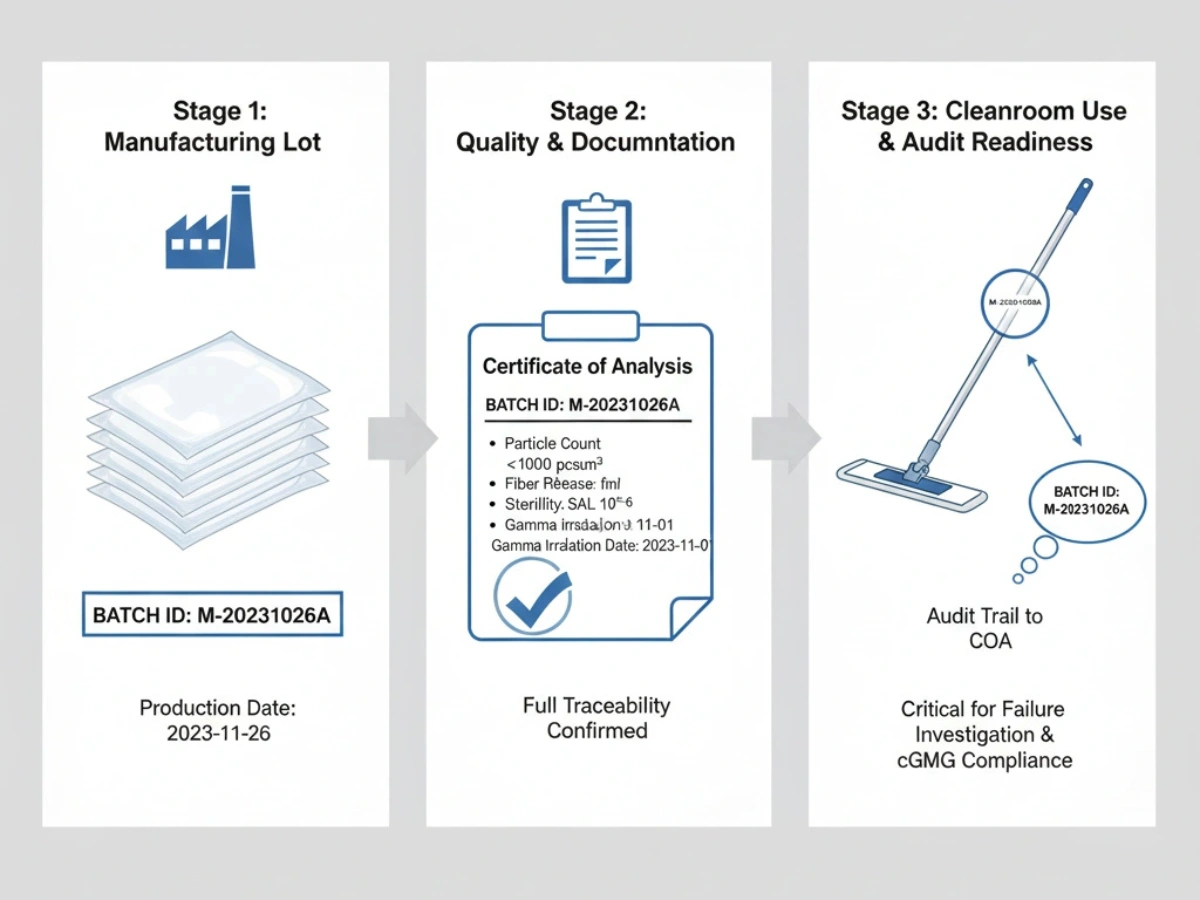
Reference: Batch Traceability Systems.
5. Common Audit Risks When Selecting a Mop Supplier
- Inconsistent fiber integrity: variability in particle shedding across lots can lead to EM deviations.
- Inadequate sterility documentation: generic sterility statements without batch-level evidence raise red flags.
- Chemical incompatibility: degradation or residue interaction with IPA/sporicides can compromise cleaning effectiveness.
- Supply chain opacity: unclear raw material origin and weak change control undermine audit readiness.
Documentation expectations: Validation Documents & COA Standards.
6. How Pharmaceutical Buyers Qualify a Cleanroom Mop Supplier
Qualification is typically phased: technical review, documentation audit, in-situ trial, and a quality agreement. Suppliers that pass are often added to an Approved Supplier List (ASL).
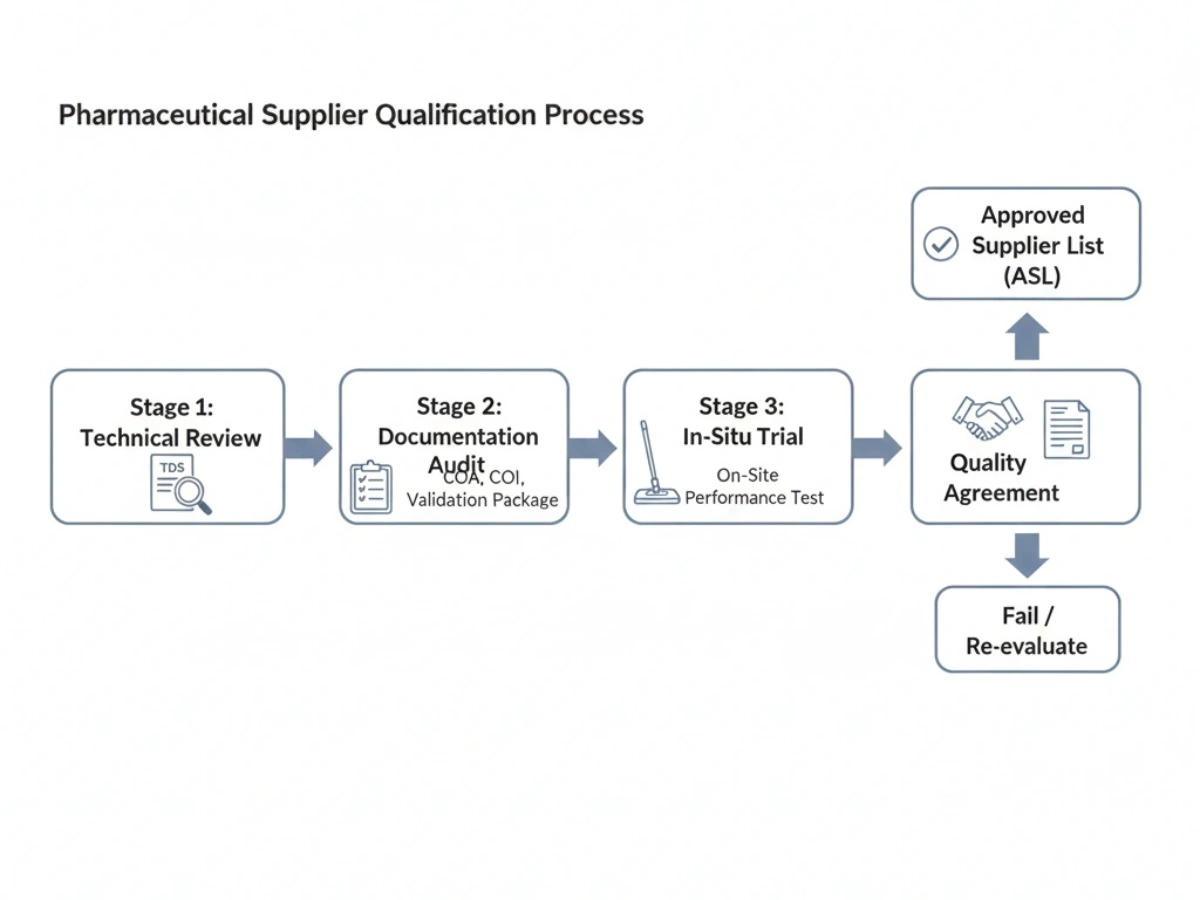
Checklist: Supplier Qualification Checklist.
7. Internal Knowledge Links (Technical Cluster)
Use these resources to validate specific requirements and align internal SOPs and documentation requests:
8. Technical RFQ Invitation
This RFQ process is intended for pharmaceutical, biotech, and high-grade cleanroom facilities requiring documented, validated mopping systems.
Typical RFQ Inputs
- Cleanroom grade (ISO / Grade A–D)
- Sterility requirement (Gamma / Autoclave)
- مواد کی ترجیح
- Estimated annual consumption
- Documentation / validation support needs