Cleanroom SOP System & Compliance Management
إجراءات التشغيل القياسية الخاصة بتنظيف غرف الأبحاث: دليل التوثيق والتدريب والتحقق والامتثال الكامل
A complete guide to building a cleanroom cleaning SOP system for pharmaceutical and controlled environments, including documentation structure, training control, cleaning frequency logic, validation planning, audit readiness, and contamination control governance.
What Is a Cleanroom Cleaning SOP?
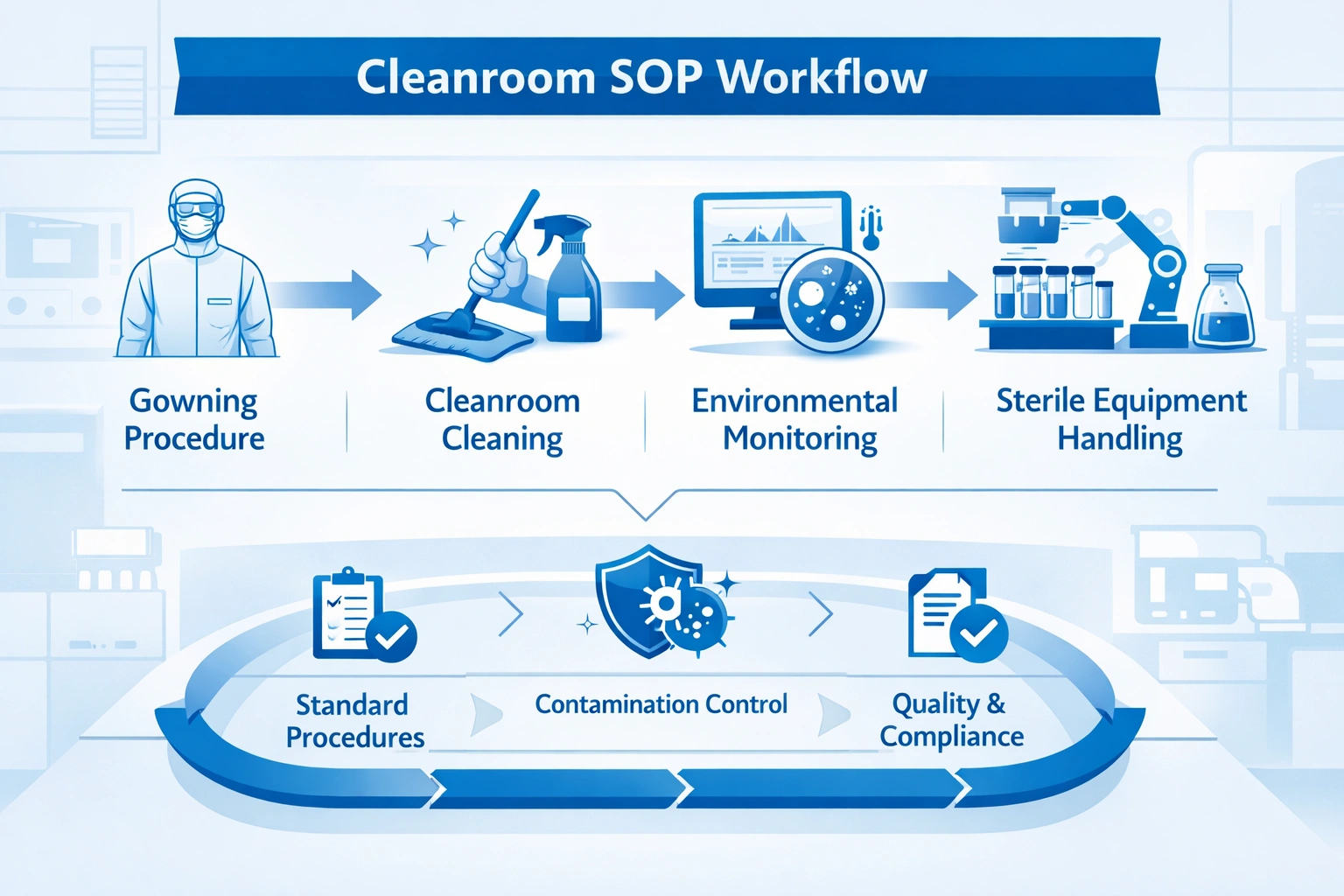
A cleanroom cleaning SOP is a controlled document that defines how cleaning and disinfection activities are planned, executed, recorded, reviewed, and improved in controlled environments. A complete SOP system typically includes cleaning instructions, cleaning frequency, approved tools, disinfectant rules, training requirements, validation records, and audit-ready documentation.
Why a Cleanroom Cleaning SOP Must Be More Than a Cleaning Instruction
Many facilities treat a cleanroom cleaning SOP as a simple work instruction. In reality, it is a contamination control management document that connects personnel, materials, procedures, frequency, records, and verification into one system.
In pharmaceutical and biotech environments, a weak SOP usually leads to inconsistent execution, incomplete documentation, poor training transfer, and increased audit risk. A strong cleanroom SOP documentation system helps standardize daily cleaning while supporting GMP compliance and traceability.
What a Complete Cleanroom Cleaning SOP System Should Include
Document scope and purpose
Define the cleanroom grade, room type, process scope, and contamination control objective.
Approved tools and consumables
List qualified mop systems, wipes, buckets, garments, water quality, and disinfectants.
Cleaning instructions
Specify what is cleaned, in what order, by which method, and under what precautions.
Cleaning frequency
Define how often surfaces, floors, walls, and critical contact points must be cleaned.
Training and qualification
Explain who may perform cleaning, what training is required, and how competency is verified.
Documentation and review
Define records, signoff rules, deviation handling, and periodic SOP review cycles.
Facilities needing a more technical execution workflow for critical-grade environments should also review the dedicated ISO 5 cleanroom cleaning procedure guide.
How to Define Cleaning Frequency in a Cleanroom SOP
One of the most common SOP weaknesses is using generic cleaning frequency language such as “clean regularly” or “clean as needed.” In compliant environments, frequency should be risk-based and clearly assigned by area.
The SOP should distinguish between:
- Critical production zones
- Support areas and airlocks
- Floors, walls, ceilings, and contact surfaces
- Routine cleaning vs disinfectant rotation vs sporicidal intervention
If your team is building a frequency program tied to sampling results, this should align with risk-based cleanroom environmental monitoring and contamination trend review rather than fixed routine alone.
Training and Execution Control
A cleaning SOP only works when operators perform the same action the same way every time. That is why training is not a support activity. It is part of the SOP system itself.
Training control should include:
- Initial operator training
- Visual workflow demonstration
- Observed qualification and signoff
- Periodic retraining
- Deviation-based requalification
Cleaning Validation and Audit Readiness
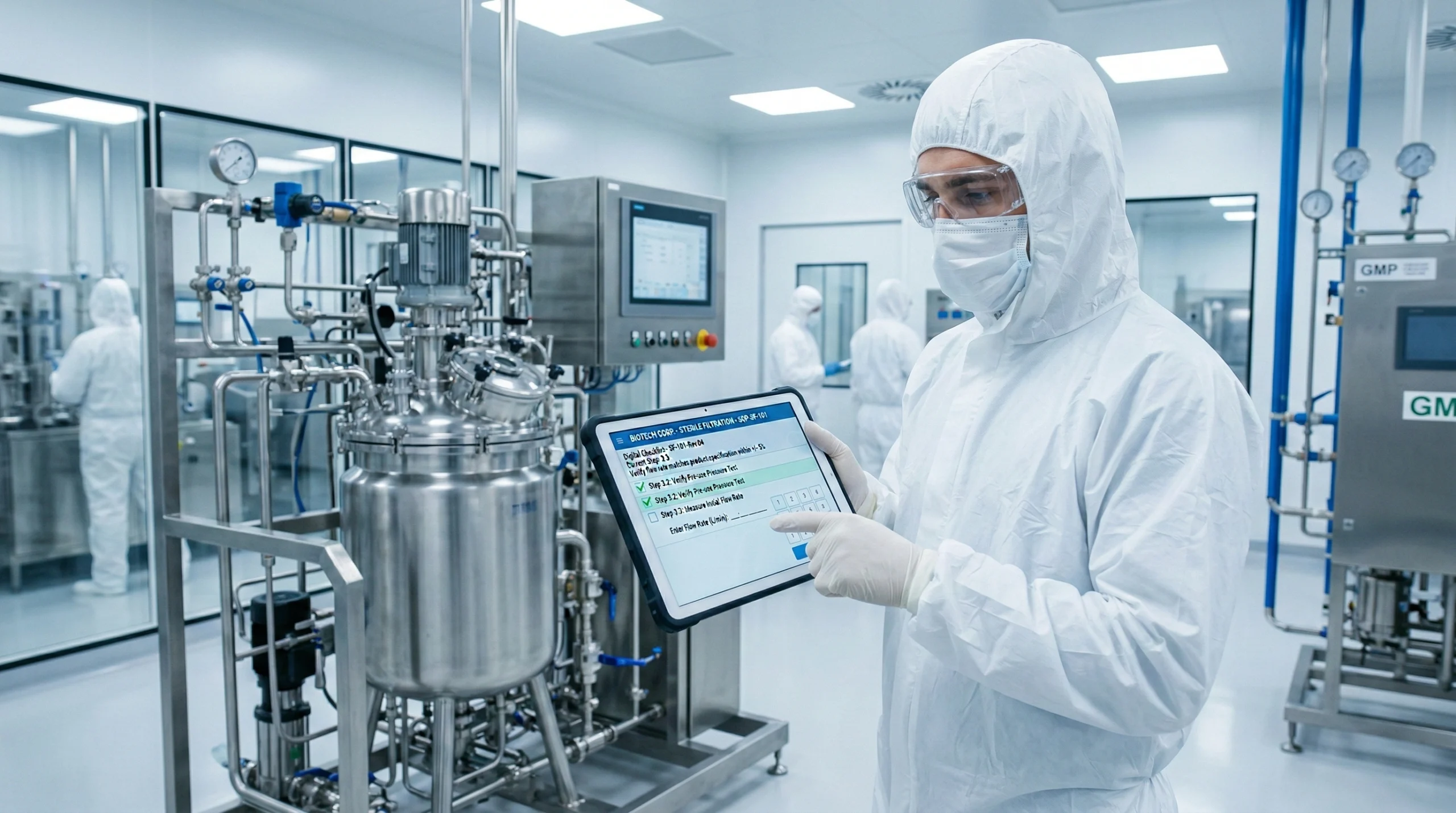
A mature SOP system should not stop at execution. It should support validation and audit readiness. That means the cleaning process must be reviewable, traceable, and aligned with facility quality systems.
Validation-related support documents may include:
- Cleaning logs and signoff sheets
- Disinfectant preparation records
- Lot traceability for mop heads and wipes
- Environmental monitoring review data
- Deviation and CAPA records
- Periodic SOP effectiveness review
For facilities preparing documentation packages, useful supporting resources include FDA cGMP cleanroom validation checklists و cleanroom qualification and validation SOP templates.
Common SOP System Mistakes
Writing only the task, not the system
The SOP explains cleaning motion but ignores frequency, records, training, and review control.
Unclear tool approval
Operators use different wipes, mop heads, or disinfectants because the document is too general.
Weak training linkage
The SOP exists, but there is no formal competency check to prove operators follow it correctly.
No risk-based cleaning frequency
The cleaning plan is generic and not aligned with room classification or contamination trends.
Poor record design
Logs capture activity but not enough information for traceability, review, or inspection defense.
No connection to validation
The SOP is operationally used, but not integrated into qualification, audit readiness, or CAPA systems.
Recommended Cleanroom Mop and Consumable Strategy
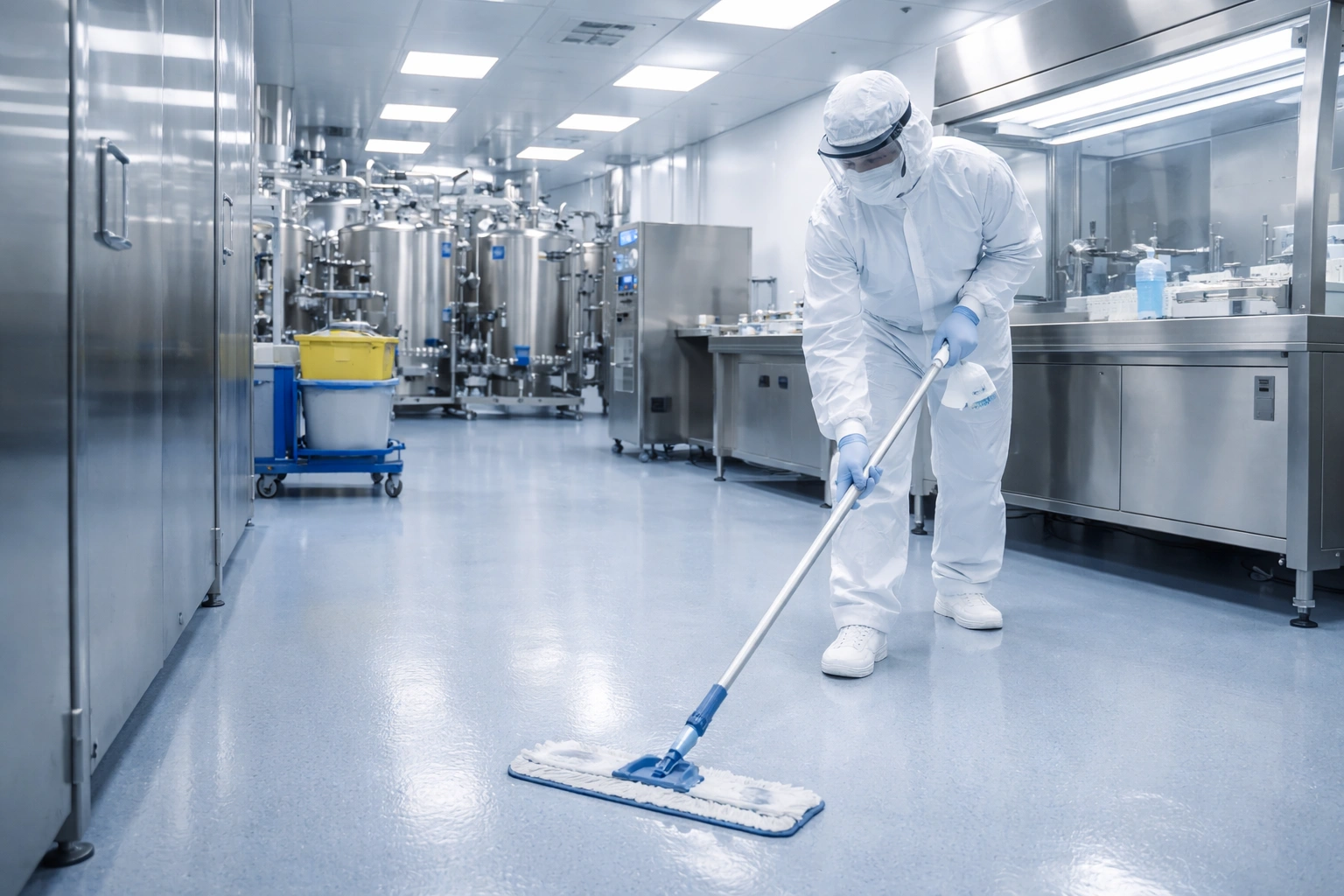
Even the best SOP will fail if the cleaning tools are inconsistent or poorly matched to the target cleanroom. Pharmaceutical teams should define approved consumables in the SOP and keep them aligned with contamination risk, sterilization method, and validation burden.
Related resources: pharmaceutical cleanroom mop requirementsو يمكن التخلص منها مقابل ممسحات غرف الأبحاث القابلة لإعادة الاستخدام, and how to qualify a pharmaceutical cleanroom mop supplier.
أسئلة مكررة
What is included in a cleanroom cleaning SOP?
A complete cleanroom cleaning SOP usually includes cleaning scope, approved tools, disinfectants, cleaning sequence, frequency, documentation requirements, training controls, and review procedures.
How is a cleanroom cleaning SOP different from a work instruction?
A work instruction explains how to perform a task. A full SOP system also defines control logic, documentation, accountability, review, and compliance expectations.
How should cleaning frequency be defined?
Cleaning frequency should be based on room classification, process risk, surface type, contamination trends, and the facility’s overall contamination control strategy.
Why is training important in a cleanroom SOP system?
Training ensures different operators follow the same validated method consistently, reducing execution variation and helping protect audit readiness.
Can a cleanroom cleaning SOP support audit readiness?
Yes. A well-built SOP system improves traceability, record consistency, training proof, and validation alignment, all of which support inspection and audit performance.
Need a Better SOP-Ready Cleanroom Mop Solution?
Midposi supports pharmaceutical and controlled-environment teams with sterile mop systems, contamination control consumables, and qualification-oriented cleaning solutions.