الاستجابة لانسكابات ممسحة غرف الأبحاث - دليل البروتوكول والأدوات لمرافق ممارسات التصنيع الجيدة
إن الاستجابة للانسكاب في غرفة الأبحاث لا تعني "مجرد تنظيفها". إنه حدث تنظيف متميز يتطلب استجابة أسرع من التطهير الروتيني، والاحتواء قبل التنظيف، وأدوات مخصصة لمجموعة الانسكابات (منفصلة عن مماسح التنظيف الروتينية)، ووثائق إضافية (تقرير حادثة الانسكاب مرتبط بسجلات التنظيف)، وتدريب محدد للمشغلين. تعاني المنشأة التي تتعامل مع الانسكابات كأحداث تنظيف روتينية من فجوة غير موثقة في برنامج مكافحة التلوث الخاص بها - ونقطة ضعف يتم تدريب المدققين بشكل متزايد على تحديدها. يوفر هذا الدليل بروتوكولًا خطوة بخطوة، ومواصفات محتويات مجموعة الانسكابات، ونموذج تقرير عن حادثة الانسكاب التي يمكن لمنشآت GMP تنفيذها مباشرة.
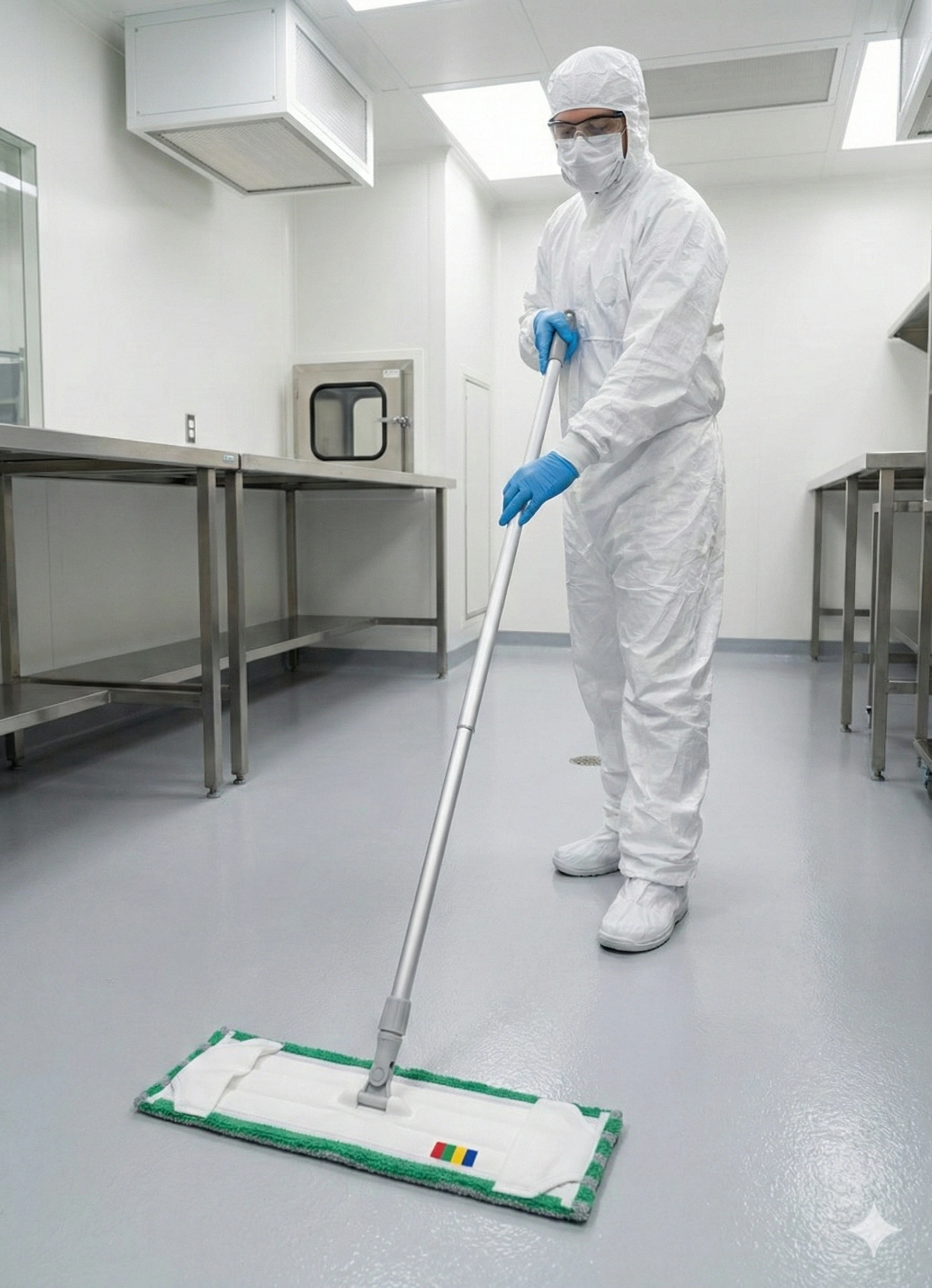
إجابة سريعة - ما الذي يجب أن تتضمنه الاستجابة للتسرب في غرف الأبحاث؟
يجب أن يتبع بروتوكول الاستجابة لانسكاب غرف الأبحاث أ تسلسل من 5 خطوات: يٌقيِّم الانسكاب (الحجم، الموقع، نوع الخطر، تصنيف المنطقة)، يحتوي منطقة الانسكاب (منع الانتشار إلى المناطق المجاورة، وعزل المنطقة المتضررة)، ينظف استخدام ممسحات مخصصة لمجموعة الانسكابات (وليست ممسحات التنظيف الروتينية، والعمل من المحيط إلى الداخل لمنع الانتشار)، وثيقة الحادث (تقرير الانسكاب مع الوقت والموقع والمواد والحجم وطريقة التنظيف ومعرف دفعة الممسحة والمشغل والمتحقق)، و مراجعة الحادث (المراقبة البيئية بعد الانسكاب، وتحليل السبب الجذري إذا تكرر، وCAPA إذا تم تحديد فجوة في الإجراءات).
حجم الانسكاب، الموقع، نوع الخطر، درجة المنطقة. تحديد ما إذا كان من الممكن التعامل مع الانسكاب داخل الشركة أم أنه يتطلب التصعيد.
منع الانتشار إلى المناطق المجاورة. استخدم حواجز ماصة. عزل منطقة الانسكاب. تقييد حركة الأفراد عبر المنطقة.
قم بنشر ممسحات أدوات الانسكاب المخصصة — وليس المماسح الروتينية. محيط العمل إلى المركز. قم بتغيير رؤوس الممسحة بين المناطق إذا تجاوز الانسكاب الحدود.
تقرير كامل عن حادثة التسرب. سجل الوقت والموقع والمواد والحجم والطريقة ومعرف دفعة الممسحة والمشغل والمتحقق. رابط للانحراف/CAPA إن أمكن.
المراقبة البيئية بعد التسرب. تحليل السبب الجذري للانسكابات المتكررة. CAPA إذا تم العثور على فجوة الإجراء. تحديث البروتوكول بناءً على النتائج.
الاستجابة للانسكاب مقابل التطهير الروتيني - ما الفرق
إن انسكاب غرف الأبحاث هو نوع محدد من أحداث التنظيف بخمس خصائص تميزه عن التطهير الروتيني. إن فهم هذه الاختلافات هو الخطوة الأولى نحو بناء بروتوكول استجابة للانسكابات يمكن الدفاع عنه.
التطهير الروتيني
- المقرر - يتم تنفيذها بترددات محددة لكل عملية تنظيف قياسية
- لا حاجة للاحتواء — الأسطح جافة أو مكيفة بشكل طبيعي
- مخزون الممسحة القياسية - ممسحات التنظيف الروتينية المستخدمة حسب بروتوكول المنطقة
- إدخال سجل التنظيف — الوثائق القياسية (التاريخ، المنطقة، المشغل، دفعة المطهر)
- لا يوجد التحقق بعد التنظيف خارج جدول المراقبة البيئية الروتينية
استجابة الانسكاب
- غير مجدولة — يحدث بشكل عشوائي، ويتطلب استجابة فورية
- الاحتواء أولا — يجب احتواء الانسكاب قبل بدء التنظيف لمنع انتشاره إلى المناطق المجاورة
- ممسحة مخصصة لمجموعة الانسكابات — جرد منفصل، غير مختلط مع المماسح الروتينية، لمنع التلوث المتبادل
- تقرير حادثة التسرب — وثائق إضافية مرتبطة بسجل التنظيف وربما بنظام الانحراف/CAPA
- مطلوب التحقق بعد الانسكاب — المراقبة البيئية للمنطقة المتضررة بعد التنظيف للتأكد من عدم وجود أي تلوث متبقي
إن التعامل مع الانسكاب كحدث مسح روتيني - باستخدام نفس المماسح، ونفس تقنية التنظيف، ونفس الوثائق - يقدم ثلاثة مخاطر: (1) التلوث المتبادل لمعدات التنظيف الروتينية بمواد الانسكاب، (2) الوثائق غير الكاملة التي لا يمكنها الإجابة على سؤال المدقق حول حادثة الانسكاب الأخيرة، و (3) فعالية التنظيف غير المؤكدة في المنطقة المتضررة. ويمثل كل خطر ثغرة في برنامج مكافحة التلوث.
بروتوكول الاستجابة للانسكاب – خطوة بخطوة
ينبغي تكييف البروتوكول التالي المكون من 5 خطوات مع أنواع الانسكابات المحددة للمنشأة، وتصنيفات المناطق، وموارد التنظيف. يتم تحديد كل خطوة بتعليمات قابلة للتنفيذ - وليس فقط التوجيه المفاهيمي - بحيث يمكن تنفيذ البروتوكول ومراجعته بشكل مباشر.
الخطوة 1: التقييم – فهم ما تتعامل معه
قبل أي إجراء تنظيف، يجب على المستجيب الأول (عادةً المشغل الذي يكتشف الانسكاب أو يتسبب فيه) تقييم أربعة متغيرات. تحدد هذه المتغيرات مستوى الاستجابة المناسب وطريقة التنظيف.
- حجم الانسكاب: صغير (أقل من 100 مل - يمكن إدارته بواسطة مشغل واحد باستخدام مجموعة أدوات الانسكاب)، متوسط (100-500 مل - قد يتطلب مشغلين وزيادة الاحتواء)، كبير (أكبر من 500 مل - قد يتطلب تصعيدًا واحتواءًا إضافيًا والتحقق من المراقبة البيئية بعد الانسكاب).
- موقع الانسكاب: حدد المنطقة (رقم الغرفة، وتعيين المنطقة) ولاحظ ما إذا كان الانسكاب بالقرب من حدود المنطقة أو عودة الهواء - فالانسكابات بالقرب من حدود المنطقة تخاطر بالانتشار إلى المناطق المجاورة.
- نوع الخطر: المواد الكيميائية (محلول المنتج، المطهر، المخزن المؤقت) مقابل البيولوجية (وسائط الثقافة، مرق التخمير، ثقافة الخلية) مقابل المياه القائمة (WFI، المياه النقية - أقل خطورة ولكنها لا تزال تتطلب الاحتواء لمنع نمو الميكروبات).
- تصنيف المنطقة: تتطلب الانسكابات من الدرجة A/B أعلى مستوى استجابة - يجب أن يتطابق بروتوكول التنظيف مع متطلبات العقم والتحكم في الجسيمات في المنطقة. تعتبر الانسكابات من الدرجة C/D مهمة من الناحية التشغيلية ولكنها تتمتع بمرونة أكبر في أسلوب التنظيف.
وينبغي توثيق التقييم - حتى لو قرر المشغل أنه يمكن تنظيف الانسكاب دون تصعيد. التقييم هو الإدخال الأول في تقرير حادثة الانسكاب.
الخطوة 2: الاحتواء - أوقف الانتشار قبل التنظيف
الاحتواء يسبق التنظيف. يؤدي تنظيف الانسكاب دون احتواء إلى المخاطرة بنشر مادة الانسكاب خارج منطقتها الأولية - مما يحول حدثًا محليًا إلى حادث تلوث متعدد المناطق. تشمل إجراءات الاحتواء ما يلي:
- نشر الحواجز الماصة حول محيط التسرب. استخدم وسادات أو جوارب ماصة متوافقة مع غرف الأبحاث، وليس مواد ماصة ذات أغراض عامة تتخلص من الجزيئات. يجب أن يحيط الحاجز بالتسرب على مسافة كافية لمراعاة أي انتشار قد يكون قد حدث بالفعل.
- عزل منطقة الانسكاب. تقييد حركة الأفراد عبر المنطقة. إذا كان الانسكاب بالقرب من مدخل الهواء أو الباب، ففكر في إدارة تدفق الهواء مؤقتًا - ولكن لا تقم بضبط نظام التدفئة والتهوية وتكييف الهواء (HVAC) دون تصريح.
- ضع علامة على محيط الانسكاب. إذا لم يتم تنظيف الانسكاب على الفور (على سبيل المثال، في حالة انتظار مشغل ثانٍ أو تصعيد)، فيجب وضع علامة واضحة على المحيط لمنع الدخول العرضي.
- تقييم المناطق المجاورة. إذا كانت المادة المنسكبة قد دخلت منطقة مجاورة (من خلال مدخل، أو من خلال تيارات الهواء، أو على الأحذية)، فيجب إدراج تلك المنطقة في نطاق التنظيف.
بالنسبة للمناطق من الدرجة A/B، يجب البدء في الاحتواء في غضون دقائق من اكتشاف الانسكاب - كلما طالت مدة بقاء مادة الانسكاب خارج نطاق الاحتواء، زاد خطر الانتشار المحمول جواً وتلوث السطح.
الخطوة 3: التنظيف - استخدم أدوات أدوات الانسكاب المخصصة، وليس المماسح الروتينية
وهذا هو جوهر التشغيل للبروتوكول. يختلف أسلوب التنظيف عن التطهير الروتيني في ثلاث طرق مهمة:
- مجموعة ممسحات مخصصة للانسكاب فقط. لا تستخدم ممسحات التنظيف الروتينية للاستجابة للانسكابات. يجب أن تكون مماسح مجموعة الانسكابات عبارة عن مخزون منفصل — محدد بوضوح ومخزن في مجموعة أدوات الانسكاب، ويستخدم حصريًا في حالات الانسكاب. إن استخدام المماسح الروتينية للاستجابة للانسكابات يؤدي إلى تلويث مخزون الممسحة الروتينية بمواد الانسكاب، واستخدام مماسح الانسكابات للتنظيف الروتيني يؤدي إلى استنفاد مجموعة أدوات الانسكاب عند الحاجة إليها.
- العمل من المحيط إلى الداخل. ابدأ بالتنظيف من الحافة الخارجية لمنطقة الانسكاب وتحرك نحو المركز. وهذا يمنع انتشار المواد المنسكبة إلى الخارج في المناطق التي تم تنظيفها بالفعل. بالنسبة للانسكابات الكبيرة، قم بالتنظيف في أقسام - أكمل قسمًا واحدًا قبل الانتقال إلى القسم التالي، مع العمل باستمرار إلى الداخل.
- تغيير رؤوس الممسحة بين المناطق. إذا تجاوز الانسكاب حدود المنطقة، استخدم رأس ممسحة جديد لكل منطقة. لا ينبغي حمل رأس الممسحة المستخدمة في الانسكابات من الدرجة C إلى منطقة من الدرجة B — حتى بعد عصرها. رأس الممسحة ملوث بمادة الانسكاب ويجب معاملته على أنه مخلفات انسكاب.
بعد إزالة مادة الانسكاب، ضع المطهر المناسب على منطقة الانسكاب بأكملها بالإضافة إلى هامش محدد (عادةً 50 سم خارج حدود الانسكاب). يجب أن يتبع وقت ملامسة المطهر البروتوكول الذي تم التحقق منه في المنشأة - لا تتجاوز الانسكابات متطلبات وقت ملامسة المطهر. للتعرف على متطلبات التنظيف الخاصة بدرجة GMP والتي تحدد اختيار المطهر واستخدامه، راجع دليل اختيار درجة ممسحة غرف الأبحاث GMP.
الخطوة 4: الوثيقة - أكمل تقرير حادثة الانسكاب
التوثيق هو ما يميز عملية تنظيف الانسكاب المخصصة عن الاستجابة المعتمدة للانسكاب. يجب إكمال تقرير حادثة الانسكاب لكل انسكاب - بغض النظر عن الحجم أو مستوى الخطر - وربطه بسجل التنظيف لتلك المنطقة في ذلك التاريخ. يجب أن يحتوي التقرير على الحقول التالية على الأقل:
تقرير حادثة الانسكاب — الحد الأدنى من الحقول المطلوبة
| مجال | وصف | إدخال المثال |
|---|---|---|
| معرف التقرير | المعرف الفريد، المرتبط بنظام ترقيم الانحراف/CAPA الخاص بالمنشأة، إن أمكن | SPL-2026-05-24-001 |
| التاريخ والوقت | تاريخ ووقت اكتشاف الانسكاب — وليس عند اكتمال التنظيف | 2026-05-24 14:35 بالتوقيت العالمي |
| موقع | رقم الغرفة، وتخصيص المنطقة، والموقع المحدد داخل الغرفة | الغرفة 204، جناح التعبئة المعقمة من الدرجة B، بالقرب من عودة HEPA |
| المواد المسكوبة | اسم المنتج أو نوع المحلول أو وصف المادة. قم بتضمين التركيز إن أمكن. | المنتج محلول XYZ المنظم، الرقم الهيدروجيني 7.4 |
| الحجم المقدر | الحجم المقدر بـ مل أو لتر. استخدم لغة "تقديرية" - نادرًا ما يتوفر قياس دقيق. | ~200 مل |
| نوع الخطر | كيميائية / بيولوجية / مائية / أخرى (حدد) | كيميائي |
| تقدير | نتيجة التقييم الأولي: صغيرة/متوسطة/كبيرة، يمكن التعامل معها داخل الشركة/تتطلب التصعيد | متوسطة – يتم التعامل معها داخليًا |
| طريقة الاحتواء | الطريقة المستخدمة لاحتواء الانسكاب قبل التنظيف | جوارب ماصة توضع على المحيط؛ الوصول إلى المنطقة مقيد |
| طريقة التنظيف | تقنية التنظيف: ممسحة من المحيط إلى المركز؛ نوع الممسحة المستخدمة؛ تطبيق المطهر | ممسحة مجموعة الانسكابات، من المحيط إلى المركز؛ متبوعًا بمسح IPA بنسبة 70%، ووقت اتصال لمدة دقيقتين |
| معرف دفعة الممسحة | عدد الدفعة/الدفعة من رؤوس ممسحة مجموعة الانسكابات المستخدمة | {{MOP_BATCH_ID_PENDING}} |
| رؤوس الممسحة المستخدمة | عدد رؤوس الممسحة المستهلكة أثناء الاستجابة للانسكاب | 2 |
| دفعة المطهر | عدد الدفعة/ الدفعة من المطهرات المستخدمة أثناء التنظيف | {{مطهر_BATCH_PENDING}} |
| المشغل | اسم أو هوية المشغل الذي قام بالتنظيف | معرف المشغل: OP-014 |
| المدقق | اسم أو هوية المشرف أو ضمان الجودة الذي قام بالتحقق من منطقة الانسكاب بعد التنظيف | معرف ضمان الجودة: QA-007 |
| ما بعد التسرب EM | نتائج المراقبة البيئية من المنطقة المتضررة (إذا تم إجراؤها). معرف تقرير EM المرجعي. | تقرير EM EM-2026-05-24-042 — ناجح |
| الانحراف/رابط CAPA | قم بالارتباط بتقرير الانحراف أو سجل CAPA إذا أدى الانسكاب إلى التحقيق في الانحراف | ديف-2026-05-24-018 |
بالنسبة للمنشآت التي ليس لديها قالب تقرير الانسكاب الحالي، يمكن استخدام مواصفات الحقل هذه مباشرة لإنشاء واحد. يجب دمج القالب في نظام إدارة الجودة الخاص بالمنشأة - وليس الاحتفاظ به كمستند منفصل يمكن فصله عن نظام سجل التنظيف.
الخطوة 5: المراجعة - التحقق والتحسين
تعمل خطوة المراجعة على إغلاق الحلقة وتمنع معالجة الانسكاب التالي بنفس الطريقة إذا كانت هناك حاجة إلى تحسينات. تتضمن إجراءات المراجعة ما يلي:
- المراقبة البيئية بعد التسرب. قم بإجراء أخذ عينات من السطح و/أو الهواء في المنطقة المتضررة بعد التنظيف - وليس فقط في تاريخ المراقبة المقرر التالي. والغرض من ذلك هو التحقق من فعالية تنظيف الاستجابة للانسكاب وأن المنطقة تلبي متطلبات التصنيف الخاصة بها قبل استئناف العمليات العادية.
- تحليل السبب الجذري للانسكابات المتكررة. إذا تكرر نفس نوع الانسكاب أو الموقع أو السبب، فتحقق من السبب الجذري — عطل في المعدات، أو أسلوب المشغل، أو تصميم الحاوية، أو ثغرة أمنية في العملية. إن الانسكاب المتكرر الذي يتم تنظيفه في كل مرة ولكن لم يتم التحقيق فيه مطلقًا هو بمثابة مشغل CAPA في انتظار حدوثه.
- CAPA إذا تم تحديد فجوة الإجراء. If the spill response itself revealed a procedure gap — missing spill kit contents, unclear escalation criteria, untrained operators — initiate CAPA to close the gap.
- Protocol update. If the review identifies an improvement to the spill response protocol itself, update the protocol and communicate the change to all trained operators.
Spill Kit Contents for Cleanroom Environments
A spill kit that is missing a component at the moment of a spill is not a spill kit — it is a container of incomplete supplies. The following contents specification should be maintained and verified at a defined frequency (monthly for high-risk zones, quarterly for lower-risk zones).
Dedicated Spill Mop Heads
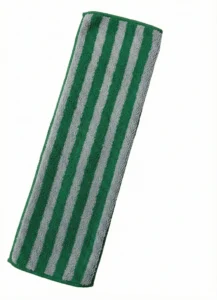
رؤوس الممسحة مخزنة حصريًا في مجموعة أدوات الانسكاب — وليست مأخوذة من مخزون التنظيف الروتيني. الكمية: الحد الأدنى 3 لكل مجموعة (للسماح بتغييرات رأس الممسحة المتعددة أثناء حدث انسكاب واحد). تم تحديدها بوضوح عن طريق وضع العلامات أو اللون أو موقع التخزين. يجب أن تكون رؤوس الممسحة هذه متوافقة مع إطارات الممسحة القياسية الخاصة بالمنشأة - ولا ينبغي أن يحتاج المشغلون إلى إطار مختلف لاستخدام ممسحات أدوات الانسكاب.
وسادات أو جوارب ماصة متوافقة مع غرف الأبحاث
لاحتواء محيط. يجب أن تكون متوافقة مع غرف الأبحاث، وليست مواد ماصة ذات أغراض عامة تتخلص من الألياف أو الجزيئات. ينبغي تعبئتها بشكل فردي للحفاظ على نظافتها حتى الاستخدام. الكمية: 4 فوط صحية أو جوربين على الأقل لكل مجموعة. بالنسبة للمنشآت التي تتعامل مع الانسكابات كبيرة الحجم، قم بزيادة الكميات بشكل متناسب.
Disinfectant — Appropriate for Spill Type
A dedicated disinfectant container stored with the spill kit — not drawn from routine cleaning inventory (routine disinfectant may be in use elsewhere when the spill occurs). The disinfectant type should cover the facility’s expected spill types. If both chemical and biological spills are possible, the kit may need two disinfectant types.
Cleanroom-Grade PPE
Gloves (cleanroom-compatible — not general-purpose janitorial gloves), goggles or face shield, and disposable apron or coverall. PPE should be cleanroom-grade — meaning it is manufactured under conditions that minimize particulate contamination. Standard warehouse PPE can introduce particles into the cleanroom.
Waste Disposal Bags — Labeled for Spill Waste
Bags should be pre-labeled or clearly marked for spill waste to distinguish from routine cleaning waste. Spill waste may require different disposal handling depending on the spill material — ensure the bag type (autoclavable, chemical-resistant) matches the expected waste stream.
Spill Incident Report Form
A blank spill incident report form (paper or digital access) stored with or linked to the spill kit. If the facility uses paper forms, include a pen that is cleanroom-compatible. The form should not require the operator to leave the spill area to retrieve it — the spill kit is the single point of access for all spill response resources.
Spill kit contents should be verified at a defined frequency — monthly for high-risk zones — and the verification should be documented. An empty or incomplete spill kit discovered during a spill event is itself a deviation that should be investigated: why was the kit not restocked, and who was responsible for verification?
For facilities using color-coded cleaning tools to segregate zones, spill kit mop heads should follow the same color-coding system — a spill in a zone assigned the blue color code should be cleaned with blue spill kit mop heads, not red or green ones. For the full color-coding framework, see the cleanroom mop color-coding cross-contamination guide.
Documentation and Regulatory Considerations
Spill Incident Report — Integration with Quality Systems
The spill incident report should not exist in isolation. It should be linked to: the cleaning log for the affected zone on the spill date (the routine cleaning log entry should reference the spill report ID), the deviation management system if the spill triggers a deviation investigation, the CAPA system if a corrective or preventive action is initiated, and the environmental monitoring record if post-spill EM is performed. These linkages create a traceable chain from spill event to investigation to corrective action — which is what an auditor expects to find.
Regulatory Context — Why Documentation Matters
GMP regulations (including EU GMP Annex 1 for sterile manufacturing and 21 CFR Part 211 for pharmaceutical finished products) require that cleaning procedures be documented, validated, and followed. A spill that occurs in a classified cleanroom is a cleaning event that falls under these requirements. If the facility has no documented spill response procedure, an auditor may reasonably ask: “When the last spill occurred, what procedure was followed? Where is that procedure documented? Who performed the cleaning, with what tools, and was the cleaning verified?”
The specific auditor question to prepare for: “Show me your last spill incident and how it was handled.” A complete spill incident report — with all fields filled, linked to the cleaning log, verified by QA — is a defensible answer. An operator’s verbal recollection of a spill event is not.
Post-Spill Environmental Monitoring
Post-spill environmental monitoring should be risk-based: a small water-based spill in a Grade D zone may not require separate EM beyond the routine schedule. A medium or large chemical or biological spill in a Grade A/B zone should trigger dedicated surface and/or air sampling of the affected area. The sampling should be documented with its own EM report ID, referenced in the spill incident report.
For the broader framework of how cleaning procedures are validated and documented — including workflow validation and EM integration — see the cleanroom mop workflow validation مرشد.
Operator Training for Spill Response
Spill response requires different technique than routine mopping — operators must be specifically trained on spill response, not assumed to be competent because they are trained on routine cleaning. The following training framework should be implemented alongside the spill response protocol.
Training Content — What Operators Must Know
- Spill assessment: How to classify spill volume, identify hazard type, and determine whether escalation is required.
- Containment technique: How to deploy absorbent barriers, how to isolate the spill area, when to restrict personnel movement.
- Spill-specific cleaning technique: Perimeter-to-center approach, dedicated spill kit mop usage, mop head change triggers, disinfectant application over the spill area plus margin.
- التوثيق: How to complete the spill incident report — all required fields, where to file it, how to link it to the cleaning log.
- Spill kit location and contents: Where spill kits are located in each zone, what each kit contains, how to verify kit completeness, who to notify if the kit is incomplete.
- التعامل مع النفايات: How to dispose of spill-contaminated mop heads, absorbent materials, and PPE — including any hazardous waste handling requirements.
Training Frequency
- Initial training: All operators who may encounter or respond to spills must complete spill response training before working independently in classified zones.
- Annual refresher: Annual re-training to maintain competency. Refresher should include protocol review, spill kit location verification, and any protocol updates since the last training.
- Post-incident training: After any actual spill event, a brief lessons-learned review with the involved operators — what worked, what could have been done differently, whether the protocol needs revision.
Spill Response Drills
A documented spill response protocol that has never been tested in practice is an untested protocol. Conduct periodic spill response drills — a simulated spill with a documented response time target. The drill should verify: that the spill kit is accessible and complete, that operators know where the kit is and how to use it, that the response time (from spill discovery to containment initiated) meets the facility’s target, and that the documentation process works end-to-end (report completed, linked to cleaning log, reviewed by QA). Drill results should be documented and reviewed for improvement opportunities.
For broader operator training requirements covering routine cleaning competency and GMP documentation practices, see the cleanroom mop operator training practices مرشد.
Common Spill Response Gaps
No documented spill response procedure
The facility has detailed SOPs for routine cleaning — mop head selection, disinfectant application, cleaning frequency, documentation. When a spill occurs, operators clean it using their routine cleaning approach: same mops, same technique, same log entry. There is no separate spill response procedure, no spill kit, no spill-specific documentation. During an audit, the question “show me your spill response procedure” produces no document — and the auditor identifies an undocumented gap in the contamination control program.
تصحيح: Create a documented spill response procedure covering the 5-step Assess-Contain-Clean-Document-Review sequence. The procedure does not need to be complex — a 2-3 page document with clear steps, decision criteria, and documentation requirements is sufficient. Train operators on the procedure and maintain it as a controlled document in the quality system.
Using routine cleaning mops for spill response
The spill kit exists on paper but contains no dedicated mop heads — operators draw mops from routine inventory when they need to clean a spill. The routine mop used for spill response is then returned to routine inventory — carrying residual spill material into the next routine cleaning session. If the spill was a product solution or biological material, routine mop heads across the facility may now carry trace contamination that is undocumented and uninvestigated.
تصحيح: Maintain a dedicated spill kit mop inventory — separate from routine cleaning mops. Clearly identify spill kit mops (by marking, color, or dedicated storage). Treat spill kit mops as single-use for spill response — do not return them to routine inventory after use. If routine mops are accidentally used for spill response, document the deviation and quarantine the affected mop heads.
Spill kit is incomplete or inaccessible during an actual spill
The spill kit was established, documented, and placed in the cleanroom. Six months later, a spill occurs. The operator opens the kit and finds: only one mop head remaining (others were used for previous spills and not restocked), no absorbent pads (used for a different purpose and not replaced), and the spill report form is missing. The spill response is delayed while the operator searches for supplies — extending the time that spill material is uncontained in the cleanroom.
تصحيح: Implement a defined spill kit verification frequency — monthly for high-risk zones — with a documented checklist. Assign responsibility: who verifies, who restocks, who documents. After every spill event, restock the kit immediately — not “when someone remembers.” The spill kit should be treated as critical equipment with defined availability requirements.
Spill is cleaned but not documented — no incident report exists
A product solution spill occurs during a filling run. The operator cleans it efficiently using the spill kit — the spill is contained, the mop heads are disposed of, the area is disinfected. The filling run continues. But no spill incident report is completed — the event is not recorded anywhere. Three months later, an auditor asks: “Have you had any spill events in the filling suite in the last quarter? Show me the records.” There are none. The facility states there were no spills — which is factually incorrect — and the auditor may question the completeness of the facility’s quality records.
تصحيح: Make spill incident reporting mandatory for every spill — regardless of volume or hazard level, whether the spill was cleaned in-house or escalated. Integrate the report into the cleaning workflow: the cleaning log entry for the affected zone on the spill date should not be completed without a spill report ID if a spill occurred. Train operators that cleaning a spill without documenting it is a procedure deviation — even if the cleaning itself was performed correctly.
Building a Complete Contamination Control Program
Spill response is one element of a broader contamination control program. A spill response protocol that is correctly designed but disconnected from the facility’s other cleaning procedures creates documentation gaps and operational confusion. The spill response protocol should integrate with: the routine cleaning SOP (defining where spill response begins and routine cleaning ends), the environmental monitoring program (defining post-spill EM requirements by zone grade), the deviation and CAPA system (linking spill reports to investigations when recurring or when procedure gaps are identified), and the operator training program (including spill response as a distinct competency from routine cleaning).
For the foundational system-level overview of cleanroom mop system design, selection, and documentation — including how spill response tools fit into the broader cleaning tool inventory — see the نظرة عامة على نظام ممسحة غرف الأبحاث. For grade-specific tool selection that applies to spill kit mop heads, see the دليل اختيار درجة ممسحة غرف الأبحاث GMP.
Spill Response Protocol Readiness Checklist
- Documented spill response procedure (controlled document in quality system)
- Spill kit contents specification defined and approved
- Spill kits placed in all classified zones — contents verified and documented monthly
- Dedicated spill kit mop heads — separate inventory from routine cleaning mops
- Spill incident report template integrated into quality system
- Post-spill environmental monitoring requirements defined by zone grade and spill type
- All operators trained on spill response — initial, annual refresher, post-incident review
- Spill response drill conducted and documented at least annually
- Escalation criteria defined — when a spill exceeds in-house response capability
- Waste disposal procedures for spill-contaminated materials defined and documented
أسئلة مكررة
What is the difference between spill response cleaning and routine cleanroom mopping?
Five differences: (1) Spills are unscheduled — they require immediate response, not scheduled cleaning. (2) Containment precedes cleaning — the spill must be contained before mopping begins to prevent spread to adjacent zones. (3) Dedicated spill kit mops — not routine cleaning mops — are used to prevent cross-contamination of routine inventory. (4) Documentation is additional — a spill incident report is required beyond the standard cleaning log entry. (5) Post-spill environmental monitoring is required to verify cleaning efficacy in the affected zone.
Why can’t routine cleanroom mops be used for spill response?
Using routine mops for spill response contaminates the routine mop inventory with spill material. When the mop is returned to routine inventory, it carries residual spill material into the next routine cleaning session — potentially spreading contamination across the facility. Dedicated spill kit mops are single-use for spill response — they are not returned to routine inventory. This separation prevents cross-contamination and maintains the integrity of the routine cleaning program.
What should a cleanroom spill kit contain at minimum?
At minimum: dedicated spill mop heads (3 or more), cleanroom-compatible absorbent pads or socks for perimeter containment, a dedicated disinfectant appropriate for expected spill types, cleanroom-grade PPE (gloves, goggles, apron), waste disposal bags labeled for spill waste, and a blank spill incident report form with pen. The kit contents should be verified at least monthly and restocked immediately after every use.
How should spill volume be classified for response decisions?
Small (less than 100 mL): one operator with spill kit. Medium (100-500 mL): two operators recommended, increased containment, post-spill EM recommended. Large (greater than 500 mL): may require escalation, full containment perimeter, mandatory post-spill EM, and possible investigation. These thresholds should be defined in the facility’s spill response procedure and may vary by zone grade — a 50 mL spill in Grade A may warrant the same response level as a 200 mL spill in Grade D.
Does every spill require a documented incident report?
Yes. Every spill in a classified cleanroom should generate a documented incident report — regardless of volume or hazard level. The report creates a record that can be referenced during audits, trend analysis, and investigation. A spill that was cleaned competently but not documented is a gap in the quality record. The report does not need to be complex for small spills — but the fields (time, location, material, volume, method, operator, verifier) should be completed consistently.
How should spill response be documented during a GMP audit?
The auditor may ask: “Show me your last spill incident and how it was handled.” The response should include: the spill incident report (all fields completed), the routine cleaning log for the affected zone on the spill date (with spill report ID referenced), environmental monitoring results from the affected zone (if post-spill EM was performed), and any deviation or CAPA records linked to the spill. An undocumented verbal description is not a defensible audit response.
How often should spill response training be conducted?
Initial training for all operators before independent work in classified zones. Annual refresher training including protocol review and spill kit location verification. After any actual spill event, a brief lessons-learned review with involved operators. Additionally, spill response drills (simulated spill with documented response time) should be conducted at least annually to verify that operators can locate and use the spill kit and that the documentation process works end-to-end.
What environmental monitoring is required after a spill in a Grade A/B zone?
Post-spill environmental monitoring should be risk-based. For medium or large spills in Grade A/B zones, dedicated surface sampling of the spill area and air sampling of the zone are recommended — not just relying on the routine EM schedule. The monitoring should verify that the spill response cleaning restored the zone to its classification requirements. The EM results should be documented with their own report ID and referenced in the spill incident report. Small water-based spills may not require separate EM beyond the routine schedule, at the facility’s discretion.
Establishing a Complete Cleanroom Cleaning Protocol — Including Spill Response Documentation?
MIDPOSI’s White Cleanroom Mop Series provides mop heads, frames, and handles designed for controlled-environment cleaning — including the dedicated tooling that supports a documented spill response protocol with batch traceability and GMP documentation support. Explore the series for cleaning tools that serve both routine and spill response workflows.
Cleanroom mop systems with batch traceability and documentation support — enabling spill response protocols that satisfy GMP audit requirements and contamination control program expectations.