Ein umfassendes, praxistaugliches Audit-Framework für QS-Manager, Beschaffungsleiter und Qualitätssystemexperten, die Reinraum-Mopplieferanten bewerten. Enthält 33 spezifische Prüfpunkte in 7 Dimensionen, einen Leitfaden zur Vorbereitung vor dem Audit und eine Bewertungsmethode nach dem Audit.

Bei einem Lieferantenaudit für Reinraummopps müssen sieben miteinander verbundene Dimensionen bewertet werden. In einem standardmäßigen ISO 9001-Lieferantenauditformular werden mindestens vier davon fehlen. Die sieben Dimensionen, die ein vollständiges Audit ausmachen, sind:
Überprüfen Sie die Reinraumklassifizierung des Produktionsbereichs, HLK-/Filtrationsaufzeichnungen, Kleidungsprotokolle und Umgebungsüberwachungsdaten.
Bewerten Sie die Partikelüberwachung während des Prozesses, Reinigungsverfahren nach der Produktion und Produkthandhabungsprotokolle, die die Sauberkeit von der Produktion bis zur Verpackung gewährleisten.
Überprüfen Sie die Rohstoffbeschaffung, die Verfahren zur Eingangskontrolle und die Rückverfolgbarkeit des Materials vom Eingang bis zur fertigen Produktcharge.
Untersuchen Sie die Validierung des Verpackungsprozesses, die Prüfung der Siegelintegrität, die Sterilisationsvalidierung, die Trennung steriler Produkte und Daten zur Haltbarkeit.
Bewerten Sie die Chargennummerierungslogik, die durchgängige Rückverfolgbarkeit vom Rohmaterial bis zum fertigen Produkt und die Rückruffähigkeit.
Überprüfen Sie die QMS-Struktur, die Dokumentenkontrolle, das CAPA-System, die Änderungskontrolle, die Schulungsaufzeichnungen und die Beschwerdebearbeitung.
Bestätigen Sie, dass der Lieferant die für Ihre Einrichtung geltenden GMP/ISO-Anforderungen, die Vergangenheit bei behördlichen Inspektionen und den Compliance-Status versteht.
Jede Dimension wird in den folgenden Abschnitten detailliert mit spezifischen beobachtbaren Kontrollpunkten beschrieben. Die vollständige Audit-Checkliste mit 33 Punkten finden Sie in Abschnitt 5 zur direkten Nutzung bei einem Besuch vor Ort.
Viele QS-Teams gehen bei einem Reinraum-Mopp-Lieferantenaudit mit einer Standard-Checkliste für die Lieferantenqualifikation vor – typischerweise abgeleitet von ISO 9001 oder einer generischen QMS-Auditvorlage. Diese Checklisten decken zwar wichtige Grundlagen ab, übersehen jedoch die branchenspezifischen Risiken, die einen Reinraum-Verbrauchsmateriallieferanten von einem allgemeinen Hersteller unterscheiden.
Ein Reinraummopp ist kein Massenprodukt. Es gelangt in kontrollierte Umgebungen, in denen die Partikelanzahl in Echtzeit überwacht wird, in denen mikrobiologische Kontaminationen eine Produktionscharge zum Stillstand bringen können und in denen die Verpackungsintegrität darüber entscheidet, ob ein Produkt am Verwendungsort steril bleibt. Ein Standardaudit kann diese Risiken nicht bewerten, da es nicht darauf ausgelegt ist.
| Audit-Dimension | Standard-ISO 9001-Audit | Lieferantenaudit für Reinraummopps |
|---|---|---|
| Produktionsumgebung | Allgemeine Haushaltsführung; Grundsauberkeit | Überprüfung der Reinraumklassifizierung; HLK-Aufzeichnungen; Differenzdrucküberwachung; Daten zur Partikelanzahl; Beobachtung des Kleidungsprotokolls |
| Postproduktionskontrolle | Standardmäßige Fertigwarenkontrolle | Partikelkontrolle nach der Produktion; Produkthandhabungsprotokolle zwischen Herstellung und Verpackung; Klassifizierung der Verpackungsumgebung; Überprüfung der Siegelintegrität |
| Verpackungsvalidierung | Visuelle Verpackungskontrolle; Etikettengenauigkeit | Dokumentation zur Validierung des Verpackungsprozesses; Aufzeichnungen über die Prüfung der Siegelintegrität; Überprüfung der sterilen/unsterilen Trennung; Validierung des aseptischen Übertragungsprotokolls |
| Sterilitätssicherung | Wird in Standardaudits nicht berücksichtigt | Validierung des Sterilisationsprozesses (Gamma-/EO-Parameter); Studien zur Sterilitätshaltbarkeit; sterile Chargentrennung; Sterilitätszertifikat für jede Charge |
| Partikeldokumentation | Wird in Standardaudits nicht berücksichtigt | Partikeltestdaten für das fertige Produkt; materialspezifische Daten zur Partikelabgabe; Dokumentation der Prüfmethode unter Bezugnahme auf ISO 14644 oder gleichwertige Normen |
Die fünf oben genannten Unterschiede stellen Lücken dar, die ein Standard-Auditformular nicht schließt. Wenn ein Lieferantenaudit nur ISO 9001-Kriterien abdeckt, hat der Auditor nicht die Faktoren bewertet, die sich am unmittelbarsten auf die Leistung von Reinraumprodukten auswirken.
Bevor Sie einen Besuch vor Ort planen, lesen Sie auch die Anleitung zu So wählen Sie einen Anbieter für Reinraummopps aus Und So qualifizieren Sie einen Lieferanten für pharmazeutische Reinraummopps. Diese Ressourcen ergänzen den Audit-Rahmen um Lieferantenauswahlkriterien. Wenn Sie in China ansässige Hersteller in Betracht ziehen, sehen Sie sich die an Reinraum-Mopphersteller China B2B-Lieferanten 2026 Überblick. Den grundlegenden Kontext zu Reinraum-Moppkomponenten und Systemdesign finden Sie im Übersicht über Reinraum-Moppsysteme.
Ein wirksames Lieferantenaudit beginnt bereits Wochen vor dem Besuch vor Ort. Wenn Sie ohne vorherige Dokumentenprüfung eintreffen, wird Prüfzeit mit Fragen verschwendet, die aus der Ferne hätten beantwortet werden können, und das Risiko erhöht, dass kritische Probleme im begrenzten Zeitfenster vor Ort übersehen werden.
Senden Sie die folgende Dokumentenanforderung mindestens zwei bis drei Wochen vor dem geplanten Audit-Termin. Fordern Sie die Rückgabe der Unterlagen mindestens eine Woche vor dem Besuch an, um ausreichend Zeit für die Prüfung zu haben.
ISO 9001, ISO 13485 (falls zutreffend) oder gleichwertige QMS-Zertifizierung. Fordern Sie das aktuelle Zertifikat und eine Kopie des Qualitätshandbuchs oder der QMS-Strukturübersicht an.
Dokumentation, die die Reinraumklassifizierung des Produktionsbereichs bestätigt, einschließlich der Zertifizierungsstelle und des Datums der letzten Rezertifizierung.
Daten zur Überwachung nicht lebensfähiger und lebensfähiger Partikel aus Produktionsbereichen. Dies liefert die Basis vor der Vor-Ort-Beobachtung.
Für sterile Produkte: Sterilisationsvalidierungsbericht, Verpackungsvalidierungsbericht und Zusammenfassung der Studie zur Sterilitätshaltbarkeit. Für nicht sterile Produkte: Materialvalidierungsdokumentation und Partikeltestdaten.
Das dokumentierte Verfahren zur Chargennummerierung und Rückverfolgbarkeit vom Rohstoffeingang über die Produktion bis zur Freigabe des fertigen Produkts.
Eine Zusammenfassung der CAPA-Datensätze der letzten 12 Monate. Dies zeigt die Häufigkeit von Qualitätsproblemen des Lieferanten, die Genauigkeit der Ursachenermittlung und die Abschlussrate von Korrekturmaßnahmen.
Eine Zusammenfassung der im letzten Jahr eingeleiteten Produktions- oder Materialänderungen. Dadurch werden alle Änderungen sichtbar, die sich auf die Produktkonsistenz auswirken könnten.
Eine Schulungsmatrix oder -zusammenfassung für Produktionsmitarbeiter und QS-Personal mit Schulungsterminen und Aufzeichnungen zur Kompetenzbewertung.
Eine detaillierte Aufschlüsselung dessen, worauf Sie in der Lieferantendokumentation achten sollten, finden Sie im Validierungsdokumente für Reinraummopps Leitfaden und der Begleitartikel zu Echtheitszertifikat für Reinraum-Mopps.
Senden Sie zusammen mit der Dokumentenanfrage einen strukturierten Fragebogen. Dies dient mehreren Zwecken: Es signalisiert Professionalität, deckt Lücken auf, bevor Sie reisen, und erstellt eine dokumentierte Aufzeichnung von Lieferantenansprüchen, die während des Besuchs vor Ort überprüft werden kann.
Ein Lieferantenaudit für Reinraummopps sollte nicht von einer einzelnen Person durchgeführt werden. Das empfohlene Mindestteam umfasst:
Erwägen Sie bei Prüfungen pharmazeutischer oder steriler Produkte die Hinzuziehung eines Vertreters für Mikrobiologie oder Sterilitätssicherung, wenn die Einrichtung Zonen der GMP-Klasse A/B betreibt.
Bereiten Sie vor dem Audit eine einseitige Zusammenfassung der für Ihre Einrichtung geltenden rechtlichen Rahmenbedingungen vor. Enthalten:
Diese Zusammenfassung wird zum Maßstab, an dem die Fähigkeiten des Lieferanten während des Audits gemessen werden. Es stellt außerdem sicher, dass das Auditteam ein gemeinsames Verständnis davon hat, was einen konformen Lieferanten für Ihre Einrichtung ausmacht.
Jede der folgenden Dimensionen umfasst spezifische beobachtbare Kontrollpunkte. Der Prüfer sollte jeden Kontrollpunkt durch Beobachtung (was Sie sehen), Dokumentation (was Sie überprüfen) und Diskussion (was Sie von Betreibern und Management hören) überprüfen. Ein reiner Beobachtungs- oder Dokumentansatz für eine einzelne Dimension reicht nicht aus.
Die Fertigungsumgebung ist der wichtigste physische Faktor bei der Produktion von Reinraum-Verbrauchsmaterialien. Wenn der Produktionsbereich selbst nicht kontrolliert wird, kann keine nachgelagerte Verarbeitung dies kompensieren.
Beobachten Sie, ob der Produktionsbereich sichtbar der beanspruchten Reinraumklasse entspricht. Fordern Sie das Reinraumklassifizierungszertifikat an und notieren Sie die Zertifizierungsstelle, das Datum und die erreichte Klasse. Ein Klassifizierungszertifikat, das älter als 12 Monate ist, sollte gekennzeichnet werden. Bestätigen Sie bei GMP-regulierten Käufern, dass die Klassifizierung für die von Ihnen betriebenen Reinraumklassen geeignet ist.
Fordern Sie das HVAC-Wartungsprotokoll der letzten 12 Monate an. Überprüfen Sie die Regelmäßigkeit der Filterwechsel, den Differenzdruck zwischen HEPA/ULPA-Filtern und etwaige Systemausfallzeiten. Achten Sie beim Rundgang darauf, ob die Luftrückführung sauber ist und ob die Luftströmungsmuster gleichmäßig erscheinen.
Beobachten Sie Druckdifferenzmessgeräte zwischen Produktionsräumen und angrenzenden Bereichen. Fordern Sie Überwachungsprotokolle für die letzten 6 Monate an. Druckkaskaden sollten den Prinzipien des Reinraumdesigns folgen: sauberere Bereiche mit höherem Druck und Übergängen, die das Produkt vor Kontamination schützen.
Beobachten Sie den Umkleideraum und mindestens zwei Bediener, die den Produktionsbereich betreten. Überprüfen Sie: Werden die Anweisungen zum Ankleiden ausgehängt und befolgt? Sind Kleidungsstücke für die Reinraumklasse geeignet? Gibt es eine klare Abgrenzung zwischen Bekleidungs- und Produktionsbereich? Fordern Sie die SOP zum Ankleiden und Schulungsunterlagen für Bediener an, die während des Rundgangs beobachtet wurden.
Fordern Sie den Umweltüberwachungsplan und die Überwachungsdaten für 6 Monate an. Überprüfen Sie die Überwachungsergebnisse für lebensfähige (mikrobiologische) und nicht lebensfähige (Partikel). Bestätigen Sie, dass zu den Überwachungsstandorten Produktionsbereiche, Umkleideräume und Materialtransferzonen gehören. Überprüfen Sie eventuelle Überschreitungen und die zugehörigen Untersuchungsaufzeichnungen.
Reinraum-Mopps dienen dazu, Verunreinigungen zu entfernen – sie sollten diese nicht einbringen. Die Partikelkontrollpraktiken eines Lieferanten während der Produktion bestimmen, ob das fertige Produkt die in seinem Spezifikationsblatt gemachten Sauberkeitsansprüche erfüllt.
Fragen Sie, ob die Partikelüberwachung während der Produktion oder nur als Endproduktprüfung durchgeführt wird. Die prozessbegleitende Überwachung sorgt für eine frühere Erkennung. Fordern Sie Daten zur Partikelanzahl aus den letzten Produktionsläufen an. Wenn die Überwachung erst im Stadium des fertigen Produkts durchgeführt wird, fragen Sie den Lieferanten, wie er Partikelabweichungen während des Prozesses erkennt und darauf reagiert.
Beobachten Sie, was mit den Moppköpfen zwischen Produktionsabschluss und Verpackung passiert. Werden Produkte abgedeckt, verpackt oder offen gelassen? Gibt es nach der Produktion einen Reinigungs- oder Partikelentfernungsschritt? Produkte, die zwischen Produktion und Verpackung ungeschützt bleiben, sammeln Partikel an, die bei Tests vor dieser Phase möglicherweise nicht erkannt werden.
Beobachten Sie, wie fertige Produkte von der Produktion bis zur Verpackung gelangen. Sind Transferbehälter für die Reinraumklasse geeignet? Gibt es eine dokumentierte Produkthandhabungs-SOP? Sind die Bediener beim Umgang mit Produkten mit Handschuhen ausgestattet, die für den Einsatz in Reinräumen geeignet sind?
Wenn der Lieferant sowohl sterile als auch unsterile Produkte herstellt, muss eine physische oder zeitliche Trennung nachgewiesen werden. Beobachten Sie, ob zwischen den Produkttypen eine physische Barriere, getrennte Räume oder ein dokumentiertes Verfahren zur Freigabe der Produktionslinie vorhanden ist. Das Risiko einer Kreuzkontamination zwischen steriler und nicht steriler Produktion ist ein kritischer Befund.
Die Materialien, aus denen ein Reinraummopp besteht – Stoff, Faden, Trägermaterial, Verpackung – bestimmen die Grundreinheit, Haltbarkeit und Kompatibilität des Produkts mit Reinigungsmitteln und Sterilisationsprozessen.
Fordern Sie Analysezertifikate für die Primärgewebe- und Komponentenmaterialien an, die bei der Herstellung von Moppköpfen verwendet werden. Stellen Sie sicher, dass sich die Materialspezifikationen auf den Fasertyp (z. B. Endlosfilament-Polyester, gestrickte Mikrofaser), die Konstruktion und alle relevanten Sauberkeits- oder Reinheitsansprüche beziehen. Materialzertifizierungen Dritter haben mehr Gewicht als selbst deklarierte Spezifikationen.
Fordern Sie die SOP für die Eingangsqualitätskontrolle (IQC) und ein Muster der IQC-Aufzeichnungen an. Beobachten Sie nach Möglichkeit den Empfangsbereich. Prüfen: Werden eingehende Materialien bis zur Freigabe in Quarantäne gehalten? Werden Inspektionskriterien definiert und befolgt? Wie wird mit nicht konformen Materialien umgegangen?
Fordern Sie eine Rückverfolgungsdemonstration an: Wählen Sie eine fertige Produktcharge aus und bitten Sie den Lieferanten, sie auf die spezifischen verwendeten eingehenden Materialchargen zurückzuverfolgen. Die Demonstration sollte innerhalb der Audit-Sitzung abgeschlossen sein und nicht für später versprochen werden. Lücken bei der Rückverfolgbarkeit von Materialien stellen ein Risiko für die Rückruffähigkeit dar.
Fordern Sie die aktuelle Liste der zugelassenen Lieferanten für Rohstoffe und Komponenten an. Überprüfen Sie, ob die Rohstofflieferanten qualifiziert (nicht nur aufgeführt) sind und ob es einen Prozess zur regelmäßigen Neubewertung der Lieferanten gibt. Fragen Sie nach, wann das letzte Rohstofflieferantenaudit durchgeführt wurde.
Rohstofflagerung beachten. Werden Stoffe in einer kontrollierten Umgebung (Temperatur, Luftfeuchtigkeit, Sauberkeit) oder in einem allgemeinen Lagerhaus gelagert? Gibt es ein FIFO-System (First-In, First-Out)? Unter unkontrollierten Bedingungen gelagerte Materialien können sich zersetzen oder Verunreinigungen ansammeln, bevor sie in die Produktion gelangen.
Damit ein Reinraummopp wie angegeben funktioniert, muss er am Einsatzort im gleichen Zustand ankommen, in dem er die Produktionslinie verlassen hat. Die Verpackung spielt keine untergeordnete Rolle – sie stellt eine Kontaminationsbarriere dar.
Fordern Sie den Validierungsbericht für den Verpackungsprozess an. Der Bericht sollte die Verpackungsmaterialien, Prozessparameter (Temperatur, Druck, Verweilzeit beim Heißsiegeln) und Akzeptanzkriterien beschreiben. Ein validierter Verpackungsprozess ist für sterile Produkte unerlässlich und wird für nicht sterile Reinraumprodukte dringend empfohlen.
Fordern Sie Aufzeichnungen über Siegelintegritätstests für aktuelle Produktionschargen an. Die Prüfmethode sollte angegeben werden (z. B. Farbeindringung, Berstprüfung, Sichtprüfung mit definierten Kriterien). Fragen Sie nach der Probenahmehäufigkeit – 100 %-Inspektion oder statistische Probenahme – und wie Verstöße gegen die Integrität von Dichtungen untersucht werden.
Wenn der Lieferant sterile Produkte bereitstellt, fordern Sie den Sterilisationsvalidierungsbericht an. Wichtige Informationen: Sterilisationsmethode (Gamma, EO), validierte Dosis- oder Zyklusparameter, Ergebnisse der biologischen Indikatoren und der erreichte Sterility Assurance Level (SAL). Fragen Sie, ob die Sterilisation intern durchgeführt oder von einem Subunternehmer vergeben wird. Wenn Sie einen Unterauftrag vergeben, fordern Sie einen Nachweis an, dass der Sterilisationsanbieter ebenfalls qualifiziert und geprüft ist.
Beobachten Sie, wie sterile Fertigprodukte nach der Sterilisation gelagert und gehandhabt werden. Gibt es eine klare Trennung zwischen sterilisierten und nicht sterilisierten Fertigwaren? Gibt es definierte und kontrollierte Lagerbedingungen? Gibt es einen dokumentierten Freigabeprozess, der die Überprüfung der Sterilisationszyklusdaten vor der Produktfreigabe umfasst?
Fordern Sie die Haltbarkeitsvalidierungsstudie für sterile Produkte an. Die Studie sollte zeigen, dass die Sterilität über die angegebene Haltbarkeitsdauer unter definierten Lagerbedingungen erhalten bleibt. Eine Haltbarkeitsaussage ohne unterstützende Daten ist eine Feststellung. Fragen Sie nach dem Status der Echtzeit-Alterungsstudie, wenn Daten zur beschleunigten Alterung bereitgestellt werden.
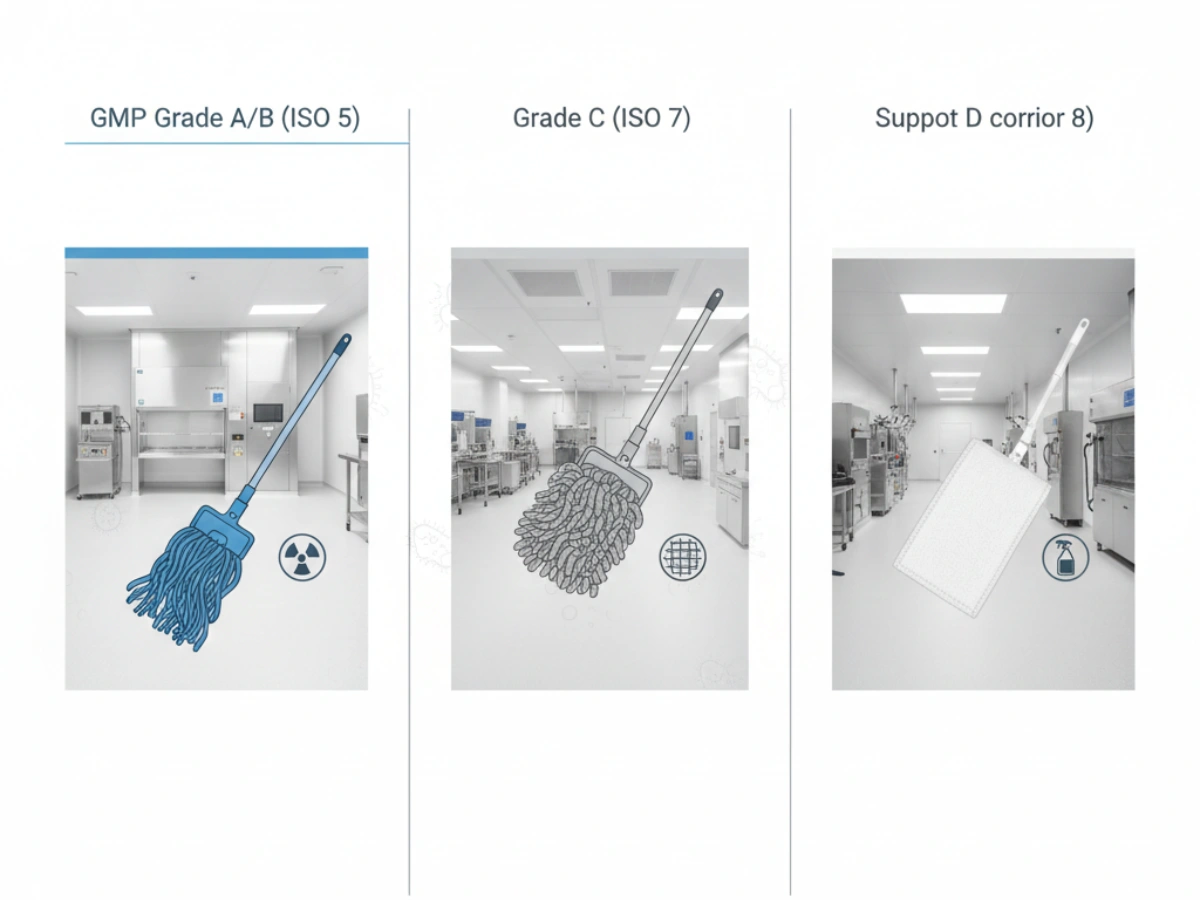
In einem regulierten Umfeld ist die Möglichkeit, eine fertige Produktcharge über die Produktion, die Sterilisation und den Rohstoffeingang zurückzuverfolgen, nicht optional – es handelt sich um eine Compliance-Anforderung. Das Rückverfolgbarkeitssystem eines Lieferanten bestimmt, ob ein vor Ort erkanntes Problem auf eine bestimmte Charge beschränkt werden kann.
Fordern Sie die Chargennummerierungs-SOP an. Überprüfen Sie die Nummerierungsstruktur: Kodiert sie das Produktionsdatum, den Produkttyp, die Produktionslinie oder die Schicht? Ein gut durchdachtes Nummerierungssystem ermöglicht eine schnelle Identifizierung des Produktionskontexts allein anhand der Chargennummer. Unstrukturierte oder nur fortlaufende Chargennummern sind eine Schwachstelle in Rückrufszenarien.
Wählen Sie eine fertige Produktcharge im Regal aus und fordern Sie eine Rückverfolgung zu den Rohstoffchargen an. Der Lieferant sollte in der Lage sein, Folgendes zu identifizieren: welche Rohstoffchargen verwendet wurden, welches Produktionsdatum und welche Schicht, welcher Sterilisationszyklus (falls zutreffend) und welche Verpackungsmaterialien. Diese Demonstration muss während des Audits durchgeführt werden.
Fordern Sie eine Dokumentation der letzten Proberückrufübung an. Überprüfung: Wie lange hat es gedauert, alle betroffenen Chargen zu identifizieren? Wie viel Prozent des Produkts wurden erfolgreich verbucht? Wurden Rückverfolgbarkeitslücken identifiziert und behoben? Ein Lieferant, der noch nie einen Scheinrückruf durchgeführt hat, hat sein Rückrufsystem nicht getestet.
Fordern Sie ein vollständiges Chargenprotokoll an und überprüfen Sie es. Die Aufzeichnung sollte Folgendes dokumentieren: verwendete Rohstoffchargen, Produktionsdatum und -uhrzeit, beteiligte Bediener, durchgeführte In-Prozess-Kontrollen, festgestellte Abweichungen, QC-Freigabeunterschrift und (bei sterilen Produkten) Bestätigung des Sterilisationszyklus. Unvollständige oder nicht unterzeichnete Chargenprotokolle sind ein Befund der Dokumentationskontrolle.
Eine detaillierte Analyse der Chargenrückverfolgbarkeitsanforderungen speziell für pharmazeutische Reinraummopps finden Sie im Chargenrückverfolgbarkeit für pharmazeutische Reinraummopps Artikel.
Das QMS ist das Rückgrat der Qualitätsfähigkeit eines Lieferanten. Sie bestimmt, ob Qualität systematisch oder reaktiv gemanagt wird. Ein Audit, bei dem das QMS zugunsten eines Rundgangs durch die Produktionshalle außer Acht gelassen wird, hat die Hälfte des Bildes verfehlt.
Fordern Sie das aktuelle QMS-Zertifikat und Qualitätshandbuch an. Stellen Sie sicher, dass die Zertifizierungsstelle akkreditiert ist und dass der Zertifizierungsumfang die zu auditierenden Produkte und Prozesse umfasst. Ein abgelaufenes Zertifikat oder ein Zertifizierungsumfang, der nicht zum Betrieb des Lieferanten passt, sind ein kritischer Befund.
Fordern Sie während des Audits drei verschiedene Dokumente an (z. B. eine SOP, eine Arbeitsanweisung und eine Chargenprotokollvorlage). Stellen Sie sicher, dass jedes über Folgendes verfügt: eine Dokumentnummer, eine Versionsnummer, ein Datum des Inkrafttretens und Genehmigungssignaturen. Fragen Sie, wie veraltete Dokumente von den Verwendungsstellen entfernt werden. Ein Fehler bei der Dokumentenkontrolle bedeutet, dass die Bediener möglicherweise nach veralteten Verfahren arbeiten.
Fordern Sie das CAPA-Protokoll der letzten 12 Monate an und wählen Sie ein geschlossenes CAPA zur eingehenden Überprüfung aus. Beurteilen: War die Untersuchung der Grundursache gründlich oder oberflächlich? War die Korrekturmaßnahme für die Ursache angemessen? Wurde die Wirksamkeit nach der Implementierung überprüft? Wurde die CAPA innerhalb eines angemessenen Zeitrahmens geschlossen?
Fordern Sie das Änderungskontrollprotokoll an. Achten Sie auf Änderungen an Rohstoffen, Produktionsprozessen, Geräten oder Verpackungen. Fragen Sie, wie Kunden über Änderungen informiert werden, die sich auf die Produktleistung oder -konformität auswirken können. Ein Lieferant, der Material- oder Prozessänderungen nicht proaktiv kommuniziert, führt zu unkontrollierten Schwankungen in der Lieferkette des Käufers.
Fordern Sie die Schulungsmatrix für Produktionsmitarbeiter und QS-Mitarbeiter an. Für die beim Rundgang beobachteten Bediener fordern Sie deren individuelle Schulungsunterlagen an. Stellen Sie sicher, dass die Schulung Folgendes umfasst: Anziehen, prozessspezifische SOPs, Kontaminationskontrolle und Dokumentationspraktiken. Bediener, die Aufgaben ohne dokumentierte Schulung ausführen, stellen einen Befund dar.
Fordern Sie das Beschwerdeprotokoll der letzten 12 Monate an. Überprüfen Sie, wie Beschwerden klassifiziert, untersucht und abgeschlossen werden. Fragen Sie gezielt nach Beschwerden im Zusammenhang mit Kontamination, Verpackungsintegrität oder Sterilität. Die Reaktion des Lieferanten auf diese Beschwerden verrät mehr über die Qualitätskultur als jedes Richtliniendokument.

Ein Lieferant muss nicht in den Rahmenbedingungen jedes Käufers ein Regulierungsexperte sein. Der Lieferant muss jedoch zeigen, dass er sich des regulatorischen Umfelds bewusst ist, in dem seine Produkte verwendet werden, und dass er die für seinen eigenen Betrieb geltenden Standards einhalten muss.
Fragen Sie im Gespräch mit dem QS-Manager: „Welche GMP- oder ISO-Anforderungen sind für die von Ihnen hergestellten Produkte am relevantesten?“ Die Qualität der Reaktion zeigt die Tiefe des Regulierungsbewusstseins. Ein Lieferant, der über die ISO 14644-Klassifizierung, die GMP-Anhang-1-Anforderungen für sterile Produkte und die Dokumentationserwartungen regulierter Käufer sprechen kann, weist branchenrelevantes Wissen nach.
Fordern Sie das Ergebnis der letzten behördlichen Inspektion an (durch eine Gesundheitsbehörde, eine benannte Stelle oder eine Zertifizierungsstelle). Überprüfen Sie alle Beobachtungen, Feststellungen oder Nichtkonformitäten sowie die Reaktion des Lieferanten. Eine Vorgeschichte wiederholter Befunde im selben Bereich weist auf eine systemische Schwäche hin.
Fragen Sie direkt, ob der Lieferant Abmahnungen, behördliche Durchsetzungsmaßnahmen oder Produktrückrufanforderungen erhalten hat. Wenn ja, überprüfen Sie die Details und Korrekturmaßnahmen. Diese Frage sollte auch dann gestellt werden, wenn in der bereitgestellten Dokumentation kein solcher Verlauf enthalten ist.
Erkundigen Sie sich nach der Qualifizierung und Überwachung von Unterlieferanten (Rohstofflieferanten, Sterilisationsdienstleister, Verpackungsmateriallieferanten). Ein Lieferant, der seine eigenen kritischen Lieferanten nicht prüft oder qualifiziert, führt zu unkontrollierten Risiken in der Lieferkette. Fordern Sie einen Nachweis über die Qualifikation von Unterlieferanten an.
Dies ist das zentrale operative Instrument des Audits. Jeder der 33 Kontrollpunkte unten ist einer der sieben Dimensionen zugeordnet. Der Prüfer sollte jeden Kontrollpunkt mit bewerten Konform, Teilweise, oder Nicht konform und dokumentieren Sie Beobachtungen in der Spalte „Notizen“. Diese Checkliste kann ausgedruckt und direkt beim Besuch vor Ort verwendet werden.
| # | Dimension | Kontrollpunkt | Anzufordernde Beweise | Bewertung | Notizen |
|---|---|---|---|---|---|
| 1 | Mfg-Umgebung | Das Zertifikat zur Reinraumklassifizierung ist aktuell (<12 Monate) und für den vorgesehenen Verwendungszweck geeignet | Zertifikat zur Reinraumklassifizierung; Name und Datum der Zertifizierungsstelle | ||
| 2 | Mfg-Umgebung | Die Wartung des HVAC-Systems wird dokumentiert. HEPA/ULPA-Filter werden nach Zeitplan gewechselt | 12-monatiges HVAC-Wartungsprotokoll; Änderungsdatensätze filtern | ||
| 3 | Mfg-Umgebung | Der Differenzdruck zwischen den Reinzonen wird überwacht und liegt innerhalb der Spezifikation | 6-monatige Druckdifferenz-Überwachungsaufzeichnungen | ||
| 4 | Mfg-Umgebung | Anziehprotokolle werden ausgehängt, befolgt und die Bediener werden geschult | Kleider-SOP; Schulungsaufzeichnungen für beobachtete Bediener | ||
| 5 | Mfg-Umgebung | Die Umweltüberwachung (lebensfähig und nicht lebensfähig) wird nach einem festgelegten Zeitplan durchgeführt | Umweltüberwachungsplan; 6 Monate Überwachungsdaten | ||
| 6 | Partikelkontrolle | Während der Produktion wird eine prozessbegleitende Partikelüberwachung durchgeführt (nicht nur die Prüfung des fertigen Produkts). | In-Prozess-Partikelüberwachungsdaten aus letzten Produktionsläufen | ||
| 7 | Partikelkontrolle | Postproduktionsprodukte werden vor Kontamination zwischen Herstellung und Verpackung geschützt | Beobachtung: Produkthandhabung zwischen Produktionslinie und Verpackungsbereich | ||
| 8 | Partikelkontrolle | Die SOP zur Produkthandhabung wird dokumentiert und befolgt. Bediener verwenden geeignete Handschuhe | Produkthandhabungs-SOP; Beobachtung durch den Bediener | ||
| 9 | Partikelkontrolle | Sterile und unsterile Produktionslinien sind physisch oder zeitlich getrennt | Beobachtung: Linientrennung; dokumentiertes Line-Clearance-Verfahren | ||
| 10 | Materialkontrolle | Für primäre Stoffkomponenten sind Rohstoff-CoAs und Zertifizierungen verfügbar | Rohstoff-CoA für Stoffe und Komponenten | ||
| 11 | Materialkontrolle | Eingehende Materialien werden vor der Freigabe für die Produktion anhand definierter Kriterien geprüft | IQC-SOP; Beispiel-IQC-Aufzeichnungen | ||
| 12 | Materialkontrolle | Die Rückverfolgbarkeit des Materials vom Wareneingang bis zur fertigen Produktcharge ist nachweisbar | Rückverfolgungsdemo: eine fertige Charge bis zu Rohmaterial-Eingangschargen | ||
| 13 | Materialkontrolle | Die Liste der zugelassenen Lieferanten für Rohstoffe wird geführt und Unterlieferanten werden qualifiziert | Aktuelle Liste zugelassener Lieferanten; Qualifikationsaufzeichnungen für Unterstufen | ||
| 14 | Materialkontrolle | Materialien werden unter kontrollierten Bedingungen gelagert; Das FIFO-System ist vorhanden | Beobachtung: Lagerbedingungen des Materials; FIFO-Verfahren | ||
| 15 | Verpackung & Sterilität | Der Verpackungsprozess ist validiert; Validierungsbericht ist verfügbar | Bericht zur Validierung des Verpackungsprozesses | ||
| 16 | Verpackung & Sterilität | Es werden Prüfungen der Siegelintegrität durchgeführt und es liegen Aufzeichnungen über aktuelle Chargen vor | Aufzeichnungen über die Siegelintegritätsprüfung (letzte 3 Chargen) | ||
| 17 | Verpackung & Sterilität | Der Sterilisationsprozess ist validiert; SAL ist dokumentiert (nur sterile Produkte) | Sterilisationsvalidierungsbericht; SAL-Dokumentation | ||
| 18 | Verpackung & Sterilität | Sterile Fertigprodukte werden von unsterilen getrennt; Der Freigabeprozess wird dokumentiert | Beobachtung: Segregation; Produktfreigabe-SOP | ||
| 19 | Verpackung & Sterilität | Die Haltbarkeitsdauer der Sterilität wird mit unterstützenden Daten validiert (Echtzeit oder beschleunigte Alterung). | Studienbericht zur Haltbarkeitsvalidierung | ||
| 20 | Chargenrückverfolgbarkeit | Das Chargennummerierungssystem ist in einer SOP strukturiert und dokumentiert | Chargennummerierungs-SOP | ||
| 21 | Chargenrückverfolgbarkeit | Im Rahmen des Audits wird die lückenlose Rückverfolgbarkeit vom fertigen Produkt bis zur Rohmaterialcharge nachgewiesen | Live-Traceback-Demonstration | ||
| 22 | Chargenrückverfolgbarkeit | Es wurde eine Scheinrückrufübung durchgeführt; Ergebnisse werden dokumentiert und Lücken behoben | Neuester Scheinrückrufbericht | ||
| 23 | Chargenrückverfolgbarkeit | Die Chargenprotokolle sind vollständig: Rohstoffe, Produktionsparameter, QC-Prüfungen, Freigabeunterschrift | Ein vollständiges Chargenprotokoll (zufällige Auswahl) | ||
| 24 | Dokumentation & QMS | QMS-Zertifikat ist aktuell; Der Umfang der Zertifizierung umfasst geprüfte Produkte und Prozesse | Aktuelles QMS-Zertifikat; Qualitätshandbuch | ||
| 25 | Dokumentation & QMS | Das Dokumentenkontrollsystem ist wirksam: Versionsnummern, Genehmigungsdaten, Entfernung veralteter Dokumente | Überprüfen Sie 3 Dokumente (SOP, WI, Formular); Überprüfen Sie die Versionskontrolle | ||
| 26 | Dokumentation & QMS | Das CAPA-System funktioniert: Ursachenanalyse, Korrekturmaßnahmen, Wirksamkeitsüberprüfung | CAPA-Protokoll (12 Monate); eine geschlossene CAPA-Tiefenrezension | ||
| 27 | Dokumentation & QMS | Der Änderungskontrollprozess ist dokumentiert. Kunden werden über relevante Änderungen informiert | Änderungskontrollprotokoll (12 Monate); Kundenbenachrichtigung SOP | ||
| 28 | Dokumentation & QMS | Die Schulungsunterlagen für Produktionsbediener und Qualitätssicherungspersonal sind vollständig und aktuell | Trainingsmatrix; individuelle Datensätze für beobachtete Operatoren | ||
| 29 | Dokumentation & QMS | Das Beschwerdebearbeitungssystem funktioniert: Beschwerden werden innerhalb definierter Zeitrahmen klassifiziert, untersucht und abgeschlossen; Beschwerden über Kontamination/Verpackung/Sterilität werden speziell behandelt | Beschwerdeprotokoll (12 Monate); Beispielaufzeichnungen zur Beschwerdeuntersuchung | ||
| 30 | Regulatorisch | Der Lieferant zeigt, dass er die für die Anlage des Käufers geltenden GMP/ISO-Anforderungen versteht | QA-Manager-Diskussion; dokumentiertes regulatorisches Bewusstsein | ||
| 31 | Regulatorisch | Die Ergebnisse der behördlichen Inspektionen liegen vor; Alle Feststellungen wurden mit dokumentiertem CAPA behoben | Letzter behördlicher Inspektionsbericht; zugehörige CAPA-Datensätze | ||
| 32 | Regulatorisch | Keine ungelösten Abmahnungen oder behördlichen Durchsetzungsmaßnahmen; Für alle früheren Durchsetzungsmaßnahmen wurden Korrekturmaßnahmen und Schließungen dokumentiert | Direkte Anfrage während der QS-Manager-Besprechung; Überprüfung der behördlichen Korrespondenz | ||
| 33 | Regulatorisch | Unterlieferanten (Rohstoffe, Sterilisation, Verpackung) werden qualifiziert und überwacht; Es liegen Nachweise über die Qualifikation von Unterlieferanten vor | Aufzeichnungen über die Qualifikation von Unterlieferanten; Audit- oder Überwachungsdokumentation für Unterlieferanten |
Mit dieser Checkliste: Drucken Sie diese Tabelle vor dem Besuch vor Ort aus. Bewerten Sie jeden Kontrollpunkt als konform (C), teilweise (P) oder nicht konform (NC). Der Befund „Teilweise oder nicht konform“ an einem Prüfpunkt der Dimension 4 oder 6 sollte eine formelle CAPA-Anfrage auslösen. Mehrere nicht konforme Bewertungen in einer einzelnen Dimension können eher auf einen systemischen Fehler als auf eine isolierte Lücke hinweisen.
Ein Lieferant kann Dokumente erstellen, die ein kontrolliertes Bild vermitteln. Die Produktionshalle erzählt eine andere Geschichte. Eine wirksame Auditierung unterscheidet zwischen dem, was dokumentiert wird („Wir haben eine SOP zum Anziehen“) und dem, was beobachtet wird („Die Bediener haben den Produktionsbereich betreten, ohne die Handschuhe zu wechseln“).
Jedes Audit-Ergebnis fällt in eine von drei Kategorien:
Die SOP existiert und die Betreiber befolgen sie. Dies ist der Zielzustand. Beispiel: Es wird eine SOP zum Ankleiden veröffentlicht und die Bediener werden bei jedem Schritt beobachtet.
Die SOP existiert auf dem Papier, wird aber in der Praxis nicht befolgt. Beispiel: Eine Umweltüberwachungs-SOP sieht eine monatliche Probenahme vor, aber das Überwachungsprotokoll weist Lücken von 2-3 Monaten auf.
Es gibt weder ein Verfahren noch eine Praxis. Dies ist die Lücke mit dem höchsten Risiko. Beispiel: Zwischen Herstellung und Verpackung wird kein Reinigungsschritt nach der Produktion des Produkts dokumentiert oder durchgeführt.
Bestimmte Beobachtungen während des Besuchs vor Ort sollten als Warnsignale behandelt werden, unabhängig davon, was in der Dokumentation steht:
Sprechen Sie während des Rundgangs direkt mit den Produktionsmitarbeitern. Ihre Antworten verraten oft mehr als Managementpräsentationen. Beispielfragen:
Legen Sie vor dem Audit mit dem Lieferanten Fotografieregeln fest. Einige Einrichtungen verbieten das Fotografieren in bestimmten Bereichen. Mindestens:
Der Besuch vor Ort bringt Beobachtungen und Beweise hervor. In der Post-Audit-Phase werden diese Rohdaten in eine strukturierte Bewertung und eine vertretbare Lieferantenentscheidung umgewandelt.
Verwenden Sie als Bewertungsinstrument die 33 Punkte umfassende Checkliste aus Abschnitt 5. Es stehen zwei Ansätze zur Verfügung:
Weisen Sie den für Ihre Einrichtung wichtigen Abmessungen ein höheres Gewicht zu. Für die sterile Herstellung: Dimension 4 (Gewicht x2) und Dimension 6 (Gewicht x1,5). Für unsteril: Dimension 2 und Dimension 3 können ein höheres Gewicht tragen. Multiplizieren Sie die Bewertungspunktzahl mit der Dimensionsgewichtung. Berechnen Sie die Gesamtpunktzahl als Prozentsatz der maximal möglichen gewichteten Punktzahl.
Definieren Sie 5–8 kritische Kontrollpunkte, die automatisch disqualifiziert werden, wenn sie als „Nicht konform“ eingestuft werden. Beispiele für kritische Tore: Aktuelle Reinraumklassifizierung (Prüfung Nr. 1), Sterilisationsvalidierung verfügbar (Prüfung Nr. 17), durchgängige Rückverfolgbarkeit nachgewiesen (Prüfung Nr. 21), aktuelles QMS-Zertifikat (Prüfung Nr. 24). Diese Methode ist einfacher, aber für den Vergleich zwischen Lieferanten weniger differenziert.
| Bewertung | Punktzahl | Definition |
|---|---|---|
| Konform (C) | 2 | Es liegen dokumentierte Beweise vor, die durch Beobachtung oder Überprüfung der Aufzeichnungen überprüft wurden. Keine Lücken festgestellt. |
| Teilweise (P) | 1 | Es gibt einige Beweise, die jedoch unvollständig, veraltet oder nicht vollständig umgesetzt sind. Identifizierte Lücken, die durch Korrekturmaßnahmen behoben werden können. |
| Nicht konform (NC) | 0 | Es liegen keine Beweise vor oder vorhandene Beweise widersprechen der Anforderung. Dies stellt eine systemische Lücke oder das Fehlen von Kontrollen dar. |
Ein vollständiger Auditbericht sollte Folgendes enthalten:
Jeder Befund, der Korrekturmaßnahmen erfordert, sollte dokumentiert werden mit:
Feststellungsbegründung: Beschreiben Sie die spezifische Beobachtungs- oder Beweislücke. Verweisen Sie auf die Kontrollpunktnummer.
Auswirkungen auf Regulierung/Qualität: Erklären Sie, warum dieser Befund für die Produktqualität, Compliance oder Patienten-/Produktsicherheit von Bedeutung ist.
Erforderliche Korrekturmaßnahme: Geben Sie an, was der Lieferant tun muss, um das Ergebnis zu schließen. Seien Sie konkret – „Verbesserung der Kleidungskonformität“ ist zu vage. „Schulen Sie alle Produktionsmitarbeiter auf das Anziehen von SOP SOP-023 Rev 4 um und stellen Sie datierte Schulungsunterlagen zur Verfügung“ ist umsetzbar.
Zieldatum: Legen Sie eine realistische, aber feste Frist fest.
Verifizierungsmethode: Geben Sie an, wie die Korrekturmaßnahme überprüft wird (z. B. Folgeaudit, Einreichung der Dokumentation, Remote-Beweisprüfung).
| Entscheidung | Kriterien | Nächster Schritt |
|---|---|---|
| Genehmigen | Alle kritischen Kontrollpunkte sind konform. Gewichteter Wert über 85 %. Keine Teil- oder NC-Bewertungen in Dimension 4 (Verpackung/Sterilität) oder Dimension 6 (QMS). Keine Sicherheits- oder behördlichen Warnsignale. | Lieferanten zur Liste der zugelassenen Lieferanten hinzufügen. Definieren Sie einen laufenden Überwachungsplan (regelmäßige erneute Prüfung, Qualitäts-Scorecard). |
| Bedingte Genehmigung | Alle kritischen Kontrollpunkte mindestens teilweise (keine NC). Gewichtete Punktzahl 65–85 %. NC- oder P-Befunde liegen in unkritischen Dimensionen vor und können mit dokumentiertem CAPA innerhalb von 60–90 Tagen behoben werden. | Erteilen Sie eine bedingte Genehmigung mit der angegebenen CAPA-Abschlussfrist. Geben Sie keine Produktionsaufträge vor der CAPA-Überprüfung auf. Planen Sie ein Folgeaudit innerhalb von 6 Monaten. |
| Ablehnen | Jeder kritische Kontrollpunkt ist NC. Gewichteter Wert unter 65 %. NC-Bewertungen in Dimension 4 oder Dimension 6. Der Lieferant kann die für die Produktion von Reinraum-Verbrauchsmaterialien erforderlichen Kontrollen nicht nachweisen. | Begründung für die Ablehnung des Dokuments. Wenn der Lieferant die einzige qualifizierte Quelle ist, eskalieren Sie es mit einer Risikobewertung an das Management. Führen Sie eine erneute Prüfung nur durch, wenn grundlegende Änderungen nachgewiesen werden. |
Bei diesen Schwellenwerten handelt es sich um Richtwerte. Für GMP-Sterilproduktionsanlagen sollte die Hürde für die Zulassung höher liegen. Für unsterile Reinräume niedrigerer Qualität kann eine bedingte Genehmigung mit vereinbarter CAPA ein akzeptables Ergebnis sein, wenn alle kritischen Kontrollpunkte zumindest teilweise erfüllt sind.
Lieferantenaudits sind keine einmaligen Ereignisse. Erstellen Sie einen Zeitplan für die erneute Prüfung basierend auf:
Das Lieferantenaudit ist ein Bestandteil eines umfassenderen Lieferantenmanagement- und Beschaffungssystems. Die folgenden Ressourcen erweitern das Audit-Framework um entsprechende Inhalte zur Entscheidungsunterstützung:
Konzentrieren Sie sich auf fünf beobachtbare Bereiche: (1) die Reinraumklassifizierung des Produktionsbereichs und ob diese beibehalten wird (Überprüfung von Druckunterschieden, Einhaltung der Kleidungsvorschriften, Umgebungsüberwachungsdaten), (2) wie Produkte zwischen Produktionsabschluss und Verpackung gehandhabt werden – hier verlieren viele Reinraumprodukte ihre Sauberkeit, (3) ob sterile und nicht sterile Linien physisch getrennt sind, (4) Verpackungsvorgänge und Siegelintegritätspraktiken und (5) ob Bediener Prozessfragen beantworten können, ohne sich an einen Vorgesetzten zu wenden. Eine alleinige Dokumentation reicht ohne Vor-Ort-Beobachtung nicht aus.
Ein standardmäßiges ISO 9001-Lieferantenaudit bewertet das allgemeine Qualitätsmanagement: Dokumentenkontrolle, Schulung, Korrekturmaßnahmen und grundlegende Prozesskontrolle. Ein Reinraum-Mopplieferanten-Audit fügt fünf kritische Dimensionen hinzu, die ein allgemeines Audit nicht berücksichtigt: (1) Reinraumklassifizierung und -überwachung der Produktionsumgebung, (2) Partikelkontrolle und Kontaminationsverhinderung nach der Produktion, (3) Validierung der Verpackungsintegrität, die für den Reinraumtransfer relevant ist, (4) Sterilitätssicherungsprozesse einschließlich Sterilisationsvalidierung und (5) Partikelprüfung und Dokumentation für das fertige Produkt. Wenn Ihr Auditformular diese fünf Bereiche nicht umfasst, ist es für einen Reinraum-Verbrauchsmateriallieferanten nicht ausreichend.
Fordern und überprüfen Sie vor dem Besuch vor Ort mindestens Folgendes: QMS-Zertifikat und Qualitätshandbuch, Reinraumklassifizierungszertifikat, 6-monatige Umweltüberwachungsaufzeichnungen, Zusammenfassung des Validierungspakets (Sterilisation, Verpackung, Haltbarkeit), Chargenrückverfolgbarkeits-SOP, CAPA-Protokoll für die letzten 12 Monate, Änderungskontrollprotokoll und Zusammenfassung der Schulungsaufzeichnungen. Senden Sie diese Anfrage 2-3 Wochen vor dem Audit. Wenn der Lieferant diese Dokumente nicht vorab bereitstellen kann oder will, stellt dies selbst eine Auditfeststellung dar – es kann ein Hinweis auf Dokumentationslücken oder eine mangelnde Auditbereitschaft sein.
Überprüfen Sie die Partikelkontrolle mit drei Methoden: (1) Fordern Sie In-Prozess-Partikelüberwachungsdaten aus letzten Produktionsläufen an und überprüfen Sie alle Überschreitungen und Untersuchungen, (2) Beobachten Sie die Produktionslinie direkt – achten Sie darauf, ob Produkte zwischen den Prozessschritten exponiert sind, ob Bediener Materialien mit geeigneten Handschuhen handhaben und ob Transferbehälter für Reinräume geeignet sind, und (3) fragen Sie den Lieferanten, wie er validiert, dass das fertige Produkt den Partikelspezifikationen entspricht – fordern Sie die Testmethode, Akzeptanzkriterien und aktuelle Ergebnisse an. Ein Lieferant, der nur fertige Produkte ohne In-Prozess-Überwachung testet, hat keine Möglichkeit, Partikelabweichungen zu erkennen, bevor sie zu Problemen mit dem fertigen Produkt führen.
Stellen Sie Bedienern und nicht nur Managern die folgenden Fragen: „Können Sie mir zeigen, was Sie tun, wenn Ihnen während der Produktion etwas Ungewöhnliches auffällt?“ (testet Abweichungsberichte), „Wann wurde diese SOP zuletzt aktualisiert?“ (testet das Bewusstsein): „Was tun, wenn ein Produkt auf den Boden fällt?“ (testet den Umgang mit Kontaminationen), „Woher wissen Sie, welche Materialcharge Sie verwenden?“ (testet das Bewusstsein für die Rückverfolgbarkeit) und „Haben Sie jemals ein Qualitätsproblem gemeldet, das zu einer Prozessänderung geführt hat?“ (testet die CAPA-Kultur). Die Art und Weise, wie Betreiber diese Fragen beantworten, verrät oft mehr über die tatsächliche Qualitätskultur als jede Managementpräsentation.
Bei sterilen Leitungen ist eine physische Trennung von unsterilen Leitungen unerlässlich. Stellen Sie sicher, dass sterile Produkte keinen Produktionsraum, keine Ausrüstung oder keine Personalflusswege mit nicht sterilen Produkten teilen, ohne dass zwischen den Durchläufen eine dokumentierte Produktionsfreigabe und Umgebungsüberwachung erfolgt. Bei nicht sterilen Leitungen kann die Trennung eher zeitlicher als physischer Natur sein, sie muss jedoch dokumentiert und überprüft werden. Der Hauptunterschied: Ein Trennungsfehler in einer Sterilitätslinie kann die Sterilitätsansprüche direkt gefährden; Ein Trennungsfehler in einer nicht sterilen Linie führt zu einem Kontaminationsrisiko für ein Produkt, für das kein Anspruch auf Sterilität erhoben wird.
Zu den häufigsten Feststellungen gehören: (1) abgelaufenes oder fehlendes Reinraum-Klassifizierungszertifikat, (2) unvollständige Umweltüberwachungsdaten mit ungeklärten Lücken, (3) Verpackung, die nicht für den Reinraumtransfer validiert ist – die Prüfung der Siegelintegrität fehlt oder ist unzureichend, (4) Chargenrückverfolgbarkeit, die an der Verbindung zwischen Rohmaterial und Produktion unterbrochen wird, (5) Bediener beobachteten, dass sie sich beim Durchgehen nicht an die Kleidungsprotokolle hielten, (6) die Sterilisation wurde an einen Anbieter vergeben, der vom Lieferanten nicht geprüft oder qualifiziert wurde, und (7) CAPA-Untersuchungen, die oberflächlich sind – die Grundursache wird als „Bedienerfehler“ ohne tiefergehende systemische Analyse angegeben. Jedes dieser Ergebnisse weist auf eine Lücke zwischen dokumentierten Qualitätssystemen und der betrieblichen Realität hin.
Verwenden Sie den folgenden Rahmen: (1) Genehmigen Sie, wenn alle kritischen Kontrollpunkte konform sind, die gewichtete Punktzahl 85 % übersteigt und keine Lücken in der Verpackung/Sterilität (Dimension 4) oder im QMS (Dimension 6) bestehen. (2) Unter Auflagen genehmigen, wenn kritische Kontrollpunkte zumindest teilweise sind, die gewichtete Punktzahl 65–85 % beträgt und Lücken in nicht kritischen Dimensionen mit dokumentiertem CAPA vorliegen, die innerhalb von 60–90 Tagen geschlossen werden können. Erteilen Sie keine Produktionsaufträge, bis CAPA überprüft wurde. (3) Ablehnen, wenn ein kritischer Prüfpunkt nicht konform ist, die gewichtete Punktzahl unter 65 % liegt oder NC-Bewertungen in Dimension 4 oder 6 vorliegen. Dokumentieren Sie die Gründe für die Ablehnung und die Bedingungen, unter denen eine erneute Prüfung in Betracht gezogen werden würde. Für die GMP-Sterilherstellung liegt die Messlatte höher: Jede NC in Dimension 4 ist in der Regel disqualifizierend.
Unser technisches Team kann Ihren Lieferantenqualifizierungsprozess mit Anlagendokumentation, Validierungspaketen und technischer Beratung unterstützen. Wenden Sie diese 7-dimensionale Checkliste mit 33 Punkten an und fordern Sie die Dokumentation an, die Sie zum Abschluss Ihrer Auditvorbereitung benötigen.
Dokumentationspakete, einschließlich Echtheitszertifikate, Materialzertifizierungen und Aufzeichnungen zur Chargenrückverfolgbarkeit, stehen für die Auditprüfung zur Verfügung.