Trapeador para salas blancas desechable o reutilizable: ¿cuál debería elegir?

Disposable and reusable cleanroom mops serve different contamination-control workflows. This guide compares both options for GMP and ISO cleanrooms, including cross-contamination risk, laundering control, validation repeatability, packaging, total cost and procurement decisions.
Trapeador para sala limpia versus trapeador normal: ¿cuál es la diferencia?
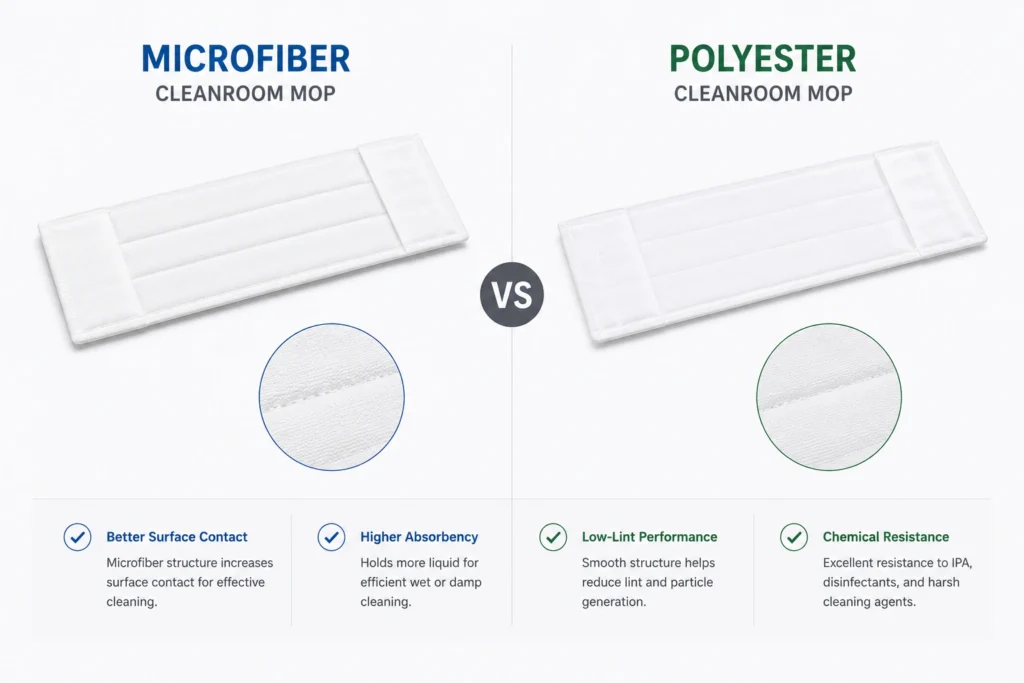
A cleanroom mop is designed for controlled environments where particle, fiber and contamination control matter, while a regular mop is made for general cleaning. This guide compares cleanroom mops and regular mops by material, lint control, packaging, GMP suitability, workflow and buyer selection criteria.
¿Qué documentos deben solicitar los compradores para la validación del trapeador para salas blancas?
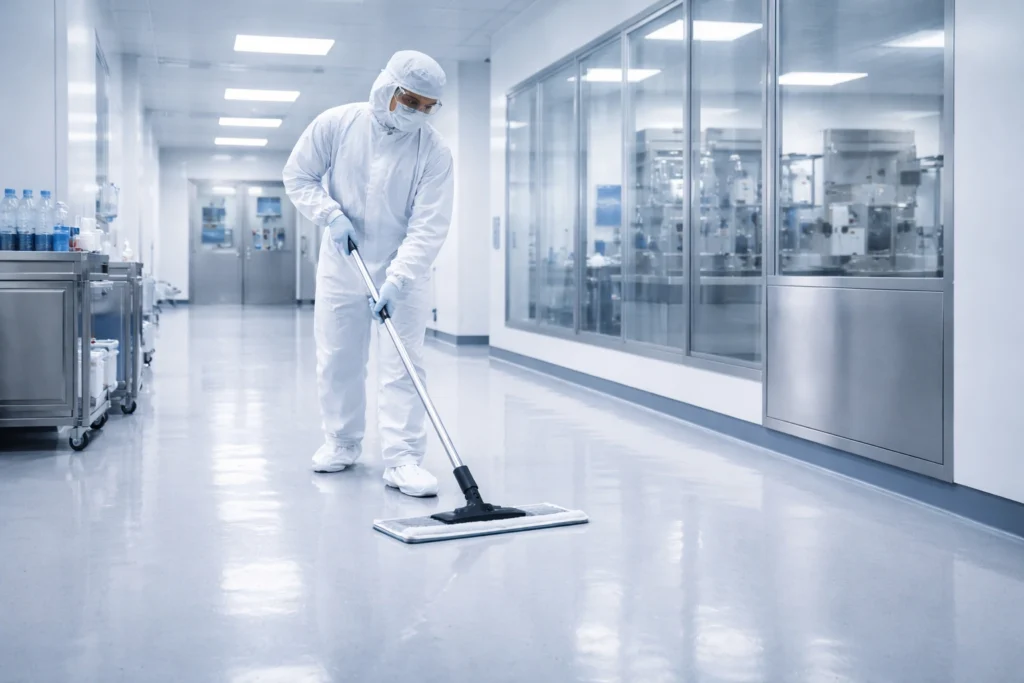
Cleanroom mop validation documents help B2B buyers, QA teams, and procurement managers evaluate whether a mop system fits GMP, ISO, pharmaceutical, biotech, semiconductor, medical device, or laboratory cleanroom workflows. This guide explains what documents to request from suppliers, including TDS, product specifications, material details, sterility information, packaging data, lot traceability, sample records, and supplier qualification support.
Cómo elegir un sistema de trapeador para salas blancas GMP e ISO
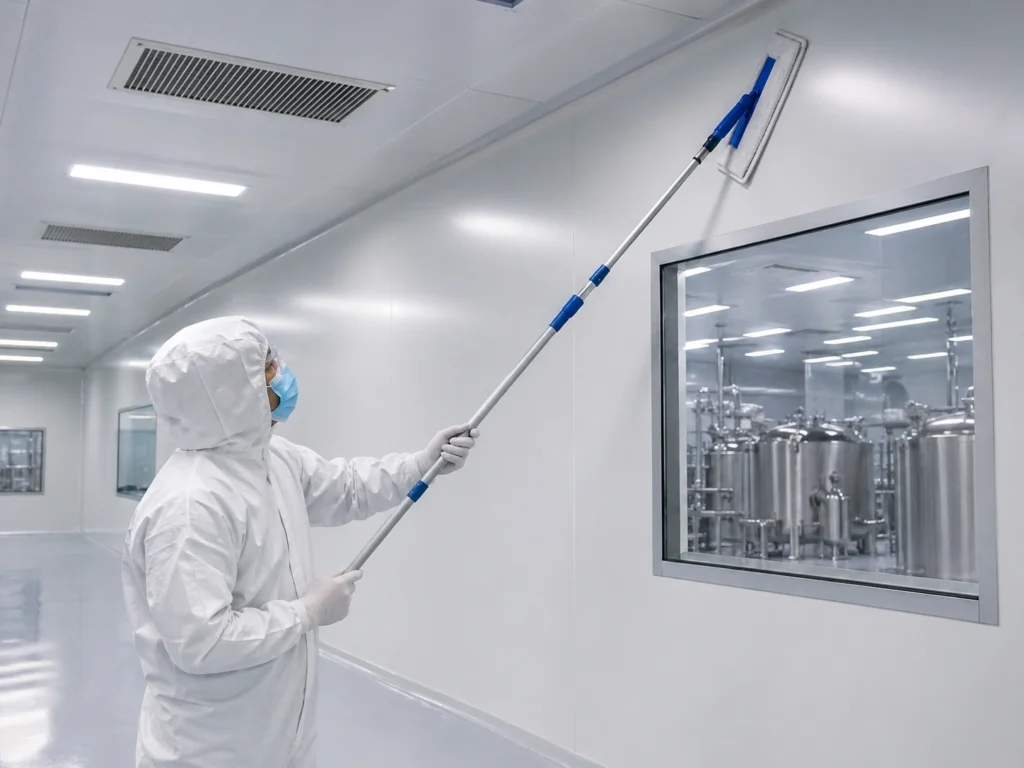
Choosing a cleanroom mop system for GMP and ISO cleanrooms requires more than selecting a mop head. B2B buyers should compare cleanroom classification, cleaning surface, mop material, sterile or non-sterile options, bucket and wringer configuration, disinfectant compatibility, documentation needs, sample availability, MOQ, and lead time. This guide provides a practical selection checklist for pharmaceutical, biotech, semiconductor, medical device, and laboratory cleanroom cleaning workflows.
Mejores prácticas para el control de la contaminación en salas limpias | POSICIÓN MEDIA
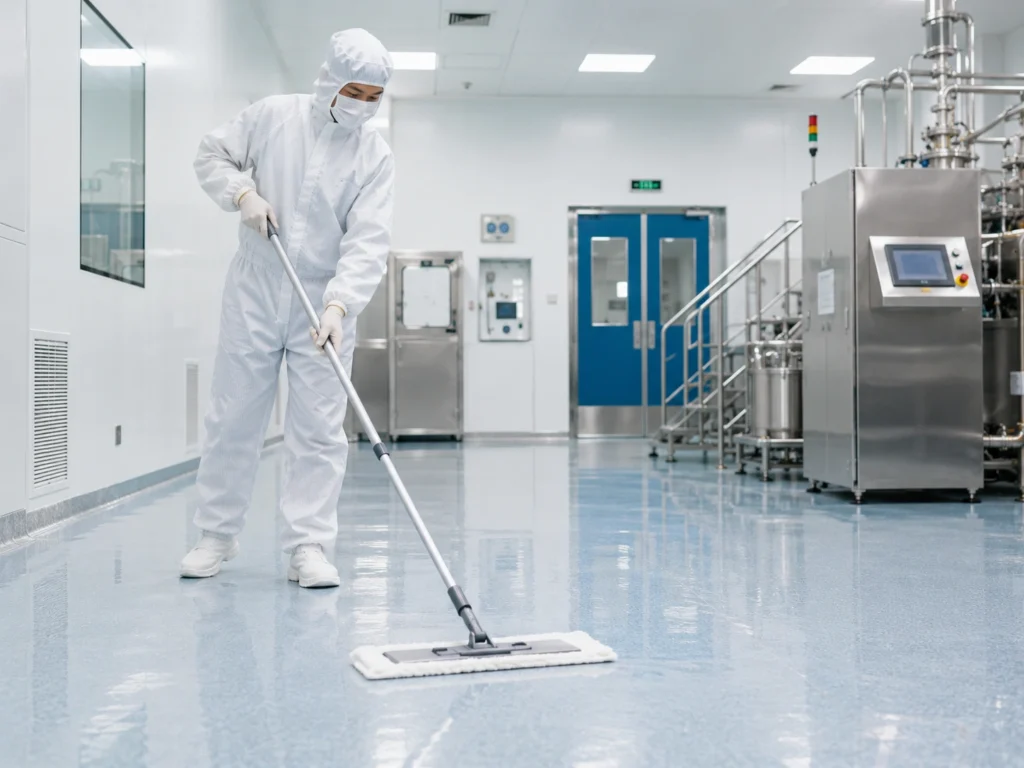
Discover best practices for cleanroom contamination control. Learn about GMP/ISO standards, low-lint mop systems, sterile wipes, gowning procedures, and audit-ready documentation to protect product quality.
Cómo elegir un sistema de trapeador para salas blancas GMP e ISO
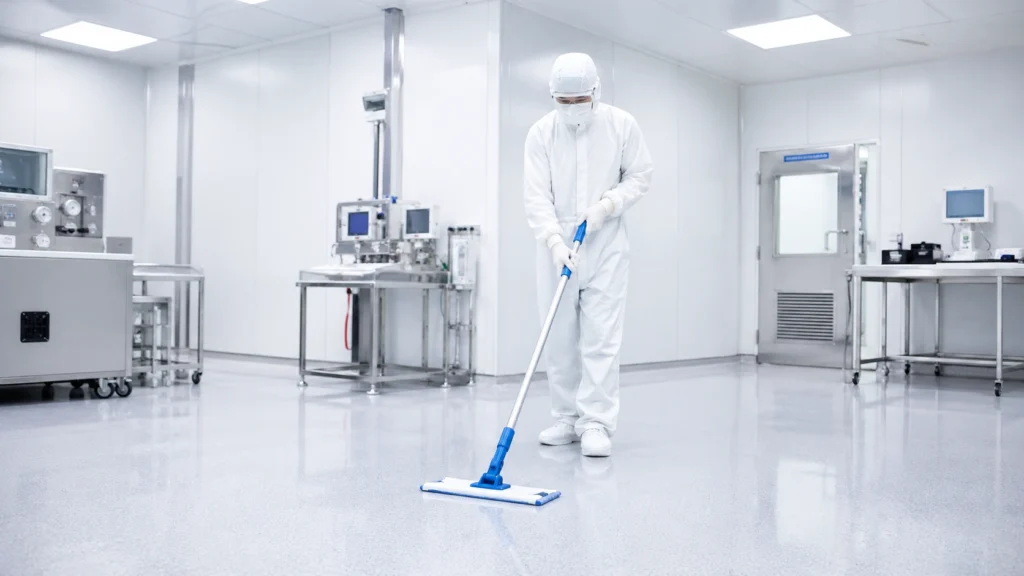
Choosing a cleanroom mop system for GMP and ISO cleanrooms requires more than selecting a mop head. B2B buyers should compare cleanroom classification, cleaning surface, mop material, sterile or non-sterile options, bucket and wringer configuration, disinfectant compatibility, documentation needs, sample availability, MOQ, and lead time. This guide provides a practical selection checklist for pharmaceutical, biotech, semiconductor, medical device, and laboratory cleanroom cleaning workflows.
Trapeador para salas blancas estéril y no estéril: ¿cuál es la diferencia?
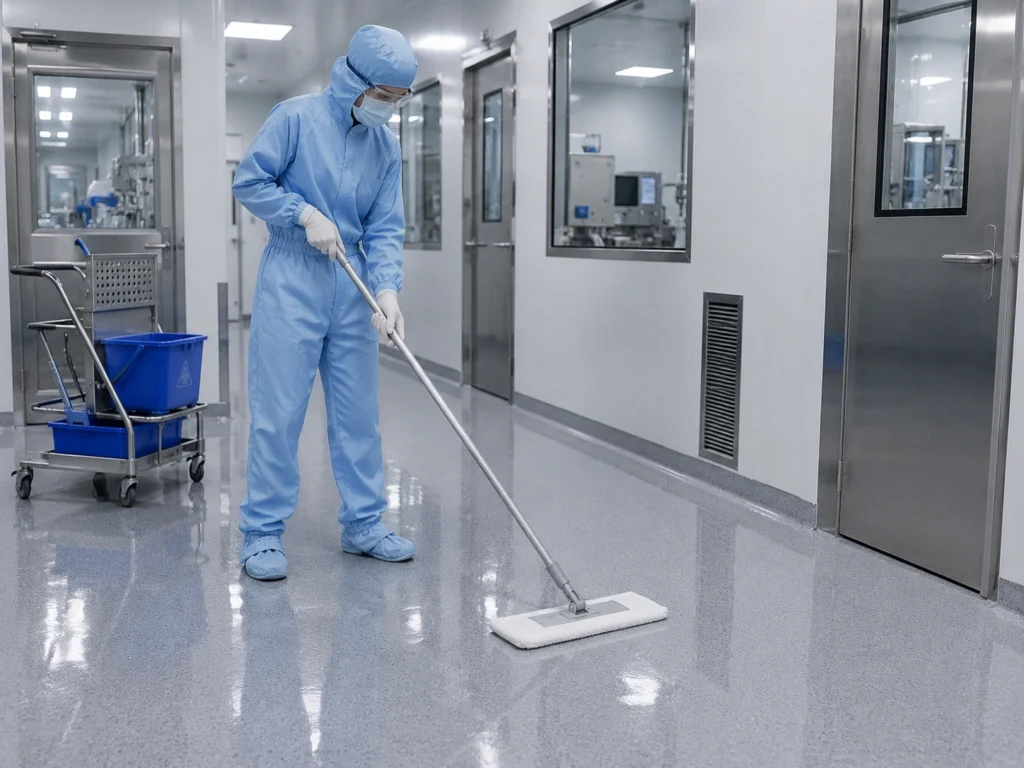
Sterile and non-sterile cleanroom mops are used for different controlled cleaning workflows. This guide explains the key differences in sterility, packaging, GMP suitability, contamination-control risk, documentation, cost and procurement selection.
¿Qué es un trapeador con poca pelusa?
Low-Lint Cleanroom Mop Definition What Is a Low-Lint Mop? A low-lint mop is a mop designed to reduce fiber release and particle generation during cleaning. In cleanrooms, low-lint mops are used to support contamination control in GMP, ISO-classified, pharmaceutical, biotechnology, semiconductor, medical device, laboratory, and controlled-environment cleaning workflows. Quick answer: A low-lint mop is a […]
Trapeador para sala limpia versus trapeador normal: ¿cuál es la diferencia?
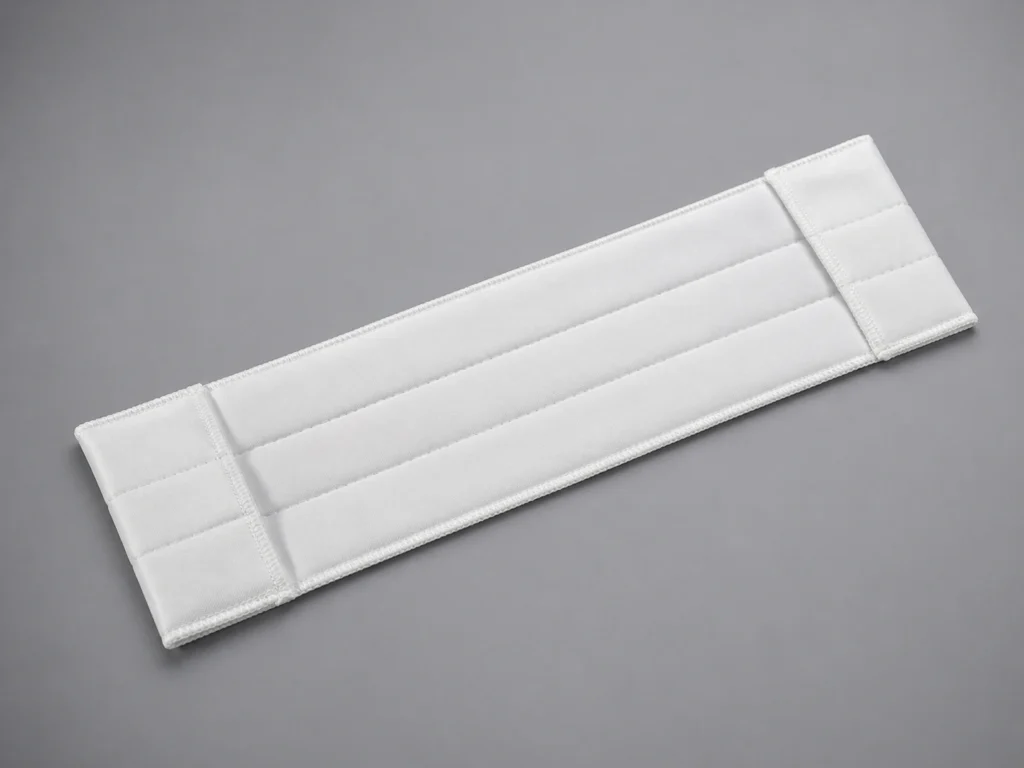
A clean room mop is a low-lint cleaning tool selected for controlled environments, while a regular mop is made for general cleaning and may release fibers, lint, or residues. This guide compares clean room mops and regular mops by material, particle control, sterile options, applications, and B2B buyer selection factors for ISO and GMP cleanroom workflows.