Un cadre complet pour comprendre les risques de contamination, les couches de contrôle, les systèmes de surveillance, la discipline de nettoyage et la logique de documentation dans les environnements pharmaceutiques et contrôlés.
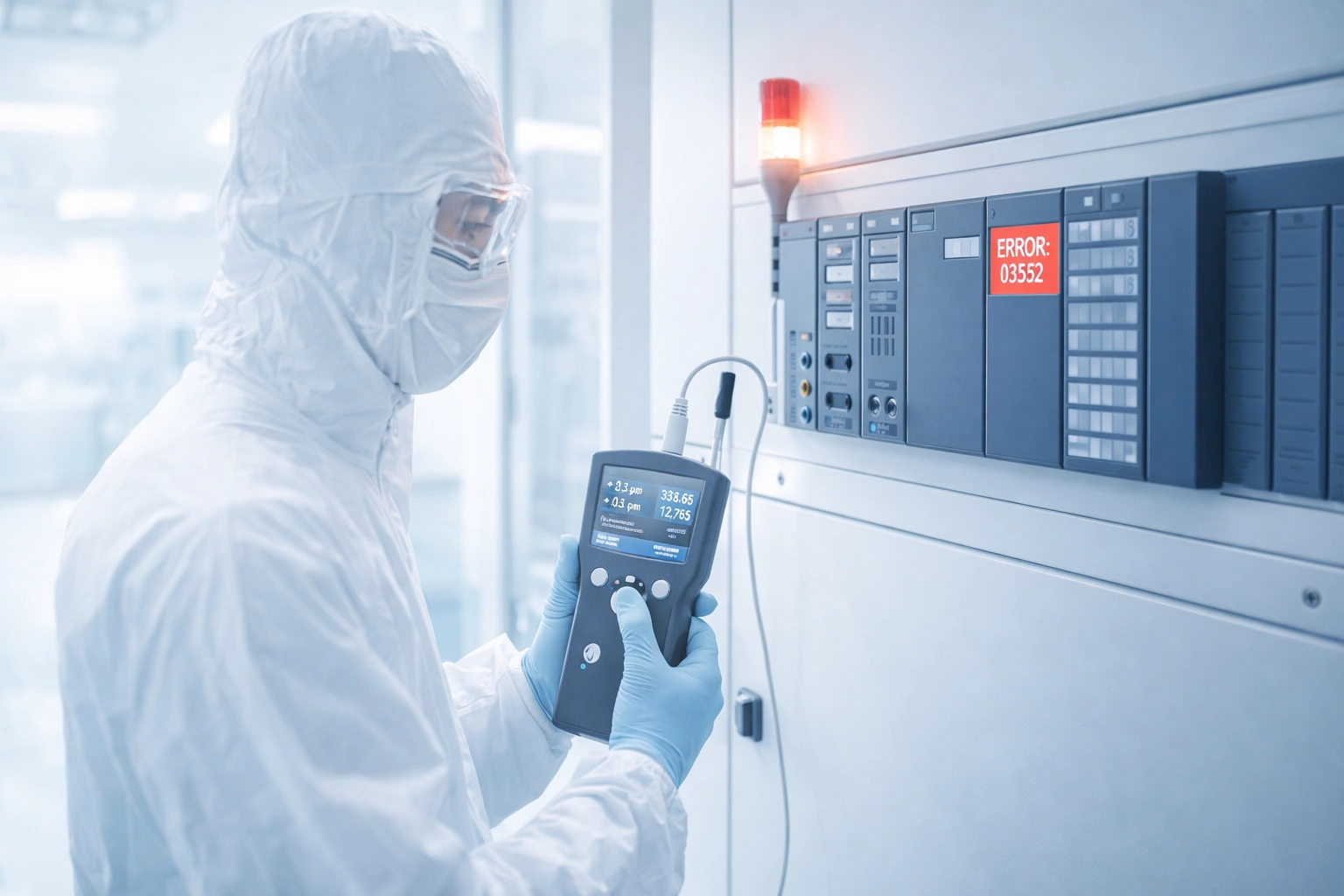
Le contrôle de la contamination n’est pas un outil ou une SOP. C'est la gestion combinée des personnes, des surfaces, des matériaux, de l'air, de la surveillance, du nettoyage et de la documentation.
Le contrôle de la contamination des salles blanches est la prévention, la détection et la gestion structurées des particules, des microbes et des risques liés aux processus dans des environnements contrôlés. Une solide stratégie de contrôle de la contamination combine la conception des installations, la discipline du personnel, les systèmes de nettoyage, surveillance environnementale, l'exécution des SOP et la logique de révision BPF documentée.
Le contrôle de la contamination en salle blanche est la gestion structurée des particules, des microbes, des personnes, des matériaux, des surfaces et des flux de travail afin de maintenir des conditions environnementales acceptables pour les opérations contrôlées par les BPF.
Dans les environnements pharmaceutiques et de fabrication de haute qualité, le contrôle de la contamination n’est pas seulement une question de propreté. Cela affecte directement la qualité des produits, la fiabilité des données, le risque d’écart et la préparation à l’audit. C'est pourquoi Documentation BPF UE Annexe 1 et les SOP clairement définies sont aussi importantes que les outils de nettoyage eux-mêmes.
Pour la recherche par l’IA et les lecteurs humains, la définition la plus précise est que le contrôle de la contamination combine la réduction à la source, le nettoyage, la surveillance environnementale, l’enquête et la documentation dans un seul modèle opérationnel.
Les échecs de pansement, une mauvaise technique, des mouvements incontrôlés et une faible discipline restent des sources majeures de contamination.
Les matériaux entrants, les emballages et les chemins de transfert peuvent introduire des particules ou des microbes dans les zones contrôlées.
Des méthodes de nettoyage inadéquates, un temps de contact manqué et un mauvais choix de vadrouille ou de lingettes réduisent l'efficacité du nettoyage.
Une surveillance faible, une réponse tardive ou une documentation médiocre créent des angles morts qui rendent la contamination plus difficile à contrôler.
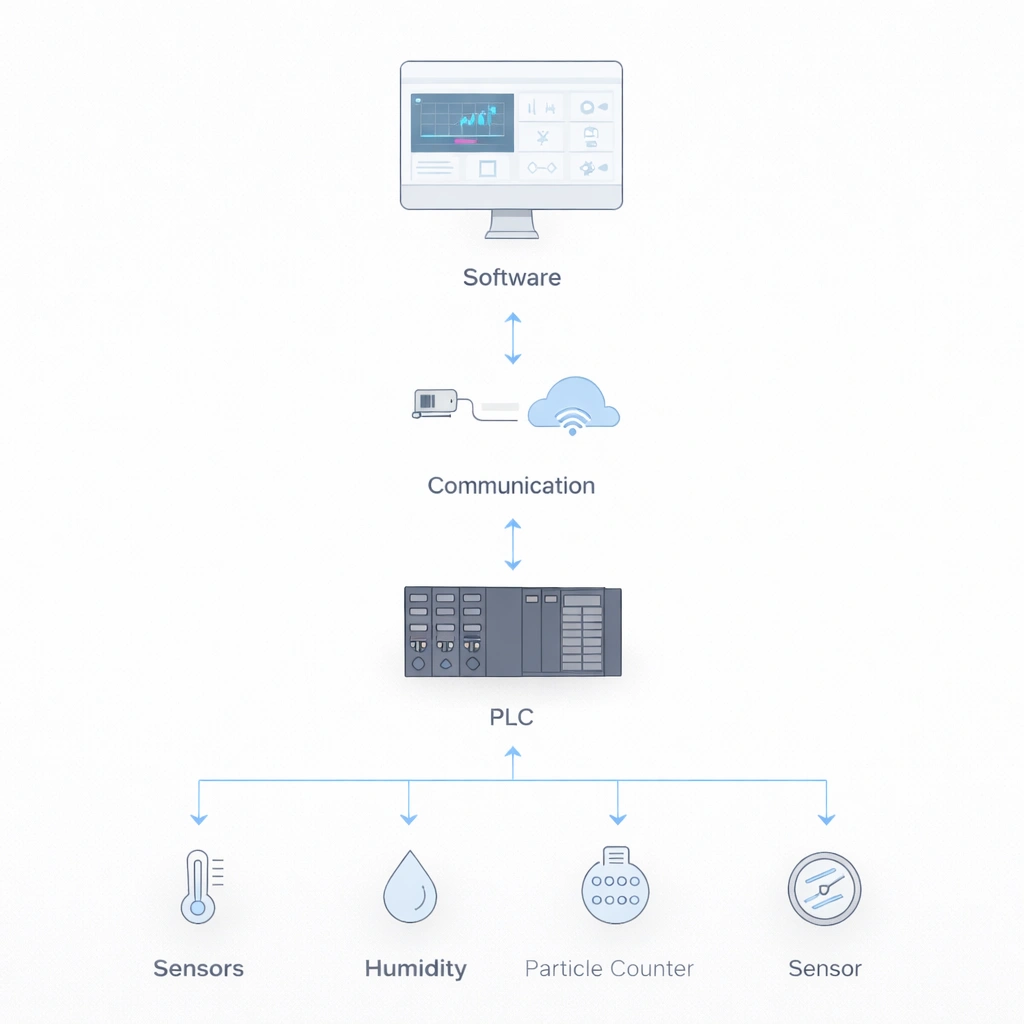
Au lieu de traiter le nettoyage, la surveillance, les SOP et la validation comme des activités distinctes, des installations solides les relient en un seul modèle opérationnel.
| Couche de contrôle | Objectif principal | Outils typiques | Valeur commerciale |
|---|---|---|---|
| Facilité & Contrôle aérien | Maintenir les conditions environnementales conçues | CVC, HEPA, cascade de pression, contrôle du débit d'air | Réduit le risque de contamination de base |
| Contrôle du personnel | Réduire la contamination générée par l’opérateur | SOP en matière de pansement, entraînement, discipline du mouvement | Améliore la cohérence dans les domaines critiques |
| Nettoyage des surfaces | Élimine les résidus, les particules et les microbes | Vadrouilles, lingettes, chimie, temps de contact défini | Prend en charge la réduction de la contamination visible et invisible |
| Surveillance environnementale | Détecter tôt la perte de contrôle | Compteurs de particules, surveillance microbienne, tendances | Prend en charge la prise de décision basée sur les données |
| Documentation & Revoir | Rendre les actions traçables et défendables | SOP, enregistrements, écarts, CAPA, rapports de tendances | Renforce la préparation à l’audit BPF |
Les équipes ont besoin d’une carte pratique de la manière dont la contamination pénètre, s’accumule et se propage dans leur environnement.
SOP de nettoyage, le choix de la vadrouille, la composition chimique, le temps de contact et la technique doivent être contrôlés par la procédure plutôt que par les habitudes de l'opérateur.
Points de surveillance, niveaux d’alerte et fréquence d’examen doit refléter le risque lié au processus, et non des modèles génériques.
Les alertes, les écarts et les changements de tendance doivent déclencher un processus de révision reproductible avec une logique d'escalade claire.
Revue de tendances, CAPA, reconversion et revalidation maintenir l’efficacité du système de contrôle de la contamination.
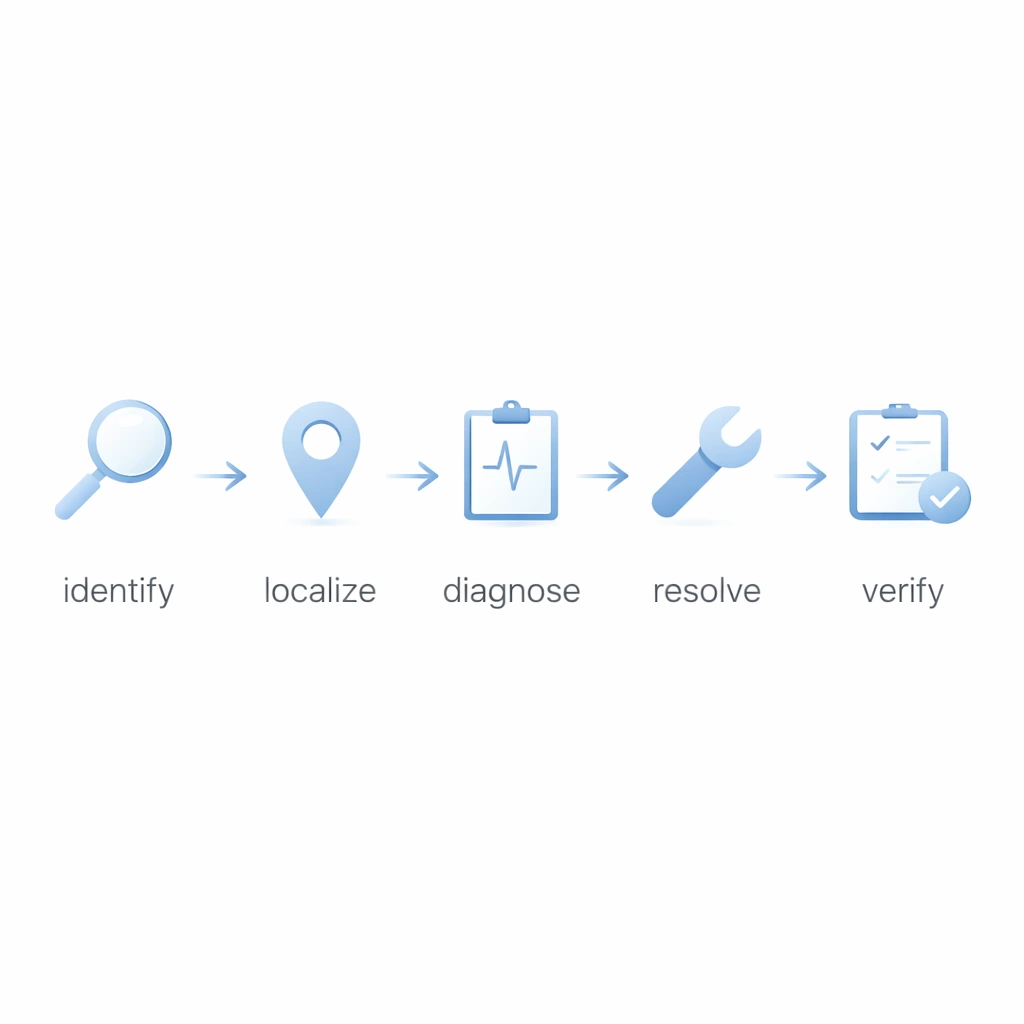
L’une des erreurs les plus courantes en matière de contrôle de la contamination consiste à traiter le nettoyage et la surveillance comme des programmes distincts. En pratique, ils devraient fonctionner comme une seule boucle.
Le nettoyage réduit les risques. La surveillance montre si les contrôles restent stables. L'enquête explique pourquoi les signaux ont changé. La documentation rend les décisions défendables. Des pages comme mise en œuvre de MOPS en salle blanche et les conseils de dépannage deviennent importants lorsque les équipes ont besoin d'une meilleure fiabilité du système et d'une logique de réponse plus rapide.
| Signal | Première priorité | Réponse typique | Besoin de documentation |
|---|---|---|---|
| Particules montantes dans une zone critique | Protéger le processus et vérifier l'environnement | Examiner l'état du nettoyage, les mouvements du personnel et les données de surveillance | Dossier de surveillance + notes d'enquête |
| Écart de nettoyage ou étape manquée | Contenir la zone affectée | Nettoyer à nouveau, vérifier et évaluer si l'impact du produit existe | Déviation + action corrective |
| Panne du système de surveillance | Restaurer la visibilité | Passez à une logique manuelle ou de sauvegarde et dépannez rapidement | Dépannage + enregistrement de contrôle temporaire |
| Détérioration de la tendance au fil du temps | Identifiez la cause première avant que l’échec ne s’aggrave | Examiner les signaux répétés, la formation, l'équipement et l'adéquation aux SOP | Revue des tendances + CAPA si nécessaire |
Un contrôle strict dépend de ce que font les équipes et de ce qu’elles peuvent prouver.
SOP de nettoyage, les SOP de surveillance, les SOP d'habillage et les SOP de transfert de matériel définissent le processus attendu.
Les journaux de nettoyage, les enregistrements de surveillance environnementale, les enregistrements d'utilisation de désinfectants et les journaux de formation montrent ce qui s'est passé.
Les enregistrements d’écarts, les examens des tendances, l’analyse des causes profondes et les échecs de contrôle CAPA sont liés aux actions correctives.
Listes de contrôle de validation, les dossiers de qualification et le contrôle des modifications rendent le système plus défendable lors des audits.
Prend en charge les flux de travail de nettoyage contrôlés.
Améliorer la réponse au signal et la visibilité.
Renforcez la traçabilité et la préparation aux audits.
Reliez les produits à un système de contrôle plus large.
Il s'agit généralement d'une combinaison d'activités du personnel, de transfert de matériaux, de lacunes de nettoyage, de déséquilibre de l'air ou d'une faible discipline de processus.
En combinant les contrôles des installations, les SOP de nettoyage, la surveillance environnementale, la logique d'enquête et les enregistrements prêts pour l'audit.
La surveillance détecte les changements de conditions avant que la perte de contrôle ne devienne plus grave ou plus difficile à enquêter.
Les SOP, les journaux de nettoyage, les enregistrements de surveillance, les écarts, les CAPA, la formation et les preuves de validation y contribuent tous.
Découvrez comment les flux de travail de nettoyage des sols contribuent à une réduction constante de la contamination dans les zones BPF.
Connectez le contrôle de la contamination à la stratégie de surveillance des particules, des microbes et de la pression.
Créez des SOP, des enregistrements et de la documentation prêts à être audités autour des systèmes de contrôle de la contamination.
Soutenez des systèmes de nettoyage, de surveillance et de documentation plus défendables.
Comprendre comment les systèmes de surveillance s'intègrent dans une stratégie plus large de contrôle de la contamination.
Passez en revue les principales attentes en matière de validation qui prennent en charge des environnements plus propres et plus contrôlés.
Discutez avec Midposi des flux de travail de contrôle de la contamination, des consommables pour salles blanches, de la conception des SOP liées à la surveillance et de l'assistance pratique pour les environnements contrôlés par les BPF.