オートクレーブ可能なクリーンルーム用衣類と使い捨てのクリーンルーム用衣類 — 完全な意思決定の枠組み

意思決定の枠組み
約 10 分で読めます

オートクレーブ可能なクリーンルーム用衣類と使い捨てのクリーンルーム用衣類 — 完全な意思決定の枠組み

クリーンルーム衣類プログラムを構築する際の最初の戦略的決定: 再利用可能なオートクレーブ滅菌可能な衣類か、それとも使い捨ての使い捨て衣類か? 「どちらが優れているか」という問題ではなく、どのモデルが施設の規模、インフラストラクチャ、文書要件、予算に適合するかという問題です。
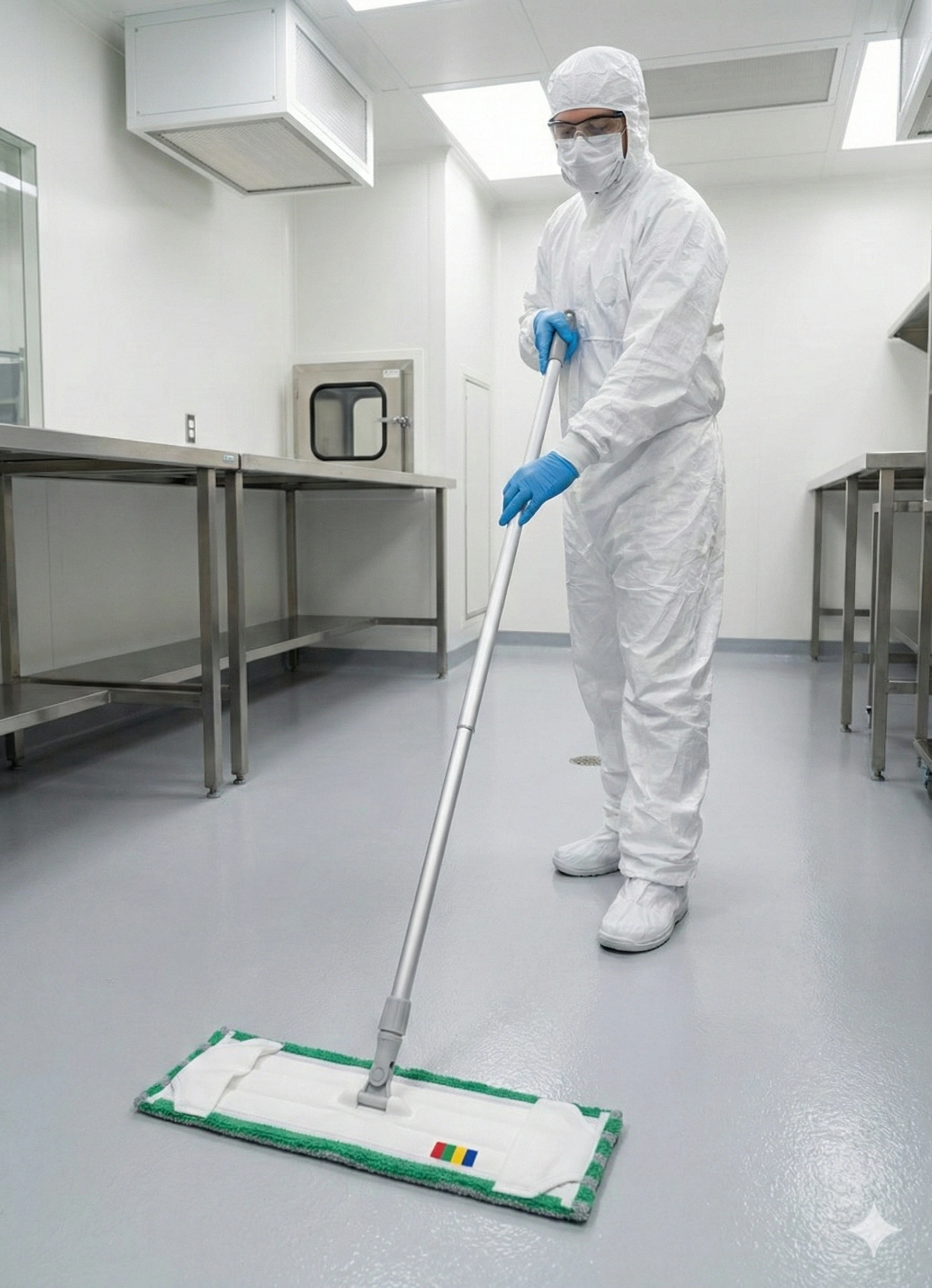
ブーツ一体型のフード付きカバーオールを含む完全オートクレーブ可能な PPE を着用したクリーンルーム オペレーター

オートクレーブ滅菌可能 vs 使い捨て — 違いは何ですか?

オートクレーブ可能な衣類と使い捨て衣類のどちらを選択するかは、衣類の品質や保護レベルによるものではありません。適切に製造され認証されていれば、どちらも同じクリーンルームグレードの要件を満たすことができます。違いは次のとおりです。 運用モデル: 衣類のライフサイクルを誰が管理するか、滅菌がどこで行われるか、どのような文書が作成されるか、時間の経過とともにコストがどのように蓄積されるか。

オートクレーブ可能 (再利用可能)

繰り返しの滅菌サイクル向けに設計された衣類 - 素材と滅菌パラメータに応じて、通常は 30 ~ 100 サイクル以上。施設または資格のあるランドリープロバイダーが、洗濯、滅菌、検査、廃棄を管理します。各衣類は、サイクルごとの文書でライフサイクル全体にわたって追跡されます。

主な要件: オートクレーブ機能を備えた、検証済みのクリーンルーム洗濯プログラム (社内または外部委託)。

使い捨て(単回使用​​)

Garments used once and discarded. Sterilization is performed by the manufacturer — typically gamma irradiation — and garments arrive ready-to-use in sealed sterile packaging. No laundry, no sterilization infrastructure, no per-cycle inspection or documentation needed at the facility level.

主な要件: Adequate inventory management to ensure continuous supply without stockouts.

Many facilities operate both models simultaneously — a hybrid program — which is discussed in detail below. For the full garment system context, see the クリーンルーム用衣類システムガイド.

7-Dimension Comparison — Autoclavable vs Disposable

This table provides a side-by-side comparison across all dimensions that affect the reusable-vs-disposable decision. Use it as a starting point for evaluating which model fits your facility.

寸法 オートクレーブ可能 (再利用可能) 使い捨て(単回使用​​)
1. Garment Lifecycle 30-100+ sterilization cycles. Inspected after each cycle. Retired when inspection fails or max cycles reached Single use — discarded after each wear session. No inspection or retirement tracking needed
2. Laundry Requires validated cleanroom laundry — in-house cleanroom washer/dryer or qualified outsourced laundry provider. Laundry validation documentation required No laundry. Garments arrive clean and ready-to-use. Eliminates laundry validation entirely
3. Sterilization Autoclave at 121-134 deg C. Facility manages sterilization cycles, validation, and cycle tracking. Gamma-compatible options available for some materials Gamma-sterilized by manufacturer. Arrives in sterile packaging. Certificate of Irradiation provided per batch
4. Documentation Per-cycle: laundry records, autoclave logs, garment inspection records. Per-garment: retirement log. Per-program: laundry validation, sterilization validation Per-batch: Certificate of Irradiation, lot traceability, sterile packaging integrity records. Simpler documentation structure
5. Upfront Cost Higher: garment purchase + laundry equipment + validation. Typical reusable coverall: higher unit cost but amortized over 50-100 uses Lower: no equipment, no validation. Pay per garment per use
6. Per-Use Cost Lower over lifecycle. A garment used 80 times has a per-use cost of unit price / 80 + laundry cost + sterilization cost Higher over time. Each use = one garment purchase. Cumulative cost grows linearly with volume
7. Best For High-volume daily production (>50 operators/day), facilities with established laundry programs, long-term cost optimization Low-volume facilities, R&D labs, visitor gowning, maintenance personnel, facilities without laundry capability

This table is a starting point. Each facility should evaluate its specific situation against four decision factors — detailed in the following sections. For material-specific considerations, see the garment materials comparison.

Decision Factor #1 — Facility Volume and Gowning Frequency

The number of operators gowning per day is the single strongest predictor of which model is more cost-effective. High-volume facilities benefit from the lower per-use cost of reusable garments; low-volume facilities benefit from the simplicity of disposables.

High volume (>50 operators/day): Reusable program is almost always more cost-effective. The per-use cost advantage of reusables — amortized garment cost over 50-100 cycles + laundry and sterilization — overtakes the cumulative cost of disposables at this volume. Additionally, managing 50+ disposable garment sets per day generates significant packaging waste and procurement overhead.
Medium volume (20-50 operators/day): This is the hybrid zone. Production staff (the majority) use reusables. Low-frequency personnel (visitors, maintenance, R&D) use disposables. The cost difference between the two models is close enough that operational convenience often determines the choice.
Low volume (<20 operators/day): Disposable program is simpler and often more cost-effective. The upfront investment in laundry equipment, validation, and reusable garment inventory is harder to justify at low volumes. An exception: if the facility already has a validated laundry program (e.g., for cleanroom mops or wipes), adding garments to that existing program changes the calculation.

Decision Factor #2 — Laundry and Sterilization Infrastructure

Reusable garments require infrastructure. If your facility does not have it and cannot justify building it, the decision is made for you: disposable is the only practical option for most garment categories.

You have in-house validated cleanroom laundry: Reusable is viable. Your existing laundry validation covers a significant portion of the documentation burden. Adding garments to an existing laundry program is incremental — not a new program from scratch.
You outsource laundry to a qualified provider: Reusable is viable. The provider manages washing and sterilization; your facility manages garment inventory and inspection. Supplier qualification documentation is required — similar to qualifying any GMP service provider.
You have no laundry capability and cannot outsource: Disposable is the only practical option. Building a cleanroom laundry program for garments alone — without other reusable textiles to share the infrastructure — is difficult to cost-justify unless your volume is very high.

Sterilization capacity check: Even with a laundry program, the autoclave must have sufficient capacity for the garment volume. A single hooded coverall occupies significant autoclave chamber space. Calculate: (number of operators per day × garments per operator) ÷ autoclave cycles per day = required garments per cycle. If this exceeds your autoclave capacity, you need either more autoclave capacity or a hybrid program (autoclavable for some, disposable for others). For gowning procedure context, see the cleanroom gowning procedure SOP.

Decision Factor #3 — Documentation and Validation Burden

The documentation requirement for a reusable program is continuous and per-cycle. The documentation requirement for a disposable program is per-batch and simpler. This difference affects QA workload, audit preparation, and the number of SOPs required.

文書の種類 Reusable Program Disposable Program
殺菌 Autoclave cycle logs (every cycle), sterilization validation records, biological indicator results Certificate of Irradiation per batch from supplier. One document per received batch
Garment Tracking Per-garment cycle count, inspection results, retirement log Not applicable — single use
Laundry Laundry validation protocol, washer/dryer cycle records, detergent and water quality records Not applicable
監査の準備 Maintain ongoing records. Auditor may sample specific garment histories, sterilization cycles, or laundry validations Maintain batch certificates and inventory records. Auditor reviews Certificate of Irradiation and lot traceability
SOPs Required Gowning SOP + Laundry SOP + Sterilization SOP + Garment Inspection SOP + Retirement SOP Gowning SOP + Disposal SOP + Inventory Management SOP

Which generates more documentation? The reusable program generates more documents per unit of time because it tracks per-cycle events. However, this documentation is also a compliance asset — it provides the detailed traceability that auditors look for in GMP facilities. The disposable program generates fewer documents, but those documents come from the supplier — the facility must have a process for collecting, reviewing, and filing supplier-provided certificates.

Decision Factor #4 — Total Cost Comparison

Comparing the cost of reusable vs disposable garments requires looking beyond the unit price. The total cost includes purchase cost, laundry, sterilization, inspection labor, replacement, and disposal — over the expected lifecycle of the program.

Reusable — What’s Included in Total Cost

  • Garment purchase (amortized over 50-100 cycles)
  • Laundry equipment and validation
  • Autoclave cycles (energy, water, labor)
  • Inspection labor per cycle
  • Replacement garments (as garments reach retirement)
  • Documentation labor
  • Storage and inventory management

Disposable — What’s Included in Total Cost

  • Garment purchase (per use, no amortization)
  • Shipping and receiving
  • Inventory management
  • Waste disposal (packaging + used garments)
  • Supplier qualification documentation review
  • No laundry, no sterilization, no inspection

Break-even logic: A reusable coverall used 80 times has a per-use cost of (unit price / 80) + laundry cost + sterilization cost. If that per-use cost is lower than the unit price of a disposable coverall, the reusable program is cheaper — but only if the facility has the infrastructure to achieve 80 cycles. A facility that can only achieve 30 cycles before retirement has a higher per-use cost and may not reach break-even against disposables.

The break-even point is facility-specific. It depends on the actual cycle life achieved (not the supplier’s maximum), the cost of laundry and sterilization in your facility, and the volume of garments processed per day. A procurement team should build a facility-specific cost model — not rely on generic comparisons.

Hybrid Programs — The Most Common Approach

In practice, most GMP facilities do not choose one model exclusively. They operate a hybrid program where reusable garments serve the core production staff and disposable garments serve specific use cases. This approach captures the per-use cost advantage of reusables where volume justifies it while retaining the simplicity of disposables for low-frequency needs.

Personnel Group Recommended Model 理由
Daily production operators Reusable (autoclavable) High volume, predictable usage, lower per-use cost over time
QA / QC personnel Reusable (autoclavable) Frequent cleanroom entry, consistent with production gowning standards
Visitors and auditors 使い捨て Low volume, unpredictable frequency, no sizing complexity
Maintenance and engineering 使い捨て Dirtier work, more frequent garment damage, lower cycle life if reusable
R&D and pilot plant 使い捨て Low and irregular volume, often no laundry infrastructure on site

Managing a hybrid inventory: Store reusable and disposable garments in separate, clearly labeled areas. Never mix them in the gowning room. Use different color-coded bins or shelving for each type. If using a contract laundry provider for reusables, establish a separate receiving and inspection area for returned garments — do not mix incoming laundered garments with incoming disposable shipments. For coverall-specific selection guidance, see the cleanroom coverall selection guide.

Autoclavable vs Disposable FAQ

When should I choose disposable over autoclavable garments?

Choose disposable when: your facility has fewer than 20 daily operators, you have no validated laundry program and cannot cost-justify building one, the personnel are visitors or maintenance workers who enter the cleanroom infrequently, or you need a rapid-start garment program without the upfront investment in laundry and sterilization infrastructure. Disposable is also the practical choice for R&D labs and pilot plants where operator volume is low and irregular.

How much does a reusable garment program cost compared to disposable?

Reusable has higher upfront cost (garments + laundry equipment + validation) but lower per-use cost over the garment lifecycle. A reusable coverall used 80 times has a per-use cost of (unit price / 80) + laundry + sterilization. Disposable has lower upfront cost but the per-use cost is the full garment unit price every time. The break-even point is facility-specific and depends on actual cycle life achieved, laundry costs, and daily volume. At high volume (>50 operators/day), reusable is almost always cheaper. At low volume (<20/day), disposable is usually cheaper.

Can I mix reusable and disposable garments in the same facility?

Yes — this is called a hybrid program and it is the most common approach in GMP facilities. Production staff use reusable garments for daily operations. Visitors, maintenance personnel, and R&D staff use disposables. Store them separately, label storage areas clearly, and never mix the two types in the gowning room. Each type should have its own inventory management and documentation process.

What validation is required for a reusable garment laundry program?

A reusable laundry program requires: washer/dryer cycle validation (temperature, duration, detergent concentration, water quality), post-wash cleanliness verification (visual inspection + particle testing if required by grade), autoclave cycle validation (temperature mapping, biological indicators, cycle parameters), and ongoing monitoring records. If outsourcing to a laundry provider, the provider’s validation documentation must be reviewed and qualified as part of supplier qualification — similar to qualifying any GMP service provider.

How do I transition from disposable to reusable garments?

Transition in phases: (1) Build or qualify the laundry/sterilization infrastructure first. (2) Start with one personnel group — typically daily production operators. (3) Run a parallel period where both reusable and disposable are available during transition. (4) Validate the reusable program with environmental monitoring data comparing the before (all-disposable) and after (hybrid or all-reusable) periods. (5) Once the reusable program is stable and documented, phase out disposables for the target group. Keep disposables in inventory for visitors and emergencies.

Does EU GMP Annex 1 require reusable or disposable garments?

Annex 1 does not mandate either model. It requires that garments are appropriate for the grade, that gowning procedures are validated, and that the garment program is documented and controlled. Both reusable and disposable garments can meet these requirements. The key is that whichever model is chosen, the facility can demonstrate — through validation, environmental monitoring, and documentation — that the garment program supports the required level of contamination control. Annex 1’s emphasis on contamination control strategy (CCS) and quality risk management applies regardless of the garment model.

Need Help Deciding Between Autoclavable and Disposable Garments?

MIDPOSI supplies both reusable autoclavable cleanroom garments and gamma-sterilized disposable options. Tell us your daily operator volume, cleanroom grade, and whether you have an existing laundry program — our team will help you compare the two models for your specific facility.

ISO13485認証取得 · 2004 年以来工場直販 · ドキュメントのサポート

GMPクリーンルーム衣類製造の生産現場

ニュースレターを購読する

クリーンルーム消耗品の最新情報をお届けします

さらに探索する

当社の製品についてさらに詳しく知りたいですか?

ラインを送って連絡を取り続けてください

無料です!

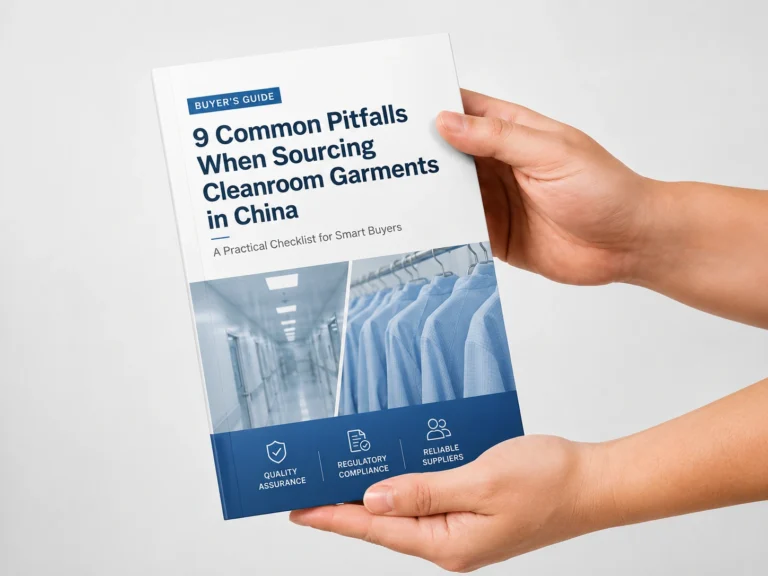
クリーンルーム衣類調達の 9 つの間違いを回避する

22