クリーンルーム用衣類: GMP、ISO、および管理された環境施設の完全ガイド オートクレーブ可能なカバーオール、フード、ブーツ、手袋、下着は、個別のアイテムとしてではなく、コーディネート システムとして選択されています。調達、QA、およびガウン プログラム マネージャー向けのグレードごとのリファレンス。
クリーンルームガーメントシステムとは何ですか? あ クリーンルーム用衣類システム GMP、ISO 14644、および管理された環境施設における人員による汚染を制御するために、クリーンルームのグレード、滅菌方法、ガウンの手順によって選択された、カバーオール、フード、フェイスマスク、ブーツまたは靴のカバー、手袋、下着を含む、調整されたアパレル部品のセットです。
各コンポーネントは特定の汚染制御機能を果たします。つなぎ服は最大の体表面積を含みます。フードは髪や皮膚の粒子が管理されたゾーンに到達するのを防ぎます。ブーツまたは靴カバーは、床レベルの汚染の移動を防ぎます。手袋は、製品、機器、表面を扱うオペレーターにとって主な接触面です。下着は、上着の下に粒子を封じ込める最初の層を提供します。
これらのコンポーネントを個別に購入するのではなく、調整されたシステムとして選択すると、汚染管理チェーンが完成します。他のコンポーネントの性能に関係なく、単一のコンポーネントに隙間があると、クリーンルーム全体にリスクが生じます。これが、クリーンルーム用衣類の選択がシステム レベルのアプローチに従う必要がある理由です。最初にクリーンルーム グレードを定義し、次にそのグレード、滅菌方法、およびガウンの順序に一致するすべてのコンポーネントを選択します。
重要な原則: クリーンルーム衣類プログラムの強さは、その最も弱いコンポーネントと同じです。グレード A のつなぎ服をグレード D の靴カバーと一緒に着用すると、つなぎ服の保護を完全に迂回する汚染経路が形成されます。人員と表面の清掃の両方をカバーする完全な汚染管理戦略については、当社のウェブサイトを参照してください。
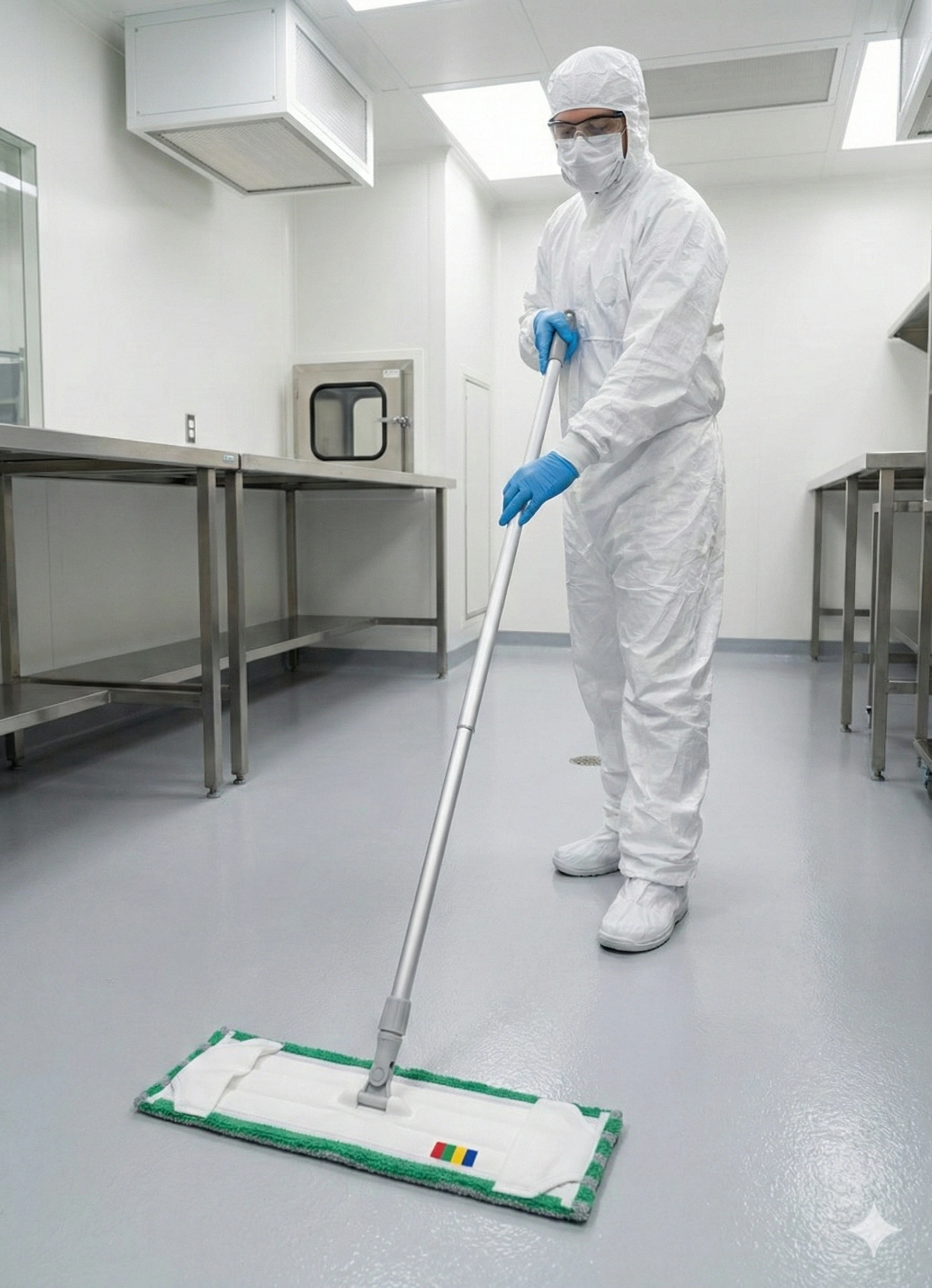
クリーンルームモップシステムガイド .
クリーンルーム衣服のコンポーネント — システムレベルの概要 完全なクリーンルーム用衣類システムには、6 つのコンポーネント カテゴリが含まれています。各カテゴリーには、クリーンルームのグレード、滅菌方法、材料の適合性、オペレーターのワークフローに基づいた特定の選択基準があります。
1. カバーオール あらゆるクリーンルーム衣類プログラムの基礎。カバーオールは、一体型ブーツの有無にかかわらず、フード付きまたはフードなしの構成で入手できます。主な選択要素は、クリーンルームグレード、材質、滅菌適合性です。
グレード A/B (ISO 5) の場合: ブーツ一体型のフード付き滅菌つなぎ服グレード C (ISO 7) の場合: オートクレーブ可能なフード付きカバーオール、セパレートブーツ可グレード D (ISO 8) の場合: オートクレーブ可能または使い捨てのつなぎ服詳細なガイド: クリーンルームつなぎ服の選択
2. フード フードは、髪の毛、皮膚の薄片、呼吸器粒子がクリーンルーム環境に侵入するのを防ぎます。選択は、ガウンの順序、クリーンルームのグレード、および別のフェイスマスクが必要かどうかによって異なります。
フルカバーのふかふかフード — 最大粒子封じ込め、グレード A/B で使用標準クリーンルームフード — 個別のマスクを備えたグレード C/D に適しています一体型フード(ツナギ付き) — フードとカバーオールの境界面の隙間をなくします詳細なガイド: クリーンルームフードとマスクの選択
3. フェイスマスク フェイスマスクは呼吸器粒子を捕捉し、オペレーターによる汚染を防ぎます。グレード A/B の無菌エリアでは、マスクの着用が必須であり、無菌でなければなりません。選択基準には、通気性、濾過効率、ゴーグルとの互換性が含まれます。
滅菌フェイスマスク — グレード A/B の無菌ゾーンに必要非滅菌サージカルマスク — グレード C/D に十分全面シールド一体型 — 飛沫防止が必要なプロセス向け詳細なガイド: クリーンルームフードとマスクの選択
4. ブーツとシューズカバー 靴の封じ込めは、床レベルの汚染物質がクリーンルーム内に侵入したり拡散したりするのを防ぎます。オプションは、オーバー ブーツからつなぎ服に取り付けられる一体型ブーツ、使い捨ての靴カバーからオートクレーブ可能なクリーンルーム ブーツまで多岐にわたります。
オートクレーブ可能なクリーンルーム用ブーツ — 再利用可能、蒸気滅菌に対応一体型ブーツ(ツナギ付き) — ブーツとカバーオールのインターフェイスにギャップがない使い捨て靴カバー — 使い捨て、グレード D および訪問者エリアに便利詳細なガイド: クリーンルームブーツと靴カバー
5. 手袋 手袋は最も頻繁に交換される衣服の構成要素であり、オペレーターとクリーンルーム環境の間の主な接触面です。グレード A/B の無菌エリアでは、手袋を二重に着用することが標準的な方法です。材料の選択は、化学薬品への曝露、触覚感度の要件、および滅菌方法によって異なります。
滅菌手袋 — グレード A/B の無菌操作非滅菌クリーンルーム用手袋 — グレード C/D の操作耐薬品性手袋 — 消毒剤の取り扱いと洗浄作業詳細なガイド: 制御された環境用のクリーンルーム用手袋
6. 下着 下着は、クリーンルーム用の外側の衣類の下にある最初の粒子封じ込め層として機能します。よりグレードの高いクリーンルーム (A/B) では、専用のクリーンルーム下着が衣服の外側層に到達する粒子の負荷を軽減し、外側の衣服の効果的な保護を延長します。
グレード A/B の場合: つなぎ服の下に完全なクリーンルーム用下着 (上下)グレード C の場合: クリーンルーム用下着の上部を推奨、下部はオプショングレード D の場合: 上着で完全に覆われている場合は個人用下着も可
オートクレーブ可能なクリーンルーム用衣類と使い捨てのクリーンルーム用衣類 クリーンルーム用衣類を再利用可能 (オートクレーブ可能) にするか使い捨てにするかの選択は、衣類プログラムを構築する際の最初の戦略的決定です。各アプローチには、異なるコスト構造、運用ワークフロー、検証要件があります。
寸法 オートクレーブ可能 (再利用可能) 使い捨て(単回使用) 衣服のライフサイクル 複数の滅菌サイクル (材料と滅菌方法に応じて通常 30 ~ 100 回以上) 使い捨て — 各着用セッション後に廃棄します 洗濯の要件 検証済みのクリーンルーム洗濯プロセスが必要です(社内または外部委託) 洗濯物は不要 – 洗濯物の検証が完全に不要になります 殺菌 オートクレーブ (121 ℃ または 134 ℃)、ガンマ互換オプションが利用可能 供給者によってガンマ線滅菌済み。すぐに使用できる状態で滅菌包装でお届けします ドキュメンテーション 洗濯検証記録、オートクレーブサイクル記録、使用ごとの衣類検査記録 バッチごとの照射証明書、ロットのトレーサビリティ、滅菌包装の完全性記録 コストプロファイル 衣類あたりの初期投資が高額になる。ライフサイクル全体での使用ごとのコストの削減 衣類あたりの初期投資が少なくて済みます。時間の経過とともに使用ごとのコストが高くなる 最適な用途 確立された洗濯および滅菌プログラムを備えた施設。毎日のガウンの量が多い 少量の施設。 R&Dラボ;訪問用ガウン。ランドリー設備のない施設
多くの施設では、日々の生産スタッフにはオートクレーブ可能な衣類を、訪問者、メンテナンス担当者、または低頻度のクリーンルーム入室には使い捨ての衣類というハイブリッド プログラムを運用しています。完全な比較フレームワークについては、詳細なガイドを参照してください。 オートクレーブ可能なクリーンルーム用衣類と使い捨てのクリーンルーム用衣類 .
クリーンルーム用衣類の素材 - ポリエステル、ポリプロピレン、SMS、およびタイベック 生地の選択によって、衣類の粒子除去性能、耐薬品性、滅菌適合性、オペレーターの快適さが決まります。クリーンルーム衣類製造の主要な素材は 4 つあり、それぞれに異なる特性があります。
材料 粒子脱落 オートクレーブ 耐薬品性 快適 一般的な使用方法 ポリエステル(連続フィラメント) 低い はい (121 ~ 134 ℃) 良好 — QAC、過酸化水素、アルコールとの互換性 良い - 軽量、通気性 GMP グレード A/B/C の再利用可能なカバーオール、フード ポリプロピレン(PP) 中くらい いいえ - 約 130 ℃ を超えると分解します 中程度 - 強力な酸化剤に対する耐性が限定的 中程度 - ポリエステルよりも通気性が低い 使い捨てつなぎ服、訪問着、グレード D SMS (スパンボンド-メルトブローン-スパンボンド) 中~高 いいえ 低~中程度 優れた - 通気性のあるバリア生地 使い捨てつなぎ服、白衣、訪問着 タイベック (フラッシュ紡糸 HDPE) 低い いいえ — ポリエチレンベース 優れた — ほとんどの化学物質に対する耐性 低い - 通気性がなく、暖かい場合があります 危険ドラッグの調合、化学薬品の取り扱い、半導体
ポリエステル連続フィラメントニットは、粒子脱落の少なさ、オートクレーブへの適合性、オペレーターの快適性、およびリーズナブルなコストのバランスが取れているため、GMP 医薬品クリーンルーム衣類の標準となっています。完全な材質比較については、を参照してください。 クリーンルーム用衣類の材料ガイド .
クリーンルームグレードによる衣類の選択 — GMP A/B/C/D および ISO 5-8 クリーンルームの分類が厳しくなるにつれて、クリーンルーム用衣類の要件も増加します。次の表は、EU GMP Annex 1 および ISO 14644 の期待に沿ったグレードベースの衣類の推奨事項を示しています。
成分 グレード A/B (ISO 5) グレード C (ISO 7) グレード D (ISO 8) つなぎ服 滅菌済み、フード付き、一体型ブーツ、連続フィラメント ポリエステル オートクレーブ可能、フード付き、連続フィラメントのポリエステルまたはポリエステルブレンド オートクレーブ可能または使い捨てのカバーオール、フード付きまたはフードなし フード 滅菌済み、フルカバーのふかふか、またはつなぎ服と一体型 オートクレーブ可能なクリーンルームフード、頭部全体をカバー クリーンルームフードまたはふわふわキャップ フェイスマスク 滅菌フェイスマスク、必須 クリーンルーム用フェイスマスク、推奨 プロセスリスク評価に基づいたフェイスマスク ブーツ・履物 滅菌ブーツまたは一体型ブーツ、オートクレーブ可能 オートクレーブ可能なクリーンルーム ブーツまたは専用のクリーンルーム シューズ シューズカバーまたは専用クリーンルームシューズ 手袋 滅菌手袋、二重手袋推奨、頻繁に交換 非滅菌クリーンルーム用手袋、プロトコルごとに交換 クリーンルーム対応手袋 下着 クリーンルーム専用下着(上下)、オートクレーブ可能 クリーンルーム用下着トップ推奨 完全に覆われていれば個人用の下着も着用可能 ゴーグル オートクレーブ可能なクリーンルーム用ゴーグル、滅菌済みまたは消毒済み クリーンルーム用ゴーグル、消毒済み 必要に応じて安全メガネ
この表は、開始時の推奨事項を示しています。各施設は、その特定の汚染管理リスク評価、環境モニタリングデータ、および内部 SOP 要件に照らして衣服プログラムを検証する必要があります。同じ衣類カテゴリでもグレードが異なると、異なる素材仕様、滅菌方法、交換頻度が必要になる場合があります。
衣服のサイズ、フィット感、オペレーターの快適さ 衣類のサイズ調整は、汚染管理に直接影響を与える調達と運用上の課題です。カバーオールがきつすぎると動きが制限され、生地のストレスや粒子の脱落のリスクが高まり、使用中に縫い目で裂ける可能性があります。緩すぎるつなぎ服は余分な生地を生み出し、表面や機器をこすって汚染を制御ゾーンに運び込む可能性があります。
サイズは推定ではなく、測定によるものです。 オペレーターは身長、胸囲、ウエスト、股下を測定し、衣料品供給業者が提供する標準化されたサイズ表と一致させる必要があります。サイズを推測すると、製造チーム全体で適合性が不一致になります。
サイズ配分を計画します。 一般的な生産チームは 3 ~ 4 つの異なるサイズを必要とします。単一サイズまたは 2 つのサイズを在庫していると、新しいオペレーターが加わったり、身体の寸法が変わったりしたときに、調達のギャップが生じます。
個別のコンポーネントには個別のサイズ設定。 オペレータは、サイズ L のカバーオール、サイズ M のフード、サイズ 9 のブーツ、およびサイズ 8 の手袋を着用できます。各コンポーネントのサイズは個別に設定する必要があります。特定のオペレーターのすべてのコンポーネントに適合する普遍的なサイズはありません。
調達計画に交換サイクルを組み込みます。 衣類はオートクレーブサイクルを繰り返すと劣化します。衣類の各タイプの予想サイクル寿命を知ることで、調達担当者は衣類の検査に不合格になる前に、故障に対応するのではなく、交換注文を計画することができます。
完全なサイズのリファレンスについては、 クリーンルーム用衣類のサイズとフィットガイド .
クリーンルーム用ガウン — 衣服がガウンのシーケンスにどのように適合するか ガウンの順序によって、衣類の構成要素が最も内側の層から最も外側の層に向かって着用される順序が決まります。標準化されたガウンの順序により、ガウンのプロセス自体における汚染リスクを最小限に抑える順序で衣類の各コンポーネントが確実に適用されます。
標準 GMP ガウンの順序 (グレード C/D からグレード B エントリー):
下着 — 交換前エリアでは、クリーンルーム専用の下着 (グレード A/B) または個人用下着 (グレード C/D) を着用してください。つなぎ服 — カバーオールを着ます。最初に脚、次に腕、最後にファスナーを閉めます。首、手首、足首に皮膚や私服が見えないように注意してください。ブーツ — クリーンルームブーツまたは靴カバーを着用してください。施設のSOPに応じて、つなぎ服の脚をブーツに押し込むか、つなぎ服の脚の上からブーツカバーを引っ張ります。フード — フードを頭からかぶり、髪の毛がすべて含まれていることを確認します。首の隙間をなくすために、フードはカバーオールの襟に重なる必要があります。フェイスマスク — フェイスマスクを貼り、鼻と口を完全に覆います。ノーズブリッジをつまんでしっかりとフィットさせます。ゴーグル — ゴーグルを目の上に置きます。ゴーグルがフードとマスクの端の外側にあることを確認してください。曇りに強いモデルをお勧めします。手袋 — 手袋は最後に着用し、手袋の袖口をつなぎ服の袖の上に引っ張ります。グレード A/B の場合は、手袋を二重にし、規定の間隔で外側の手袋を交換します。ガウン着用後、クリーンルームに入る前に外観検査(全身鏡、パートナーチェック)を実施します。肌、髪、私服が目に見える場合はガウンの欠陥となるため、入場前に修正する必要があります。
学年固有のガウンの手順については、 クリーンルームガウン手順SOPガイド .
衣類調達のための文書化と検証 新しい衣料品サプライヤーを評価する、または新しい衣料品タイプを認定する QA チームは、標準文書パッケージを要求する必要があります。最低限必要な文書セットは、クリーンルームのグレードと施設が GMP 規制を受けているかどうかによって異なります。
材料認証 生地の組成記述、粒子放出試験データ (ヘルムケ ドラムまたはゲルボ フレックス)、一般的に使用される消毒剤の耐薬品性データ。グレード A/B の衣類の場合: 生体適合性データが要求される場合があります。
滅菌に関する文書 滅菌衣類の場合: 照射証明書 (ガンマ線量、バッチ番号、日付)。オートクレーブ可能な衣類の場合: オートクレーブサイクル検証データ、最大サイクル寿命ステートメント、標準オートクレーブパラメーター (121 ℃ / 134 ℃) との材料互換性。
バッチトレーサビリティ 衣類のパッケージや衣類のラベルに印刷されているロット番号またはバッチ番号。衣類のバッチから原材料のロットに至るまでのトレーサビリティ。滅菌包装された衣類の使用期限に関する記述。賞味期限管理システムです。
サプライヤー品質文書 ISO 13485 証明書 (MIDPOSI)。製造施設の分類ステートメント。品質マネジメントシステムの概要。変更通知ポリシー — サプライヤーが材料、プロセス、または仕様の変更をバイヤーに伝える方法。
購入者は、最初の注文後ではなく、サプライヤーの認定中に完全な文書パッケージを要求する必要があります。注文前に材料と滅菌に関する文書を提供できないサプライヤーは、製品をサポートする堅牢な品質システムを備えているとは考えられません。
クリーンルーム用衣類に関するよくある質問 オートクレーブ可能なクリーンルーム衣類と使い捨てのクリーンルーム衣類の違いは何ですか? オートクレーブ可能な (再利用可能な) 衣類は、繰り返し滅菌サイクルを行えるように設計されています。通常、素材と滅菌パラメータに応じて 30 ~ 100 サイクル以上です。検証された洗濯プログラムとオートクレーブサイクルの追跡が必要です。使い捨て衣類は、使い捨てでガンマ線滅菌されており、すぐに使用できる状態でお届けします。洗濯物の検証は不要になりますが、時間の経過とともに使用ごとのコストが高くなります。どちらを選択するかは、施設の規模、洗濯能力、滅菌インフラストラクチャによって異なります。
ISO 7 / グレード C にはどのようなクリーンルーム用衣類が必要ですか? ISO 7 (GMP グレード C) の場合、一般的な衣類セットには、オートクレーブ可能なフード付きカバーオール (連続フィラメント ポリエステル)、クリーンルーム フード、フェイス マスク、クリーンルーム ブーツまたは専用シューズ、および非滅菌クリーンルーム グローブが含まれます。クリーンルーム用の下着トップの着用が推奨されますが、必ずしも必須ではありません。施設の SOP を確認してください。プロセスまたは清掃活動により飛沫の危険が生じる場合は、ゴーグルを着用する必要があります。
再利用可能な衣類は何回のオートクレーブサイクルに耐えることができますか? 連続フィラメントのポリエステル衣類は通常、121 ℃で 50 ~ 100 回以上のオートクレーブ サイクルに耐えます。134 ℃ では、サイクル寿命は通常より低くなり、30 ~ 60 サイクルの範囲になります。実際のサイクル寿命は、特定の生地の構造、滅菌パラメータ、取り扱い手順、および検査基準によって異なります。衣服は各サイクル後に検査し、目視検査で生地の薄さ、縫い目の応力、または粒子放出テストの不合格が明らかになった場合は廃棄する必要があります。
生産チーム用のクリーンルーム用つなぎ服のサイズはどのように設定すればよいですか? 各オペレーターの身長 (身長、胸囲、ウエスト、股下) を測定し、サプライヤーのサイズ表と照合します。生産チーム全体で 3 ~ 4 つの異なるサイズを計画します。各衣類コンポーネント (つなぎ服、フード、ブーツ、手袋) のサイズは個別に決定されます。サイズ L のつなぎ服を着用するオペレーターには、サイズ M のフードとサイズ 8 の手袋が必要になる場合があります。最も一般的なサイズの代替在庫を構築し、新規採用者向けにあまり一般的ではないサイズの少量の在庫を維持します。
GMP 衣料品の調達にはどのような書類が必要ですか? 要求: 材料証明書 (生地組成、粒子試験データ)、滅菌文書 (滅菌衣類の照射証明書、オートクレーブ可能な衣類のオートクレーブ検証データ)、バッチトレーサビリティ記録 (ロット番号、使用期限)、およびサプライヤーの品質文書 (ISO 13485 証明書、品質管理システムの概要、変更通知ポリシー)。最初の注文後ではなく、サプライヤー認定時に完全なドキュメント パッケージをリクエストしてください。
クリーンルーム用衣類は、異なるクリーンルームグレード間で共有できますか? いいえ。衣類は特定のクリーンルーム グレード専用である必要があり、再滅菌または再処理をせずにグレード間で移動させてはなりません。再滅菌を行わずに衣類をグレード C からグレード B に移動すると、汚染経路が生じます。衣類の保管、洗濯、滅菌プロセスでは、グレードの分離を維持する必要があります。衣類の色分けやグレードごとのラベルは、混合を防ぐ実用的な方法です。
GMP グレード B の適切なガウンの順序は何ですか? 標準的なグレード B のガウンの順序は、(1) 着替え前エリアの下着、(2) カバーオール、(3) ブーツまたは靴カバー、(4) フード、(5) フェイスマスク、(6) ゴーグル、(7) 手袋 (無菌操作用の二重手袋) です。各レイヤーは、最も内側から最も外側に向かって着用されます。ガウン着用後、クリーンルームに入る前に全身鏡による目視検査とパートナーチェックを実施します。
クリーンルーム用衣類はどのくらいの頻度で交換する必要がありますか? 交換は、カレンダーの固定スケジュールではなく、検査に基づいて行う必要があります。各衣類は、滅菌サイクルごとに目視検査する必要があります。廃棄基準には、目に見える生地の薄さ、縫い目の剥離、袖口または足首の伸縮性の喪失、粒子放出テストの不合格、またはサプライヤーが定めた最大サイクル寿命の超過が含まれます。使い捨て衣類は使用ごとに交換されます。衣類の廃棄ログを記録して、交換パターンを追跡し、調達ニーズを予測します。
あなたの施設にオートクレーブ可能なクリーンルーム用衣類が必要ですか? MIDPOSI は、GMP および ISO に分類された環境向けに、再利用可能なクリーンルーム用つなぎ服、フード、ブーツ、スーツ、白衣、下着、ゴーグル、および付属品を提供しています。クリーンルームのグレード、衣類の種類、数量、滅菌要件をお知らせください。当社のチームがワークフローに適したオプションを推奨します。
ISO 13485 認証取得 · 2004 年以来工場直販 · ドキュメントサポート