クリーンルームの汚染管理のベストプラクティス
Cleanroom contamination control is not only a cleaning task. It is a risk-based system that connects cleanroom classification, operator behavior, validated cleaning workflows, low-lint mop selection, environmental monitoring, and audit-ready documentation.
簡単な回答
The best way to control cleanroom contamination is to combine a documented cleaning SOP, zone-based mopping workflow, trained personnel, low-lint cleanroom mops, sterile or non-sterile mop selection by risk level, and routine monitoring records that support audit review.
1. 汚染の本当の原因を特定することから始めます
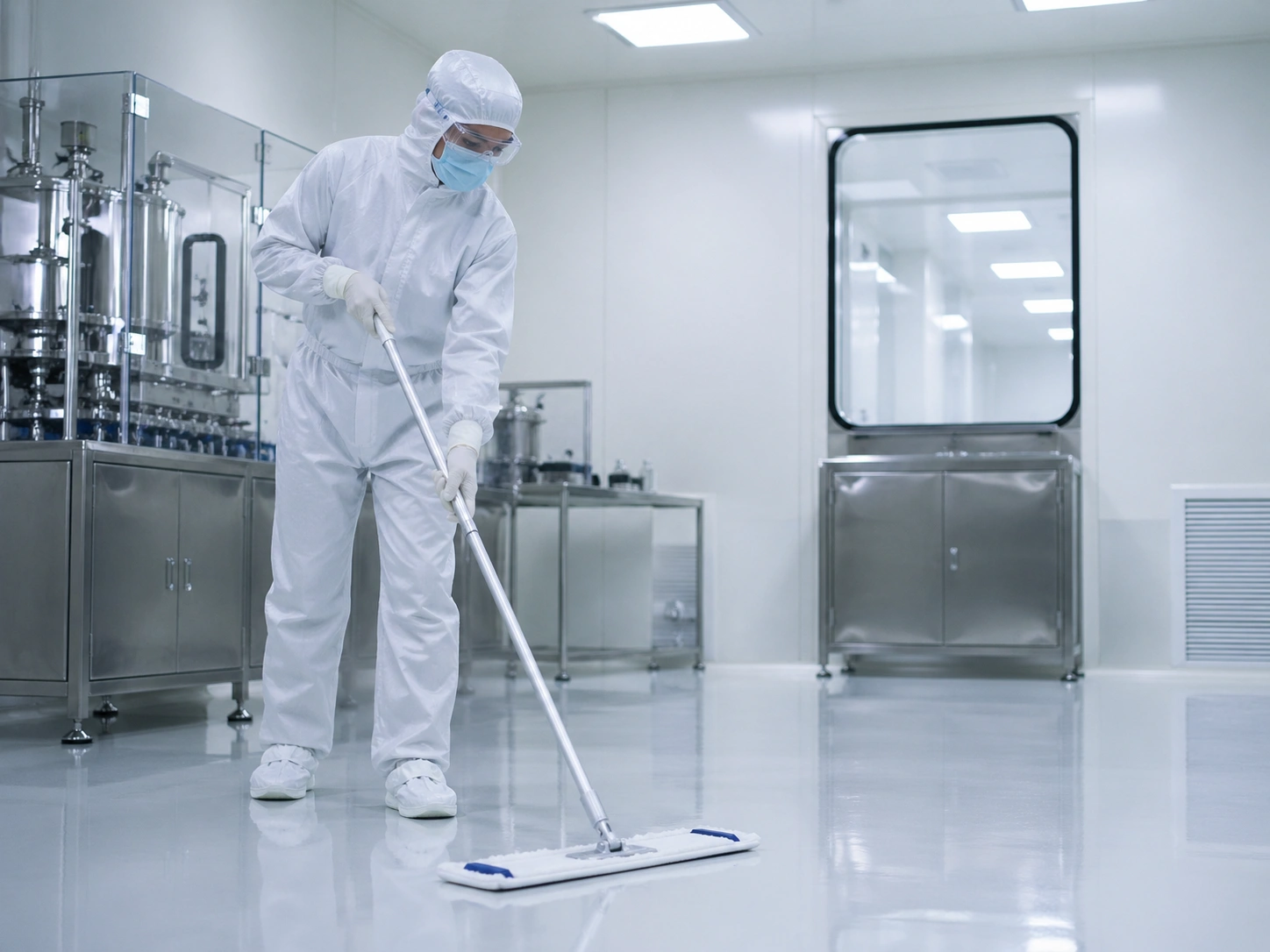
Effective cleanroom contamination control begins with understanding where particles and microorganisms enter the process. In pharmaceutical, biotech, medical device, semiconductor, and laboratory cleanrooms, contamination usually comes from personnel, materials, air movement, equipment surfaces, packaging, and cleaning tools that are not appropriate for controlled environments.
A cleanroom mop system should therefore be evaluated not only as a cleaning tool, but as part of the contamination control strategy. A mop that releases fibers, retains residues, or cannot be documented properly can create risk instead of reducing it.
一般的な汚染源
- 人の動き、ガウンの間違い、手袋の接触
- 入荷する資材、カートン、袋、転送品目
- 床の交通、機器の車輪、壁面/天井面
- 不適切なモップヘッドの選択または制御されていない再利用
- 洗浄と消毒の記録が不十分に文書化されている
制御目標
The goal is to reduce particle shedding, prevent residue transfer, support consistent wet contact, and make the cleaning activity traceable for QA, validation, and audit review.
2. 洗浄管理をクリーンルームの分類および GMP リスクに適合させる
Cleanroom cleaning requirements should match the process risk. A Grade A/B aseptic support area, ISO Class 5–7 pharmaceutical cleanroom, or sterile transfer zone usually requires stricter controls than a general controlled storage or lower-risk support area. The mop system, cleaning frequency, packaging format, and documentation package should all reflect that risk level.
| クリーンルームエリア | 汚染管理の優先順位 | モップシステムの考慮事項 | 保管すべき証拠 |
|---|---|---|---|
| GMPグレードA/Bサポートゾーン | 微生物および粒子の制御、無菌移送のサポート | 滅菌済みの低リントモップヘッド、管理されたパッケージング、定義された移送ロジック | COA、滅菌サポート文書、バッチトレーサビリティ、洗浄記録 |
| GMP グレード C / ISO 7 領域 | 日常的な汚染削減と残留物管理 | 床、壁、天井のワークフローに合わせた糸くずの出にくいポリエステルまたはマイクロファイバーのモップ システム | SOP、材料仕様、ロットトレーサビリティ、環境モニタリング傾向 |
| GMP グレード D / ISO 8 のサポート領域 | 一般的なクリーンルームの衛生管理と制御された交通リスクの軽減 | 洗浄頻度とコスト管理に基づいた、使い捨てモップまたは非滅菌モップのオプション | 清掃記録、オペレーターのトレーニング記録、サプライヤーの仕様書 |
If your facility is still reviewing room classification or cleaning requirements, connect this article with your internal page on ISO 14644 分類 そしてあなたの EU GMP Annex 1 クリーンルーム文書 コンテンツ。
3. QAが実際に監査できるクリーンルーム清掃SOPを構築する
A cleanroom cleaning SOP should be practical enough for operators and detailed enough for QA review. It should define what is cleaned, which mop system is used, which direction is followed, what disinfectant or detergent is applied, how often the area is cleaned, and how completion is recorded.
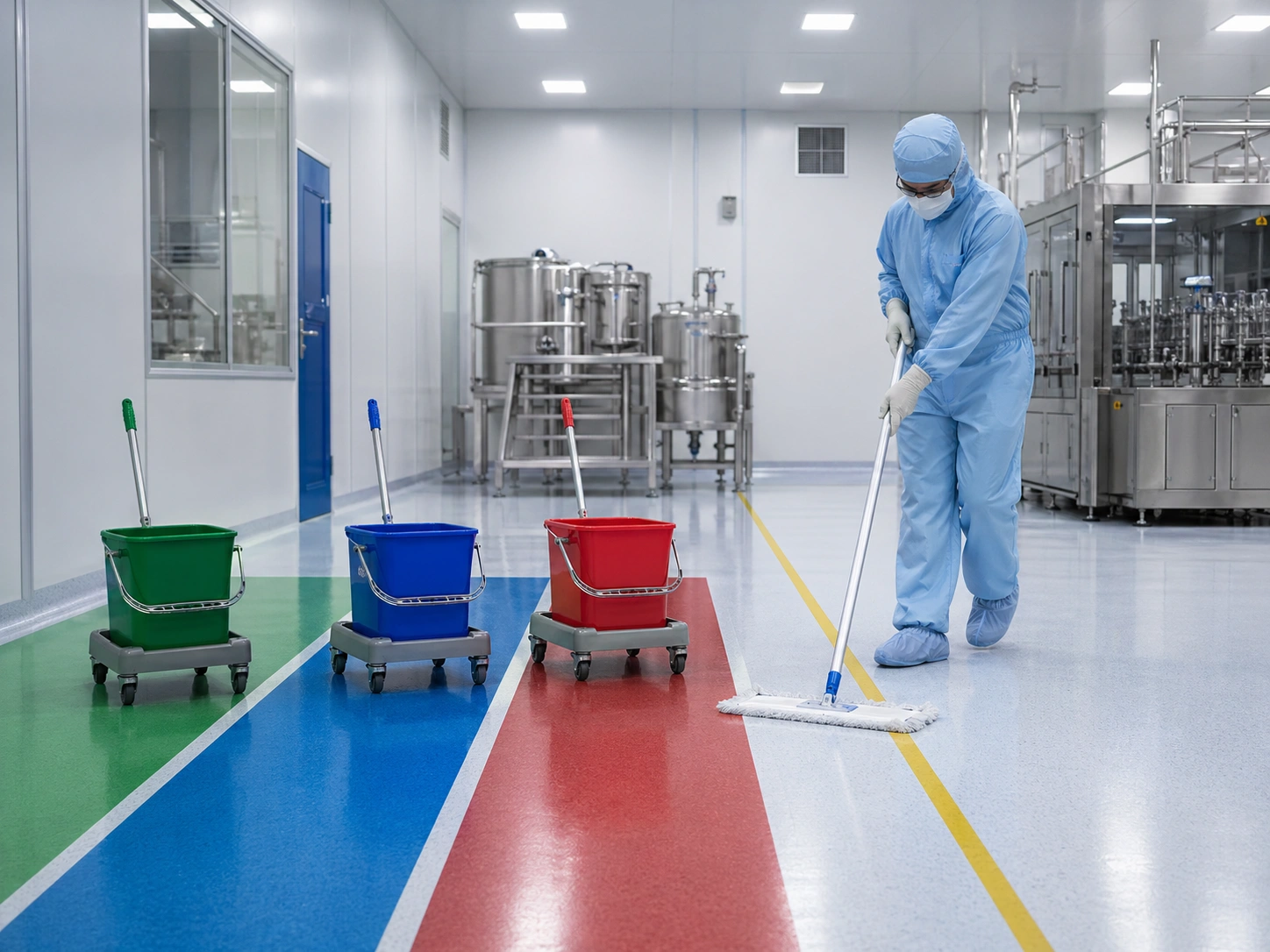
強力なクリーンルーム清掃 SOP では以下を定義する必要があります。
- 洗浄順序: 必要に応じて、きれいな場所からあまりきれいでない場所へ、また高い面から低い面へと掃除します。
- モップパターン: ランダムな動きの代わりに、制御されたオーバーラップパスを使用します。
- ゾーンの分離: ツールやモップヘッドを領域ごとに割り当てて、移動のリスクを軽減します。
- モップの交換頻度: モップヘッドをいつ交換または廃棄する必要があるかを定義します。
- 消毒剤の互換性: モップヘッド、フレーム、ハンドル、バケットシステムとの材料の互換性を確認します。
- レコード形式: 必要に応じて、日付、地域、オペレーター、化学物質、バッチ/ロット番号、および監督者のレビューが含まれます。
4. 通常のモップではなく、糸くずの少ないクリーンルーム モップ システムを選択してください
Regular mops are not designed for controlled environments. They may shed fibers, retain contaminants, spread residues, or lack traceable material documentation. A cleanroom mop system should be selected based on material, linting risk, absorbency, surface compatibility, sterile requirement, and documentation support.
| 選択要素 | なぜそれが重要なのか | ベストプラクティスの方向性 |
|---|---|---|
| 材料構造 | 繊維の脱落と表面接触を制御します | 清掃作業と部屋のグレードに基づいて、毛羽立ちの少ないポリエステルまたは認定マイクロファイバーを使用してください。 |
| 無菌 vs 非無菌 | 高度管理区域における微生物リスクに影響を与える | 無菌またはリスクの高い GMP 管理の洗浄ワークフローには、滅菌モップ オプションを使用します。 |
| 重量・吸水性 | 液体の分布と適用範囲に影響を与える | 床面積、残留負荷、オペレーターの扱いに基づいて、重いモップ、中程度のモップ、または軽いモップのオプションを選択します。 |
| 梱包と転送 | クリーンルームゾーンへの制御された導入をサポート | 必要に応じて、適切な梱包、ロットのトレーサビリティ、バッチ関連の記録を使用します。 |
| ドキュメンテーション | QA、CQV、サプライヤー認定をサポート | 仕様、COA リファレンス、テスト文書、およびバッチのトレーサビリティ記録を利用可能な状態に保ちます。 |
材料の選択については、このトピックを次のリンクに接続してください 低リントクリーンルームモップ、 マイクロファイバークリーンルームモップ、 そして 無菌クリーンルームモップと非無菌クリーンルームモップ.
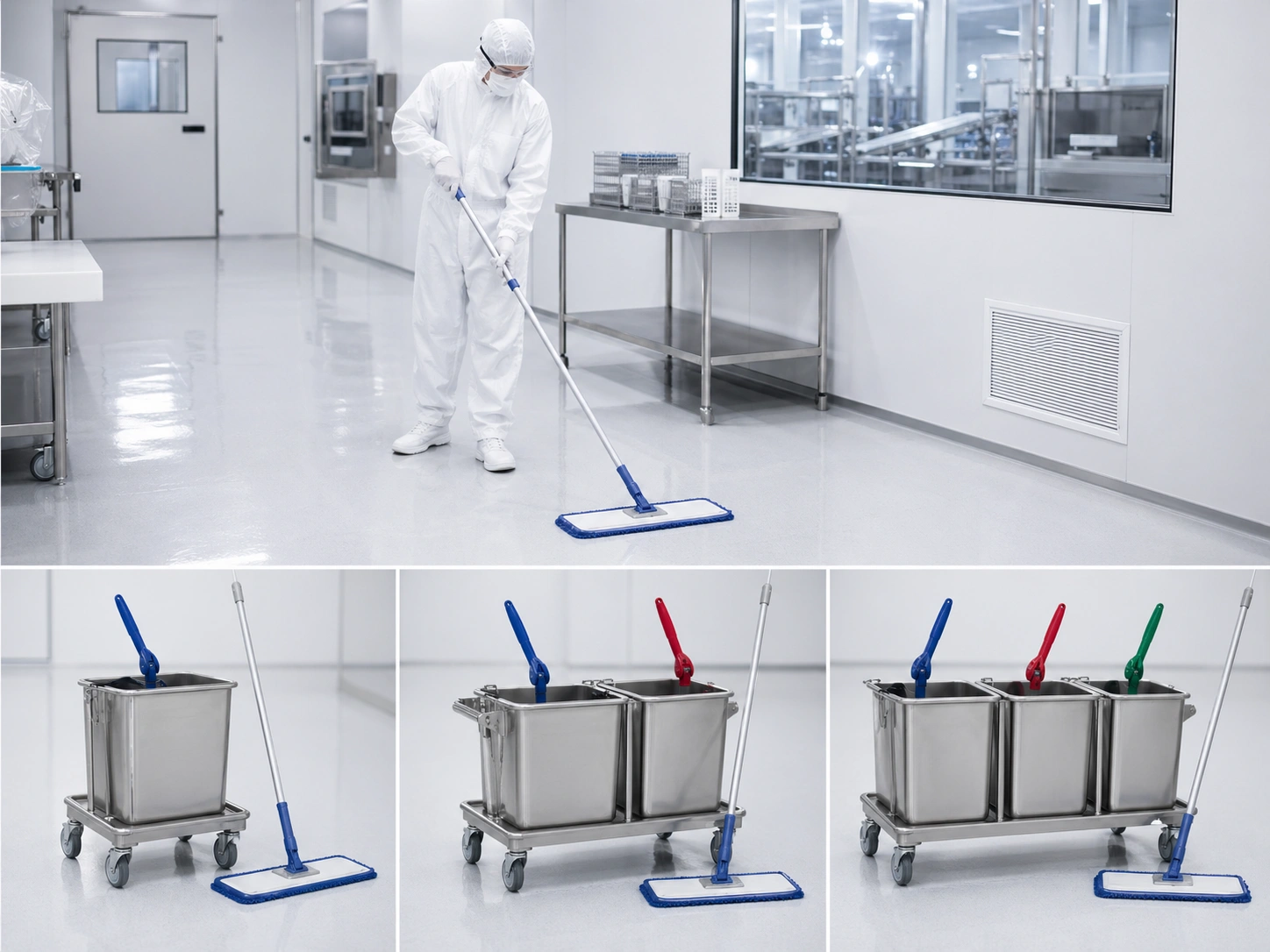
5. 床、壁、天井に制御されたモップ掛けワークフローを使用する
A cleanroom mop system is most effective when it is used within a repeatable workflow. Random cleaning patterns may leave missed areas, move residues into cleaner zones, or make operator performance difficult to verify during audits.
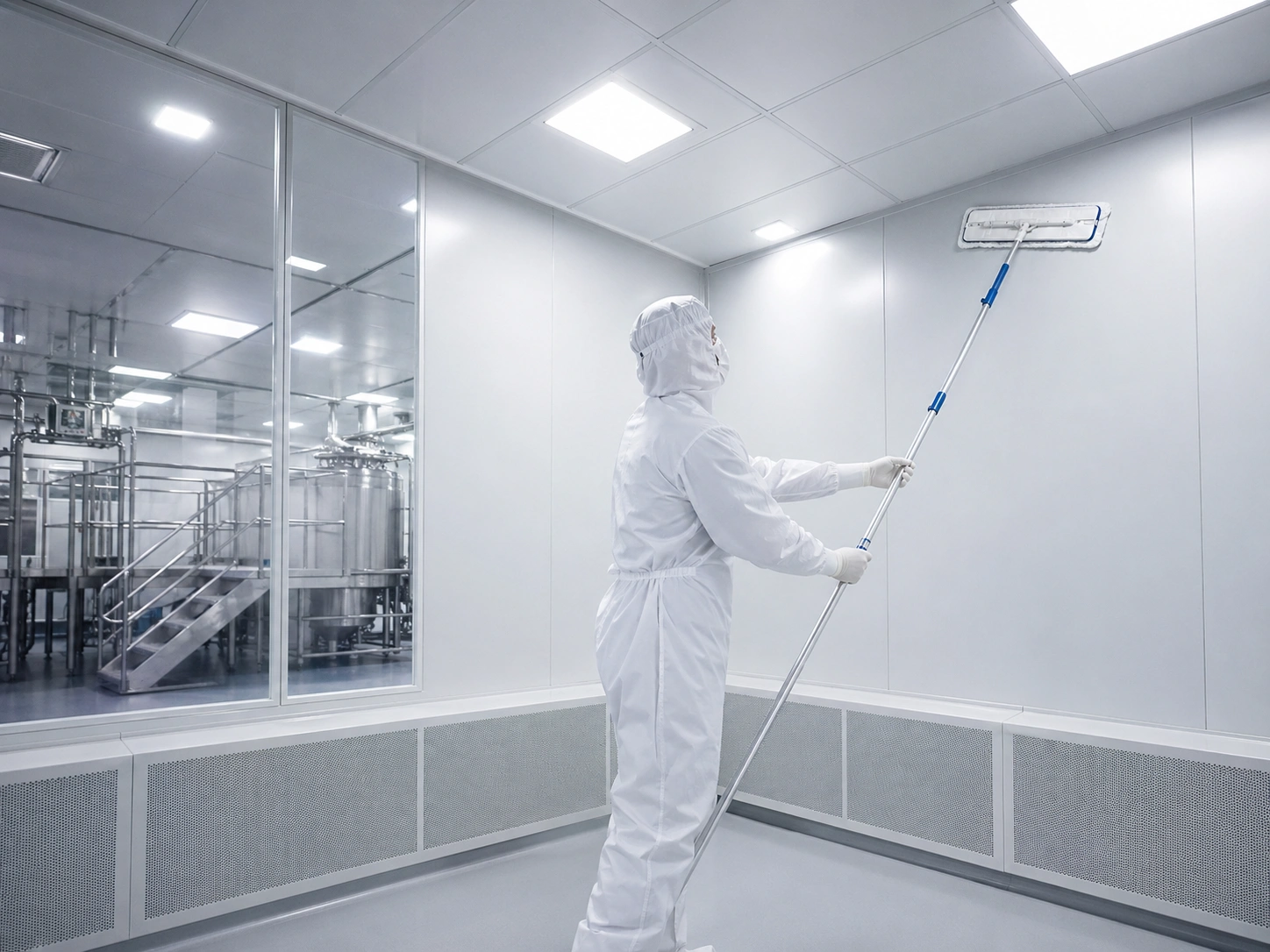
ベストプラクティスのワークフロー原則
- エリアを準備します。 部屋の状況を確認し、不要な物を取り除き、掃除用具を確認します。
- 定義されたゾーンを使用します。 広い表面を管理しやすいセクションに分割します。
- 一方向に従ってください: きれいなセクションとあまりきれいでないセクションの間を行ったり来たりしないようにしてください。
- 重複するパスを使用します。 一貫した接触を維持し、ミススポットを最小限に抑えます。
- モップヘッドをルールに従って交換します。 視覚的な判断だけに頼らないでください。
- 書類の完成: 領域、オペレーター、化学物質、およびツールの構成を記録します。
6. 清掃活動と環境モニタリングおよび監査記録を結び付ける
Cleanroom contamination control must be measurable. Environmental monitoring, cleaning logs, deviation records, and supplier documentation help show whether the cleaning process is working and whether the selected mop system is suitable for the cleanroom grade.
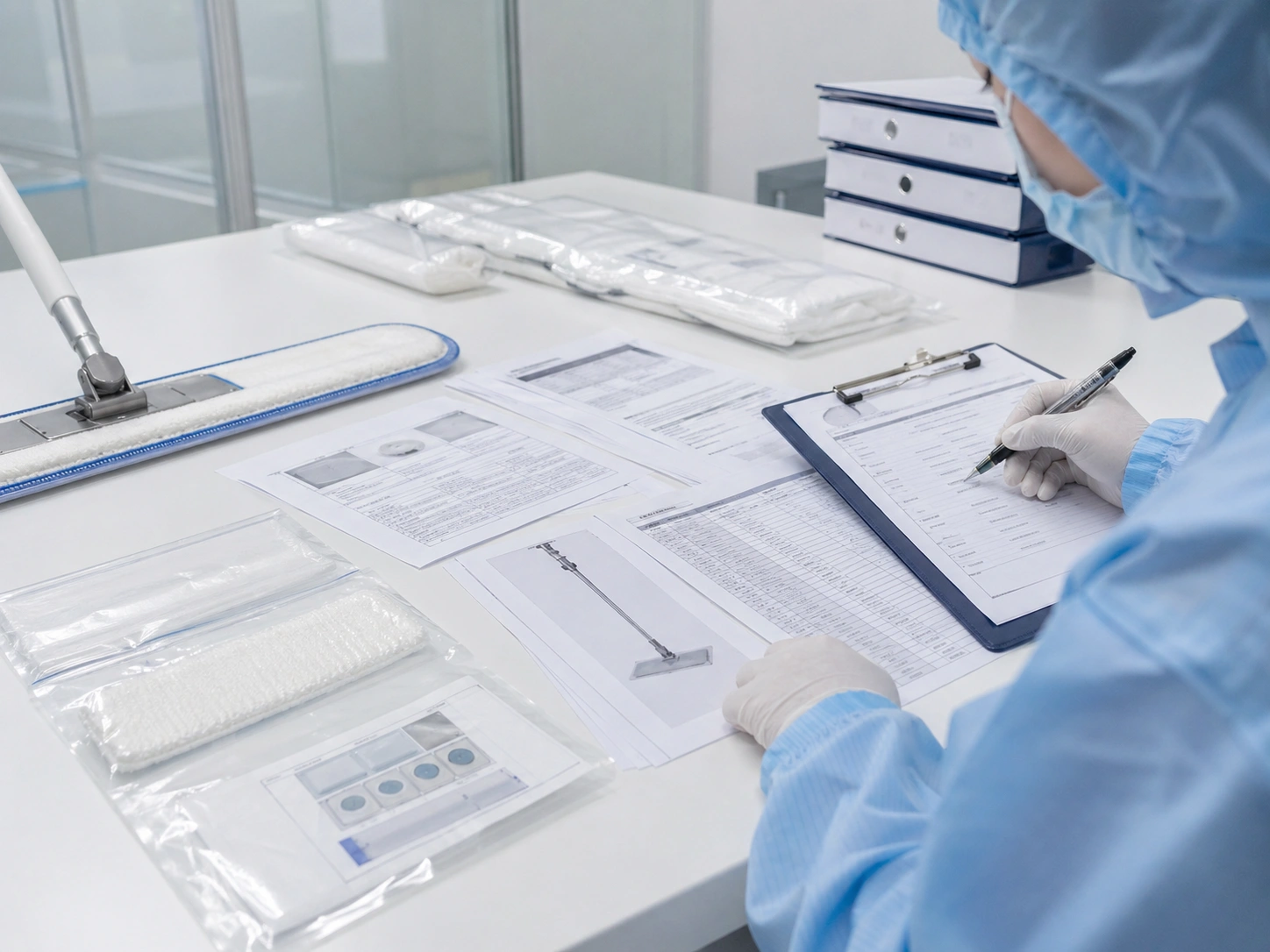
E-E-A-T と購入者の信頼を強化する文書
- 選択されたクリーンルーム モップ モデルの製品仕様シート
- 選択したバッチまたはサンプルロットに応じた COA または COA リファレンス
- 該当する場合、滅菌モップオプションの滅菌関連文書
- 材料およびパッケージに関する情報
- 清掃SOPとオペレータートレーニング記録
- 環境モニタリングの傾向レビューと逸脱のフォローアップ
- サプライヤー資格および監査準備記録
役立つサポート ページには次のものがあります。 クリーンルーム内の環境モニタリング、 GMP クリーンルーム監査の準備方法、 そして クリーンルームモップ検証文書 & COA.
7. リスクベースのモップ選択マトリックスの作成
For procurement, QA, and validation teams, a selection matrix is often more useful than a simple product list. It helps teams choose the right mop by cleanroom grade, cleaning surface, sterile requirement, and documentation level.
| 応用 | 推奨モップ方向 | 関連する MIDPOSI リソース |
|---|---|---|
| 医薬品GMPクリーンルーム | 定義された SOP とドキュメントのサポートを備えた低リントモップシステム | 製薬用クリーンルームモップ |
| 無菌ワークフローまたは高度に管理されたワークフロー | 適切なパッケージングとバッチ記録を備えた無菌クリーンルームモップオプション | 無菌クリーンルームモップ |
| 定期的なGMP C/D床の清掃 | 清掃頻度とコスト管理に基づいた使い捨てまたは再利用可能なモップの選択 | 使い捨てクリーンルームモップ |
| 壁や天井の掃除 | 安定したモップヘッドアタッチメントを備えた互換性のあるフレームとハンドルシステム | クリーンルームモップフレーム |
| 検証済みの洗浄プログラム | 文書化されたモップシステム、SOP、サプライヤー資格、および COA サポート | 医薬品クリーンルームモップのサプライヤーを認定する方法 |
In a cleanroom, the mop is not just a cleaning tool. It is part of the contamination-control system, the cleaning SOP, the validation discussion, and the audit trail.
関連する MIDPOSI クリーンルーム モップ オプション
For facilities building or reviewing a cleanroom contamination-control program, MIDPOSI provides low-lint cleanroom mop options with sterile and non-sterile configurations. Product selection should be based on room grade, surface type, cleaning frequency, documentation needs, and contamination-control risk.
ホワイトクリーンルームモップシリーズ
A cleanroom mop series designed for controlled cleaning workflows, with heavy, medium, and light options for different cleanroom cleaning needs.
65g滅菌クリーンルームモップ
Suitable for higher-risk cleanroom cleaning where sterile packaging and batch-related documentation may be required by QA or validation teams.
40g滅菌クリーンルームモップ
A lighter sterile option for selected cleanroom cleaning applications where handling and controlled replacement are important.
結論: 汚染管理には手順、製品、および証明が必要です
Best practices for cleanroom contamination control require more than frequent cleaning. The strongest programs combine room classification, risk-based SOPs, low-lint mop systems, controlled workflow, trained personnel, environmental monitoring, and audit-ready documentation.
For GMP-controlled environments, a cleanroom mop system should be selected as part of the contamination-control strategy. When material choice, sterile status, packaging, and documentation are aligned with the room risk level, the cleaning program becomes easier to train, easier to verify, and easier to defend during audits.
FAQ: クリーンルームの汚染管理とモップ システム
クリーンルームの汚染管理で最も重要な要素は何ですか?
The most important factor is consistency. A cleanroom must use a documented SOP, trained operators, approved materials, defined cleaning frequency, proper mop selection, and monitoring records that verify the process over time.
クリーンルームでは通常のモップではなく糸くずの出にくいモップを使用する必要があるのはなぜですか?
Low-lint cleanroom mops are designed to reduce fiber and particle shedding. Regular mops may release fibers, retain residues, or introduce uncontrolled contamination into GMP or ISO-classified environments.
滅菌クリーンルームモップはいつ使用する必要がありますか?
Sterile cleanroom mops are typically considered for aseptic, higher-risk, or GMP-controlled areas where microbial introduction must be minimized and batch-related documentation may be required.
mop システムは監査の準備をどのようにサポートしますか?
A mop system supports audit readiness when it is linked to specifications, SOPs, lot traceability, COA references, training records, and cleaning logs that show the tool was selected and used under control.
この記事をサポートする内部ページはどれですか?
This article should link to cleanroom cleaning SOPs, cleanroom mop system pages, sterile vs non-sterile mop guidance, ISO 14644 content, GMP audit preparation, and environmental monitoring resources.
GMP管理区域用のクリーンルームモップシステムが必要ですか?
MIDPOSI can help you review cleanroom mop options, sterile vs non-sterile configurations, documentation support, and sample options for pharmaceutical, biotech, medical device, semiconductor, and laboratory cleanrooms.