
クリーンルームモップの色分けは美観を重視するものではありません。これは、オペレーター、監督者、監査人がゾーン違反を即座に確認できるようにする視覚的な管理戦略です。適切に設計された配色は、ガウンの色、ゾーンの標識、および SOP 文書と統合され、QA マニュアルだけでなく、オペレーター レベルでも機能する相互汚染防止システムを作成します。
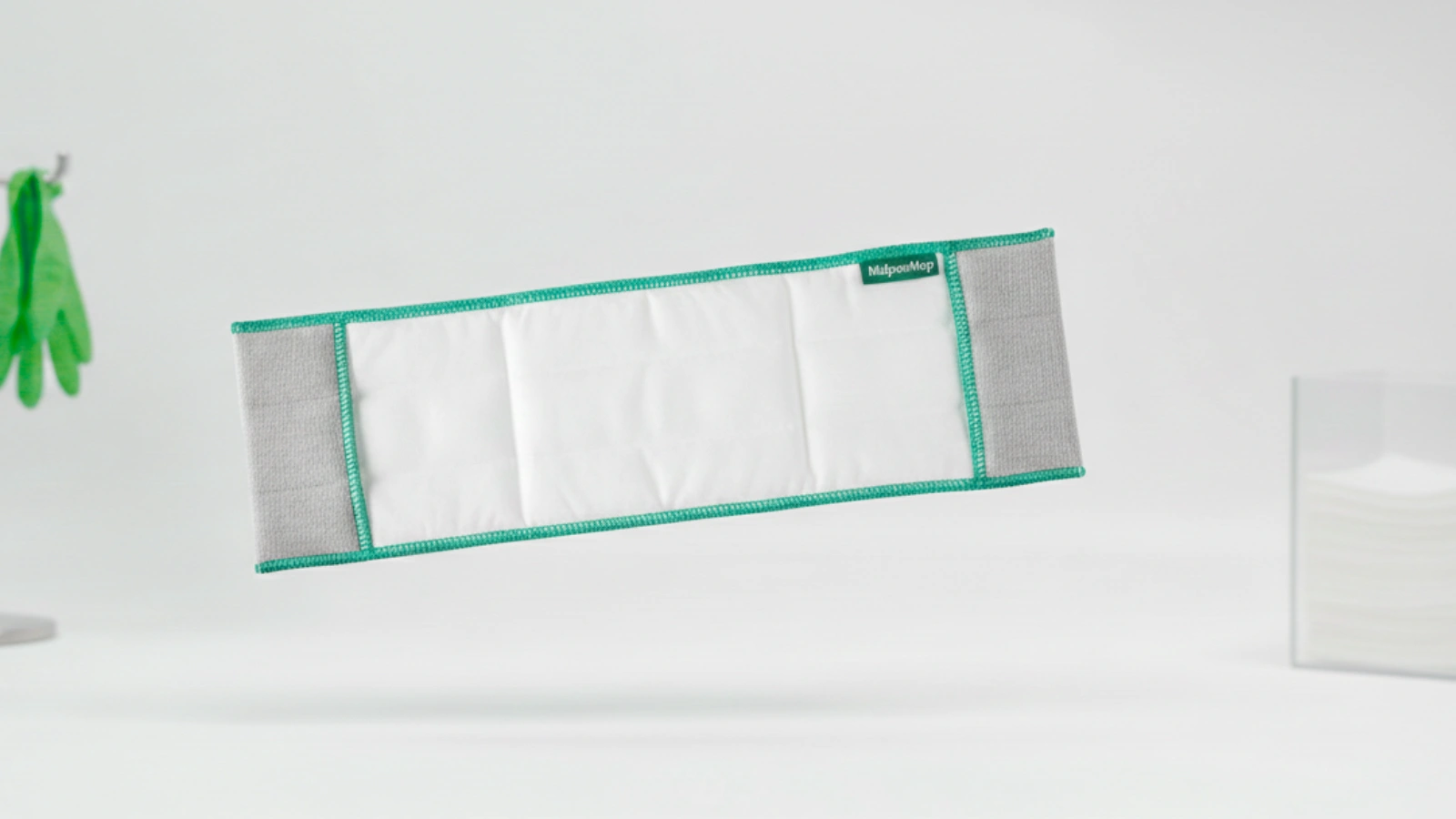
クリーンルームモップの色分けに関する単一の普遍的な標準はありません。ほとんどの施設は、ゾーンベース (GMP グレード別)、リスクベース (汚染リスクレベル別)、または製品ラインベース (製造エリア別) の 3 つのアプローチのいずれかを採用しています。以下の表は、多くのマルチグレードの製薬およびバイオテクノロジー施設が開始点として使用する、一般的に参照されるゾーンベースのマッピングの概要を示しています。
| ゾーン / GMP グレード | おすすめカラー | 理論的根拠 | モップヘッドの例 |
|---|---|---|---|
| グレード A / ISO 5 (アセプティックコア) | 白 | 白は無菌性と清潔さを連想させます。目に見える汚れがあればすぐにわかります。無菌処理ゾーンには、通常、滅菌白色モップヘッドが選択されます。 | 白いクリーンルームモップヘッド、滅菌済み、40-65 g/m² |
| グレード B / ISO 7 (滅菌サポート) | 青 | 青は、通常、グレード A に隣接する背景およびサポート領域に使用されます。ほとんどの施設の照明条件では、白や緑とは視覚的に区別できます。 | ブルーストライプまたはブルートリムのクリーンルームモップヘッド |
| グレード C / ISO 8 (制御されたサポート) | 緑 | グリーンは、製薬およびバイオテクノロジー施設全体のグレード C ゾーンに広く採用されています。これにより、重要な領域と非重要な領域の間に明確な視覚的な境界が提供されます。 | 緑色に色分けされたクリーンルームモップヘッド |
| グレード D / ISO 8-9 (一般クリーンルーム) | 黄色 | 黄色は、最も外側または最もグレードの低い管理区域によく使用されます。視覚的に区別でき、青や緑と混同されることはほとんどありません。 | 黄色のトリムまたは黄色の縞模様のクリーンルームモップヘッド |
| 非機密 / 付随的 (廊下、準備、保管) | 赤 | 赤は「警告」または「境界」を示し、通常は非機密サポートエリア用に予約されています。ここで赤を使用すると、機密ゾーンからの心理的な分離が強化されます。 | 赤い縁取りのポリエステル製クリーンルームモップヘッド、未滅菌 |
このマッピングは、製薬施設やバイオテクノロジー施設の間で一般的に参照される規約です。個々の施設は、ガウンの体系、照明条件、オペレーターのトレーニング履歴に基づいて色を適応させる必要があります。最も重要な原則は一貫性です。色とゾーンのマッピングが確立されたら、それをすべての清掃ツールにわたって均一に適用し、施設の SOP に文書化する必要があります。
マルチゾーンのクリーンルーム施設では、通常、清掃プロトコルでどのツールがどのゾーンに割り当てられるかを指定します。しかし、書面による手順だけでは基本的な制限があります。オペレータは、ゾーン間を移動するたびに手順を読み、思い出し、正しく適用する必要があります。
カラーコーディングは、ゾーンの割り当てをツール自体に埋め込むことで、この制限に対処します。モップのヘッドが緑色で、ゾーン入口標識に「緑のモップのみ」と書かれている場合、オペレーターが清掃を開始する前に、青いモップと緑のゾーンの不一致が部屋の反対側から見えるようになります。これは、手順の段階で逸脱を発見することと、洗浄後の環境モニタリング中に初めて逸脱を発見することとの違いです。

汚染管理は多層防御に依存しています。クリーニング ワークフローでは、通常、これらのレイヤーには次のものが含まれます。
カラーコーディングはレイヤー 1 で動作します。これは可能な限り最速のフィードバック ループを提供し、オペレーターの読み書き能力、言語の好み、疲労レベルには依存しません。これが、広く採用されている要素である理由です。 クリーンルームモップシステム マルチゾーン施設の設計。
主な違い: すべてのゾーンで同じ白いモップを使用し、相互汚染を防ぐために文書化された SOP に全面的に依存している施設には、レイヤー 2 防御しかありません。ゾーンごとに異なるモップの色を割り当て、それらをゾーンの標識に一致させる施設には、レイヤー 1 + レイヤー 2 の防御機能があります。この差異は、逸脱調査や GMP 監査中に評価される場合があります。
施設は通常、運営構造、規制状況、汚染管理の目的に応じて、3 つの色分けフレームワークから選択します。各スキームには、異なるロジック、長所、および制限があります。
| スキームの種類 | 論理 | 代表的な用途 | 強み | 制限事項 |
|---|---|---|---|---|
| ゾーンベース | 色はGMPグレードまたはISOクラスによって割り当てられます。グレード A = ホワイト、B = ブルー、C = グリーン、D = イエロー。 | マルチグレードの医薬品製造施設。明確に定義されたGMP境界を持つ施設。 | 規制グレードの期待に合わせやすい。監査フレームワークに直接マッピングします。オペレーターにとって覚えやすいものです。 | 複数の製品ラインが同じグレードを共有しているが、分離が必要な場合には不十分な場合があります。施設全体で一貫した GMP グレードの指定が必要です。 |
| リスクベース | 色は汚染リスク階層によって割り当てられます。無菌コア = 白、高リスクサポート = 青、一般処理 = 緑、非クリティカル = 黄色。 | バイオテクノロジーR&D 施設。リスクゾーンが GMP グレードに明確にマッピングされていない施設。 | 成績ベースよりも詳細。実際の汚染リスクをより正確に反映できます。進化するリスクプロファイルを持つ施設に適応します。 | 明確な根拠がなければ、監査目的で文書化するのが困難です。より多くのオペレーターのトレーニングが必要です。リスク層の定義は施設ごとに異なります。 |
| 製品ラインベース | 色は製造地域または製品ラインによって割り当てられます。製品 A スイート = 青、製品 B スイート = 緑、共有エリア = 黄色。 | 複数製品の CDMO 施設。ツールを決して共有してはいけない専用の製造スイートを備えた施設。 | 製品ライン間の相互汚染を直接防ぎます。オペレータは色を特定のスイートに簡単に関連付けることができます。クライアント監査のための明確な分離証拠。 | 製品ラインが多くなると複雑になります。 5 つ以上の異なるエリアがある施設では、色の供給が不十分である可能性があります。本質的にGMPリスクレベルを反映するものではありません。 |
通常、決定は施設の主な汚染懸念に応じて決まります。
多くの施設はハイブリッド アプローチを採用しています。主なフレームワークとしてゾーンベースであり、必要に応じて単一グレード内に製品ラインの分離が追加されています。の GMPクリーンルームモップグレード選択ガイド グレード固有のモップ要件に関する追加のコンテキストを提供し、選択に役立つ可能性があります。

Designing a color-coding system is not simply about assigning a color to each room. It requires a deliberate, documented process that involves facility mapping, scheme selection, alignment with existing visual controls, tool selection, and SOP integration. The five-step framework below provides a structure that can be adapted to most multi-zone cleanroom environments.
Begin with a floor plan. Mark every room and corridor with its GMP grade (A/B/C/D) or ISO classification. Then annotate each area with its contamination risk level: sterile core, high-risk support, general processing, non-critical. This map becomes the reference document for all subsequent color-coding decisions.
エアロック、資材の通過、ガウンルームなどの移行スペースを含めます。これらは一般的な汚染転移点であり、明確な色が割り当てられている必要があります。
ゾーンベース、リスクベース、または製品ラインベースから選択します (完全な比較については、H2-3 を参照)。選択されたスキームは、施設の主要な汚染懸念に対処し、規制監査中に防御可能である必要があります。根拠を文書化します。なぜこのスキームが選択されたのか、どのような代替案が検討されたのか、それが施設のリスク評価にどのようにマッピングされるのか。
This step is frequently overlooked. If your facility uses color-coded gowning (e.g., blue gowns for Grade C, green for Grade D), avoid assigning mop colors that conflict. If operators wear green gowns in a zone where mops are also green, the visual distinction between “person” and “tool” may be diminished. The mop color should be clearly visible against the operator’s gowning and the floor surface.
In some facilities, mop colors are intentionally aligned with gowning colors to reinforce zone identity. In others, they are intentionally contrasting to prevent confusion. Both approaches are valid; the choice should be documented with a rationale.
色分けはモップヘッドに限定されるべきではありません。完全なクリーニング ツール アセンブリについて考えてみましょう。
色分けシステムは、施設の清掃 SOP で成文化する必要があります。テキストによる説明だけでは不十分です。含む:
視覚的な付録は、オペレーターのトレーニングと監査の準備に特に役立ちます。 SOP をレビューする GMP 監査人は、視覚的な参照のみから色分けシステムを理解できる必要があります。
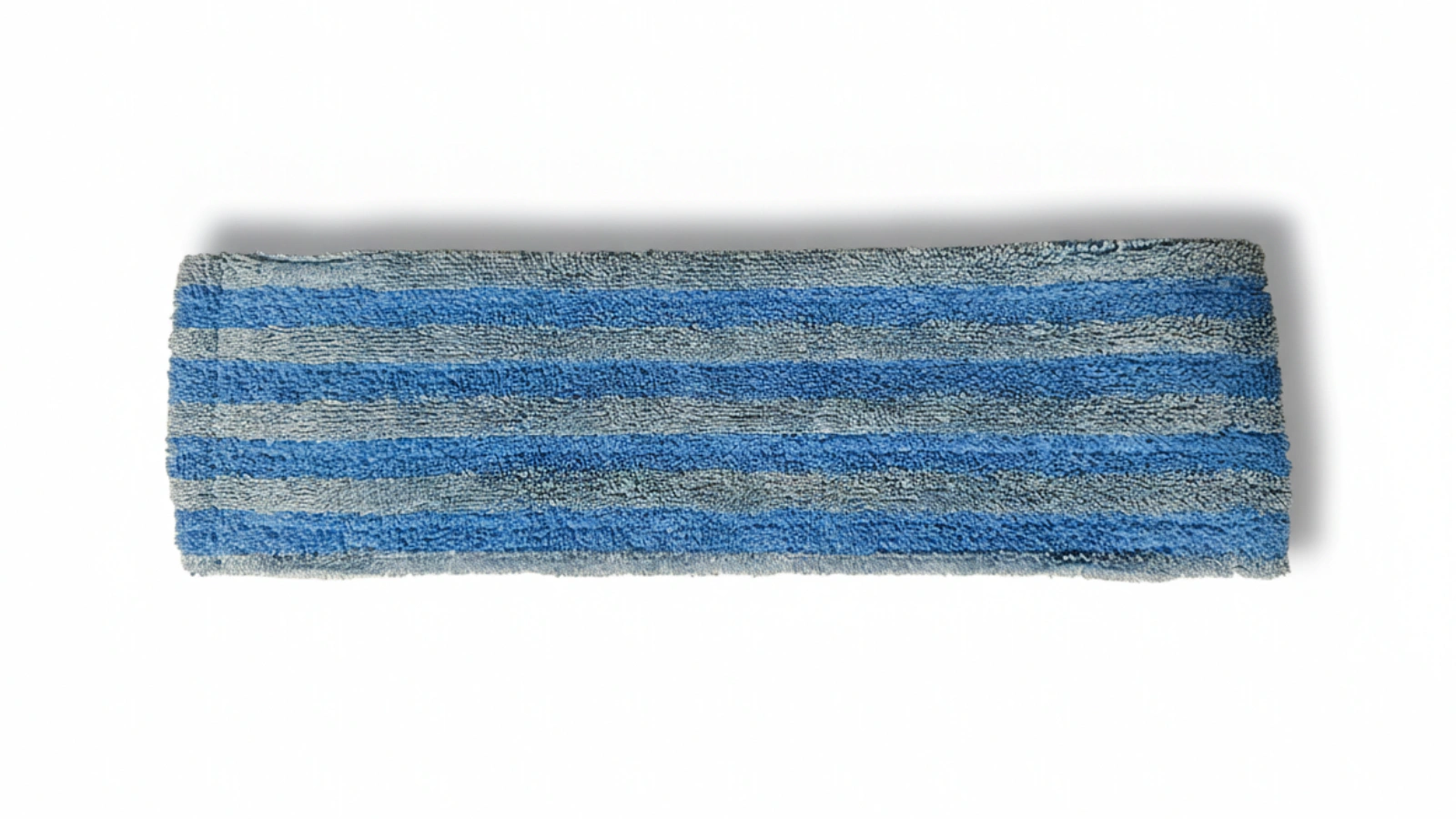
モップヘッドのみに存在する色分けシステムでは、完全な汚染制御の利点は得られません。システムは、施設内の少なくとも 4 つのタッチポイントにわたって表示され、一貫性がある必要があります。
多くの場合、更衣室は、オペレーターが色分けシステムに最初に遭遇する場所です。次の統合アプローチを検討してください。
Zone entry signage should display the zone’s assigned mop color. Common formats include:
The cleaning SOP should include a visual appendix that any auditor or new operator can understand within minutes. Recommended contents:
Operator training on the color-coding system is typically addressed through:
実用的なメモ: 色分けされたガイダンスは、通常、カラー印刷された文書を使用して SOP トレーニング資料に表示されます。ただし、オペレーターの中には色覚異常を持つ人もいます。施設では、普遍的な可読性を確保するために、色分けとともにパターンベースの識別子 (ストライプ、ドット、シェブロン) を組み込むケースが増えています。これは、経験豊富な GMP 検査官が実施する監査中に指摘される可能性のある詳細です。
善意でカラーコーディングを実装したとしても、特定の一般的な落とし穴が予期されていない場合は失敗する可能性があります。以下のシナリオは、マルチゾーンのクリーンルーム施設で観察されたパターンに基づいており、単一の施設に対する最終的な予測としてではなく、計画の考慮事項としてここに示されています。
What goes wrong: Light blue and light green can appear nearly identical under certain cleanroom lighting conditions (e.g., yellow-tinted lighting in photolithography areas, or low-lumen ISO 5 environments).
Recommended approach: Test color swatches under the actual lighting conditions of each zone before finalizing the color scheme. Choose visually distinct colors: white vs blue vs green vs yellow vs red provides higher contrast than variations within the same hue family. If blue and green are both required, use dark blue and bright green rather than light variants of both.
What goes wrong: Mop heads are replaced frequently. If the frame and handle are not color-coded, the zone assignment disappears when the head is changed. A new operator or a replacement head from a different batch may carry no visual identification at all.
Recommended approach: Use colored identification bands, sleeves, or tags on frames and handles as a secondary persistent identifier. Even if the mop head color fades or is replaced, the frame color remains a zone indicator. Review クリーンルームモップヘッドの種類 to understand head-frame compatibility and identification options.
What goes wrong: SOP は色分けシステムをテキストのみで説明しています (例: 「グレード A ゾーンは白いモップヘッドを使用するものとする」)。視覚的な参照がなければ、オペレーターは内部でテキストを色の決定に変換する必要があり、監査人は文書だけから独立してシステムを検証することができません。
Recommended approach: すべてのクリーニング SOP に視覚的な付録を含めます。色分けされた各モップの写真を、指定されたゾーンの横に表示します。オペレーターがクリーニング カート上で参照できる、簡略化された 1 ページのカラー マップを追加します。
What goes wrong: The color-coding system is documented in the SOP, but operators were not formally trained. They may understand that “green mops go somewhere” but not which specific zones, or they may assume that using any mop from the correct color bin is sufficient regardless of the actual zone.
Recommended approach: Include color-coding as a specific module in operator training. Conduct a practical walkthrough test: the operator must correctly identify which mop color belongs in each zone and demonstrate the deviation reporting procedure. Training should be re-delivered whenever the color scheme changes or new zones are added.
What goes wrong: The facility uses green gowns for Grade C, and green mops for Grade C. While this appears consistent, operators wearing green gowns may not visually register a green mop as a distinct object. The mop may blend into the visual field, reducing the “instant recognition” benefit that color-coding is intended to provide.
Recommended approach: Decide intentionally whether mop and gown colors should match (reinforcing zone identity) or contrast (enhancing tool visibility). Document the rationale. If matching is selected, ensure the mop color is saturated enough or patterned enough to remain visible against the gown color under all lighting conditions.
During GMP inspections, auditors may review the facility’s color-coding system as part of the broader contamination control strategy. While there is no GMP regulation that explicitly mandates specific mop colors, auditors typically evaluate whether the color-coding system is documented, understood, consistently applied, and effective at preventing cross-contamination.
For facilities that require validated GMP施設清掃用クリーンルームモップ, the color-coding system is often reviewed alongside cleaning validation evidence and クリーンルームモップの検証書類 to confirm that zone segregation is supported by documented evidence.
The following checklist summarizes what auditors may evaluate during a review of the color-coding system. Each item represents a typical inquiry pattern, not a regulatory requirement.
監査の考慮事項: SOP には存在するが、実際には一貫して観察されていない色分けシステムは、正式な色分けシステムがまったく存在しない場合よりも批判的に評価される可能性があります。監査人の典型的な期待は、文書化された手順が観察された実践と一致していることです。 SOP に「グレード C では緑色のモップのみ」と記載されているにもかかわらず、監査人がグレード C の青色のモップを観察した場合、汚染が実際に発生したかどうかに関係なく、逸脱として指摘される可能性があります。
Color-coding is one element of a comprehensive contamination control strategy. The following topics address related areas that procurement and QA teams typically evaluate alongside color-coding decisions.
There is no single regulatory standard that mandates specific mop colors for all facilities. However, a commonly referenced convention among pharmaceutical and biotech facilities assigns white to Grade A (aseptic core), blue to Grade B (sterile support), green to Grade C (controlled support), yellow to Grade D (general cleanroom), and red to non-classified ancillary areas. Individual facilities should select a scheme that aligns with their GMP grade structure, gowning colors, and contamination risk profile, and document the rationale in their cleaning SOP.
White is typically selected for Grade A (ISO 5) aseptic processing zones, as it is associated with sterility and makes any visible contamination immediately apparent. Blue is commonly assigned to Grade B (ISO 7) sterile support areas. However, some facilities use white across both Grade A and Grade B, distinguishing zones by mop sterility status rather than mop color. The key consideration is that sterile-grade mops used in Grade A/B zones should be supported by appropriate packaging and aseptic transfer procedures, regardless of color.
Prevention typically relies on multiple integrated controls. First, store mops in color-labeled racks at each zone boundary, so the correct mop is physically located where it is needed. Second, post color-coded zone entry signage that matches the mop color. Third, train operators on the color scheme and conduct practical walkthrough assessments. Fourth, implement a deviation reporting procedure so that incorrectly placed mops are flagged and investigated. Fifth, consider adding patterned identifiers (stripes, chevrons) alongside color for operators with color vision deficiencies. Color-coding alone is a visual cue; it is effective when combined with training, signage, storage discipline, and deviation management.
Color-coding handles and frames is strongly recommended as a secondary or persistent identifier. Mop heads are consumable and may be replaced; if only the head is color-coded, the zone assignment disappears between head changes. Frame color-coding (via colored bands, sleeves, or tags) and handle identification (colored grip sections or end-cap tags) ensure that zone assignment remains visible regardless of head replacement. During audits, handles and frames stored in zone-specific racks with matching color labels provide immediate visual evidence of zone segregation.
Integration can follow one of two approaches. The “match” approach aligns mop color with gowning color (e.g., green gowns and green mops in the same zone), which reinforces zone identity and simplifies operator association. The “contrast” approach uses distinct mop colors that stand out against gowning colors, enhancing tool visibility. Both are valid. Facilities should document their chosen approach and rationale. At minimum, a reference chart showing the zone name, gowning color, and mop color should be posted in the gowning room so operators can confirm the correct tool assignment before entering the classified area.
Auditors typically verify six areas: (1) whether a documented color-coding scheme exists with a written rationale, (2) whether operators can correctly state the color-zone assignment for their working area, (3) whether mop storage areas show visible color segregation, (4) whether the cleaning SOP’s visual appendix matches the observed mop colors and zone signage, (5) whether operator training records include color-coding as a specific module, and (6) whether past color-coding deviations were investigated and addressed through CAPA. The key audit concern is consistency between documentation and observed practice, not adherence to any specific color standard.
Facilities may create their own color scheme. There is no regulation that requires a specific color-to-zone mapping. However, creating a custom scheme carries additional documentation burden: the rationale must be explicitly documented, the scheme must not conflict with other visual controls in the facility (gowning, signage, safety markings), and operators may need more intensive training since they cannot rely on commonly referenced conventions. The advantage of following a widely used convention (white/blue/green/yellow/red) is that it is broadly recognizable to auditors familiar with multi-grade facilities, and it tends to be intuitive for operators who have worked in other regulated environments.
Training on a new or revised color-coded system typically follows a structured sequence. First, deliver classroom-style instruction covering the color-to-zone mapping, the rationale for each assignment, and the deviation reporting procedure. Second, conduct a practical walkthrough of the facility where operators physically identify each zone and its assigned mop color. Third, administer a hands-on assessment where the operator must select the correct mop for a given zone and demonstrate the deviation response. Fourth, provide laminated quick-reference cards that can be affixed to cleaning carts. Fifth, schedule a follow-up refresher session 30-60 days after implementation to address questions and reinforce correct behavior. Training records should be maintained as part of the facility’s GMP documentation system.
施設のゾーン構造と色分けの要件について、当社のチームと話し合ってください。当社は、モップヘッドの仕様、滅菌オプション、色の識別を、GMP グレードの境界および洗浄 SOP フレームワークに適合させるお手伝いをします。
MIDPOSI は、製薬、バイオテクノロジー、医療機器施設にクリーンルーム モップ システムを供給しています。お問い合わせは秘密厳守で義務なく処理されます。