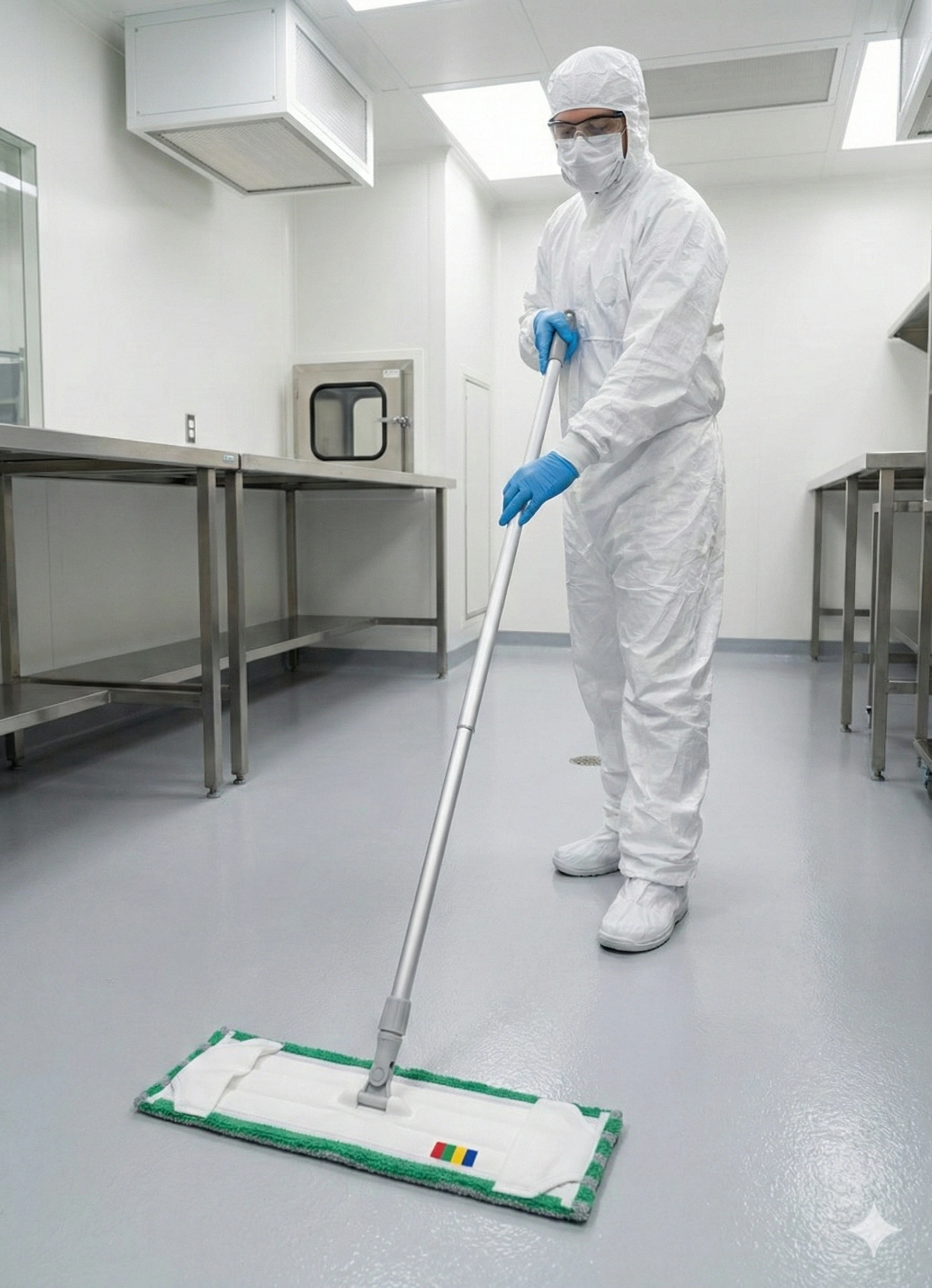
再利用可能なクリーンルームモッププログラムは、文書化された反復可能な再処理ワークフローに依存しています。 モップは洗濯だけでは再利用できません。滅菌だけでは検査に代わることはできません。ストレージだけが追跡に代わるものではありません。このガイドは、再処理サイクルの 6 つの段階すべて (洗濯、乾燥、滅菌、検査、保管、文書化) を、各段階に決定ゲートを備えた 1 つのエンドツーエンドのリファレンスに統合します。
1. クイックアンサー — 6 段階の再処理ワークフロー
クリーンルーム モップの再処理ワークフローには、6 つの連続した段階があります。各ステージには決定ゲートが含まれており、モップは合格して次のステージに進むか、失敗してサービスを終了します。ステージをスキップまたは結合すると、再処理サイクルに未検証のギャップが生じます。
洗濯する
温度、洗剤、サイクル時間など、素材固有の検証済みパラメーターを使用して洗浄します。
ドライ
低温タンブル乾燥または環境制御された自然乾燥。作業を進める前に乾燥を確認してください。
滅菌する
検証されたパラメータでオートクレーブします。サイクル番号を記録します。モップが最大サイクル制限に達する → リタイア。
検査する
チェックリストと照らし合わせた目視検査。パス→店舗へお進みください。失敗→引退して文書化。
店
環境に適合し、個別にハングされ、バッチラベルが付けられます。 FIFO ローテーション。最大保存期間を超えないようにしてください。
書類
すべてのステージの結果をバッチごとに記録します。サイクルログ、検査ログ、および廃棄ログを維持します。
段階ごとの意思決定ゲートの概要
| ステージ | 重要な決定 | ゴークライテリア | 禁止基準 |
|---|---|---|---|
| 1.洗濯する | 検証されたパラメータで洗浄は完了しましたか? | サイクルは指定された温度、洗剤、持続時間の範囲内で実行されました | サイクル偏差;モップの再洗浄または評価が必要な場合があります |
| 2.乾燥 | モップは完全に乾いていますか? | 視覚と触覚の検証に合格しました。残留水分がない | 湿っぽい。乾燥機に戻すか、完全に乾くまで自然乾燥させます。 |
| 3. 滅菌 | オートクレーブサイクルは検証済み + サイクル制限内ですか? | サイクルパラメータが満たされました。最大制限を下回るモップサイクル数 | サイクル偏差またはサイクル数が最大値と等しいか最大値を超えています。モップを引退する |
| 4. 検査する | 検査チェックリストに合格しましたか? | 目に見える生地の損傷、変色、縫い目の不良、汚れがないこと | 検査不合格が観察された場合 → モップの使用を中止する |
| 5.ストア | 保管条件は満たされていますか? | 環境グレードはターゲットゾーンと一致します。個別に吊り下げられました。最大保存期間内 | 保管環境が不十分である。保存期間を超過 → 使用前に再処理してください |
| 6. 文書 | すべての記録が完了しましたか? | サイクルログ、検査ログ、保管ログはすべて最新かつバッチごとに完了 | 記録が欠落している → 文書のギャップが解消されるまでモップを発行しない |
2. ステージ 1-2 — 洗濯と乾燥
再処理の最初の 2 段階では、土壌、化学残留物、水分を除去してモップを滅菌用に準備します。これらの段階は最も過小評価されることが多く、洗浄後の目視検査に合格しても洗剤の残留物が残っているモップは効果的に滅菌できません。
ステージ 1: パラメータのロンダリング
洗濯パラメーターは素材ごとに異なります。ポリエステル製クリーンルーム モップとマイクロファイバー クリーンルーム モップでは、温度と洗剤に対する耐性が異なります。
| パラメータ | ポリエステルモップ | マイクロファイバーモップ |
|---|---|---|
| 洗浄温度 | 最大 90 °C (材料仕様ごとに検証済み) | 通常、最高 60 ~ 70 °C (材料仕様を確認してください - マイクロファイバーは高温で劣化します) |
| 洗剤 | 非イオン性、低残留物。中性pHが好ましい | 非イオン性、非アルカリ性。中性の pH が必要 — アルカリ性洗剤はマイクロファイバーの構造を損傷します |
| すすぎサイクル | 洗剤残留物を除去するために最低 2 回のすすぎサイクル | 最低 2 ~ 3 回のすすぎサイクル — マイクロファイバーはポリエステルよりも多くの洗剤を保持します |
| 洗濯サイクルの持続時間 | 検証済みの SOP ごと。通常、この温度で 30 ~ 60 分 | 検証済みの SOP ごと。通常、この温度で 20 ~ 40 分 |
| 水質 | GMP グレード A/B モップには脱イオン水または精製水が推奨されます | 同じ - DI/精製水による最終すすぎを推奨 |
ステージ 2: 乾燥パラメータ
GMP 再処理ワークフローでは 2 つの方法が一般的です。
- 低温タンブル乾燥: ポリエステルモップの場合は最高 60 °C。マイクロファイバーモップの場合は最高 50 °C。共用施設の洗濯乾燥機ではなく、クリーンルーム専用のモップ乾燥機を使用してください。乾燥機が機密区域に排気する場合、気流は HEPA フィルター付きであることを検証する必要があります。
- 制御された環境で自然乾燥: HEPA フィルター付き気流を備えた分類された乾燥エリアにモップを 1 つずつ吊るします。乾燥時間は長くなりますが (モップの重量と空気の流れに応じて通常 4 ~ 8 時間)、タンブル乾燥による熱損傷のリスクは排除されます。
滅菌に進む前に乾燥確認が必須です。湿った状態でオートクレーブに入るモップは、湿気が熱の浸透とサイクル性能に影響を与えるため、検証された滅菌パラメータを達成できません。を参照してください。 クリーンルームモップのメンテナンスと寿命ガイド 洗剤の選択に関するガイダンスや頻度の最適化など、洗濯の詳細についてはこちらをご覧ください。
3. ステージ 3 — 滅菌と周期追跡
再利用可能なモップの再処理ワークフローにおける滅菌には、通常、オートクレーブ (蒸気滅菌) が使用されます。ガンマ線照射やエチレンオキシド (EtO) も代替方法ですが、オートクレーブはほとんどの GMP 施設ですでに利用可能な装置であるため、再利用可能なクリーンルーム モップの社内再処理にはオートクレーブが最も一般的です。
クリーンルームモップ再処理のオートクレーブパラメータ
| パラメータ | 代表的な範囲 | 注意事項 |
|---|---|---|
| 温度 | 121 °C (250 °F) の標準重力サイクル | サイクルを短くするには 134 °C を使用する場合があります - モップの材質について検証する必要があります |
| 曝露時間 | 121 °C で 15 ~ 30 分 (材質による) | モップメーカーの材質仕様と照らし合わせて検証する |
| 包装 | 滅菌ラップまたは検証済みの再利用可能な容器 | 包装は蒸気の侵入を許容する必要があります。滅菌中にモップを圧縮してはなりません |
| 乾燥段階 | サイクル後の真空乾燥を推奨 | オートクレーブ後に残留する水分を減らします。滅菌後の乾燥時間を短縮します |
オートクレーブの代替としてガンマ線照射や EtO を含む滅菌方法の完全な比較については、 クリーンルームモップ滅菌方法ガイド。この記事では、メソッドの選択基準、SAL 要件、各メソッドのパッケージ化に関する考慮事項について説明します。
循環棚卸追跡 - 独自の再処理機能の追加
サイクル数の追跡は、再処理を単独の滅菌と区別するものです。繰り返し洗浄されオートクレーブ滅菌されるクリーンルームモップには寿命があります。オートクレーブサイクルごとにポリエステル生地は熱的および機械的ストレスにさらされ、繊維構造はサイクルごとに段階的に劣化します。サイクルカウントがなければ、施設には退職の客観的なトリガーがありません。
サイクルカウント追跡プロトコル
- 一意のバッチ ID を割り当てる 再処理プログラムに入る各モップまたはモップバッチに。
- 各オートクレーブサイクルを記録する モップバッチログ: 日付、サイクル番号、サイクルパラメータ (温度、曝露時間)、およびサイクル結果 (合格/不合格)。
- 最大サイクル数を定義する モップ材の検証データに基づいています。ポリエステル製のクリーンルーム モップは、特定のオートクレーブ サイクル数について検証される場合があります。この数値は、モップのサプライヤーの材料認定文書から取得してください。
- 現在のサイクル数を各滅菌前の最大サイクル数と比較します。 モップが検証された最大値に達したか、それを超えた場合は、滅菌を行わず、モップを廃棄し、廃棄を文書化します。
- サイクルカウントは推測に代わるものです。 「見た目は大丈夫」は引退の基準ではありません。サイクル数は です。
検証されたサイクル寿命が終了したら、外観に関係なく、モップはクリーンルームでの使用を中止する必要があります。サイクル限界が存在するのは、重要な劣化(顕微鏡レベルでの繊維の破損)は、粒子の脱落が増加するまで人間の目には見えないためです。
すべての再処理パラメーターと同様に、サイクル数の制限は、モップが使用されるゾーンの GMP グレードに適切でなければなりません。グレード A/B の無菌処理エリアで使用されるモップは、グレード C で使用される同じモップよりも最大サイクル数が低い場合があります。これは、グレード A/B の粒子制限により生地の劣化が許容されることが少ないためです。グレードごとの完全な選択ロジックについては、「 GMPクリーンルームモップグレード選択ガイド.
4. ステージ 4 — 目視検査
目視検査は、再処理と再利用の間の決定の関門です。検査に合格したモップは保管され、発行されます。検査に合格しなかったモップは使用を中止されます。中間の状態はありません。「限界」は、GMP 環境で使用されるクリーンルーム モップの検査結果として許容されません。
滅菌後検査チェックリスト
| # | 検査ポイント | 合格条件 | 失敗(リタイア) |
|---|---|---|---|
| 1 | 生地表面の完全性 | モップ生地の表面に穴、裂け目、薄化、磨耗が見られないこと | 生地の損傷 - 穴、裂け目、すり減った部分、または目に見える薄化 |
| 2 | 縫い目の完全性 | すべての縫い目は無傷です。糸のほつれはありません。安全なエッジバインディング。全周ステッチ完了 | ステッチの破損、5 mm を超える糸のほつれ、端の綴じの剥がれ、または切りっぱなしの端が露出している |
| 3 | ポケット/フレームアタッチメント | ポケットは無傷。モップ本体から分離しません。安全なアタッチメントポイント | モップ本体からポケットが引き裂かれます。フレーム接続点の故障。弾性劣化 |
| 4 | 変色 | 生地の色はオリジナルと一致しています。局所的な変色、汚れ、または化学残留物の痕跡がないこと | 洗濯しても落ちない頑固な汚れ。材料の劣化を示唆する化学的変色 |
| 5 | 異物 | 目に見える異物、他のモップの繊維、布地表面に付着した汚れがないこと | 糸くずローラーを 1 回通過させても除去できない目に見える異物 |
| 6 | 滅菌包装の完全性 | 梱包はそのまま。破れ、穴、シールの破損がないこと。無菌インジケーターによりサイクル曝露を確認 | 包装違反、シールが開いている、滅菌インジケーターが陰性または欠落している |
検査結果プロトコル
PASS→ステージ5(店舗)へ進む
6 つの検査ポイントすべてに合格します。 Mop は保管とその後の発行が承認されています。モップバッチログに「検査合格」をイニシャルと日付とともに記録します。
不合格 → サービス終了 + 文書
どの検査ポイントでも不合格になります。モップは循環から外されます。廃棄の記録: モップのバッチ ID、失敗した検査ポイント、日付、イニシャル。廃棄されたモップは、使用中の在庫から物理的に分離する必要があります。指定された「廃棄/廃棄」エリアに保管するか、施設の SOP に従って直ちに廃棄してください。
このセクションの検査チェックリストは、より広範な保守検査の枠組みを要約したものです。使用の間に何を検査するか、および検査がモップのライフサイクル全体にどのように適合するかについての詳細は、次の資料を参照してください。 クリーンルームモップのメンテナンスと寿命ガイド.
5. ステージ 5-6 — 保管と文書化
ステージ 5: ストレージ ルール
保管は、再処理から発行までの移行段階です。検査に合格したモップは、再処理された状態を維持できる状態で保管する必要があります。再処理されたモップの保管ルールは、クリーンルームのすべてのモップ保管と同じ原則に従います。
- ストレージ環境の分類は、ターゲット ゾーン グレードと一致またはそれを超える必要があります。
- モップはステンレス製のフックに個別に吊るす必要があり、重ねたり折りたたんだりしないでください。
- バッチラベル: 滅菌日、保管開始日、および最大保管日が表示される必要があります。
- FIFO ローテーション: 最も古いバッチが最初に取得されます。
- 最大保管期間: 非滅菌モップの場合は 30 日間 (デフォルトの推奨)。滅菌モップのメソッド固有の有効期限が検証されています。
コンテナタイプの比較、ストレージ環境のグレーディング、期限切れストレージの処理など、ストレージプロトコルの包括的な処理については、 クリーンルームモップの保管と取り扱いガイド.
ステージ 6: 文書化
ドキュメント作成は最終段階ですが、他のすべての段階と並行して実行されます。きれいなモップが生成されるが記録がない再処理ワークフローは、GMP 監査で不合格になります。次のログ テンプレートは、モップ バッチごとに維持する必要がある最小限のフィールドを定義します。
再処理サイクルログ — 最低限必要なフィールド
| 分野 | 説明 | ステージ |
|---|---|---|
| モップバッチID | 調達記録とターゲットゾーンにリンクする一意の識別子 | 全て |
| ロンダリング日 | 最新の洗濯サイクルの日付 | 1 |
| 洗浄サイクルパラメータ | 温度、洗剤、期間、すすぎサイクル — または検証済みの洗濯 SOP への参照 | 1 |
| 乾燥検証結果 | 合否、検証方法(視覚/触覚/器具)、イニシャル | 2 |
| 現在のサイクル数 | このバッチの現在のオートクレーブ サイクル番号 | 3 |
| 最大サイクル数 | このモップ材の検証された最大サイクル | 3 |
| 滅菌サイクルパラメータ | 温度、曝露時間、サイクル結果 (合否)、滅菌インジケーターの結果 | 3 |
| 検査結果 | 合否、検査箇所、イニシャル | 4 |
| ストレージエントリ日 | モップが処理後に保管場所に置かれた日付 | 5 |
| 最長保管日 | ストレージエントリ日 + 検証されたストレージ期間として計算されます | 5 |
| 退職記録 (該当する場合) | 引退日、理由(検査不合格 / サイクル限界到達 / 保管期間超過)、イニシャル | 4 |
退職基準の概要
クリーンルームモップは、以下のいずれかの状況が発生した場合には使用を中止する必要があります。廃棄は理由、日付、および処理 (廃棄またはクリーンルームの在庫からの削除) とともに文書化する必要があります。
- 目視検査の失敗: 検査ポイントが失敗した場合は、直ちに作業を中止し、修理を試みないでください。
- 到達したサイクル数: オートクレーブのサイクル数が検証された最大値と等しいかそれを超えています。外観が許容できる場合でも使用を終了します。
- 保存期間を超えました: Mop は検証された最大保管期間を超えて保管されており、再処理は現実的または正当化されません。
- 滅菌サイクルの失敗: オートクレーブ サイクル パラメータが検証された範囲から逸脱しています - モップのステータスが不定です。文書化された再滅菌プロトコルが存在し、従わない限り、使用を中止してください。
6. デシジョンツリーの再処理
次のデシジョン ツリーは、使用後のモップから再利用または廃棄までの完全な再処理ワークフローをマップします。これは、このガイドの独自の統合成果物であり、6 つの段階を 1 つの監査可能な意思決定シーケンスに接続する段階ごとのフローです。
使用後モップ
クリーンルーム内で使用されているモップです。定義された材料流路を通って再処理エリアに戻ります。
洗濯する
検証されたパラメーター (素材固有の温度、洗剤、持続時間、すすぎサイクル) で洗浄します。
ドライ
低温タンブラー乾燥(<= 60 °C ポリエステル / <= 50 °C マイクロファイバー)または制御された環境で自然乾燥させます。乾燥を確認します。
洗濯後に目に見えるダメージがないか簡単にチェックします。ダメージは見当たりませんか?
退職理由を文書化します。サービスから削除します。
滅菌する
検証されたパラメータでオートクレーブします。チェック: サイクル数 < 最大?
サイクルパラメータは有効ですか?サイクル数が最大値を下回っていますか?
サイクル偏差またはサイクル制限に達しました。退職の文書化。
目視検査
完全な検査チェックリスト (6 ポイント)。全員合格?
6 つの検査ポイントすべてに合格しましたか?
検査不合格。失敗した点を文書化します。サービスから削除します。
店
環境に適合し、個別にハングされ、バッチラベルが付けられ、FIFO ローテーションが行われます。
書類
すべてのステージの結果を記録します。サイクルログ、検査ログ、保管ログを更新します。
クリーンルームへの発行
モップは再処理され、文書化され、管理された環境で使用できるようになります。
注: このデシジョン ツリーは、再利用可能なクリーンルーム モップの完全な 6 段階の再処理ワークフローを示しています。使い捨て滅菌モップは別の道をたどります。これらは使い捨てであり、汚染にさらされた後は再処理されずに廃棄されます。同じ洗浄プログラムで再利用可能なモップと使い捨てモップを混合する施設の場合、再処理ワークフローは再利用可能なコンポーネントにのみ適用されます。
7. 再処理でよくある間違い
次の 4 つの間違いは、再利用可能なクリーンルーム モップ プログラムで最もよくある間違いの 1 つです。それぞれの施設が再処理ワークフローで達成すると信じていることと、徹底的な監査や調査で明らかになることとの間のギャップを表している。
間違い 1: 循環棚卸追跡が行われない
何が起こるのですか: モップは繰り返しオートクレーブ滅菌されますが、累積サイクル数は記録されません。この施設では、モップがまだ使用に適しているかどうかを視覚的な外観に基づいて判断しています。微細な繊維の劣化はサイクルごとに蓄積され、粒子の脱落が増加しますが、誰も数えていないため、誰も気づきません。
修正: Implement cycle count tracking as described in Stage 3. The maximum cycle count must be obtained from the mop supplier’s material validation data. Once the count is reached, retire the mop — visual appearance is not the criterion.
Mistake 2: Skipping Inspection After Sterilization
何が起こるのですか: The autoclave cycle completes, the sterility indicator confirms exposure, and the mop is moved directly to storage without visual inspection. The assumption is that if the autoclave cycle passed, the mop is fit for use. A seam that failed during sterilization, packaging that tore during handling, or a sterilization artifact on the fabric surface — all go undetected.
修正: Inspection (Stage 4) is the mandatory decision gate between sterilization and storage. Every mop is inspected. No exceptions.
Mistake 3: Using the Same Wash Parameters for All Mop Materials
何が起こるのですか: The facility uses one wash cycle — same temperature, same detergent — for polyester mops, microfiber mops, and any other reusable mop type. Polyester tolerates 90 °C; microfiber degrades above 70 °C. The microfiber mops are progressively damaged with each wash, reducing their particle-capture efficiency and shortening their service life.
修正: Material-specific wash parameters. If polyester and microfiber mops are washed in the same machine, they must be washed in separate cycles with different parameters. The SOP must specify which parameter set applies to which mop material.
Mistake 4: No Retirement Documentation
何が起こるのですか: Mops that fail inspection or reach their cycle limit are simply discarded. No record is made. During an audit, the facility cannot demonstrate that retirement is criteria-based rather than arbitrary. If a batch contamination investigation traces back to the mop program, the absence of retirement records means there is no documented evidence that mops were removed from service before they became a contamination risk.
修正: Every retired mop generates a retirement record: mop batch ID, date, reason for retirement (inspection point failed / cycle count reached / storage expired), and initials. These records should be part of the mop batch log maintained under Stage 6 documentation.
Reprocessing is a team activity. The operators who perform laundering, sterilization, and inspection must be trained on the full workflow — not just their individual stage. See the クリーンルームモップオペレータートレーニングチェックリスト for a training framework that can be extended to cover all six reprocessing stages. For the broader context of how reprocessing fits into the complete mop lifecycle, see the クリーンルームモップシステムの概要.
Frequently Asked Questions — Cleanroom Mop Reprocessing
How many times can a cleanroom mop be autoclaved before it needs to be retired?
The maximum autoclave cycle count is material-specific and should be obtained from the mop supplier’s material qualification documentation. Polyester cleanroom mops are typically validated for a specific number of cycles — there is no universal number. The facility must record each cycle and retire the mop when the validated maximum is reached, regardless of visual appearance at that point.
Can I combine the laundering and sterilization stages into one step?
No. Laundering removes soil and chemical residue. Sterilization inactivates microorganisms. These are distinct processes with different parameters, different equipment, and different verification requirements. An autoclave is not a washing machine — it does not remove physical contamination. A mop that is autoclaved without laundering will have sterilized soil on its surface, which is not acceptable for cleanroom use.
What should I do if a mop fails visual inspection?
Retire the mop from service immediately. Do not attempt to repair a failed mop — stitching a torn seam or trimming a loose thread introduces uncontrolled variables (thread material, stitching quality) that were not part of the original mop specification. Document the retirement: batch ID, inspection point(s) failed, date, and initials. Physically separate retired mops from active inventory.
Does a sterilized mop need to be stored in a classified environment?
Yes. Even if the mop is sealed in validated sterile packaging, the storage environment should match or exceed the classification of the zone where the mop will be used. The exterior of the sterile packaging accumulates particles from the storage environment, which transfer to gloves and surfaces when the package is opened at the point of use. A higher classification storage environment minimizes this transfer risk.
How do I track autoclave cycle counts for a large mop inventory?
Assign a unique batch ID to each mop or group of mops that enter the reprocessing program. Use a log — paper-based for small inventories, spreadsheet or digital system for larger ones — that records the batch ID, current cycle count, and maximum cycle count. Each time a batch is sterilized, increment the cycle count on the log. The system does not need to be complex; it needs to be consistently maintained.
Can I use the same washer and dryer for cleanroom mops and non-cleanroom cleaning tools?
This is not recommended. Non-cleanroom cleaning tools introduce contamination — fibers, chemicals, bioburden — that the cleanroom mop laundry equipment is not validated to remove to cleanroom levels. Dedicated cleanroom mop laundry equipment reduces cross-contamination risk and simplifies validation. If shared equipment is unavoidable, a validated cleaning and changeover procedure between non-cleanroom and cleanroom loads is required.
What documentation does a reprocessing program need for a GMP audit?
At minimum: mop batch IDs and traceability records, laundering parameter logs, drying verification records, sterilization cycle logs with cycle count tracking, visual inspection results per batch, storage entry and duration records, and retirement records with documented reasons. All records should be signed/initialed and dated. The documentation package should allow an auditor to trace any mop batch from procurement through each reprocessing cycle to retirement.
Do disposable cleanroom mops need a reprocessing workflow?
No. Disposable cleanroom mops are designed for single use. They are not laundered, sterilized, inspected, or stored for reuse. After use in the cleanroom, a disposable mop is discarded per facility waste management SOP. The reprocessing workflow described in this guide applies exclusively to reusable cleanroom mops — typically polyester mops rated for a validated number of wash and autoclave cycles.
Building or Improving a Reusable Cleanroom Mop Reprocessing Program?
A well-designed mop system supports every stage of the reprocessing workflow — from material that withstands validated wash and autoclave cycles, to documentation packages that support GMP traceability. Speak with MIDPOSI to evaluate mop options that align with your reprocessing requirements and cycle tracking needs.
Designed for structured cleanroom cleaning programs — supporting reprocessing, traceability, and lifecycle management for GMP facilities.

{
「@context」: 「https://schema.org」、
「@グラフ」: [
{
“@type”: “記事”,
“headline”: “Cleanroom Mop Reprocessing — A Complete Guide to Laundering, Sterilization, and Lifecycle Management”,
“description”: “End-to-end guide to cleanroom mop reprocessing. Covers laundering, sterilization cycles, visual inspection, storage, retirement criteria, and cycle tracking documentation for reusable GMP mop programs.”,
“author”: {
“@type”: “Organization”,
“name”: “MIDPOSI”,
“url”: “https://midposi.com”
}、
“publisher”: {
“@type”: “Organization”,
“name”: “MIDPOSI”,
“url”: “https://midposi.com”
}、
“datePublished”: “2026-06-26”,
“dateModified”: “2026-06-26”,
“mainEntityOfPage”: {
“@type”: “WebPage”,
“@id”: “https://midposi.com/cleanroom-mop-reprocessing-guide/”
}、
“image”: “https://midposi.com/wp-content/uploads/2026/02/unwatermarked_cleanroom-operator-in-full-ppe-suit-mopping.webp”
}、
{
“@type”: “FAQページ”,
“メインエンティティ”: [
{
“@type”: “質問”,
“name”: “How many times can a cleanroom mop be autoclaved before it needs to be retired?”,
「受け入れられた回答」: {
“@type”: “回答”,
“text”: “The maximum autoclave cycle count is material-specific and should be obtained from the mop supplier’s material qualification documentation. Polyester cleanroom mops are typically validated for a specific number of cycles — there is no universal number. The facility must record each cycle and retire the mop when the validated maximum is reached, regardless of visual appearance at that point.”
}
}、
{
“@type”: “質問”,
“name”: “Can I combine the laundering and sterilization stages into one step?”,
「受け入れられた回答」: {
“@type”: “回答”,
“text”: “No. Laundering removes soil and chemical residue. Sterilization inactivates microorganisms. These are distinct processes with different parameters, different equipment, and different verification requirements. An autoclave is not a washing machine — it does not remove physical contamination. A mop that is autoclaved without laundering will have sterilized soil on its surface, which is not acceptable for cleanroom use.”
}
}、
{
“@type”: “質問”,
“name”: “What should I do if a mop fails visual inspection?”,
「受け入れられた回答」: {
“@type”: “回答”,
“text”: “Retire the mop from service immediately. Do not attempt to repair a failed mop — stitching a torn seam or trimming a loose thread introduces uncontrolled variables (thread material, stitching quality) that were not part of the original mop specification. Document the retirement: batch ID, inspection point(s) failed, date, and initials. Physically separate retired mops from active inventory.”
}
}、
{
“@type”: “質問”,
“name”: “Does a sterilized mop need to be stored in a classified environment?”,
「受け入れられた回答」: {
“@type”: “回答”,
“text”: “Yes. Even if the mop is sealed in validated sterile packaging, the storage environment should match or exceed the classification of the zone where the mop will be used. The exterior of the sterile packaging accumulates particles from the storage environment, which transfer to gloves and surfaces when the package is opened at the point of use. A higher classification storage environment minimizes this transfer risk.”
}
}、
{
“@type”: “質問”,
“name”: “How do I track autoclave cycle counts for a large mop inventory?”,
「受け入れられた回答」: {
“@type”: “回答”,
“text”: 「再処理プログラムに入る各モップまたはモップのグループに一意のバッチ ID を割り当てます。少量の在庫の場合は紙ベース、大規模な在庫の場合はスプレッドシートまたはデジタル システムのログを使用して、バッチ ID、現在のサイクル数、最大サイクル数を記録します。バッチが滅菌されるたびに、ログのサイクル数を増やします。システムは複雑である必要はありません。一貫して維持する必要があります。」
}
}、
{
“@type”: “質問”,
"name": "クリーンルーム用モップとクリーンルーム以外の清掃用具に同じ洗濯機と乾燥機を使用できますか?",
「受け入れられた回答」: {
“@type”: “回答”,
“text”: “This is not recommended. Non-cleanroom cleaning tools introduce contamination — fibers, chemicals, bioburden — that the cleanroom mop laundry equipment is not validated to remove to cleanroom levels. Dedicated cleanroom mop laundry equipment reduces cross-contamination risk and simplifies validation. If shared equipment is unavoidable, a validated cleaning and changeover procedure between non-cleanroom and cleanroom loads is required.”
}
}、
{
“@type”: “質問”,
“name”: “What documentation does a reprocessing program need for a GMP audit?”,
「受け入れられた回答」: {
“@type”: “回答”,
“text”: “At minimum: mop batch IDs and traceability records, laundering parameter logs, drying verification records, sterilization cycle logs with cycle count tracking, visual inspection results per batch, storage entry and duration records, and retirement records with documented reasons. All records should be signed/initialed and dated. The documentation package should allow an auditor to trace any mop batch from procurement through each reprocessing cycle to retirement.”
}
}、
{
“@type”: “質問”,
“name”: “Do disposable cleanroom mops need a reprocessing workflow?”,
「受け入れられた回答」: {
“@type”: “回答”,
“text”: “No. Disposable cleanroom mops are designed for single use. They are not laundered, sterilized, inspected, or stored for reuse. After use in the cleanroom, a disposable mop is discarded per facility waste management SOP. The reprocessing workflow described in this guide applies exclusively to reusable cleanroom mops — typically polyester mops rated for a validated number of wash and autoclave cycles.”
}
}
】
}、
{
“@type”: “パンくずリスト”,
「アイテムリスト要素」: [
{
“@type”: “ListItem”,
“position”: 1,
“name”: “Home”,
“item”: “https://midposi.com/”
}、
{
“@type”: “ListItem”,
“position”: 2,
“name”: “Blog”,
“item”: “https://midposi.com/blog/”
}、
{
“@type”: “ListItem”,
“position”: 3,
“name”: “Cleanroom Mop Reprocessing Guide”,
“item”: “https://midposi.com/cleanroom-mop-reprocessing-guide/”
}
】
}
】
}