クリーンルームモップと通常のモップ—違いは何か、そしてなぜそれが重要なのか
管理された環境用にモップを調達する場合、クリーンルームグレードの清掃ツールと通常の清掃ツールの基本的な違いを理解することが、準拠した調達を決定するための第一歩となります。
簡単な回答—クリーンルームモップと通常のモップの違いは何ですか?
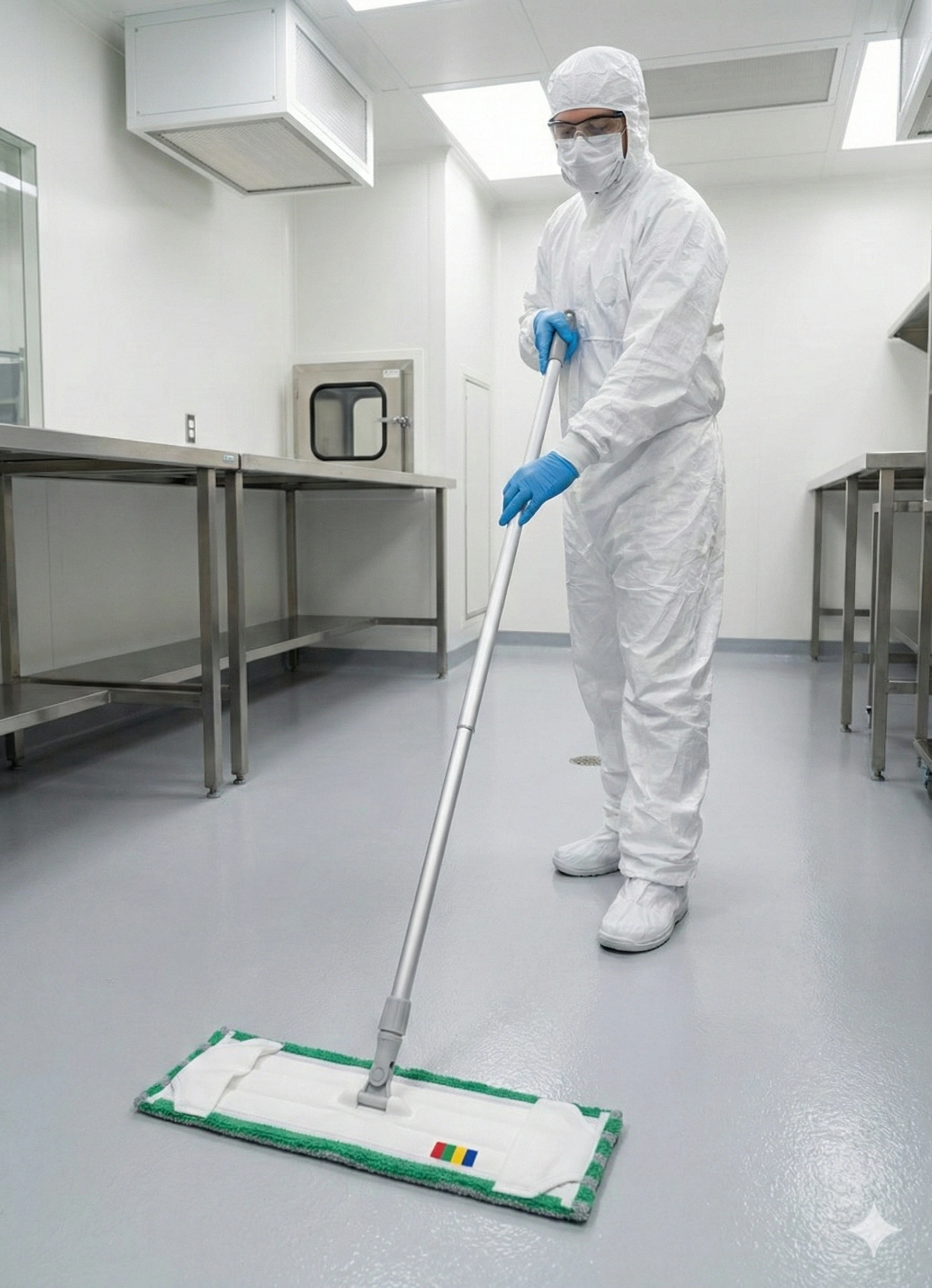
あ クリーンルームモップ は、管理された環境向けに特別に設計された設計された清掃ツールです。粒子の飛散が少ない素材を使用し、統合モップ システム (ヘッド、フレーム、ハンドル) の一部として構築され、バッチレベルの認証が得られる文書化された品質システムの下で製造されています。あ 通常のモップ—業務用清掃用モップでも工業用清掃モップでも—汚染管理のためではなく、一般的な洗浄効果を目的として構築されています。未知の粒子負荷、制御されていない材料が導入され、パフォーマンスに関する文書はありません。
5 つの主な違いの概要
- 1.素材: クリーンルーム モップは、繊維の破損を最小限に抑えるために連続フィラメント構造の加工ポリエステル ニットまたはマイクロファイバーを使用しています。通常のモップは通常、綿、合成繊維、またはスポンジを使用します。—粒子制御用に設計されていない材料。
- 2. 粒子制御: クリーンルームモップは、制御された条件下で粒子の発生と脱落についてテストされます。通常のモップは使用するたびに制御されていない粒子を放出し、ISO 14644 の分類制限と互換性がありません。
- 3. ドキュメント: クリーンルーム モップには、バッチレベルの分析証明書、材料証明書、および (滅菌製品の場合) 滅菌証明書が付属しています。通常のモップには性能に関する文書は付属していません。
- 4. システム統合: クリーンルームモップは統合システムの一部です—モップヘッド、フレーム、ハンドル、バケツは連動して機能するように設計されています。通常のモップはスタンドアロン製品であり、システム互換性はありません。
- 5. 製造環境: クリーンルームモップは、文書化された品質システムを備えた管理された製造条件の下で生産されます。通常のモップは、クリーンルームグレードの制御を備えていない標準的な産業施設で生産されています。
通常のモップとは何ですか? (および管理された環境における制限)
普通のモップ—商業用清掃用品カタログ、工業用清掃業者、または小売店で見られるタイプ—は 1 つの目的のために設計されています。 目に見える洗浄効果。目に見える汚れを除去し、液体を吸収し、標準的な床面の機械的なこすり洗いに耐えるように作られています。設計基準は耐久性、吸収性、コスト—粒子制御、材料トレーサビリティ、クリーンルームへの適合性ではありません。
代表的な構造
通常のモップは、通常、綿、混合合成繊維 (ポリエステルと綿の混合物など)、レーヨン、またはスポンジ素材で作られています。これらの繊維は通常、連続フィラメントではなくステープル (カット) 繊維であり、使用中に自然に短い繊維の破片が抜け落ちることを意味します。裏材、ステッチ糸、および付属のスクラブ ストリップは、低粒子性能ではなく耐久性を重視して選択されています。
クリーニング機構
吸収と機械的摩擦—モップが液体を吸収し、床に対する繊維の摩擦によって汚れが取り除かれます。このプロセス中に、モップ自体が繊維の破片、以前の使用時に埋め込まれた粒子 (再利用した場合)、および十分にすすがなかった場合は洗剤や以前の洗浄剤の残留物を放出します。
クリーンルームでの使用に関する主な制限事項
- 粒子のパフォーマンス データがありません: 粒子の発生、繊維の脱落率、または浮遊粒子の寄与に関するテスト結果はありません。
- 材料認証なし: 繊維の組成は不明で、材料の起源や加工に関する文書もありません。
- 無菌オプションなし: 通常のモップは、滅菌済み、検証済みのパッケージ構成では入手できません。
- 化学的適合性が不明: 繊維素材は劣化したり、クリーンルーム用消毒剤 (過酸化水素、第四級アンモニウム、過酢酸) と反応したりする可能性があります。
- システム互換性なし: 通常のモップヘッドは、制御された環境のワークフロー用に設計されたクリーンルーム固有のモップフレームやハンドルには適合しません。
これは通常のモップが粗末に作られているということではありません。—多くは、意図された用途に合わせて適切に構築されています。制限があるのは、 使用目的 浮遊粒子数が監視、文書化、規制される管理環境は含まれません。
クリーンルームモップとは何ですか? (そして何が違うのか)
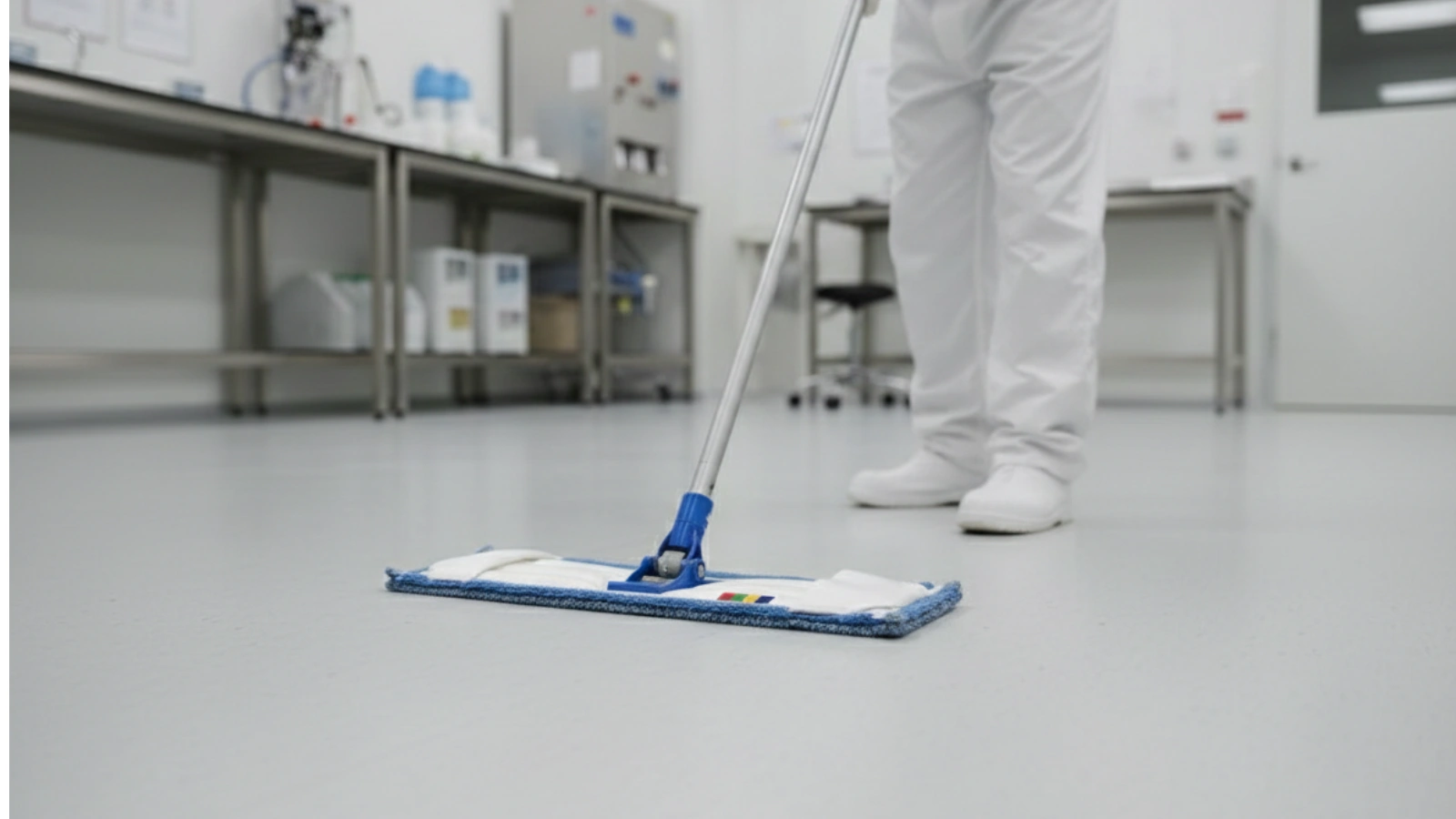
クリーンルーム モップは、機密環境における汚染管理をサポートするために、材料の選択から最終パッケージングまで設計されています。その設計のあらゆる側面は、管理された空間の清浄度を維持または改善するという明確な目的を果たします。
加工材料
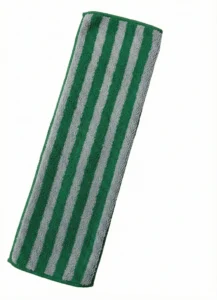
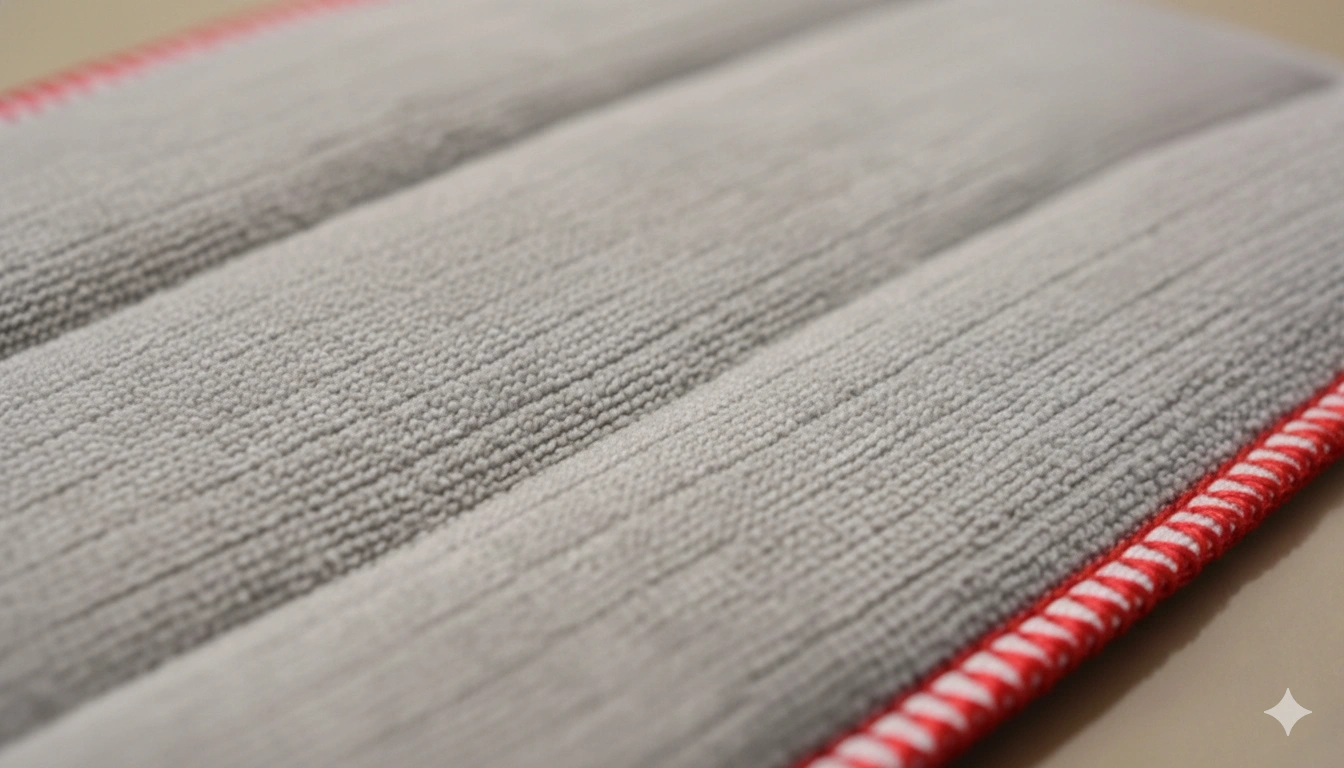
クリーンルームモップ使用 ポリエステルニット または マイクロファイバー 建設—通常は連続フィラメントのポリエステル—繊維の破損と粒子の発生を最小限に抑えます。繊維構造は特定の性能特性に合わせて選択されます。ポリエステルニットは耐久性と脱落の少なさを実現し、マイクロファイバーは吸収性と粒子捕捉効率を実現します。それぞれの材料の選択は仕様に合わせて追跡可能であり、必要に応じてバッチにも追跡可能です。
統合システム設計
クリーンルームモップは独立した製品ではありません。それはの一部です モップシステム: モップヘッドは互換性のあるフレーム (通常はステンレス鋼またはオートクレーブ可能なポリマー) に取り付けられ、ハンドル (伸縮式または固定長の場合が多い) に接続され、クリーンルームグレードのバケットおよび絞りシステムと接続できます。すべてのコンポーネントは、汚染が管理されたワークフローで連携して動作するように設計されています。—コンポーネントが単独で選択されることはありません。
文書化されたパフォーマンス
クリーンルーム モップのサプライヤーは、材料と構造の仕様を確認する分析証明書 (COA)、滅菌保証レベルと滅菌方法を記載した滅菌製品の滅菌証明書 (CoS)、適合証明書 (CoC) などのバッチレベルの文書を提供します。—関連する場合—低リント性能を実証する粒子テストデータ。この文書は、監査証跡の要件と規制検査の準備をサポートします。
滅菌構成も利用可能
無菌製造環境 (GMP グレード A/B、ISO 5) の場合、クリーンルーム モップは事前滅菌構成で入手できます。ガンマ線照射または EtO 滅菌済みで、クリーンルームへの無菌移送のための検証済みの完全性を備えた 1 つまたは 2 つの袋のパッケージに個別に密封されています。通常のモップには同等のものはありません。
管理された製造
クリーンルームモップは文書化された品質管理システムの下で製造されています。すべてのクリーンルーム モップ製造がクリーンルーム内で行われるわけではありませんが、製造プロセスには、通常のモップ製造には存在しない、材料の清浄度、微粒子管理、バッチ トレーサビリティの管理が含まれます。
主な違い—クリーンルームモップと通常のモップ
以下の表は、クリーンルーム用モップと通常の清掃用モップを最も明確に区別する 7 つの寸法を並べて示したものです。
| 寸法 | クリーンルームモップ | レギュラーモップ | なぜこれが重要なのか |
|---|---|---|---|
| 材料 | ポリエステルニットまたはマイクロファイバー、連続フィラメント構造。バッチまで追跡可能な材料仕様。 | 綿、合成繊維混紡、レーヨン、スポンジ。短繊維。材質の指定はありません。 | 連続フィラメントポリエステルにより、繊維の破損と粒子の脱落を最小限に抑えます—ISO 14644 準拠の直接の要件です。 |
| 粒子制御 | 粒子の発生が少ないように設計されています。粒子試験データはご要望に応じて入手可能です。 | 設計に粒子制御はありません。使用中に未知の粒子が放出される—使用イベントごとに数千のパーティクルが発生する可能性があります。 | 通常のモップから放出される粒子が制御されていないと、クリーンルームが ISO 分類の粒子数制限を超える可能性があります。 |
| 無菌オプション | 滅菌済み (ガンマまたは EtO) で、単一または二重バッグ構成で個別に包装されています。 CoS が提供されます。 | 無菌オプションはありません。検証済みの無菌保証付きの購入後に滅菌することはできません。 | GMP グレード A/B および EU GMP Annex 1 の無菌処理には、滅菌洗浄ツールが必要です。 |
| ドキュメンテーション | COA、CoS(滅菌)、CoC、粒子試験データ、材料認証。バッチレベルのトレーサビリティ。 | 基本的な製品ラベル以外の文書はありません。 | 規制監査中に、監査人は清掃ツールに関する文書を要求する場合があります。通常のモップでは何も表示されません。 |
| システム設計 | 統合システム: モップヘッド + フレーム + ハンドルは、クリーンルームのワークフローに合わせてセットとして設計されています。 | スタンドアロン製品。ヘッドがクリーンルームフレームやハンドルに適合しない場合があります。 | クリーンルームフレームで通常のモップヘッドを使用すると、制御不能なインターフェイスが作成されます—ヘッドがしっかりと取り付けられなかったり、使用中に外れたりする可能性があります。 |
| 高品質の製造 | 文書化されたQMSに基づいて製造されています。原材料から最終製品までのバッチトレーサビリティ。 | 標準的な工業生産。クリーンルーム関連の品質管理はありません。 | 製造の一貫性とトレーサビリティは、規制産業におけるサプライヤー認定の前提条件です。 |
| 規制への適合性 | GMP、ISO 14644、および Annex 1 の洗浄プロトコル要件をサポートします。 | 規制されたクリーンルーム用途向けに設計されていません。 | GMP 規制のクリーンルームで通常のモップを使用することは、監査人が指摘する不適合となります。 |
クリーンルームで通常のモップを単純に使用できない理由
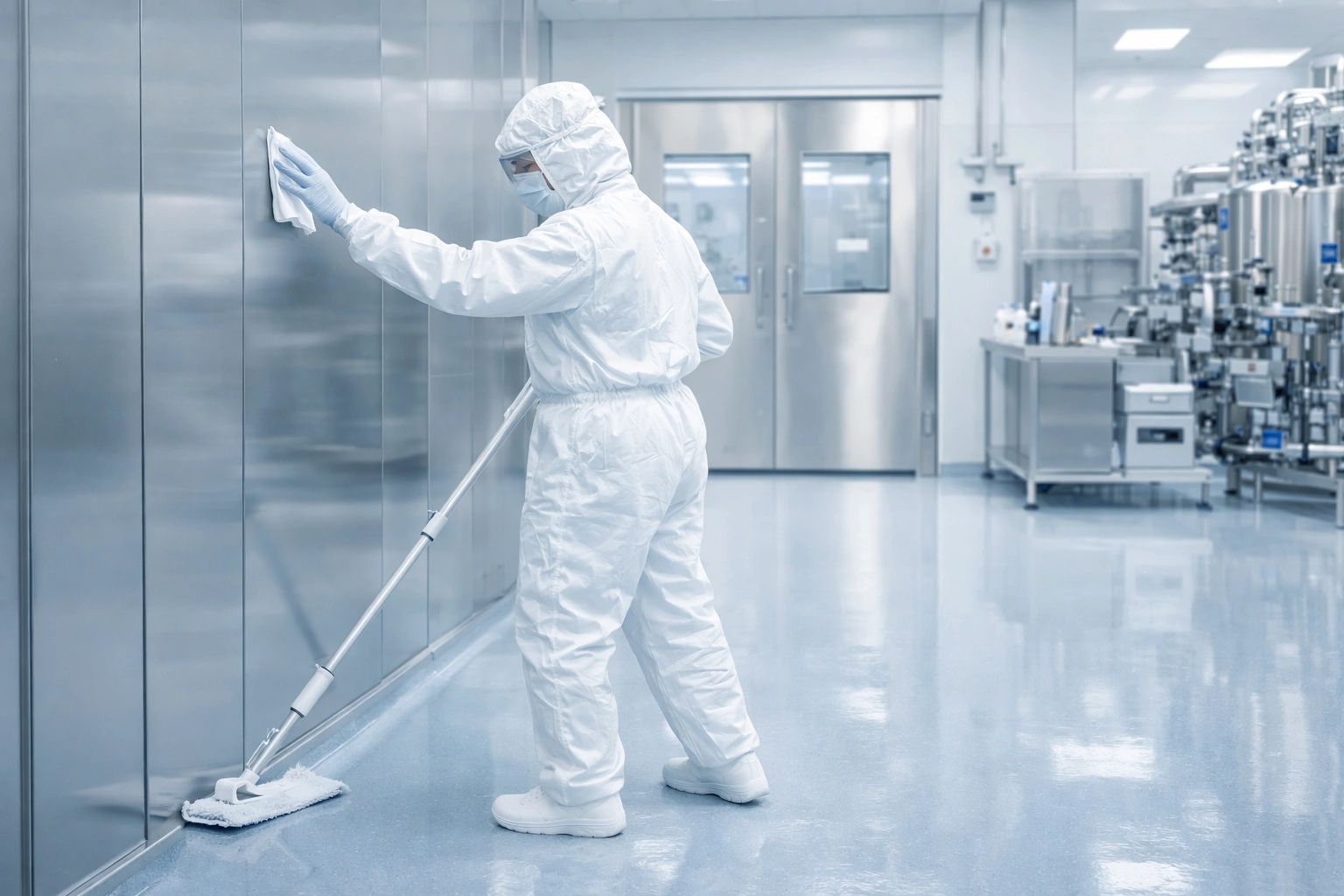
これは、調達チーム、新しい施設管理者、コスト検討委員会が尋ねる質問です。—そしてそれは直接の答えに値します。クリーンルームで通常のモップを使用することは単に「推奨されない」というわけではありません。それは特定の特定可能なコンプライアンスと汚染のリスクをもたらします。
1. ISO分類限界を超える粒子汚染
通常のモップを使用した清掃イベントごとに、制御されていない繊維の破片がクリーンルームの空気中に放出されます。これらの粒子—目に見える糸くずからサブミクロンの破片まで—ISO 14644-1 分類制限に対して施設が監視する浮遊微粒子数に寄与します。 1 回の定期的なモップ掛けイベントにより、粒子数が一時的に分類しきい値を超えて、環境モニタリングの異常事態が引き起こされる可能性があります。
2. 未知の材料組成と化学的適合性
モップの材質が正確に分からない場合、モップが洗浄および消毒用の化学薬品とどのように相互作用するかを予測することはできません。一部の合成材料は、過酸化水素蒸気、次亜塩素酸ナトリウム、または過酢酸にさらされると劣化します。—一般的にクリーンルームで使用される消毒剤。分解により、追加の粒子、化学残留物、またはその両方が放出される可能性があります。
3. 監査文書のギャップ
GMP 検査または ISO 監査中に、監査人は「管理区域ではどのような洗浄ツールが使用されていますか? 材料の証明書と粒子性能データを提供してください。」と尋ねる場合があります。通常のモップを使用している場合、提供する文書はありません—そして欠勤そのものが監査の結果となる。これは仮説ではありません。洗浄ツールは、GMP 監査と ISO 14644 監査の両方で汚染管理レビューの範囲内にあります。
4. 既存のクリーンルーム機器とのシステムの不一致
通常のモップヘッドは、クリーンルームのモップフレームに適合するように設計されていません。クリーンルームフレームで通常のモップヘッドを使用しようとしています—またはクリーンルーム内の通常のモップとハンドル—制御されていない洗浄界面が作成されます。モップヘッドが外れたり、材料が固まったり、洗浄結果が一貫性がなく文書化されていない可能性があります。
5. コンプライアンス違反によるコストが節約額を超える
通常のモップを使用することの魅力はコストの節約です。しかし、たった 1 つの環境モニタリングの逸脱、監査結果、または—最悪の場合—清掃用具に関連する汚染によって引き起こされるバッチの拒否は、施設の稼働期間全体にわたって、通常のモップとクリーンルームグレードのモップの価格差よりもはるかに高いコストがかかります。リスクと報酬の計算は非常に一方的です。
この質問に遭遇する可能性があるとき—実際のシナリオ
「なぜ普通のモップを使えばいいの?」という疑問。真空中では生じません。通常、次のいずれかの状況で表面化します。シナリオを認識すると、適切な対象者に適切な回答を提供することができます。
新しい施設管理者が清掃 SOP のないクリーンルームを継承
新しく採用された施設管理者がクリーンルームに入ると、清掃スタッフが一般調達で入手可能なモップを使用しているのを見つけました。クリーニングの SOP もツールの仕様も、使用されているクリーニング ツールの根拠も文書化されていません。マネージャーは、クリーンルームモップの実際の違いと、何を変更する必要があるかを理解する必要があります。—すぐに。
この人に必要なもの: 規制の背景に裏付けられたクリーンルームモップ要件の明確な定義と、実際的な移行計画。
調達ジェネラリストが文脈なしで「モップス」の注文書を受け取る
調達担当者は「クリーンルーム用にモップを 200 個購入してください」という内部要求を受けました。違いを理解せずに、彼らは施設の正規の清掃業者に業務用清掃モップを注文します。—休憩室の備品を提供しているのと同じサプライヤーです。モップが到着しますが、QA はモップを拒否します。
この人に必要なもの: 調達用語における「クリーンルームモップ」の意味のチェックリスト—材料要件、期待される文書、およびサプライヤーの認定基準。
クリーンルーム用モップを工業用モップに置き換えるコスト削減提案
コスト検討委員会は、クリーンルームモップの調達を「通常のモップよりも高価」な品目として特定し、コスト削減策として工業グレードの代替品に切り替えることを提案しています。 QA チームは、コストの差がなぜ正当化されるのかを説明する、擁護可能な証拠に基づいた反論を必要としています。
この人に必要なもの: 粒子制御、規制監査の準備、不遵守のコストと通常のモップへの切り替えによる節約をカバーするリスクベースの議論。
初めてクリーンルームを購入する人に違いを説明する販売代理店
クリーンルーム分野に初めて参入した代理店は、初めてクリーンルームを構築する顧客から問い合わせを受けました。お客様は「モップはすでに持っています。なぜクリーンルーム用に別のモップが必要なのでしょうか?」と尋ねます。ディストリビュータは、顧客を専門用語で圧倒することなく、違いを説明するためのシンプルで正確な言葉を必要とします。
この人に必要なもの: 技術要件をビジネスで利用可能な用語に翻訳する顧客向けの文言: 「クリーンルーム モップは、クリーンルームに粒子を追加しないように文書化され、テストされ、構築されています。」
クリーンルームモップのサプライヤーを選択する際に注意すべきこと
通常のモップが管理された環境に適していないことがわかったら、次の質問をします。 本物のクリーンルーム モップのサプライヤーと、単に標準製品に「クリーンルーム グレード」とラベルを付けているサプライヤーをどのように識別しますか?
次に進むべき方向: 定義から決定まで
クリーンルーム モップの違いを理解できたので、次のリソースは、カテゴリの理解から具体的な調達の決定に進むのに役立ちます。
- クリーンルームモップシステムの概要: クリーンルーム モップ システムのコンポーネント、材料オプション、および用途への適合性評価に関する完全なガイド。 クリーンルーム モップ システムの概要を読む
- クリーンルーム モップ システムの購入者評価フレームワーク: サプライヤー全体でクリーンルーム モップ システムを評価し、コンポーネントを比較し、認証を確認するための体系化されたガイド。 購入者の評価フレームワークを読む
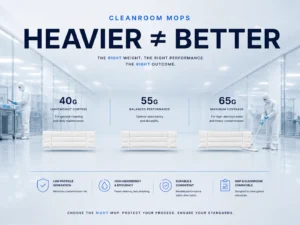
- クリーンルームモップヘッド重量ガイド (40g、55g、65g): 清掃エリア、吸収性の要件、オペレーターの取り扱いに基づいて、適切なモップヘッドの重量を選択する方法。 モップヘッドの重量ガイドを読む
- クリーンルームモップヘッドのタイプ: クリーンルーム モップのヘッドの材質、構造、色分けオプションの詳細な比較。 クリーンルームモップヘッドのタイプを調べる
- クリーンルームモップシステムの選び方: 施設のグレード、洗浄ゾーン、材料の選択、サプライヤーの評価をカバーする実用的な選択フレームワーク。 選択ガイドを読む
- クリーンルームモップの使い捨て vs 再利用可能 — 完全な購入者決定フレームワーク: クリーンルーム モップが何であるかを理解したら、次の戦略的な問題はどの運用モデルであるかです。—使い捨てまたは再利用可能—あなたの施設にぴったりです。 使い捨てか再利用かの決定ガイドを読む
よくある質問
クリーンルームモップと通常のモップの違いは何ですか?
クリーンルーム モップは、粒子の放出が少ない設計素材 (連続フィラメント構造のポリエステル ニットまたはマイクロファイバー) を使用し、バッチレベルの文書 (COA、素材認証) とともに提供され、統合モップ システム (ヘッド + フレーム + ハンドル) の一部であり、滅菌済みの構成で入手できる場合もあります。通常のモップは、管理されていない材料を使用し、性能に関する文書化されていないため、目に見える清掃効果を得るために作られています。—制御された環境向けに設計、テスト、または適しているわけではありません。
クリーンルームで通常のモップを使用できないのはなぜですか?
通常のモップでは、制御されていない粒子の放出が発生し、クリーンルームが ISO 14644 分類の粒子数制限を超える可能性があります。また、材料認証がなく(監査文書のギャップ)、クリーンルームの消毒剤と化学的に適合しない可能性があり、クリーンルームのモップフレームに適合せず、無菌製造ゾーンに無菌オプションが提供されていません。通常のモップによるコスト削減は、それによって生じるコンプライアンスのリスクを考えると小さく見えます。
クリーンルームモップの材質は何ですか?
クリーンルーム モップは通常、ポリエステル ニット (粒子の脱落が少なく耐久性がある連続フィラメント構造) またはマイクロファイバー (高い吸収性と粒子捕捉のための分割繊維構造) で作られています。一部の特殊なクリーンルーム モップでは、特定の液体処理用途にポリビニル アルコール (PVA) スポンジが使用されています。重要な違いは、材料名ではなく、その材料が制御された環境での使用を目的として設計、指定、およびテストされていることです。
クリーンルーム用モップは通常のモップより高価ですか?
ユニットごとに、はい—クリーンルームモップは、人工材料を使用し、文書化された品質システムの下で製造され、バッチレベルの認証を取得しているため、より高価です。ただし、2 つの製品は根本的に異なる目的を果たすため、この比較には意味がありません。関連する比較は、準拠した洗浄のコストと、潜在的な汚染関連の逸脱、監査所見、またはバッチの拒否のコストです。
既存のモップフレームとハンドルをクリーンルームモップヘッドで使用できますか?
ほとんどの場合、いいえ。クリーンルーム モップ ヘッドは、特定のクリーンルーム モップ フレーム (通常は、特定のポケットまたはクランプ取り付け機構を備えたステンレス鋼ワイヤー フレームまたはオートクレーブ可能なポリマー フレーム) に取り付けられるように設計されています。通常のモップフレームは安全な接続を提供しない可能性があり、フレームの素材自体がクリーンルームに適合しない場合があります。モップヘッド、フレーム、ハンドルを同じサプライヤーから適合するシステムとして購入することをお勧めします。
モップが本当にクリーンルームでの使用に適しているかどうかを確認するにはどうすればよいですか?
3 つの指標: (1) サプライヤーはバッチレベルの文書を提供します。—COA、材料認証、および粒子試験データ—リクエストに応じてだけでなく、標準として。 (2) モップは、互換性のあるフレーム、ハンドル、バケットのコンポーネントを備えた統合システムの一部です。 (3) サプライヤーは、材料仕様、粒子性能、特定のクリーンルーム分類および洗浄プロトコルへの適合性に関する技術的な質問に答えることができます。サプライヤーがこれら 3 つを提供できない場合、その製品は証拠のない「クリーンルーム用」とラベル付けされた一般的な洗浄製品である可能性があります。
クリーンルームモップには滅菌オプションと非滅菌オプションがありますか?
はい。クリーンルーム モップは、滅菌構成 (ガンマ線照射またはエチレンオキシドで事前滅菌済み、滅菌証明書付きで個別包装) と非滅菌構成の両方でご利用いただけます。滅菌モップは、GMP グレード A/B (ISO 5) の無菌製造ゾーンで使用されます。非滅菌モップはグレード C/D (ISO 7) で使用されます。–8) サポートエリアおよび非無菌製造環境。同じモップ モデルを滅菌バージョンと非滅菌バージョンの両方で利用できるため、異なる施設ゾーンにわたって一貫した洗浄プロトコルが可能になります。
あなたの施設に最適なクリーンルーム モップ システムを選択する準備はできていますか?
MIDPOSI は完全なクリーンルーム モップ システムを提供します—モップヘッド、フレーム、ハンドル、バケット/絞り器ソリューション—完全なドキュメントサポートを備えた管理された環境向けに設計されています。通常の清掃ツールからクリーンルームグレードの機器に移行する場合、当社のチームは施設の分類と清掃プロトコルに適したシステム構成を特定するお手伝いをします。
すべての MIDPOSI クリーンルーム モップ システムには、バッチレベルの COA ドキュメントが含まれています。滅菌製品には滅菌証明書が含まれます。施設固有のシステム構築に関する技術相談も可能です。