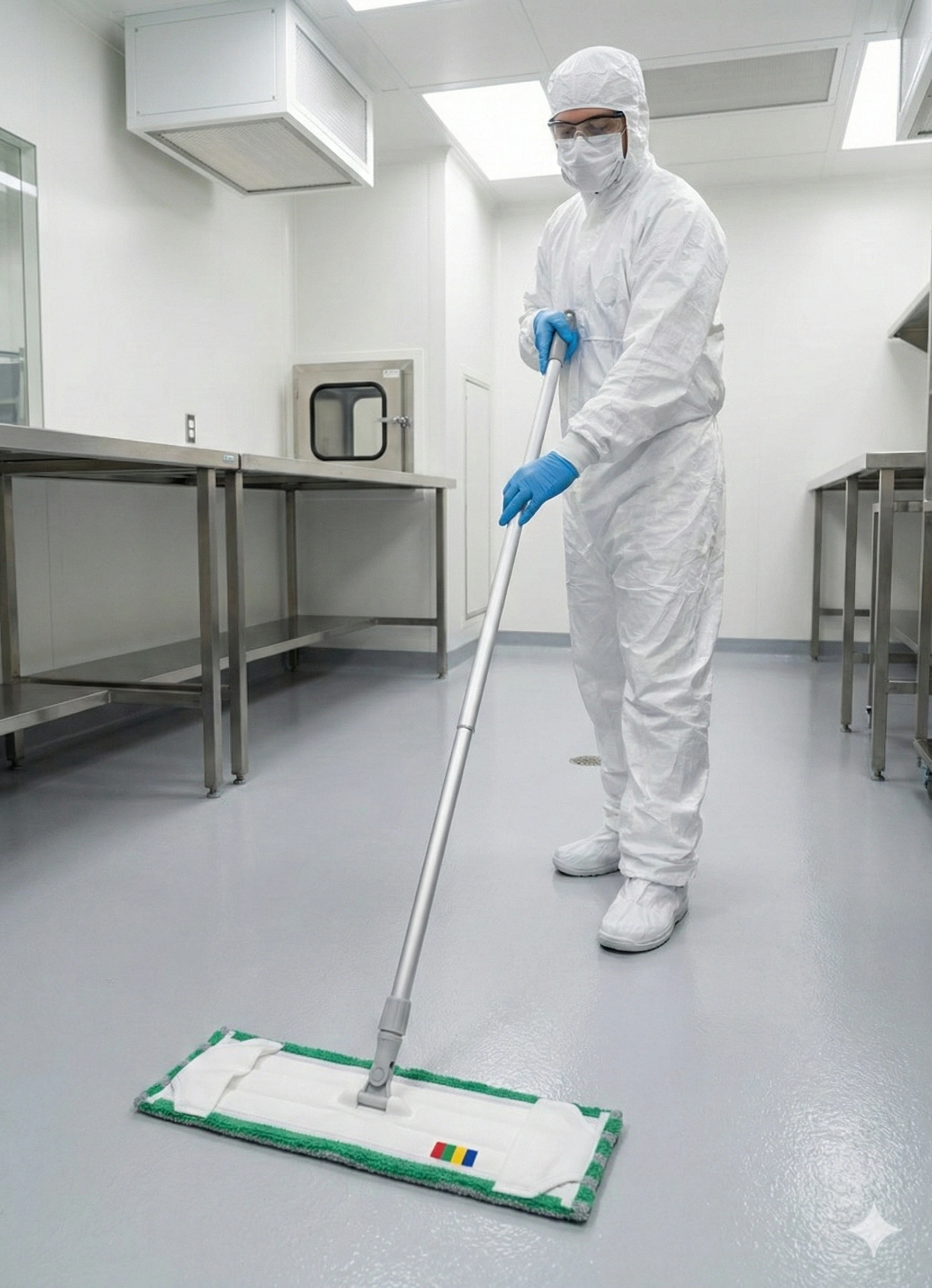
単一シフトの施設では、クリーンルーム モップ ヘッドの重量を選択する際は、主にモップの重量を清掃エリアのサイズおよびクリーンルームのグレードに適合させることが重要です。 1 日あたり 2 つまたは 3 つのシフトを実行する複数のシフト操作では、同じ決定に追加のレイヤーが含まれます。つまり、オペレーターの疲労、ヘッドの交換頻度、および全体的な清掃の一貫性に対する、連続するシフト間で繰り返されるモップ掛けの累積的な影響です。
GMP 生産フロア全体をカバーする日勤スタッフにとって適切な重量は、より少ない人員とより厳しいスケジュールで稼働するスケルトンの夜勤スタッフに不必要な負担をもたらす可能性があります。このガイドでは、選択するための構造化されたアプローチを提供します。 クリーンルーム モップ ヘッドの重量は 40g、55g、65g で複数シフト作業に対応、シフト パターン、人員配置レベル、補償要件、人間工学的リスクに基づいて決定されます。
次の表は、GMP 医薬品、医療機器、バイオテクノロジーのクリーンルーム施設における 3 つの最も一般的なシフト シナリオの即時ガイダンスを示しています。
| シフトパターン | 推奨モップヘッド重量 | 理論的根拠 |
|---|---|---|
| 日勤 (ピーク時のスタッフ配置、全エリアをカバー) |
55g – 65g | モップヘッドの交換ごとの最大適用範囲。スタッフをフル配置することは、疲労のリスクがより多くのオペレーターに分散されることを意味します。より高い吸収性により、床全体の消毒プロトコルをサポートします。 |
| 夜勤 (人員削減、ゾーンベースの対応) |
40g – 55g | ヘッド重量が軽いため、少人数の乗組員の累積疲労が軽減されます。ゾーンに重点を置いた洗浄では、オペレーターごとの対応範囲が狭くなるため、シフトごとに必要なヘッドの交換が少なくなります。 |
| ウィークエンド / スケルトンクルー (最小限の人員配置、クリティカルゾーンのみ) |
40g | 1 人または 2 人のオペレーターが施設をリリーフなしでカバーする場合、オペレーターの負担は最も低くなります。洗浄範囲が限られているため、適用範囲が 40g 未満であっても許容されます。 |
これらは出発点となる推奨事項です。特定の施設に最適な重量は、クリーンルームのグレード、シフトごとの床面積、オペレーターの交替スケジュール、および既存の SOP 制約も考慮する必要があります。
単一シフトの施設では、オペレーターは 1 つのシフトでモップ掛けをし、次のモップ掛けセッションまでに約 16 時間の猶予があります。 3 交代勤務では、同じ清掃ゾーンが 24 時間ごとに 3 回カバーされます。清掃ツールにかかる毎日の人間工学的負荷の合計—そしてそれを使用するオペレーターについて—シフト数が乗算されます。
1 回の 8 時間シフトで働くオペレーターにとって快適な 65g のモップ ヘッドは、たとえ各シフトごとに異なるオペレーターが対応したとしても、連続 3 時間の 8 時間シフトにわたって使用すると、測定可能な疲労に寄与する可能性があります。清掃プログラムでは、毎日同じ筋肉群、同じ道具、同じ消耗品に負担が蓄積されます。
これが、専用のマルチシフト重み選択ロジックが、シングルシフトで説明されている汎用ロジックとは異なる理由です。
クリーンルームモップヘッド重量選択ガイド.
The focus shifts from “what weight covers this area?” 「この洗浄プログラムは、毎日 16 時間または 24 時間の操作でどのくらいの重量に耐えることができますか?」”
モップヘッドが重いほど、交換ごとにより多くの平方メートルをカバーできますが、複数シフト環境では、8 時間のシフトのうち 6 時間目までにオペレーターが肉体的に疲労することを意味する場合、その利点はあまり意味がありません。以下の表は、実際的な影響を比較しています。
| 重量の考慮事項 | シングルシフトビュー | マルチシフトビュー |
|---|---|---|
| ヘッドごとのカバレッジの変更 | 高いほど良い | 高いほど効果はありますが、オペレーターのシフト間の耐久性を犠牲にしてはいけません。 |
| ヘッド交換の頻度 | 効率を高めるために変更を最小限に抑える | より頻繁かつ軽い変更により、シフト間の一貫性が向上する可能性があります |
| オペレータの疲労 | 1シフト内で管理 | すべてのシフトにわたって蓄積されます。重複するゾーンまたは共有ツールが存在する場合、シフト A の疲労がシフト B に影響する可能性があります |
| 在庫消費 | シフトごとに計算 | 24 時間サイクルごとに計算されます。 1 日あたりの消費量が 3 倍になると調達量が変化します |
| 人間工学に基づいたプログラムフィット | 1 つのシフトに 1 つのウェイト | 異なるシフトタイプに対して 2 つの異なる重みを設定できる可能性があります |
マルチシフトビューは、重量の選択とより広範なクリーンルームモップシステム構成の両方を知らせる必要があります。システムレベルの評価に関する詳細なフレームワークについては、
クリーンルームモップシステムの購入者評価フレームワーク.
24 時間年中無休の GMP 施設の日勤は通常、最大規模の清掃スタッフ、最も広範囲の清掃ゾーンを擁し、完全な清掃プロトコルに最も多くの時間が割り当てられます。このような状況では、通常は 55g または 65g のモップヘッドが適切な選択です。
GMP施設の夜勤は、オペレーターの数が少なく、清掃範囲も狭いことが多いです。—通常、施設全体をカバーするのではなく、特定のゾーンに焦点を当てます。オペレーター 1 人あたりの清掃面積が小さいため、65g ヘッドの適用範囲の利点はあまり重要ではなく、軽量モップによる疲労軽減の利点がより重要になります。
スケルトンのスタッフによる週末勤務は、人間工学上のリスクが最も高くなります。クリティカルゾーンを担当するオペレーターが 1 人または 2 人だけであるため、シフト内でタスクをローテーションする機会はありません。 40g のモップヘッドにより、オペレーター 1 人当たりの身体的負荷がホワイト モップ シリーズの中で最も低いレベルに軽減されます。
GMP グレードの考慮事項: 上記の推奨事項は、すべてのシフトにわたってクリーンルームのグレードが一貫していることを前提としています。実際には、施設ではグレード A/B ゾーンは日勤のみ清掃し、グレード C/D ゾーンは夜勤中に清掃する場合があります。このような場合、重みの決定は、「」で説明されているグレード固有のロジックに従う必要があります。
GMPクリーンルームモップグレード選択ガイド.
クリーンルームのモップ掛けにおけるオペレーターの疲労は単に快適さの問題ではありません—それは清掃の品質、コンプライアンスの一貫性、およびスタッフの離職率に直接影響します。複数シフトのモップ重量評価では、次の要素に注目する必要があります。
40g と 65g のモップヘッド (乾燥重量) の差は小さいように見えますが、濡れていて動いているときは効果が大きくなります。完全に飽和したモップヘッドの重量は乾燥重量の数倍になる可能性があり、濡れたモップをクリーンルームの床に押し込むのに必要な力は、シフトごとに数百回のストローク以上蓄積されます。以下の表は、人間工学上の相対的な影響を示しています。
| 要素 | 40g モップヘッド | 55g モップヘッド | 65g モップヘッド |
|---|---|---|---|
| 乾燥重量 | 最軽量 | ミッドレンジ | 最も重い |
| 湿重量(完全飽和時、約) | ~280–320g | ~380–440g | ~450–520g |
| 1ストローク当たりの押付け力 | 最低 | 適度 | 最高 |
| 4時間連続のモップ掛け後の疲労リスク | 低い | 適度 | 中程度から高程度(シフトに応じて) |
| 8時間連続のモップ掛け後の疲労リスク | 適度 | 中程度から高程度 | 高い |
| オペレータごとのシフトごとの推奨最大連続使用量 | タスクローテーションによるフルシフトまで | 6–タスクローテーションで8時間 | 4–6時間。タスクローテーションを強くお勧めします |
湿潤重量の値は概算であり、モップの素材、消毒液の種類、塗布方法によって異なります。施設は、特定の洗浄プロトコルに基づいて湿重量挙動を検証する必要があります。
一般的な調達の前提は、モップヘッドが重い = 掃除が速い = 生産性が高いということです。複数シフトの状況では、これはオペレーターの疲労により清掃速度と一貫性が低下する点までにのみ当てはまります。 65g のモップヘッドを使用するオペレータは、シフトの最初の 3 時間は 1 時間当たりより広いエリアを清掃できますが、疲労により 5 時間目から 8 時間目までに速度が 20% 低下する場合、シフトごとの正味の範囲は、—またはそれよりも悪い—55g のヘッドをシフト全体にわたって安定したペースで使用します。
重量の選択を評価する施設は、単一重量の仕様に従う前に、異なるモップ重量を使用してシフト全体にわたって時間動作の観察を実行することを検討する必要があります。仕様書上では最適に見えるものでも、毎日の複数シフト運転の累積負荷の下では維持できない場合があります。

多交替勤務では、次の決定が行われます。 いつ モップヘッドを交換することは同じくらい重要です どのくらいの重さ 使用します。この戦略では、洗浄の品質とシフト間の汚染リスクの両方を考慮する必要があります。
| 戦略 | いつ申請するか | 主な考慮事項 |
|---|---|---|
| シフトが始まるたびに新鮮な頭で | 基本的な実践としてのすべての多シフト施設 | シフト A の汚染がシフト B に持ち込まれるリスクを排除します。各シフトは、検証済みのきれいなモップヘッドから始まります。 |
| シフト内でのゾーンごとのヘッドの変更 | 厳格なゾーン分離が行われている施設(グレードAからグレードB、または製品接触ゾーンから非接触ゾーン) | 相互汚染防止ロジックに従います。より重いヘッド (65g) は、変更が必要になる前により多くのゾーンをカバーできる可能性がありますが、ゾーン グレーディング ルールはカバレッジの利便性を無効にする必要があります。 |
| 飽和ベースの変更 | 広いエリアをカバーするシナリオで 40g ヘッドを使用する場合 | ヘッドが軽いと飽和が早くなります。オペレーターは、飽和インジケーター (ストリーキング、溶液放出の減少) を認識し、固定タイマーではなく、積極的にヘッドを交換するように訓練されている必要があります。 |
| シフトごとの事前段階的なヘッド在庫 | すべての多シフト施設 | 以下に基づいてシフトごとに必要なヘッドを計算します: (総清掃面積 (m 単位)² / 1 人当たりの推定カバー率) × 1.2 (安全マージン)。各シフトが始まる前に前段階の在庫を確認します。 |
すべてのシフトで 55g のヘッドを使用する 3 シフトの施設では、同じ床面積の 1 シフトの施設の 1 日あたりのヘッド在庫の約 3 倍を消費します。複数のシフトでの作業を計画している調達チームは、シフトごとのレベルではなく、24 時間レベルでヘッドの消費量を計算し、予期しない清掃イベントに対応するために、計算された消費量を少なくとも 20% 上回るバッファーを構築する必要があります。
施設が混合重量戦略 (例: 日勤で 65g、夜勤で 40g) を使用している場合、各頭が軽くても、頭の在庫モデルは体重クラスごとに個別に計算する必要があります。これは、頭が軽いほど頻繁な交換が必要になる可能性があるためです。
施設では、調達時に最初に日勤用にモップ重量が指定されていたため、すべてのシフトにわたって単一のモップ重量がデフォルトで設定されることがよくあります。 10 人のオペレーターの日中の乗組員にとっては理にかなっている 65g のヘッドは、2 人のオペレーターの夜の乗組員にとっては不合理かもしれません。各シフトの人員配置レベル、清掃範囲、オペレーターの交替パターンに応じて、その重みの選択を個別に通知する必要があります。
通常、モップヘッドが重いほどユニットあたりのコストが高くなりますが、コストの比較ではすべてのシフトにわたる総消費量を考慮する必要があります。 1 日あたりの使用回数が 30% 少ない 65 g ヘッドは、より頻繁に交換される 40 g ヘッドよりも 1 日の総コストが低くなる可能性があります。ただし、40g のヘッドにより、オペレーターの負傷報告が年に 1 件発生するのを防ぐことができれば、安全上の利点により、消耗品のコストが高くつくことは正当化される可能性があります。
24 時間年中無休の施設では、夜勤や週末の勤務が倉庫や調達スタッフを常駐させずに行われることがよくあります。各シフトの前にヘッド在庫が事前に設定されていない場合、オペレータは必要よりも少ないヘッドを使用するか、在庫を見つけるためにクリーニングを中断するかの選択を迫られます。どちらのシナリオでもコンプライアンスのリスクが生じます。
重量の仕様は、多くの場合、モップを毎日使用するオペレーターから直接入力することなく、調達または QA によって作成されます。比較スプレッドシート上で最適に見える重みは、連続シフトで勤務するオペレーターから一貫した苦情を引き起こす可能性があります。少なくとも四半期ごとに各シフト チームから構造化されたフィードバックを求めることは、mop プログラムのレビュー サイクルの一部である必要があります。
よくある調達ミスは、洗浄液で飽和したときの挙動ではなく、乾燥重量に基づいてモップヘッドが何平方メートルカバーできるかを見積もることです。実際には、ヘッドが軽いほど早く飽和状態に達するため、乾燥重量の計算よりも頻繁に交換する必要がある場合があります。施設は、生産で使用される実際の洗浄液と適用技術に基づいて適用範囲の推定値を検証する必要があります。
モップヘッドの重量は、複数シフトの清掃プログラムの 1 つの要素です。マルチシフト モップ仕様を構築または更新する場合は、次の関連トピックを確認する価値があります。
3 つのシフトすべての人員配置、清掃範囲、およびクリーンルームのグレードが同様である場合は、単一の重量仕様が合理的である可能性があります。ただし、同様の条件下であっても、連続日にわたるオペレータの累積疲労を監視する必要があります。施設は、少なくとも四半期ごとにオペレーターのフィードバックと疲労レポートを確認し、シフトで一貫した負担が報告されている場合は重量仕様を調整する必要があります。
重量クラスごとに個別に計算します: (シフトごとの総清掃面積 (m 単位)²) / (その体重における頭当たりの推定カバー率) × 1.2 安全マージン。各シフトの結果を合計します。安全マージンは、予期せぬ流出、ゾーンの再洗浄、およびオペレーターのばらつきを考慮しています。在庫へのアクセスが減少する夜間および週末のシフトの場合は、安全マージンを 1.3 に増やします。–1.5.
クリーンルームグレードは主に、ヘッドの重量ではなく、モップの材質、滅菌性、および梱包要件を決定します。ただし、グレードは間接的に重量に影響します。通常、グレード A/B ゾーンでは、より制御された意図的なモップ動作が必要となるため、ヘッドは軽量になります。より広いエリアとより速いペースでの清掃を必要とするグレード C/D ゾーンでは、重いヘッドの利点が得られる場合があります。グレードはシフトパターンと並行して評価されるべきです—体重の唯一の決定要因としては扱われません。
少なくとも、シフトごとにゾーンごとに 1 人のフレッシュ ヘッド。施設に 4 つの清掃ゾーンと 3 つのシフトがある場合、24 時間サイクルあたり少なくとも 12 人のヘッドがいることを意味します。実際には、エリアのサイズとヘッドの重量に応じて、多くのゾーンではシフトごとに複数のヘッドが必要になります。 40gのヘッドで200mをカバー² グレード C ゾーンには 2 が必要な場合があります–同じゾーンの 65g ヘッドでは 3 回の変更が必要な場合がありますが、変更は 1 回のみです。–2.
はい、これは一般的で有効な慣行です。日勤では、大規模なグレード C/D 廊下には 65g ヘッドを使用し、小規模なグレード B 準備エリアには 55g または 40g ヘッドを使用できます。ゾーンベースの重量差別化により、施設は 1 回のシフト内で適用範囲と人間工学的制御の両方を最適化できます。重要なのは、ゾーンの指定です。—割り当てられた重みを含む—各ゾーンのオペレーターがどの重量を使用するかを知ることができるように、洗浄 SOP に明確に文書化する必要があります。
マイクロファイバーモップヘッドは通常、同じ乾燥重量のポリエステルヘッドよりも多くの液体を吸収して保持します。つまり、湿重量が高くなる可能性があります。これにより、40g と 65g のマイクロファイバーヘッドの人間工学的な違いは、ポリエステルの同じ重量の違いよりも大きくなる可能性があります。オペレータの疲労が主な懸念事項である場合は、重量範囲の下限 (40g) のポリエステル ヘッドを使用すると、連続したシフト全体での累積歪みが最も少なくなる可能性があります。
潜在的にはそうです。異なるシフトで異なるモップ重量が使用される場合、洗浄動作 (圧力、ストローク パターン、液体放出) がシフト間で異なる場合があります。検証プロトコルでは、ゾーンごとおよびシフトごとに許容可能な重量範囲を指定し、生産で使用される各重量条件下で洗浄性能検証を実施することによって、これを考慮する必要があります。複数の分銅が運用上使用されている場合は、1 つの分銅クラスのみを使用して複数シフトの洗浄検証を実行しないでください。
MIDPOSI は、重さ 40g、55g、65g のホワイト クリーンルーム モップ シリーズを滅菌構成と非滅菌構成の両方で提供しています。これらのモップ ヘッドは、GMP 管理された洗浄ワークフロー向けに設計されており、複数シフト プログラムの要件に合わせて重量クラスと滅菌タイプによって指定できます。重量別の製品の詳細と注文情報については、以下のリンクのホワイト モップ シリーズを参照するか、プログラム レベルのディスカッションについて MIDPOSI にお問い合わせください。
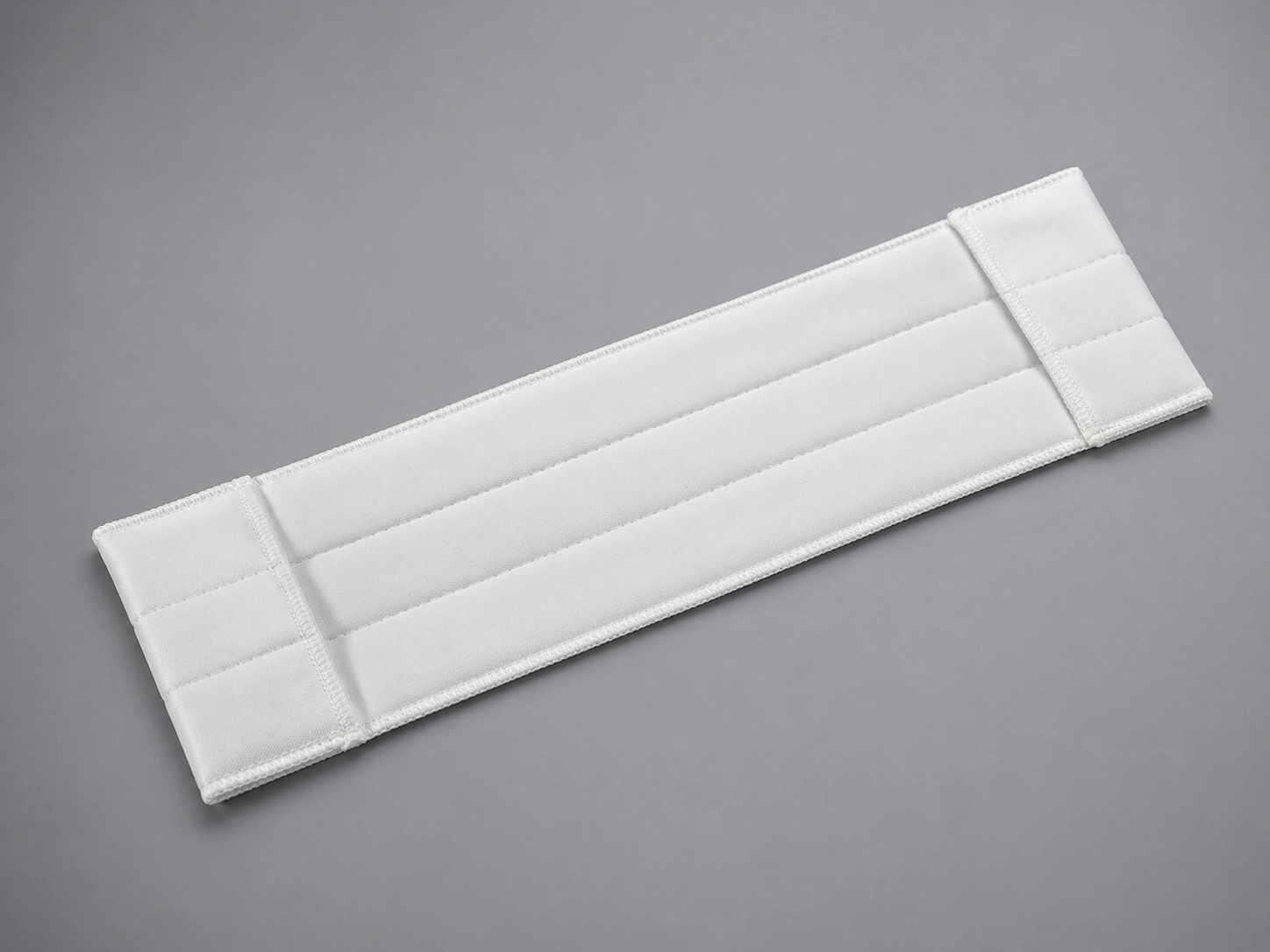
日中、夜間、週末のシフト全体で適切な重量を選択するには、シフトごとの適用範囲と長期的なオペレーターの安全性および洗浄の一貫性のバランスをとる必要があります。 MIDPOSI は、構造化された複数シフト プログラムをサポートするために、重量 40g、55g、および 65g のホワイト クリーンルーム モップ シリーズを提供しています。シリーズ全体をご覧いただくか、施設のシフトごとの重量仕様についてご相談ください。
クリーンルーム モップ ヘッドは 40g、55g、65g からお選びいただけます — 無菌および非無菌構成 — GMP 管理環境における構造化された複数シフトの清掃プログラム向け。
Mop weight selection should consider the cleaning surface area, disinfectant application rate, operator handling, and cleanroom grade. Lighter mop heads (e.g., 40g) may be evaluated for wall and ceiling cleaning, while heavier options (55g and 65g) may provide more absorbency for floor cleaning. Testing under actual facility conditions is recommended.
The weight class affects absorbency, coverage per mopping pass, and operator ergonomics. A 40g mop head is lighter and may be suitable for vertical surfaces or areas requiring frequent solution change. A 65g mop head offers higher absorbency for larger floor areas. The selection should be based on the facility’s cleaning protocol.
Not necessarily. Heavier mop heads hold more solution but may increase operator fatigue over multiple shifts. Cleaning effectiveness depends on mop material, disinfectant compatibility, surface contact, and protocol consistency — not weight alone. Facilities should evaluate performance rather than assuming heavier is better.
Many facilities use different mop weights for different cleaning tasks — lighter for walls and ceilings, heavier for floors. Dedicated mop systems per zone can also help reduce cross-contamination risk. The final setup should follow the facility’s SOP and risk assessment.
MIDPOSI cleanroom mop covers are available in multiple weight classes for evaluation. Providing your cleanroom grade, application area, and preferred material helps MIDPOSI recommend suitable options for your facility’s review.