クリーンルームの衛生管理に不可欠な技術
Cleanroom hygiene is a controlled system of personnel behavior, gowning discipline, cleaning SOPs, low-lint mop selection, disinfectant application, environmental monitoring, and documentation. In GMP and ISO-controlled facilities, hygiene must be repeatable, traceable, and audit-ready.
簡単な回答
The essential techniques for cleanroom hygiene include trained personnel movement, correct gowning, controlled material transfer, validated cleaning SOPs, low-lint cleanroom mops, sterile or non-sterile tool selection by risk level, environmental monitoring, and complete cleaning documentation.
1. 清掃を開始する前に従業員の衛生管理を行う
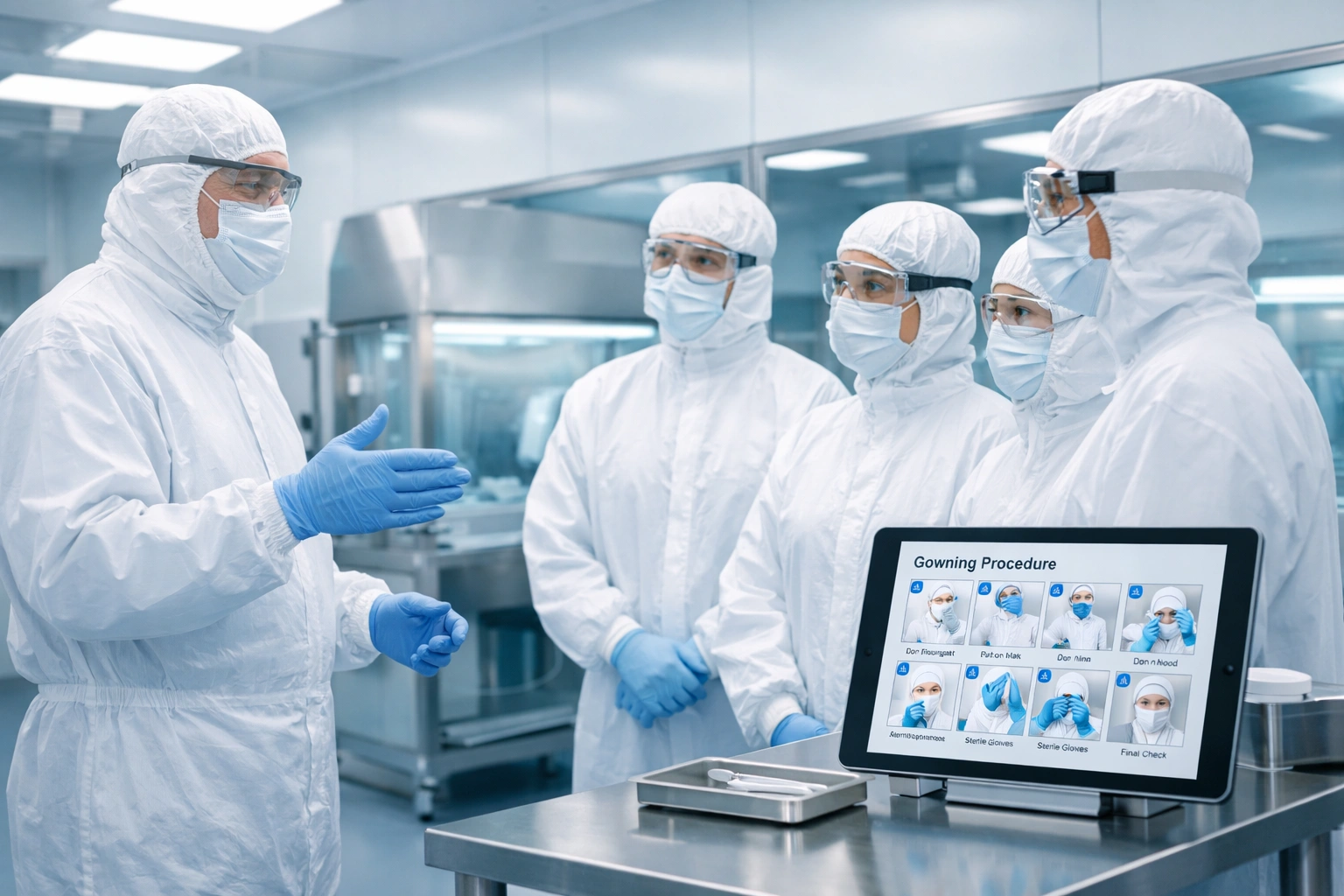
People are one of the most important contamination sources in cleanrooms. Even when air filtration, room pressure, and surface cleaning are well controlled, poor operator behavior can introduce particles, microorganisms, fibers, skin flakes, and residue into the controlled area.
Cleanroom hygiene therefore starts before a mop, wipe, disinfectant, or garment is used. The facility must define how personnel enter, move, touch surfaces, handle tools, change gloves, and respond to contamination events.
動き
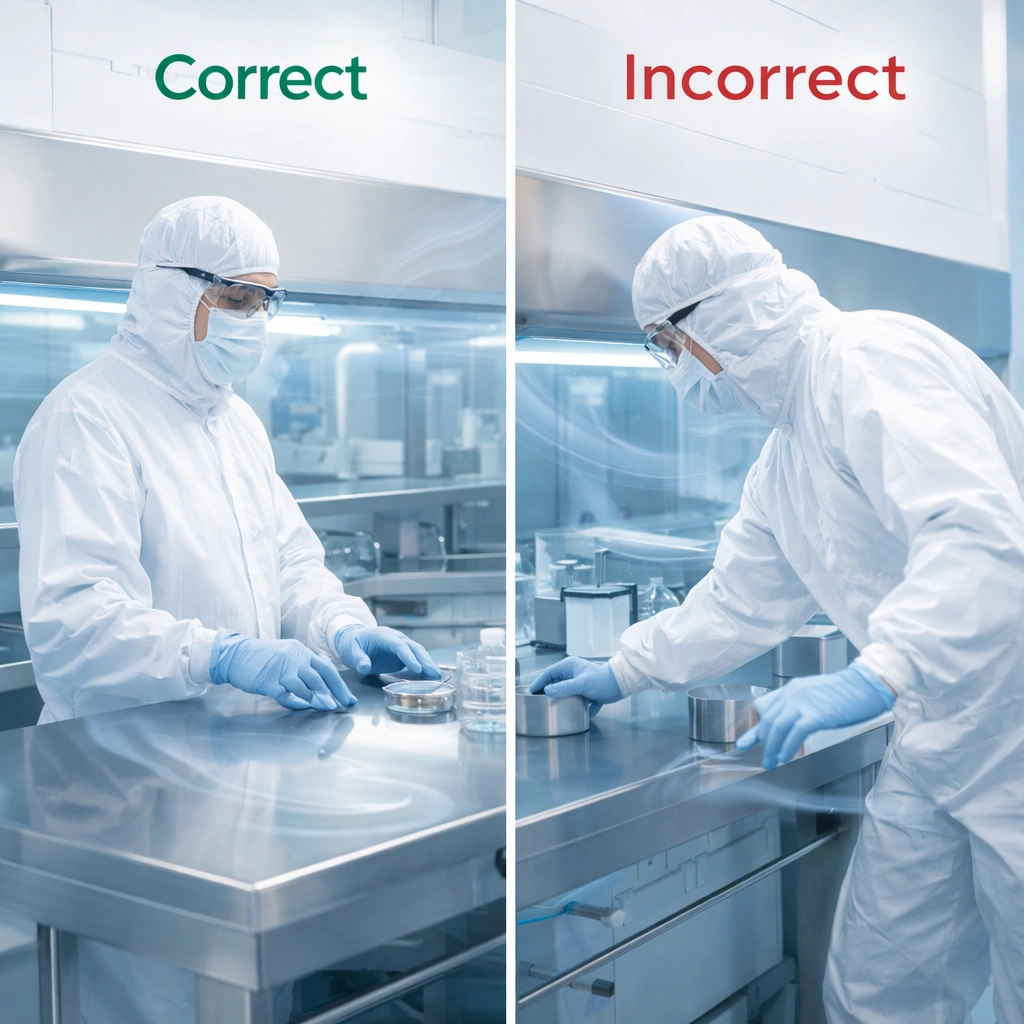
Operators should move slowly and deliberately. Fast movement can disturb airflow patterns, increase particle release, and make controlled cleaning less effective.
タッチコントロール
Unnecessary contact with walls, equipment, packaging, and garments should be avoided. Glove contact should follow facility SOPs.
トレーニング
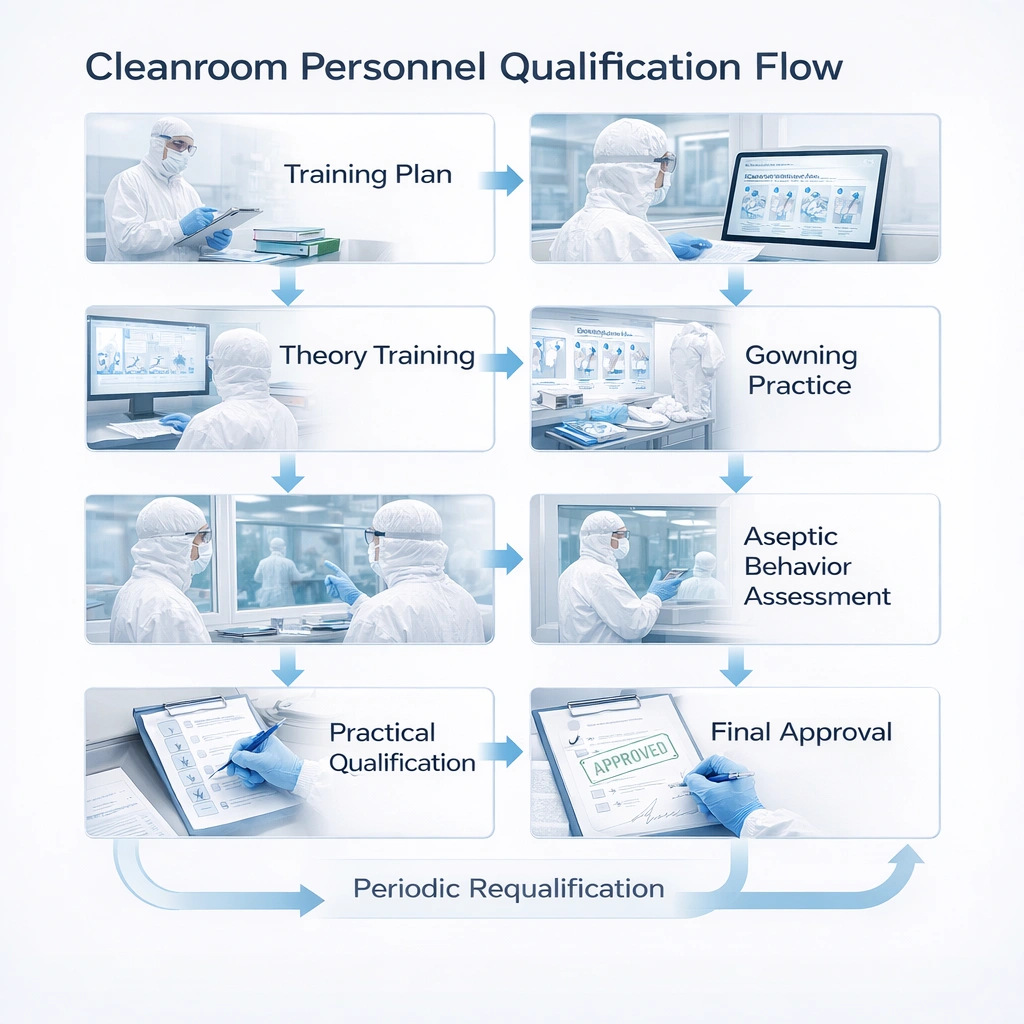
Personnel should be trained, observed, and periodically re-qualified for cleanroom behavior, gowning, cleaning, and material handling.
2. ガウンを単なる制服ではなく衛生バリアとして扱う
Cleanroom garments are part of the contamination-control barrier. The purpose of gowning is not only to protect the operator, but also to reduce contamination released from the operator into the cleanroom. Incorrect gowning can compromise the hygiene program even when cleaning tools and disinfectants are properly selected.
重要なガウンコントロール
- 定義されたガウンの順序: 制御されていない接触を減らすために、毎回同じ入場順序に従ってください。
- 衣服の完全性: 入場前に衣服の損傷、糸くず、不適切なフィット感を検査してください。
- グローブの規律: 手袋をいつ消毒、交換、交換するかを定義します。
- エリア固有のルール: ガウンのレベルは部屋のグレードとプロセスのリスクに一致する必要があります。
- トレーニング記録: 監査審査のためにガウンの資格および再資格の記録を保管します。
エントリーと衣服の規律の詳細については、このトピックを次のリンクに接続してください。 クリーンルームガウンの手順と付録 1 への準拠.
3. オペレーターが繰り返し使用できるクリーンルーム清掃 SOP を構築する
A cleanroom cleaning SOP should be easy to follow and strong enough for QA review. It must clearly define room zoning, cleaning sequence, mop system, disinfectant or detergent, contact time, mop head replacement, waste handling, and documentation requirements.
| SOP要素 | なぜそれが重要なのか | ベストプラクティスの方向性 |
|---|---|---|
| 洗浄シーケンス | 汚れがあまりきれいでない場所からきれいな場所へ移動するのを防ぎます。 | 該当する場合は、よりきれいなゾーンからあまりきれいではないゾーンへ、および高い表面からより低い表面へ掃除します。 |
| モップ掛けパターン | 欠けた領域や不均一な表面接触を削減します。 | ランダムな前後の動きではなく、制御されたオーバーラップパスを使用してください。 |
| モップの交換頻度 | 汚染された工具の再利用を防止 | 部屋、表面積、目に見える汚れ、およびリスクレベルに応じて交換ルールを定義します。 |
| 消毒剤の適合性 | 素材の性能と洗浄効果を保護します | モップヘッド、ハンドル、フレーム、バケツ、床材との化学的適合性を確認してください。 |
| 記録の保管 | GMP監査の準備をサポート | エリア、オペレーター、日付、化学薬品、ツール、必要に応じてバッチ/ロット、およびレビュー担当者を文書化します。 |
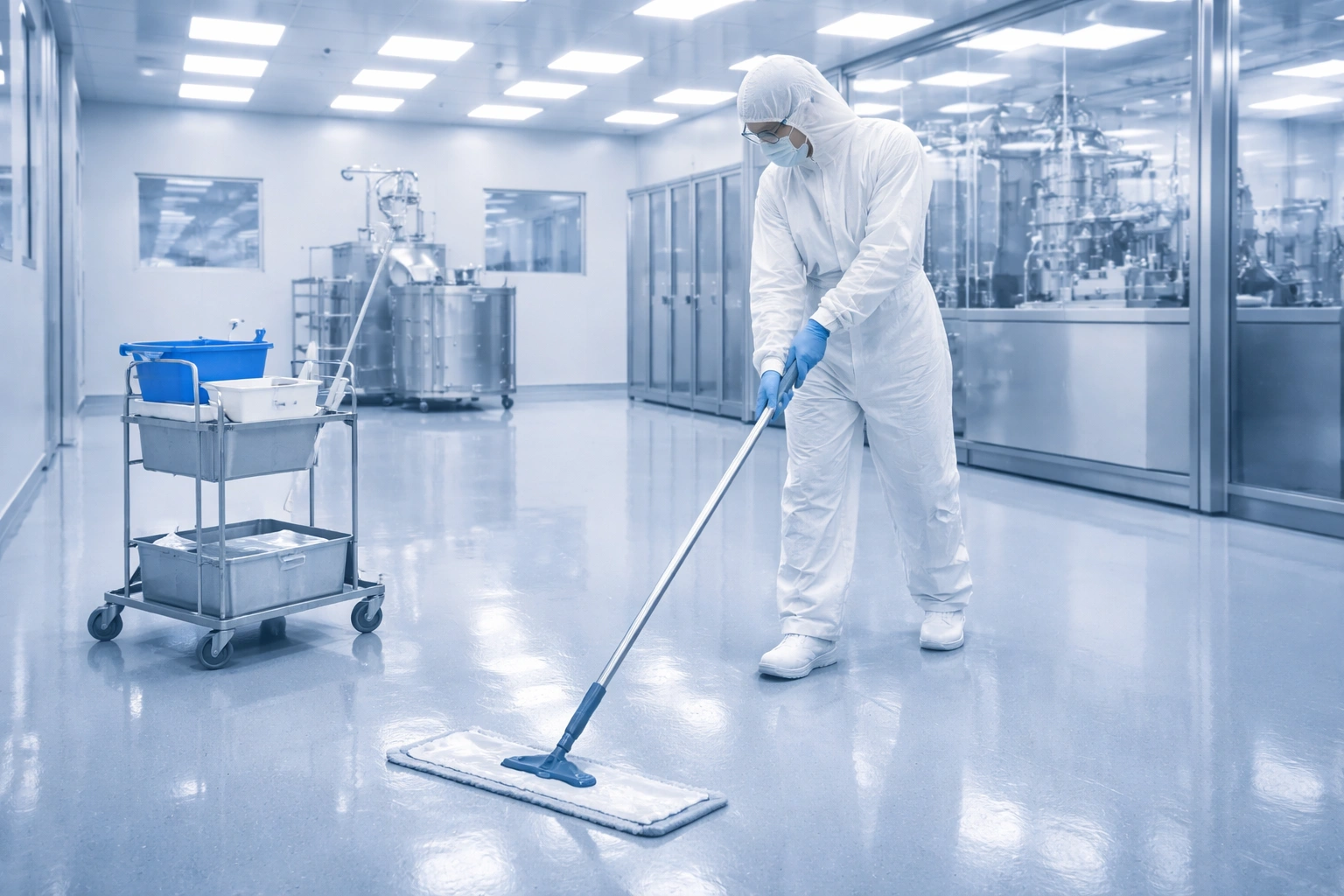
4. 衛生管理のために糸くずの出にくいクリーンルーム用モップを使用する
Cleanroom hygiene depends heavily on the tools used to clean floors, walls, ceilings, and large surfaces. A regular mop can release fibers, hold residues, or create uncontrolled wetting patterns. In contrast, a cleanroom mop system should be selected for low-lint performance, cleanroom compatibility, packaging, ergonomic handling, and documentation support.
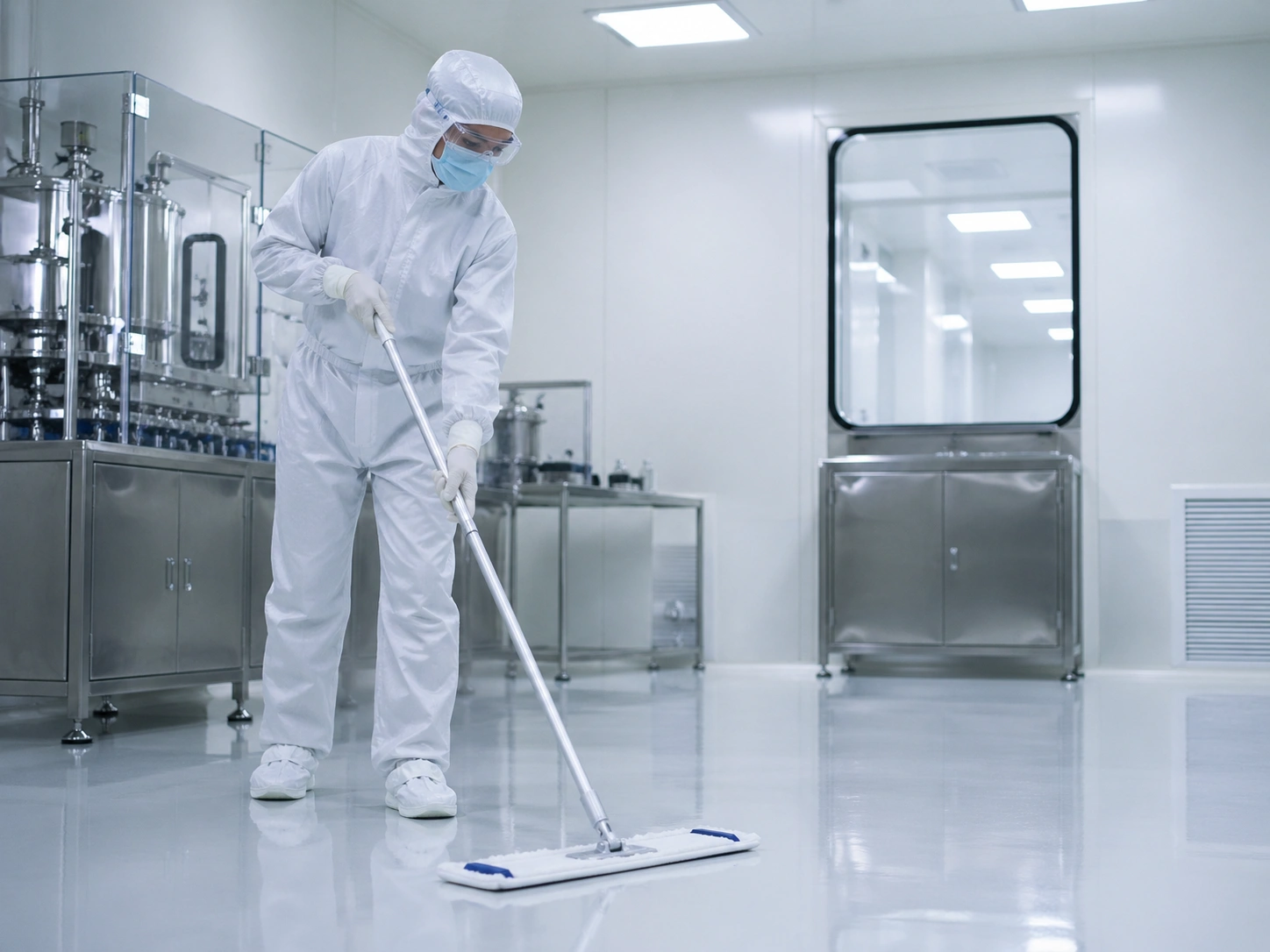
クリーンルームモップの選択には次の点を考慮する必要があります。
- 部屋の分類: ISO 5–8 または GMP グレード A/B/C/D のアプリケーション要件。
- 材料の種類: 接触面と清掃作業に応じて、ポリエステルまたはマイクロファイバー。
- 無菌要件: リスクの高いエリアには滅菌モップ オプションを、リスクの低いワークフローには非滅菌オプションを使用します。
- 吸水性と重量: モップの重量を床面積、化学物質の量、オペレーターの扱いに合わせてください。
- 梱包とトレーサビリティ: クリーンルームへの搬送と QA 文書をサポートするパッケージと記録を使用します。
滅菌モップ衛生使用
Sterile mop options are typically considered for aseptic support areas or workflows where microbial introduction must be minimized.
再利用可能なコントロールと使い捨て可能なコントロール
Disposable mop systems can simplify replacement control, while reusable systems require validated cleaning, handling, and lifecycle controls.
5. 床、壁、天井、設備の個別の衛生ワークフロー
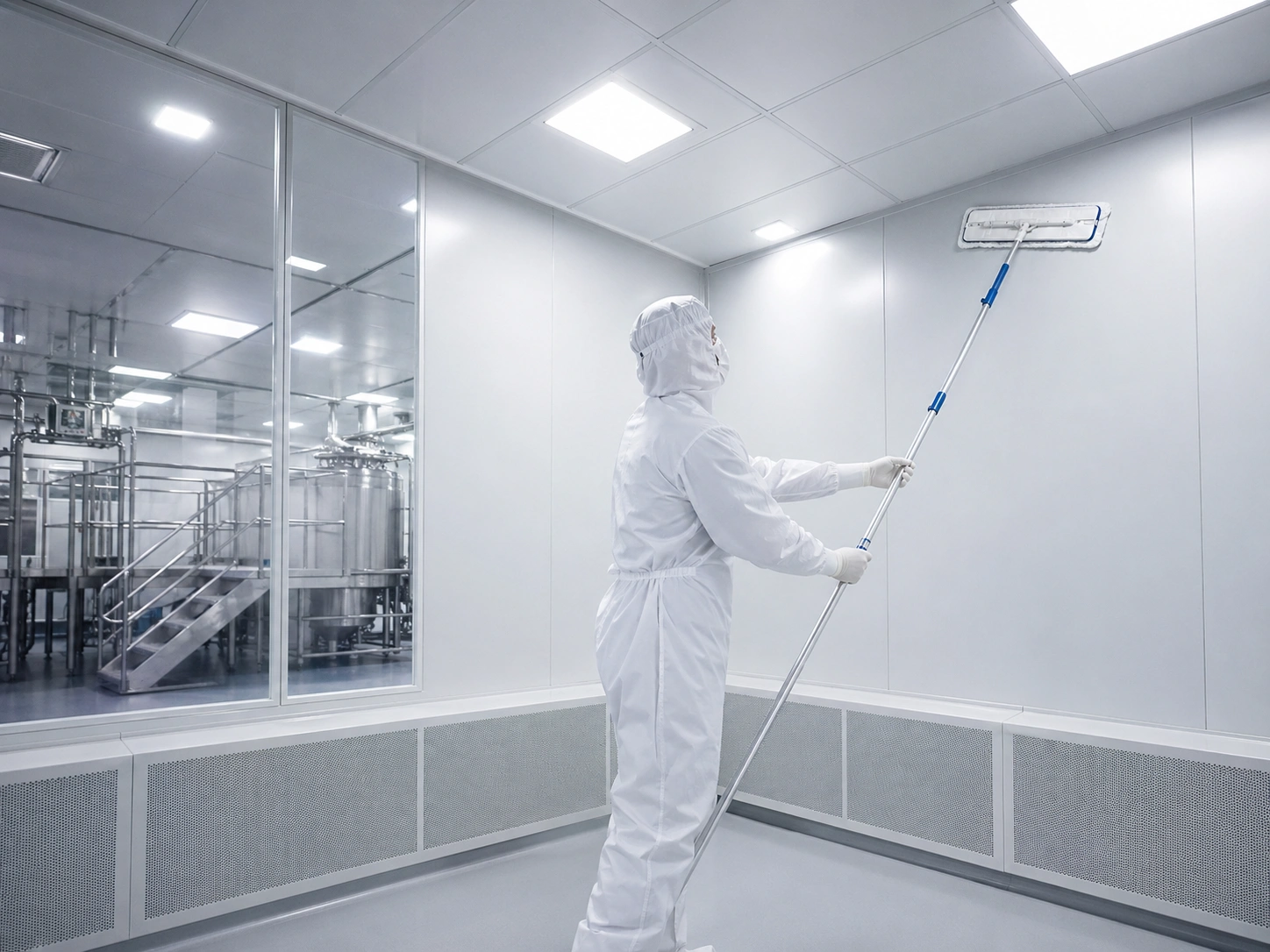
A strong cleanroom hygiene program does not treat every surface the same. Floors, walls, ceilings, carts, equipment exteriors, and high-touch surfaces each require different cleaning tools and techniques. Cross-use of tools across incompatible areas should be avoided unless specifically validated in the facility SOP.
| 表面の種類 | 衛生上のリスク | 技術 | 関連リソース |
|---|---|---|---|
| 床 | 交通粒子、車輪移動、残留物 | 制御されたオーバーラップとモップヘッド交換ルールを備えたゾーンベースのモップ作業 | クリーンルームモップシステム |
| 壁と天井 | 隠れた粒子、届きにくい表面、制御されていない接触 | 定義された動作パターンを持つ互換性のあるフレームとハンドル システムを使用する | クリーンルームモップフレーム |
| ハイタッチエリア | 手袋との接触、汚染の移送 | SOPに基づいて承認されたワイプまたは小さなツールを使用して清掃します | クリーンルームモップ vs ワイプ |
| マテリアルトランスファーポイント | 包装の汚染とパススルーのリスク | 定義済みのワイプダウンおよび転送制御を入場前に使用する | バッチトレーサビリティ クリーンルーム用消耗品 |
6. 環境モニタリングを使用して衛生パフォーマンスを検証する
Cleanroom hygiene should be verified, not assumed. Environmental monitoring helps show whether personnel behavior, cleaning frequency, mopping workflow, and material controls are working as intended. Monitoring results should be reviewed together with cleaning records, deviations, and CAPA trends.
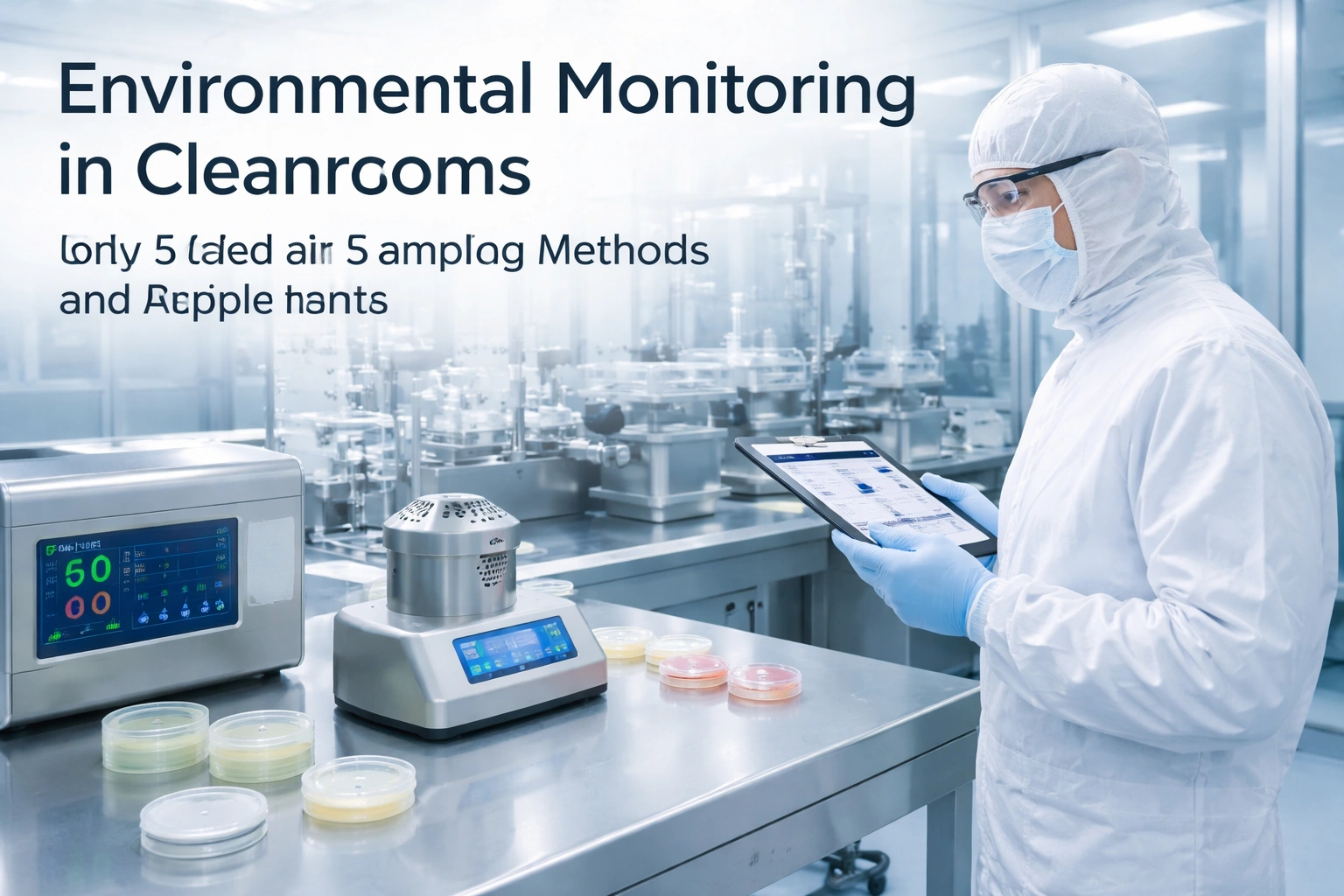
モニタリングでは以下をサポートする必要があります。
- 浮遊粒子傾向のレビュー
- 微生物のモニタリングと表面サンプリング
- 掃除頻度の調整
- 逸脱調査とCAPA
- トレーニング効果のレビュー
- サプライヤーおよび材料の適格性に関する決定
7. 監査に備えて衛生文書を保管する
In GMP facilities, cleanroom hygiene is only defensible when it is documented. A facility should be able to show what was cleaned, when it was cleaned, who performed the activity, which tools and chemicals were used, and whether the results were acceptable.
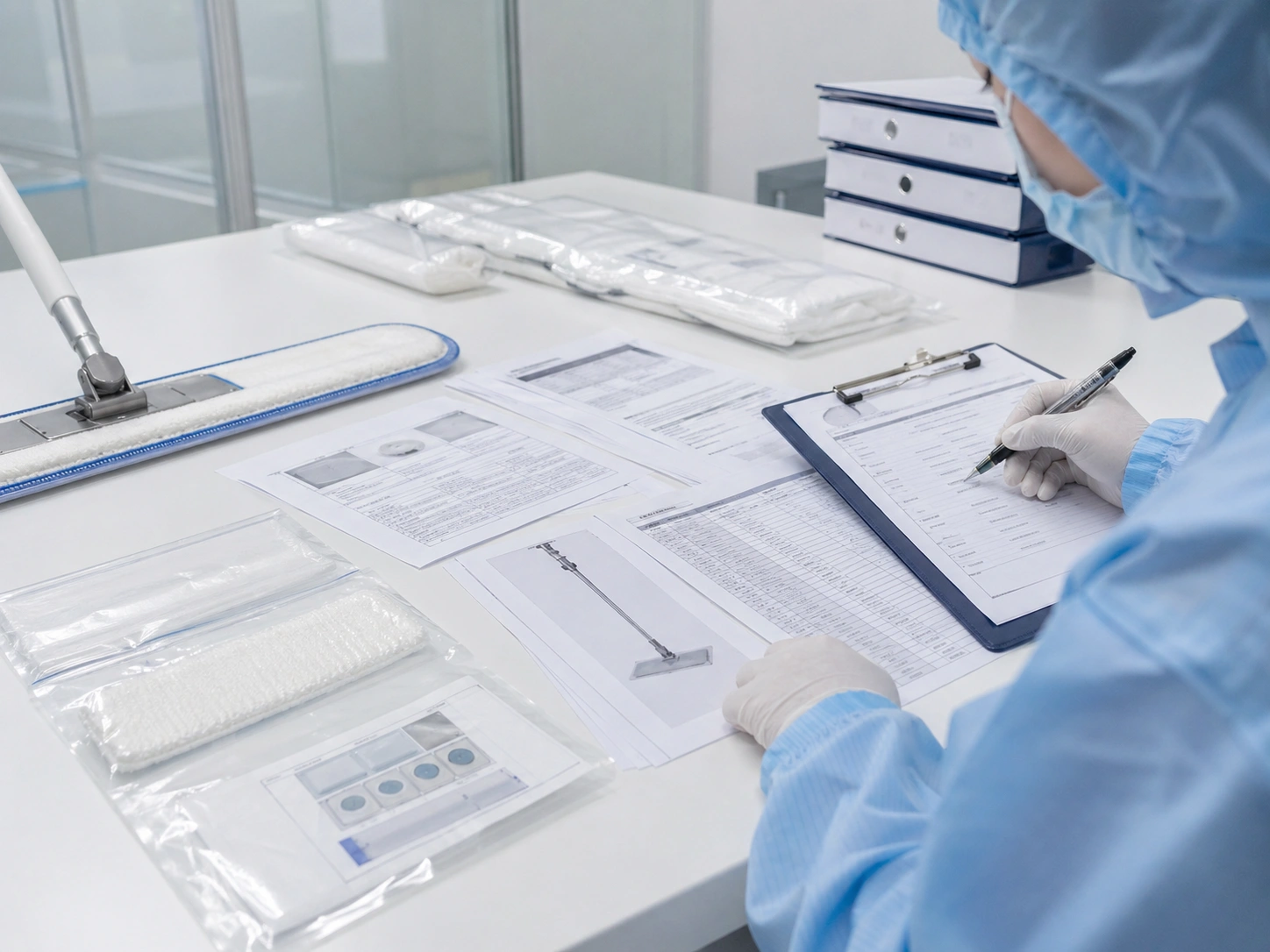
推奨されるドキュメントセット
- クリーンルーム清掃SOPとモップ掛けSOP
- 人材教育およびガウン資格認定記録
- 清掃記録と監督者のレビュー記録
- モップシステムの仕様と材質情報
- 滅菌モップの文書(該当する場合)
- 選択したモデルまたはサンプル バッチに応じた COA またはバッチ関連のリリース文書
- 環境モニタリング傾向レポート
- 衛生上の欠陥に関連する逸脱および CAPA 記録
役立つサポート リソースには次のものがあります。 クリーンルームモップ検証文書 & COA、 GMP クリーンルーム監査の準備方法、 そして 医薬品クリーンルームモップのサプライヤーを認定する方法.
8. 日常使用のための実践的な衛生チェックリストを作成する
The best cleanroom hygiene program is one that operators can follow every day. A practical checklist helps reduce variation and gives QA a consistent review structure.
| チェックリストエリア | 毎日の確認質問 | 記録が必要です |
|---|---|---|
| 職員 | オペレーターは訓練を受け、正しくガウンを着用し、行動ルールに従っていましたか? | トレーニング・ガウン記録 |
| ツール | 承認されたクリーンルーム用モップ、フレーム、ハンドル、バケツが使用されましたか? | ツール仕様・領域指定 |
| 清掃ワークフロー | 正しいゾーンの順序とモップのパターンに従いましたか? | 清掃記録/SOPチェックリスト |
| 無菌管理 | 滅菌モップ製品は、梱包および輸送ルールに従って取り扱われましたか? | 必要に応じてロット/バッチの文書化 |
| 監視 | 環境モニタリングの結果は衛生傾向について検討されましたか? | EMトレンドレポート/偏差記録 |
Cleanroom hygiene is not a single action. It is a controlled routine that connects people, procedures, products, monitoring, and proof.
結論: クリーンルームの衛生管理は管理され、再現可能で、文書化される必要がある
Essential cleanroom hygiene techniques include personnel discipline, gowning control, validated SOPs, low-lint cleanroom mop systems, sterile or non-sterile tool selection, environmental monitoring, and audit-ready documentation. Each element supports the same goal: reducing contamination risk while making the process repeatable and reviewable.
For GMP and ISO-controlled environments, hygiene should never depend on informal habits. It should be built into a documented system that operators can follow, QA can verify, and auditors can understand.
FAQ: クリーンルームの衛生技術
クリーンルームの衛生とは何ですか?
Cleanroom hygiene is the controlled management of personnel behavior, gowning, cleaning tools, surface cleaning, material transfer, monitoring, and documentation to reduce contamination risk in ISO or GMP-controlled environments.
リントの少ないモップがクリーンルームの衛生にとって重要なのはなぜですか?
Low-lint cleanroom mops help reduce fiber shedding and particle release during floor, wall, and ceiling cleaning. They also support consistent surface contact and documentation when selected as part of a controlled mop system.
滅菌クリーンルームモップはいつ使用する必要がありますか?
Sterile cleanroom mops are typically used in higher-risk GMP-controlled areas, aseptic support workflows, or applications where microbial introduction must be minimized and batch-related documentation is required.
人材トレーニングはクリーンルームの衛生にどのような影響を与えますか?
Personnel training reduces uncontrolled movement, incorrect gowning, poor glove discipline, and tool misuse. Training records also help support QA review and audit readiness.
クリーンルーム衛生監査の準備をサポートする文書は何ですか?
Key documents include cleaning SOPs, mopping SOPs, personnel training records, gowning qualification records, cleaning logs, product specifications, batch or lot traceability, COA references, and environmental monitoring trend reports.
GMP 衛生プログラムのクリーンルーム モップのサポートが必要ですか?
MIDPOSI can help you review low-lint cleanroom mop systems, sterile and non-sterile configurations, documentation support, and sample options for pharmaceutical, biotech, medical device, semiconductor, and laboratory cleanrooms.