Tek Kullanımlık ve Yeniden Kullanılabilir Temiz Oda Mopları—Tam Alıcı Karar Çerçevesi
GMP ve ISO kontrollü ortamlar için temiz oda paspas stratejilerini değerlendiren satın alma, QA ve tesis yöneticileri için yapılandırılmış, 7 boyutlu bir karşılaştırma.
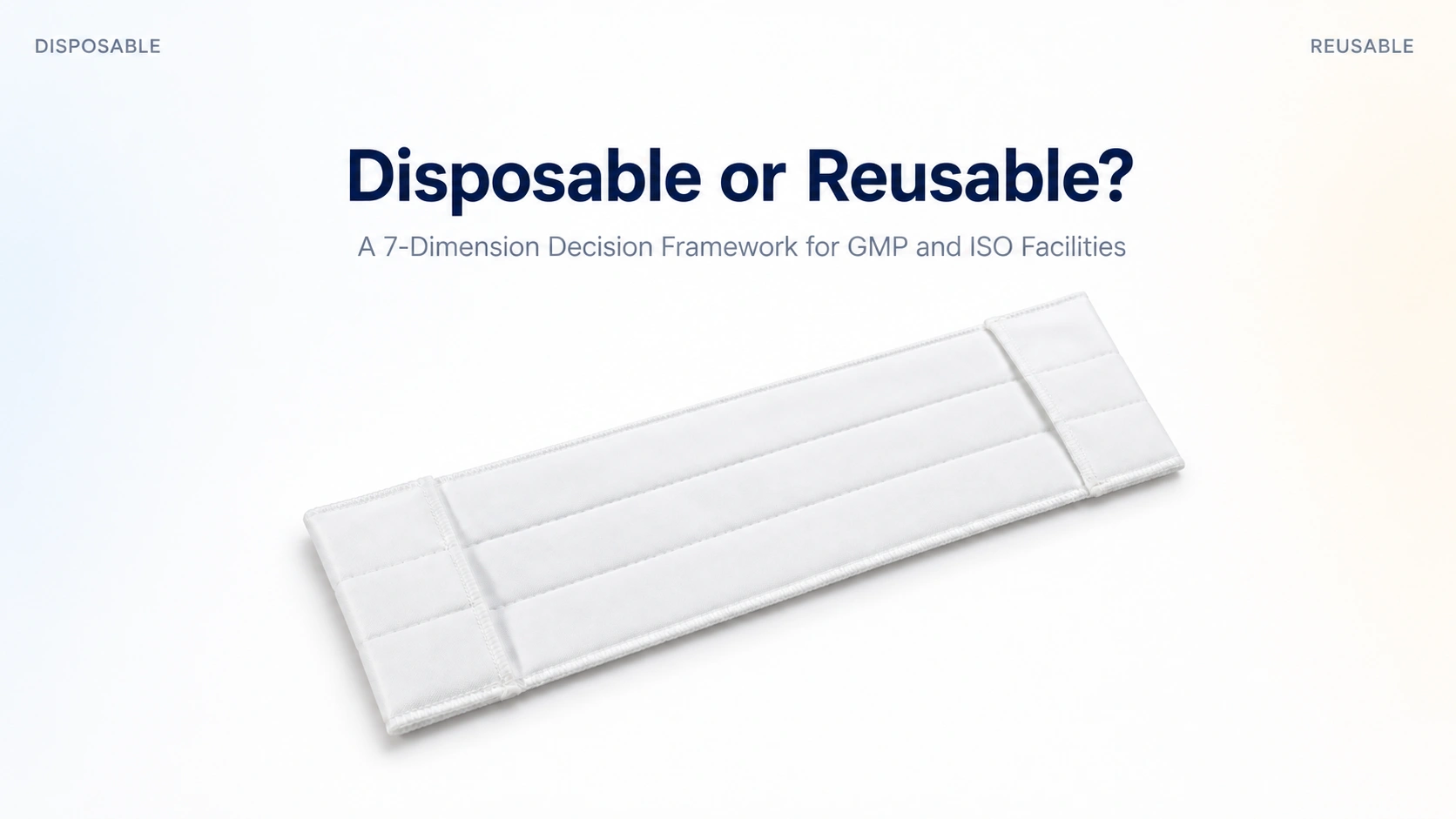
Hızlı Yanıt—Tek Kullanımlık veya Yeniden Kullanılabilir Temiz Oda Mopları: Hangisini Seçmelisiniz?
Tek kullanımlık ve yeniden kullanılabilir temiz oda paspasları arasındaki seçim basit bir maliyet karşılaştırması değil. Bu, sterilite gerekliliklerini, kontaminasyon kontrol protokollerini, toplam sahip olma maliyetini (TCO), atık yönetimini ve özel temiz oda sınıflandırmanızı hesaba katması gereken tesis düzeyinde stratejik bir karardır.
Tek Kullanımlık Strateji
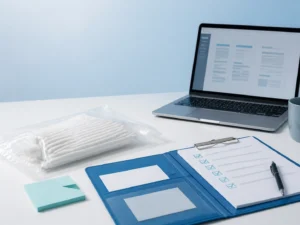
A tek kullanımlık, önceden sterilize edilmiş paspas ayrı ayrı paketlenir, bir kez kullanılır ve atılır. Her paspas, parti düzeyinde belgelerle birlikte kullanıma hazır olarak gelir; böylece yıkama, sterilizasyon ve partiler arası kontaminasyon riski ortadan kalkar.
Şunun için en iyisi: Steril üretim (GMP Derecesi A/B), tek partili kampanyalar, sterilite güvencesinin birincil gereklilik olduğu tesisler ve şirket içi çamaşır yıkama kapasitesinin doğrulanmadığı işlemler.
Yeniden Kullanılabilir Strateji
A yıkanabilir, çok amaçlı paspas temizlenir, sterilize edilir (gerekiyorsa) ve birden fazla döngüde yeniden kullanılır. Rotasyon için doğrulanmış yıkama ve sterilizasyon süreçleri, kullanım takibi ve envanter yönetimi gerektirir.
Şunun için en iyisi: ISO 7'de yüksek frekanslı günlük temizlik–8 ortam, steril olmayan GMP Sınıfı C/D bölgeleri, yerleşik çamaşırhane ve sterilizasyon altyapısına sahip tesisler ve katı atığı en aza indirmeyi amaçlayan operasyonlar.
Kısa cevap: Tesisiniz steril Sınıf A/B bölgeleri işletiyorsa, tek kullanımlık önceden sterilize edilmiş strateji tipik olarak daha düşük protokol karmaşıklığıyla daha güçlü sterilite güvencesi sağlar. Tesisiniz steril olmayan ISO 7'de yüksek sıklıkta günlük temizlik yapıyorsa–8 alan, bir yeniden kullanılabilir strateji genellikle temizlik olayı başına daha düşük bir maliyet sağlar—Yıkama ve sterilizasyon süreçlerinizin tamamen doğrulanması şartıyla.
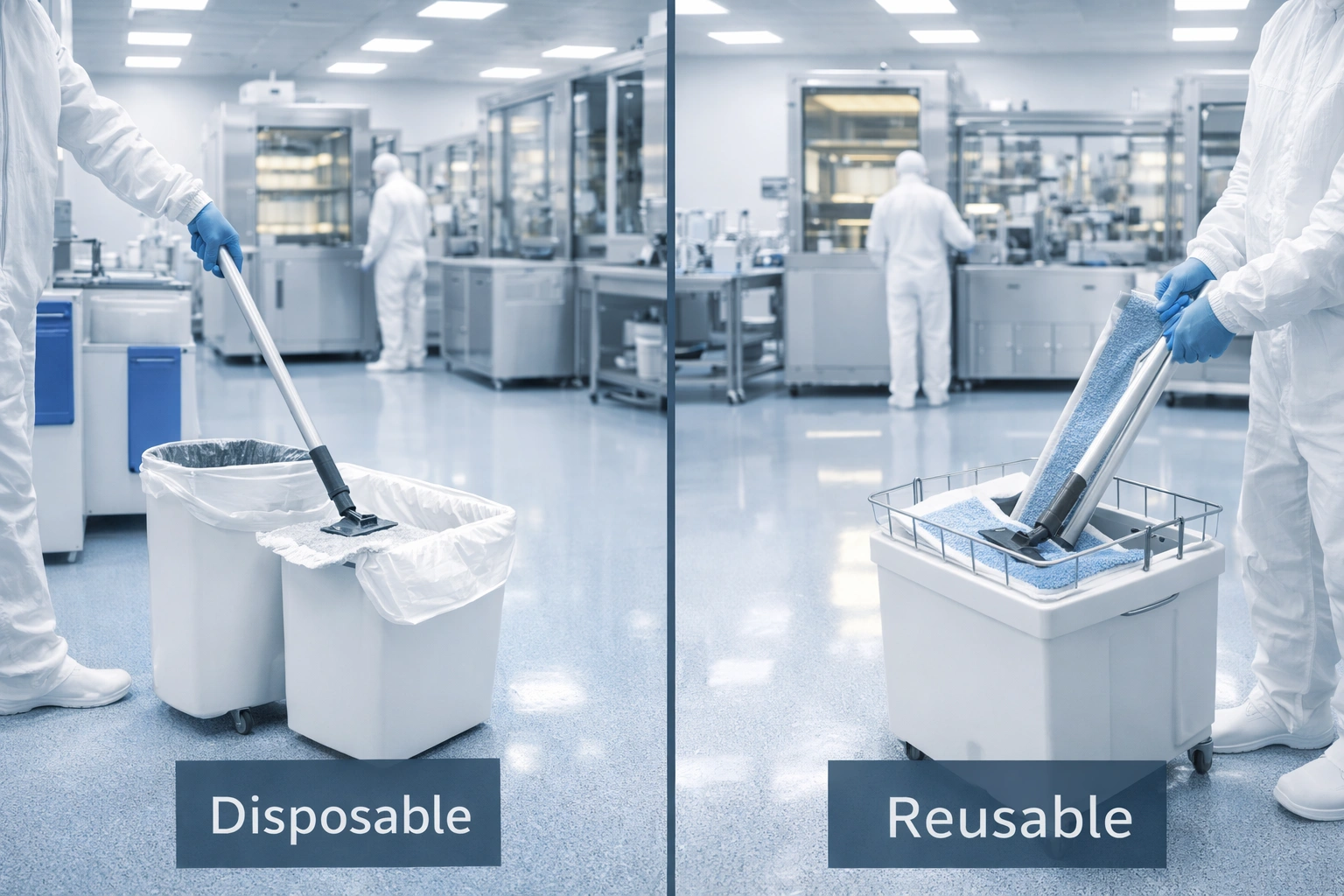
İki Temiz Oda Paspas Stratejisini Anlamak
Boyutları karşılaştırmadan önce, kontrollü çevre temizliği bağlamında her stratejinin neleri gerektirdiğini belirlemek faydalı olacaktır. "Tek kullanımlık" terimleri” ve “yeniden kullanılabilir” temiz oda operasyonlarında genel ticari temizlikten farklı anlamlara sahiptir.
Tek Kullanımlık Temiz Oda Paspas Stratejisi
Tek kullanımlık temiz oda paspası tek kullanımlık ürün bir temizlik etkinliğinde veya belirlenmiş bir temizlik bölgesinde kullanılmak üzere tasarlanmış, daha sonra atılmıştır. Temiz oda bağlamında tek kullanımlık, daha düşük kalite anlamına gelmez—bu, paspasın kontrollü koşullar altında üretildiği, paketlendiği ve (belirtildiği zaman) sterilize edildiği, her ünite veya partinin denetim takibi gerekliliklerini destekleyen belgelerle birlikte sunulduğu anlamına gelir.
Tek kullanımlık bir stratejinin temel özellikleri şunları içerir:
- Önceden sterilize edilmiş kullanılabilirlik: Moplar, Grade A/B bölgelerine aseptik transfer için tek veya çift torbalı ambalajlarda ayrı ayrı kapatılmış, gama ışınlanmış veya EtO ile sterilize edilmiş olarak tedarik edilebilir.
- Yeniden işleme döngüsü yok: Yıkama, sterilizasyon, inceleme veya rotasyon yönetimi yok—Protokol karmaşıklığının azaltılması ve değişkenlik kaynağı olarak yeniden işlemenin ortadan kaldırılması.
- Toplu düzeyde belgeler: Analiz Sertifikası (COA), Sterilite Sertifikası (CoS) ve Uygunluk Sertifikası her üretim partisine bağlı olup temiz, izlenebilir denetim kayıtları sağlar.
- Tahmin edilebilir parçacık performansı: Her paspas kafası, tasarlanan performans aralığı dahilinde bir kez kullanılır—yeniden kullanım döngülerinde herhangi bir bozulma olmaz.
Tek kullanımlık paspaslar, aseptik farmasötik üretimin katı sterilite gerekliliklerine bir yanıt olarak ortaya çıktı ve AB GMP Ek 1 kapsamında düzenlenen birçok steril operasyon için varsayılan strateji haline geldi.
Yeniden Kullanılabilir Temiz Oda Paspas Stratejisi
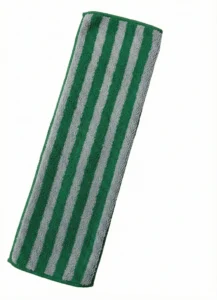
Yeniden kullanılabilir bir temiz oda paspası çok amaçlı ürün tekrarlanan yıkamaya ve (protokol gerektirdiğinde) yeniden sterilizasyon döngülerine dayanacak şekilde tasarlanmıştır. Paspas kafası dayanıklı malzemelerden yapılmıştır—tipik olarak polyester örgü veya mikrofiber—Çoklu kullanım döngüleri boyunca boyutsal stabiliteyi ve düşük partikül atma performansını koruyan.
Yeniden kullanılabilir bir stratejinin temel özellikleri şunları içerir:
- Kullanım başına daha düşük malzeme maliyeti: Başlangıçtaki paspas kafası maliyeti, birden fazla temizleme işleminde amortismana tabi tutularak, yüksek frekanslı işlemler için temizlik olayı başına harcamanın potansiyel olarak azaltılması sağlanır.
- Doğrulanmış aklama gereksinimi: Tesis, kalıntıları açıkça temizleyen, malzeme bütünlüğünü koruyan ve yıkama sonrası tutarlı temizlik sağlayan, onaylanmış bir çamaşır yıkama işlemi yürütmeli (veya nitelikli bir çamaşırhane hizmetiyle ortaklaşa çalışmalıdır).
- Döngü takibi ve envanter yönetimi: Paspas kafaları, görsel inceleme, parçacık performans testi veya döngü sayısı limitlerine dayalı olarak tanımlanmış kullanımdan kaldırma kriterleri ile kullanım ve çamaşır yıkama döngüleri boyunca takip edilmelidir.
- Daha düşük katı atık hacmi: Yeniden kullanılabilen paspaslar, tek kullanımlık stratejiyle karşılaştırıldığında temizlik olayı başına önemli ölçüde daha az katı atık üretir.
Yeniden kullanılabilir paspaslar ISO 7'de yaygın olarak kullanılmaktadır–Temizleme sıklığının yüksek olduğu ve sterilliğin birincil gereklilik olmadığı 8 steril olmayan ortam ve Sınıf C/D GMP destek bölgeleri.
Her iki strateji de modern temiz oda operasyonlarında geçerliliğini koruyor—kişinin evrensel olarak üstün olması nedeniyle değil, tesis profilleri farklı. Aşağıdaki 7 boyutlu çerçeve, hangi stratejinin tesisinizin özel gereksinimlerine uygun olduğunu değerlendirmek için yapılandırılmış bir temel sağlar.
Tek Kullanımlık ve Yeniden Kullanılabilir Temiz Oda Mopları Arasında Seçim Yapmak İçin 7 Boyutlu Karar Çerçevesi
Aşağıdaki yedi boyutun her biri, tek kullanımlık mı yoksa yeniden kullanılabilir mi kararını etkileyen bir faktörü temsil eder. Boyutlar çoğu tesis için en yüksek öncelikten en düşük önceliğe doğru sıralanmıştır, ancak özel ağırlığınız operasyonel ve mevzuat bağlamınıza bağlı olarak farklılık gösterebilir.
Sterilite Güvencesi
Tek kullanımlık
Üretim noktasında önceden sterilize edilmiştir—tipik olarak gama ışınlaması veya etilen oksit (EtO) yoluyla—ve ayrı ayrı kapatılmış, doğrulanmış ambalajlarda teslim edilir. Ambalaj temiz oda içinde açıldığında, kullanım noktasında sterilite garanti edilir. Her parti, sterilite güvencesini belirli bir üretim partisine bağlayan bir Sterilite Sertifikası taşır.
Bu, yeniden kullanılabilir sterilitedeki en büyük değişkeni ortadan kaldırır: Son kullanıcı tesisi tarafından gerçekleştirilen yeniden sterilizasyon döngüsü. Tek kullanımlık malzemelerde, doğrulanmış, denetlenebilir bir sterilizasyon süreciyle desteklenen sterilite güvencesi üreticinin sorumluluğundadır.
Yeniden kullanılabilir
Sterilite tamamen tesisin kendi yıkama ve yeniden sterilizasyon sürecine bağlıdır. Kullanımdan sonra, paspas başlığı kimyasal kalıntıları ve partikül kontaminasyonunu gidermek için yıkanmalı, ardından sterilize edilmelidir (tesisin donanımı varsa genellikle otoklavla veya üçüncü bir taraf aracılığıyla gama/EtO yoluyla).
Her adım—yıkama, kurutma, sterilizasyon, paketleme ve transfer—olmalıdır ayrı ayrı doğrulanmış. Gerekli Sterilite Güvence Seviyesine (SAL) ulaşmak için yeniden sterilizasyon döngüsünün gösterilmesi gerekir ve yeniden sterilizasyon için kullanılan ambalaj, temiz odaya aktarılırken bütünlüğü korumalıdır. Bu zincirdeki herhangi bir boşluk kısırlığı tehlikeye atar.
Bu boyut belirleyici olduğunda: GMP Derece A (ISO 5) aseptik dolum bölgeleri ve Derece B arka plan alanları için, önceden sterilize edilmiş tek kullanımlık strateji genellikle daha basit bir denetim takibi ile daha güçlü, daha savunulabilir bir sterilite güvencesi sağlar.
Kontaminasyon kontrolü & Çapraz Bulaşma Riski
Tek kullanımlık
Tek kullanımlık tasarım, partiler arası kontaminasyon riskini tamamen ortadan kaldırır. Bir ürün kampanyasında, bir bölgede veya bir temizlik etkinliğinde kullanılan paspas atılır—asla bir sonraki partiye veya bölgeye kontaminasyon taşıyamaz.
Bu, özellikle farklı aktif farmasötik bileşenlerin (API'ler), hücre dizilerinin veya biyolojik materyallerin ortak temiz oda alanında işlendiği çok ürünlü tesislerde değerlidir. Tek kullanımlık paspaslar, kirlenme zincirinde prosedürel kontrollerin tek başına garanti edemeyeceği fiziksel bir kırılma sağlar.
Yeniden kullanılabilir
Çapraz bulaşma riski iki noktada mevcuttur: (1) Paspas kafaları bölgeye veya ürün kampanyasına göre uygun şekilde ayrılmamışsa, aynı tesis içindeki kullanımlar arasında ve (2) Yıkama sırasında farklı bölgelerden veya ürün türlerinden paspaslar bir arada işleniyorsa.
Yeniden kullanılabilir bir strateji ile etkili çapraz kontaminasyon kontrolü şunları gerektirir: görsel tanımlama (renk kodlaması) ile bölgeye özgü paspas başlığı ataması, ayrılmış toplama ve taşıma, kalıntıları açıkça ortadan kaldıran doğrulanmış yıkama işlemleri ve yıkama sonrası temizliğin doğrulanması.
Bu boyut belirleyici olduğunda: Çok ürünlü tesislerde, güçlü bileşik işleme alanlarında veya çapraz kontaminasyonun eser miktarda bile yüksek hasta güvenliği veya ürün kalitesi riski taşıdığı operasyonlarda, tek kullanımlık strateji daha basit, daha sağlam bir kontaminasyon kontrol çözümü sağlar.
Toplam Sahip Olma Maliyeti (TCO)
Tek kullanımlık
Birim başına maliyet daha yüksektir, ancak çok daha basit bir maliyet yapısı vardır. Paspas kafasının satın alma fiyatı fiilen tam maliyettir—çamaşır yıkama işçiliği, sterilizasyon ekipmanı, yeniden işleme için su ve enerji, denetim işçiliği ve envanter rotasyon yönetimi yoktur.
Tek kullanımlık strateji için temel TCO bileşenleri:
- Paspas kafası ünitesi maliyeti × dönem başına temizlik etkinlikleri
- Nakliye ve depolama (yeniden kullanılabilirliğe kıyasla daha yüksek hacim gerekir)
- Atık işleme ve bertaraf maliyetleri
- Daha düşük: yeniden işleme işçiliği, ekipman, yardımcı program veya kalite kontrol yok
Yeniden kullanılabilir
İlk envanter satın alındıktan sonra kullanım başına malzeme maliyeti düşer, ancak toplam maliyet resmi, basit bir birim fiyat karşılaştırmasında genellikle gözden kaçırılan önemli operasyonel ve altyapı bileşenlerini içerir.
Yeniden kullanılabilir strateji için temel TCO bileşenleri:
- Paspas kafası ünitesi maliyeti ÷ ortalama kullanılabilir döngüler (amortismana tabi tutulmuş)
- Çamaşırhane işçilik, ekipman, su, enerji ve deterjan maliyetleri
- Sterilizasyon ekipmanı/üçüncü taraf maliyetleri (steril gerekiyorsa)
- Muayene ve kalite kontrol işçiliği
- Envanter yönetimi ve rotasyon takibi
- Çamaşır yıkama döngüsü dönüşü sırasında yedek stok
Bu boyut belirleyici olduğunda: Düşük temizleme sıklıklarında (örneğin, haftalık veya kampanya bazlı), yeniden kullanılabilir bir programın sabit yükü, tek kullanımlık ürünleri genel olarak daha uygun maliyetli hale getirebilir. Yüksek günlük frekanslarda, yeniden kullanılabilir malzemelerin kullanım başına amorti edilmiş maliyeti tasarruf sağlayabilir—ancak yalnızca tesis halihazırda onaylanmış aklama altyapısına sahipse.
Mevzuata Uygunluk & Denetim İzi
Tek kullanımlık
Dokümantasyon aşağıdaki gibidir partiden partiye modeli: Her gönderi veya üretim partisine COA, CoS ve CoC eşlik eder. Denetim amacıyla, tek bir parti tek kullanımlık paspas = tedarikçi parti numarasından belirli temizlik olaylarına kadar net izlenebilirlik ile belgelenmiş bir satın alma ve kullanım birimi.
Denetim yolu basittir: X partisi paspas alındı, belgeler gözden geçirildi, X partisi Y tarihinde Z bölgesinde kullanıldı, X partisi tamamen tükendi. Devam eden bir döngü takibi veya belgelenecek yeniden yeterlilik yoktur.
Yeniden kullanılabilir
Dokümantasyon gereksinimleri önemli ölçüde genişliyor. Tesis, ilk tedarikçi belgelerine (COA, malzeme sertifikaları) ek olarak aşağıdakilere ilişkin kayıtları tutmalıdır: her yıkama döngüsü (parametreler, deterjan partileri, operatör), her sterilizasyon döngüsü (otoklav yük verileri, döngü parametreleri), her işlem sonrası inceleme ve her paspas kafasının kullanım geçmişi ve kullanımdan kaldırılması.
Düzenleyici denetim sırasında denetçi,—ve olacak—Yıkama ve sterilizasyon döngüsü kayıtlarını talep edin. Yeniden kullanılabilir bir programın dokümantasyonu eksikse denetim bulgusu, daha geniş kontaminasyon kontrolü incelemesinin bir parçası olarak temizleme aracı sistemine atıfta bulunacaktır.
Bu boyut belirleyici olduğunda: Yalın QA/QC ekiplerine sahip veya dokümantasyonun eksiksizliğinin çok önemli olduğu düzenleyici inceleme altında faaliyet gösteren tesisler, tek kullanımlık dokümantasyon modelinin denetimler sırasında sürdürülmesini ve savunulmasını daha kolay bulabilir.
Atık Yönetimi & Sürdürülebilirlik
Tek kullanımlık
Her temizlik olayında katı atık üretir. Tek kullanımlık paspaslarla günde 20 temizlik işlemi gerçekleştiren bir tesis için yıllık katı atık hacmi önemli olabilir. Paspasın API'ler, biyolojik malzemeler veya tehlikeli temizlik maddeleriyle temas etmesi durumunda atık işleme, kontamine atık sınıflandırmasını hesaba katmalıdır.
Sürdürülebilirlik perspektifinden bakıldığında tek kullanımlık yaklaşım, ham maddeleri tüketir ve olay başına daha yüksek oranda atık üretir. Ancak çamaşır yıkamayla bağlantılı su, enerji ve kimyasal tüketimini önler.
Yeniden kullanılabilir
Daha az katı atık üretir ancak yıkama döngüsü boyunca önemli miktarda su, enerji ve temizlik kimyasalları tüketir. Yeniden kullanılabilen bir paspas kafası 50–Kullanımdan kaldırılmadan önce 100'den fazla yıkama döngüsü, malzeme ayak izini birçok kullanıma yayar.
Sürdürülebilirlik profili, aklama operasyonunun verimliliğine bağlıdır—suyun geri dönüşümü, enerji tasarruflu ekipmanlar ve çevreye duyarlı deterjan seçiminin tümü net çevresel etkiyi etkiler.
Bu boyut belirleyici olduğunda: Bu boyut, tek başına nadiren birincil karar etkeni olur, ancak kurumsal sürdürülebilirlik hedefleri veya atık işleme altyapısı sınırlamaları satın alma kararlarını etkilediğinde önem kazanır. Atık bertaraf kapasitesi sınırlı veya bertaraf maliyetleri yüksek olan bir tesis, yeniden kullanıma yönelebilir; su kullanımı kısıtlamaları olan bir tesis, tek kullanımlık su kullanımına yönelebilir.
Protokol Karmaşıklığı & Operatör Eğitimi
Tek kullanımlık
Operatöre yönelik protokol daha basittir: Paketi açın, paspas kafasını çerçeveye takın, belirlenen alanı temizleyin, ayırın, atın. Operatör için daha az karar noktası vardır—Bölgeye göre ayırma yok, çamaşırlar için toplama yok, yeniden kullanımdan önce görsel inceleme yok.
Eğitim gereksinimleri de buna göre daha hafiftir, ancak operatörlerin aktarım sırasında ambalaj bütünlüğünü korumak için doğru aseptik ambalaj açma tekniği konusunda eğitimli olmaları gerekmektedir.
Yeniden kullanılabilir
Protokol karmaşıklığı tüm paspas yaşam döngüsü boyunca artar. Operatörler şu konularda eğitilmelidir: bölgeye göre doğru ayırma ve toplama, kullanım sonrası kontaminasyonun yayılmasını önlemek için uygun kullanım, çamaşır gönderme prosedürleri, yeniden kullanımdan önce denetim kriterleri ve kullanım ömrü sonu göstergelerinin tanınması.
Bu, SOP adımlarını ve eğitim yükünü artırır, aynı zamanda temizlik araçları yönetimi konusunda kurumsal bilgi birikimini de artırır—genel kontaminasyon kontrolü olgunluğuna fayda sağlayabilecek bilgi.
Bu boyut belirleyici olduğunda: Operatör değişiminin yüksek olduğu tesisler, temizlik yapan yükleniciler veya protokol sapmalarının sıklıkla gözlemlendiği operasyonlar, daha basit tek kullanımlık iş akışından yararlanabilir. İstikrarlı, iyi eğitimli temizlik ekiplerine ve olgun SOP kültürüne sahip tesisler, yeniden kullanılabilir karmaşıklığın sorunsuzca üstesinden gelebilir.
Tedarik Zinciri & Envanter
Tek kullanımlık
Kullanım oranına göre daha yüksek depolama hacmi gerektirir—her temizlik olayı bir paspas kafasını tüketir, bu nedenle yeniden sipariş verme süresini karşılamak için raf stokunun muhafaza edilmesi gerekir. Depolama gereksinimleri temizleme sıklığına göre doğrusal olarak ölçeklenir.
Yeniden sipariş sıklığı, hem stok tükenmesinden (temizlik operasyonlarını aksatacak) hem de aşırı siparişten (depo alanını tüketen ve işletme sermayesini bağlayan) kaçınmak için kalibre edilmelidir.
Yeniden kullanılabilir
Her paspas kafası birden fazla döngüye hizmet ettiğinden devam eden satın alma hacmi daha düşüktür. Ancak tesisin aşağıdakileri kapsayacak yeterli envanteri bulundurması gerekir: aktif kullanımdaki paspaslar, çamaşırhanedeki paspaslar, kullanımdan kaldırılan/değiştirilen paspaslar ve bir güvenlik tamponu.
Envanter modeli doğrusaldan (günde X paspas) rotasyonel modele (kullan-yıka-kullan yoluyla dönen Y paspas havuzu) doğru değişiyor; satın alma, her temizlik olayını tedarik etmek yerine kullanımdan kaldırılan birimlerin değiştirilmesine odaklanıyor.
Bu boyut belirleyici olduğunda: Sınırlı depo alanına sahip tesisler veya uluslararası nakliye teslim sürelerinin uzun olduğu yerlerde faaliyet gösteren tesisler, daha düşük depolama hacmi nedeniyle yeniden kullanılabilir modeli tercih edebilir. Tersine, yeterli depolama alanına sahip ve tedarik zincirinin basitliğini tercih eden tesisler, tek kullanımlık modelin basit yeniden sipariş modelini tercih edebilir.
7 Boyut Özeti: Bir Bakışta Tek Kullanımlık ve Yeniden Kullanılabilirlik Karşılaştırması
| Boyut | Tek Kullanımlık Avantajı | Yeniden Kullanılabilirlik Avantajı | Ne Zaman Belirlenir… |
|---|---|---|---|
| 1. Sterilite | Önceden sterilize edilmiş, üretici garantili | — | A/B sınıfı aseptik operasyonlar |
| 2. Kirlilik Kontrolü | Sıfır çapraz parti riski | — | Çok ürünlü veya güçlü bileşik tesisleri |
| 3. Toplam Sahip Olma Maliyeti | Düşük temizleme frekansında daha düşük | Yüksek günlük frekansta daha düşük | Temizleme sıklığı ve mevcut çamaşırhane altyapısı |
| 4. Denetim İzi | Daha basit parti düzeyinde dokümantasyon | — | Yalın QA ekipleri, yüksek düzenleyici inceleme |
| 5. Sürdürülebilirlik | — | Daha düşük katı atık | Atık kapasitesi veya su kısıtlamaları |
| 6. Protokol | Daha basit operatör iş akışı | — | Yüksek ciro veya yüklenici temizliği |
| 7. Tedarik Zinciri | Kolay yeniden sıralama modeli | Daha düşük depolama hacmi | Depo alanı veya teslim süresi kısıtlamaları |
Karar Tablosu—Hangi Paspas Stratejisi Tesisinize Uygun?
Hangi stratejinin tesisinizin profiline uygun olduğunu belirlemek için bu senaryoya dayalı karar tablosunu kullanın. Bu senaryolar, GMP ve ISO temiz oda operasyonlarında karşılaşılan gerçek dünyadaki ortak tesis konfigürasyonlarını yansıtmaktadır.
| Tesis Senaryosu | Önerilen Strateji | Temel Gerekçe |
|---|---|---|
| Steril İlaç — A/B Sınıfı Aseptik Dolum AB GMP Ek 1 uyarınca enjekte edilebilir ürünlerin aseptik üretimi |
Tek Kullanımlık Önceden Sterilize Edilmiş | Sterilite güvencesi en önemli gerekliliktir. Önceden sterilize edilmiş tek kullanımlık malzemeler, yeniden sterilizasyon riskini ortadan kaldırır ve Ek 1 denetimine hazır olmayı kolaylaştırır. |
| Steril Olmayan İlaç — C/D Sınıfı Destek Bölgeleri Tablet üretiminde veya ikincil paketleme alanlarında günlük temizlik |
Yeniden kullanılabilir | Sterilite gerekli değildir. Yüksek frekanslı temizlik, yeniden kullanılabilen malzemelerin kullanım başına maliyetinin daha düşük olmasını sağlar ve bu bölgelerdeki temizlik, paspas düzeyinde sterilite güvencesi gerektirmez. |
| Biyoteknoloji — Çoklu Ürün Tesisi Farklı hücre dizilerini veya biyolojik maddeleri işleyen ortak temiz oda |
Tek Kullanımlık (Kritik Bölgeler) | Ürün kampanyaları arasındaki çapraz bulaşma riski birincil endişe kaynağıdır. Tek kullanımlık malzemeler, kampanyalar arasında prosedürel ayrımın tek başına garanti edemeyeceği fiziksel bir engel oluşturur. |
| Tıbbi Cihaz — ISO 7-8 Temiz Oda Günlük temizlikle steril olmayan cihaz montajı |
Yeniden kullanılabilir | Orta derecede kirlenme kontrolü gereklilikleri ve günlük temizleme sıklığı, yeniden kullanılabilir malzemeleri uygun maliyetli hale getirir. Paspas düzeyinde sterilite genellikle gerekli değildir. |
| Steril Tıbbi Cihaz — ISO 5-6 Steril cihaz ambalajı veya implant imalatı |
Tek Kullanımlık Önceden Sterilize Edilmiş | Steril cihaz üretim bölgelerinde temizlik araçlarının steril olması gerekmektedir. Önceden sterilize edilmiş tek kullanımlık malzemeler belgelenmiş sterilite güvencesi sağlar. |
| Çok Bölgeli GMP Tesisi Sınıf A/B (steril) ve Sınıf C/D (destek) kombinasyonu |
Hibrit Model | Steril çekirdek bölgelerde (Sınıf A/B) tek kullanımlık önceden sterilize edilmiş paspaslar ve destek bölgelerinde (Sınıf C/D) yeniden kullanılabilir paspaslar kullanın. Bu, stratejiyi her bölgenin risk profiliyle eşleştirir. |
| Yüksek Sıklıkta Günlük Temizlik (ISO 7-8) Kontrollü steril olmayan alanlarda günde 3+ kez temizlik |
Yeniden kullanılabilir | Frekansa dayalı maliyet avantajı: Yüksek günlük kullanımda, yeniden kullanılabilen paspasların kullanım başına amorti edilmiş maliyeti genellikle tek kullanımlık paspaslara göre anlamlı tasarruf sağlar. |
| Kampanya Bazlı / Düşük Frekanslı Temizlik Küçük ölçekli operasyonlarda haftalık veya kampanya bazlı temizlik |
Tek kullanımlık | Düşük frekanslarda, yeniden kullanılabilir bir programın (çamaşırhane, sterilizasyon, kalite kontrol) sabit giderleri, tek kullanımlık malzemelerin kullanım maliyetini aşabilir. Tek kullanımlık malzemeler atıl altyapı maliyetlerini ortadan kaldırır. |
Maliyet Karşılaştırma Senaryoları
Aşağıdaki maliyet analizi şunları kullanır: yönlü karşılaştırmalar mutlak rakamlar yerine Gerçek maliyetler tesisinizin spesifik işçilik oranlarına, hizmet maliyetlerine, atık işleme ücretlerine ve satın alma hacimlerine bağlıdır. Kendi tesise özel maliyet modelinizi oluşturmak için bu senaryoları bir çerçeve olarak kullanın—onun yerine geçecek bir şey değil.
Senaryo 1: Yüksek Sıklıkta Günlük Temizlik
Günde 20'den fazla temizlik etkinliği gerçekleştiren büyük bir tesis, 5–Haftanın 7 günü. Tesis halihazırda temiz oda tekstillerini işleyebilen, onaylanmış bir kurum içi çamaşırhane işletmektedir.
Yön bulma: Aklama altyapısının zaten batık maliyet olarak mevcut olduğunu varsayan yeniden kullanılabilir bir strateji, bu sıklıkta temizlik olayı başına anlamlı derecede daha düşük bir maliyet sağlayabilir. Paspas kafasının amorti edilmiş maliyeti, nispeten birkaç döngüden sonra tek kullanımlık birim maliyetine yaklaşır ve sonraki tüm döngüler tasarruf anlamına gelir.
Not: Tasarruflar, tek kullanımlık paspasların "pahalı" olmasıyla değil, yeniden kullanım amortismanıyla sağlanır.” Karşılaştırma, bir paspas kafasının birçok kullanımda amorti edilen satın alma fiyatı ile her biri bir kez satın alınan birçok paspas kafası arasındadır.
Senaryo 2: Düşük Sıklıkta Haftalık Temizlik
5 performans gösteren küçük bir tesis–Haftada 8 temizlik etkinliği. Tesisin kendi bünyesinde çamaşır yıkama kapasitesi bulunmamaktadır ve üçüncü taraf bir çamaşırhane hizmeti sözleşmesi yapması veya çamaşırhane ekipmanına yatırım yapması gerekecektir.
Yön bulma: Tek kullanımlık bir strateji daha uygun maliyetli olabilir—tek kullanımlık malzemelerin birim başına daha ucuz olması nedeniyle değil, yeniden kullanılabilir bir programın (çamaşırhane hizmeti sözleşmesi, envanter hattı, döngü takip sistemi) oluşturulması ve doğrulanmasının sabit maliyetlerinin düşük bir olay hacmine yayılması ve temizlik olayı başına yüksek bir maliyetle sonuçlanması nedeniyle.
Not: Başabaş noktası tesise göre değişir. Önemli olan karşılaştırmaktır tamamen yüklü yalnızca paspas başlığı birim fiyatı değil, olay başına maliyet.
Senaryo 3: Karma Tesis (Hibrit Model)
Steril Sınıf A/B çekirdek bölgelerine sahip çok bölgeli bir tesis (6–8 temizlik etkinliği/gün) ve steril olmayan Sınıf C/D destek bölgeleri (15+ temizlik etkinliği/gün). Steril olmayan tekstiller için çamaşırhane altyapısı mevcuttur.
Yön bulma: Hibrit bir model, gerektiğinde sterilite güvencesini korurken maliyeti de optimize edebilir. Tek kullanımlık önceden sterilize edilmiş paspasları steril çekirdeğe yerleştirin (öncelik: sterilite, olay başına maliyet değil) ve yeniden kullanılabilir paspasları destek bölgelerine (öncelik: yüksek frekansta maliyet verimliliği) yerleştirin.
Not: Hibrit model, operatörlerin yanlış bölgede yanlış paspas tipini kullanmasını önlemek için net SOP'lar, bölgeye özel paspas ataması ve eğitim gerektirir. Renk kodlaması ve görsel tanımlama bu ayrımı desteklemektedir.
Tek Kullanımlık ve Yeniden Kullanılabilir Moplar Arasında Seçim Yaparken Yaygın Karar Hataları
Temiz oda paspas stratejilerini değerlendiren alıcılar rutin olarak aynı karar hatalarıyla karşılaşıyor. Bunların önceden farkına varılması maliyetli satın alma yanlış adımlarını önleyebilir.
Temizlik Olayı Başına Toplam Maliyet Yerine Birim Fiyatının Karşılaştırılması
X $ birim fiyatıyla satın alınan tek kullanımlık bir paspas kafası, Y $ tutarındaki yeniden kullanılabilir paspas kafasından daha pahalı görünebilir. Ancak bu karşılaştırma çamaşır yıkama işçiliğini, sterilizasyon maliyetlerini, inceleme süresini, suyu, enerjiyi, deterjanı, envanter yönetimini ve paspas kafasını değiştirme sıklığını göz ardı ediyor—ulaşmak için bunların hepsinin yeniden kullanılabilir tarafa eklenmesi gerekir. temizlik olayı başına tam yüklü maliyet.
Düzeltme: Belirli bir süre boyunca (ör. 12 ay) her iki strateji için tüm maliyet bileşenlerini içeren bir TCO modeli oluşturun. Ancak o zaman olay başına maliyeti karşılaştırın.
Doğrulanmış Yeniden Sterilizasyon Olmadan Steril Sınıf A/B'de Yeniden Kullanılabilir Mopların Kullanımı
Bir tesis, B Sınıfı alanlarda kullanılmak üzere otoklavlamak amacıyla yeniden kullanılabilir temiz oda paspasları satın alır, ancak otoklav döngüsü, belirli paspas malzemesi, paketleme konfigürasyonu ve yükleme modeli için doğrulanmamıştır. Kullanım noktasında paspasın sterilliği doğrulanmamıştır—ve bu nedenle denetimde savunulamaz.
Düzeltme: Steril bölgelerde tekrar kullanılabilen paspaslar kullanılacaksa tam yeniden sterilizasyon işlemi—temizleme, kurutma, paketleme ve otoklav döngüsü parametreleri dahil—doğrulanmalı ve belgelenmelidir önce paspaslar operasyonel kullanıma girer.
“Tek Kullanımlık = Düşük Kalite” Varsayımı”
Bazı alıcılar "tek kullanımlık" ile aynı kefeye koyuyor” "aşağı" ile” Tüketici sınıfı tek kullanımlık ürünlerle ilgili deneyime dayanmaktadır. Temiz oda bağlamında bu yanlıştır. Modern önceden sterilize edilmiş tek kullanımlık temiz oda paspasları, kontrollü koşullar altında üretilir, düşük partikül saçan malzemeler kullanır ve yeniden kullanılabilir paspaslarla aynı düzeyde belgelere (COA, CoS, malzeme sertifikaları) sahiptir.
Düzeltme: Tek kullanımlık paspasları, yeniden kullanılabilir paspaslarla aynı kriterlere göre değerlendirin: malzeme özellikleri, parçacık performans verileri, dokümantasyonun bütünlüğü ve üretim kalite sistemleri. Tek kullanımlık format bir strateji seçimi, kaliteli bir katman değil.
Tek Kullanımlık Malzemeyi Seçerken Atık Elleçleme Kapasitesinin Gözardı Edilmesi
Bir tesis, atık işleme altyapısının artan katı atık hacmini absorbe edip edemeyeceğini değerlendirmeden tamamen tek kullanımlık paspaslara geçiyor. Üç ay sonra, atık depolama alanları dolup taşıyor, imha maliyetleri artıyor ve tesisin atık toplama sıklığını artırması veya ek atık işleme ekipmanına yatırım yapması gerekiyor.
Düzeltme: Tamamen tek kullanımlık bir stratejiye karar vermeden önce, öngörülen katı atık hacmini (birimler) hesaplayın. × birim başına ağırlık × sıklığı) ve atık elleçleme kapasitesinin onaylanması—varsa kontamine atık sınıflandırması dahil—bunu karşılayabilir.
Çok Bölgeli Tesisler İçin Hibrit Model Değerlendirilmiyor
Hem steril hem de steril olmayan bölgelere sahip bir tesis, tüm bölgelerde aynı paspas stratejisini uygular—ya tamamı tek kullanımlıktır (steril olmayan bölgelerde fazla ödeme yapar) ya da tamamı yeniden kullanılabilirdir (steril bölgelerde sterilite boşlukları riski taşır). Bu ikili yaklaşım, bölge uyumlu hibrit model yoluyla elde edilen optimizasyonu kaçırıyor.
Düzeltme: Çok bölgeli tesisler için, tek kullanımlık malzemeleri sterilite veya çapraz kontaminasyon riskinin kararı yönlendirdiği bölgelere, yeniden kullanılabilir malzemeleri ise temizlik sıklığı ve maliyet verimliliğinin birincil faktörler olduğu bölgelere yerleştirmeyi düşünün. Stratejiler birbirini dışlayan değil, tamamlayıcı niteliktedir.
Karşılaştırmalı Deneme Nasıl Yürütülür?
Tesisiniz hangi stratejiyi benimsemesi gerektiğinden gerçekten emin değilse, yapılandırılmış karşılaştırmalı bir deneme, kararı destekleyecek veriye dayalı kanıtlar sağlar. Aşağıdaki çerçeve pratik bir yan yana değerlendirmenin ana hatlarını çizmektedir.
1. Adım: Deneme Süresini ve Kapsamını Tanımlayın
Her iki stratejiyi de 2 boyunca paralel olarak çalıştırın–Aynı temiz oda sınıflandırmasının karşılaştırılabilir bölgelerinde 4 hafta. B Sınıfındaki tek kullanımlık ürünleri ve D Sınıfındaki yeniden kullanılabilir malzemeleri denemeyin ve sonuçları karşılaştırın—Karşılaştırmanın geçerli olabilmesi için bölgelerin eşdeğer olması gerekir.
2. Adım: Temizlik Etkinliği Başına Maliyeti Takip Edin
Deneme sırasında her strateji için tüm maliyetleri kaydedin: paspas başlığı tedariki (yeniden kullanım için döngü başına amortismana tabi tutulur), çamaşır yıkama ve sterilizasyon maliyetleri (işçilik, malzemeler, yeniden kullanılabilir araçlar için), atık imha maliyetleri (tek kullanımlık için) ve hazırlıkta kullanılan tüm sarf malzemeleri (paketleme, etiketler vb.).
3. Adım: Belge Operatörü Geri Bildirimi
Temizlik operatörlerinden yapılandırılmış geri bildirim toplayın: paspas kafasının takılıp çıkarılmasının kolaylığı, algılanan temizleme etkinliği, protokol karışıklıkları ve temizlik olayı başına gereken süre. Operatörün kabulü, protokol uyumluluğunu önemli ölçüde etkiler.
Adım 4: Protokol Uyumluluğunu Ölçün
Deneme sırasında temizlik olaylarına ilişkin habersiz gözlemler yapın. Kayıt: Doğru bölgede doğru paspas tipi mi kullanıldı? Paketleme ve imha etme (veya çamaşır toplama) prosedürleri takip edildi mi? Dokümantasyon kayıtları tamamlandı mı?
Adım 5: Belgelerin Tamlığını Değerlendirin
Denemenin sonunda her iki strateji için de dokümantasyon izini denetleyin. Tüm seri kayıtları, çamaşır yıkama kayıtları, sterilizasyon kayıtları ve kullanım kayıtları tam mıydı? Düzenleyici denetimde işaretlenecek tüm belge eksikliklerini belirleyin.
Adım 6: Veriye Dayalı Bir Karar Verin
Deneme verilerini, şunları kapsayan kısa bir karşılaştırma raporu halinde derleyin: temizleme olayı başına maliyet (tamamen yüklü), operatör tercihi ve protokol uyumluluk oranları, belgelerin eksiksizliği ve tüm olaylar veya ramak kala durumlar. Bu raporu seçilen stratejinin belgelenmiş gerekçesi olarak kullanın—Denetimler sırasında değerli olacaktır.

Sonraki Nereye Gidilmeli: İlgili Karar Kaynakları
Bu çerçeve, tek kullanımlık ve yeniden kullanılabilir karşılaştırmasını kapsar. Aşağıdaki kaynaklar temiz oda paspası tedarik sürecindeki tamamlayıcı kararları ele almaktadır:
- Tek kullanımlık temiz oda paspas seçenekleri: MIDPOSI'nin GMP uyumluluğu için parti düzeyinde belgelere sahip tek kullanımlık, önceden sterilize edilmiş temiz oda paspasları serisine göz atın. Tek Kullanımlık Temiz Oda Paspas Seçeneklerini Keşfedin
- Temiz Oda Paspas Sistemi Alıcı Değerlendirme Çerçevesi: Tedarikçiler arasında temiz oda paspas sistemlerinin nasıl değerlendirileceğini, bileşen uyumluluğunu ve sertifikasyon gerekliliklerini kapsayan yapılandırılmış bir alıcı değerlendirme çerçevesi. Alıcı Değerlendirme Çerçevesini Okuyun
- Temiz oda paspas sistemine genel bakış: Temiz oda paspas sistemi bileşenleri, malzeme hususları ve uygulamaya uygunluk değerlendirmesi için temel kılavuz. Temiz Oda Paspas Sistemine Genel Bakış'ı keşfedin
- GMP tesisi için temiz oda paspası: GMP'ye özgü temizlik gereklilikleri ve paspas sistemi seçiminin A/B/C/D Sınıfı uyumluluğunu nasıl desteklediği. Bkz. GMP Tesisi Paspas Kılavuzu
- Steril temiz oda paspas seçenekleri: Aseptik transfer için çift torbalı paketleme dahil, önceden sterilize edilmiş paspas konfigürasyonları hakkında ayrıntılı bilgi. Steril Mop Seçeneklerini İnceleyin
- Çift torbalı steril temiz oda bezleri: A/B Sınıfı bölgeye giriş yoluyla steriliteyi korumak için paketleme konfigürasyonu ve aseptik transfer prosedürleri. Çift Torbalı Ambalaj Hakkında Bilgi Edinin
- Temiz oda paspası doğrulama belgeleri: Bir paspas tedarikçisinden hangi belgelerin isteneceği ve COA, CoS ve malzeme sertifikalarının nasıl doğrulanacağı. Dokümantasyon Gereksinimlerini Görüntüleyin
Sıkça Sorulan Sorular
Tek kullanımlık ve yeniden kullanılabilir temiz oda paspasları arasındaki fark nedir?
Tek kullanımlık temiz oda paspası tek kullanımlık bir üründür—önceden sterilize edilmiş (belirtildiği zaman), ayrı ayrı paketlenmiş, bir kez kullanılmış ve atılmıştır. Yeniden kullanılabilir bir temiz oda paspası, yeniden kullanılmadan önce doğrulanmış temizleme ve (gerektiğinde) yeniden sterilizasyon döngülerinden geçen, yıkanabilir, çok kullanımlı bir üründür. Temel fark kalite değil—her ikisi de temiz oda performans standartlarını karşılayabilir—ancak operasyonel ve dokümantasyon modelinin her biri gerektirir.
Bir tesis ne zaman tek kullanımlık temiz oda paspaslarını seçmelidir?
Tek kullanımlık temiz oda paspasları genellikle aşağıdaki durumlarda tercih edilen seçimdir: (1) tesis, önceden sterilize edilmiş temizlik araçları gerektiren steril Sınıf A/B aseptik bölgeler işletiyorsa, (2) ürün kampanyaları arasındaki çapraz kontaminasyon riski, çok ürünlü tesislerde öncelikli bir sorunsa, (3) tesiste onaylanmış kurum içi çamaşır yıkama ve sterilizasyon altyapısı yoksa veya (4) temizleme sıklığı düşükse (haftalık veya kampanya bazlı) ve yeniden kullanılabilir bir programın sabit ek yükü hacim olarak haklı gösterilemez.
Tek kullanımlık temiz oda paspasları uzun vadede tekrar kullanılabilenlerden daha mı pahalıdır?
Mutlaka değil. Düşük temizleme sıklıklarında, tek kullanımlık malzemeler için temizlik olayı başına toplam maliyet, yeniden kullanılabilir bir programın (çamaşır yıkama, sterilizasyon, inceleme ve envanter yönetimini içerir) tam yüklü maliyetinden daha düşük olabilir. Yüksek günlük sıklıklarda, yeniden kullanılabilenler olay başına daha düşük maliyet sağlayabilir—ancak yalnızca tesisin halihazırda onaylanmış aklama altyapısına sahip olması durumunda. Karşılaştırma paspas birim fiyatına değil, toplam sahip olma maliyetine göre yapılmalıdır.
Yeniden kullanılabilir temiz oda paspasları GMP Sınıf A/B steril alanlarda kullanılabilir mi?
Evet—Prensip olarak yeniden kullanılabilir paspaslar, gerekli Sterillik Güvence Seviyesine ulaşmak için tüm yeniden sterilizasyon sürecinin (yıkama, kurutma, paketleme ve sterilizasyon) doğrulanması ve paspasların doğrulanmış bir aseptik transfer prosedürü yoluyla temiz odaya aktarılması koşuluyla steril alanlarda kullanılabilir. Bununla birlikte, uygulamada birçok steril üretim tesisi, sterilite güvence yükünün üreticiye ait olması ve dokümantasyonun daha basit olması nedeniyle tek kullanımlık, önceden sterilize edilmiş paspasları tercih etmektedir. A/B Sınıfı bölgelerde yeniden kullanılabilir malzemelerin kullanılması, tesisin kendi doğrulama ve dokümantasyon iş yüküne önemli ölçüde katkıda bulunur.
Tek kullanımlık ve yeniden kullanılabilir ürünler arasındaki seçim düzenleyici denetime hazır olmayı nasıl etkiler?
Tek kullanımlık strateji, denetim hazırlığını basitleştirir: dokümantasyon tedarikçiden parti düzeyinde alınır (COA, CoS, CoC) ve denetçinin inceleyeceği tesis tarafından yönetilen bir yeniden işleme döngüsü yoktur. Yeniden kullanılabilir strateji, tesisin yıkama döngüsü kayıtlarını, sterilizasyon döngüsü verilerini, kullanım izleme günlüklerini ve denetim kayıtlarını tutmasını gerektirir.—bunların tamamı denetçinin inceleme kapsamındadır. Her iki strateji de mevzuat gerekliliklerini karşılayabilir ancak yeniden kullanılabilir dokümantasyon yükü daha ağırdır.
Her seçeneğin atık ve sürdürülebilirlik etkileri nelerdir?
Tek kullanımlık paspaslar, temizlik olayı başına katı atık üretir; atık hacmi kullanıma göre doğrusal olarak ölçeklenir ve kirlenmiş atık sınıflandırmasını içerebilir. Yeniden kullanılabilen paspaslar daha az katı atık üretir ancak yıkama yoluyla su, enerji ve kimyasal tüketir. Daha iyi çevresel seçim yerel koşullara bağlıdır: atık bertaraf kapasitesi ve maliyeti ile su mevcudiyeti ve atık su arıtma kapasitesi.
Bir tesis farklı bölgelerde hem tek kullanımlık hem de tekrar kullanılabilir paspaslar kullanabilir mi?
Evet. Hibrit bir model yaygındır ve genellikle çok bölgeli tesisler için idealdir. Örneğin: tek kullanımlık önceden sterilize edilmiş paspasları, sterilliğin birincil gereksinim olduğu steril Sınıf A/B çekirdek bölgelerine ve yeniden kullanılabilir paspasları, temizleme sıklığının yüksek olduğu ve sterilitenin gerekli olmadığı, steril olmayan Sınıf C/D destek bölgelerine yerleştirin. Hibrit model, çapraz kullanımı önlemek için net SOP'lar, renk kodlu bölgeye özel paspas ataması ve operatör eğitimi gerektirir—ancak tesis profillerinin bölgelere göre farklılık gösterdiği durumlarda her iki stratejiden de en iyisini sunabilir.
Tesisiniz için Doğru Temiz Oda Paspas Stratejisini Seçmeye Hazır mısınız?
MIDPOSI hem steril tek kullanımlık temiz oda paspasları hem de yüksek performanslı yeniden kullanılabilir temiz oda paspas sistemleri sağlar—Her iki seçenek için eksiksiz dokümantasyon paketleri ile. Ekibimiz, tesisinizin temiz oda sınıflandırmasına, temizlik sıklığına ve mevzuat gerekliliklerine hangi stratejinin uygun olduğunu değerlendirmenize yardımcı olabilir.
Tüm MIDPOSI temiz oda paspas ürünleri, Analiz Sertifikası, Sterilite Sertifikası (steril ürünler için) ve Uygunluk Sertifikası dahil olmak üzere parti düzeyinde belgelerle birlikte sağlanır. Tesise özel değerlendirme için teknik destek mevcuttur.