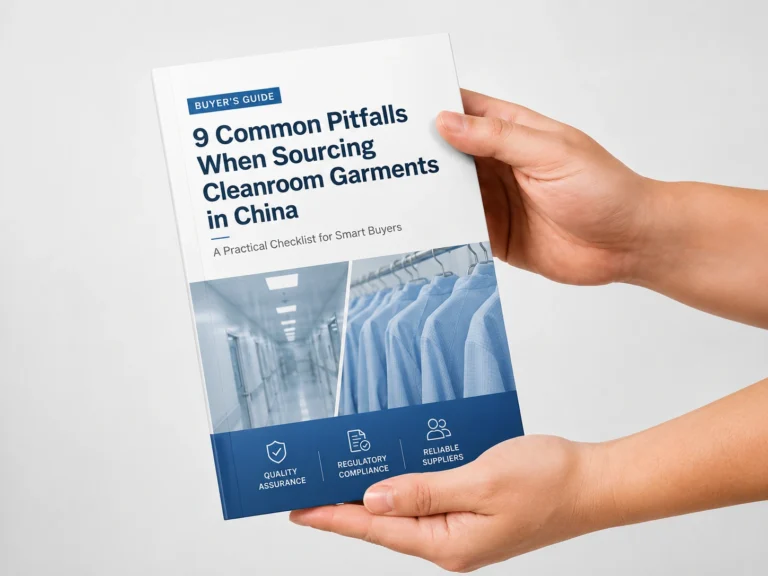
Farbcodierung von Reinraum-Mopps – eine Strategie zur Verhinderung von Kreuzkontaminationen für Einrichtungen mit mehreren Zonen
So implementieren Sie ein farbcodiertes Reinraum-Moppsystem für Einrichtungen mit mehreren Zonen. Umfasst Zonen-zu-Farben-Zuordnung, Integration in Anziehprotokolle, Bedienerschulung und Auditdokumentation.
So prüfen Sie einen Reinraum-Mopp-Lieferanten – eine praktische QS-Checkliste
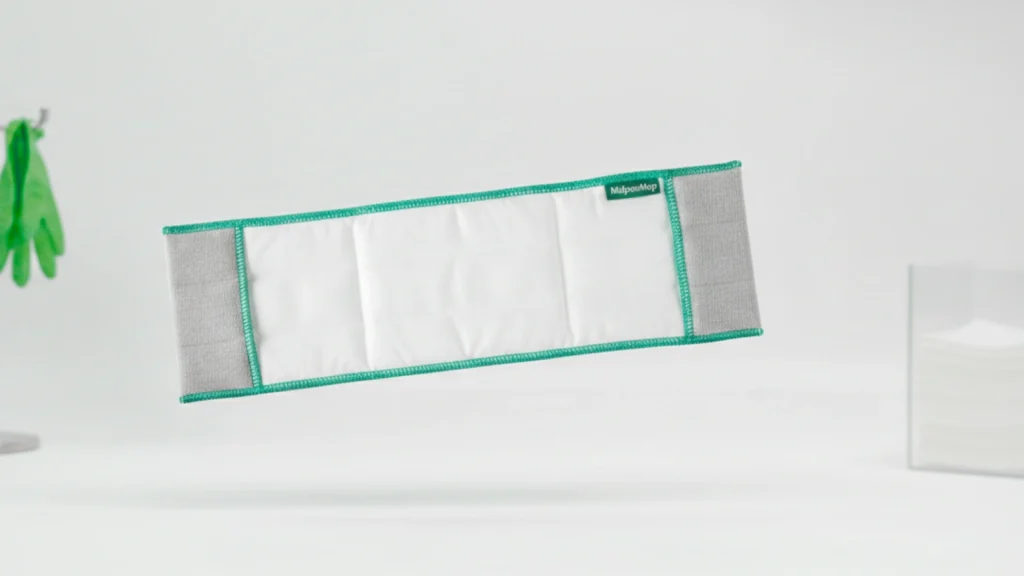
Eine praktische QS-Checkliste zur Prüfung von Reinraum-Mopplieferanten, die sieben Dimensionen von der Herstellungsumgebung bis zur Chargenrückverfolgbarkeit abdeckt — Dazu gehören 33 spezifische Kontrollpunkte, Vorbereitung vor dem Audit und ein Bewertungsrahmen nach dem Audit für B2B-Beschaffungs- und Qualitätsteams.
Validierungsdokumente für Reinraummopps – Was Käufer anfordern sollten und wie sie diese überprüfen können
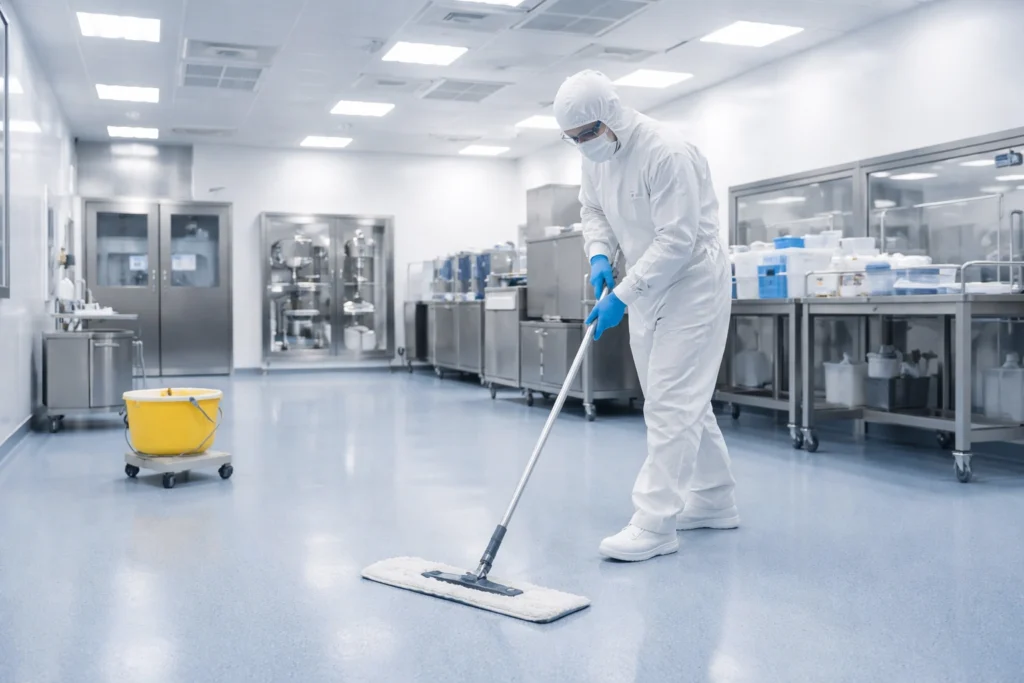
Vollständige Käufer-Checkliste mit Validierungsdokumenten für Reinraum-Mopps: COA, Sterilitätszertifikat, COC, Partikeltestberichte, Materialzertifizierung und Chargenrückverfolgbarkeit. Was Sie anfordern und wie Sie jedes Dokument überprüfen können.
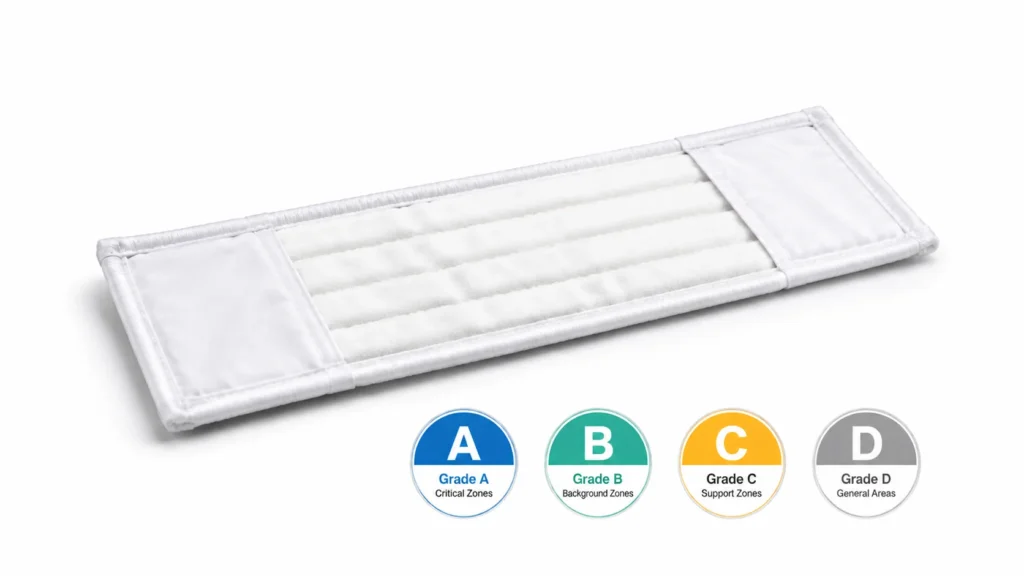
Auswahl von GMP-Reinraummopps – ein stufenweiser Ansatz (A/B/C/D)
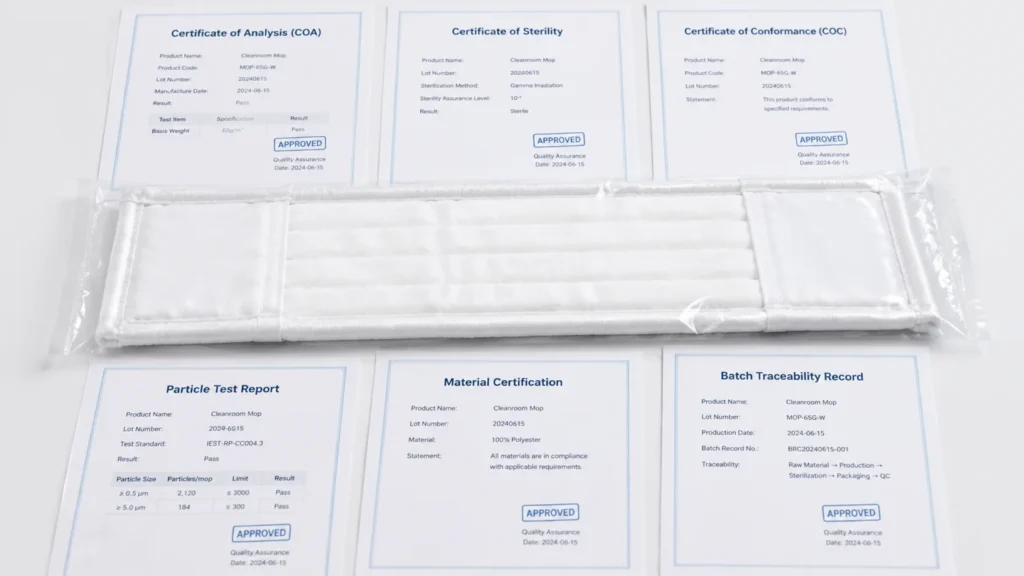
So passen Sie die Spezifikationen von Reinraummopps an die Zonen der GMP-Klassen A/B/C/D an. Deckt Sterilitäts-, Material-, Verpackungs- und Dokumentationsanforderungen für jede Klasse ab. Ein käuferorientierter Auswahlrahmen für Facility Manager und QA-Leiter.
Was ist ein Reinraum-Moppsystem und warum ist es wichtig?
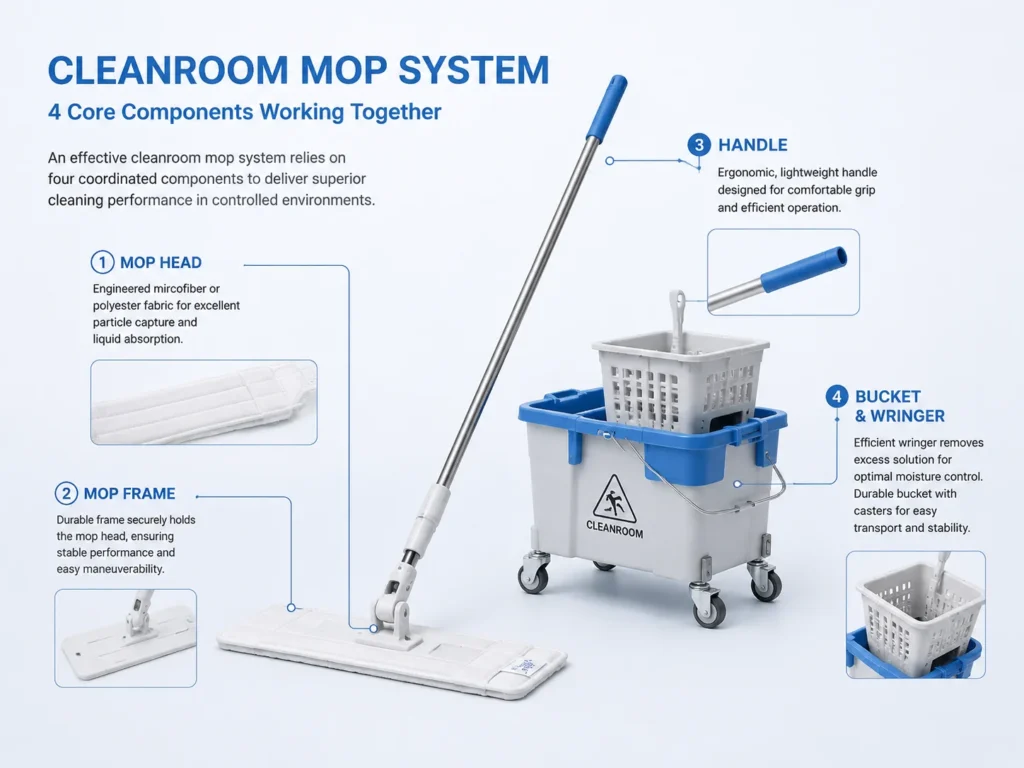
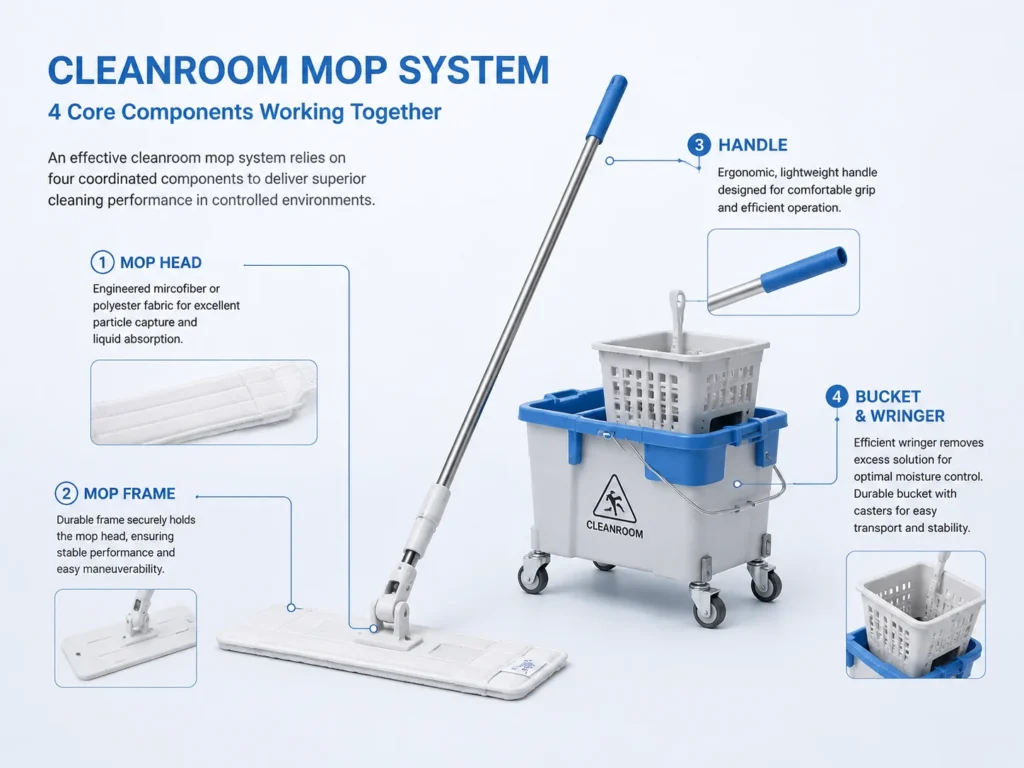
Ein Reinraummopp ist kein eigenständiges Produkt — Es handelt sich um ein integriertes System aus Moppkopf, Rahmen, Griff und Eimer/Wringer. Dieser Definitionsleitfaden erklärt, was ein Reinraum-Moppsystem ausmacht, wie jede Kernkomponente zur Reinigungsleistung und zur Einhaltung gesetzlicher Vorschriften beiträgt und warum das Systemkonzept die Grundlage jeder Beschaffungsentscheidung für Reinraum-Wischtücher ist. Für Erstkäufer, Facility Manager, die auf kontrollierte Umgebungen umsteigen, QA-Teams und Vertriebsteams von Händlern, die sich vor der Bewertung bestimmter Produkte ein grundlegendes Verständnis verschaffen müssen.
Reinraummopps aus Mikrofaser vs. Polyester — Materialeigenschaften, Reinigungsleistung und Kontaminationsrisiko
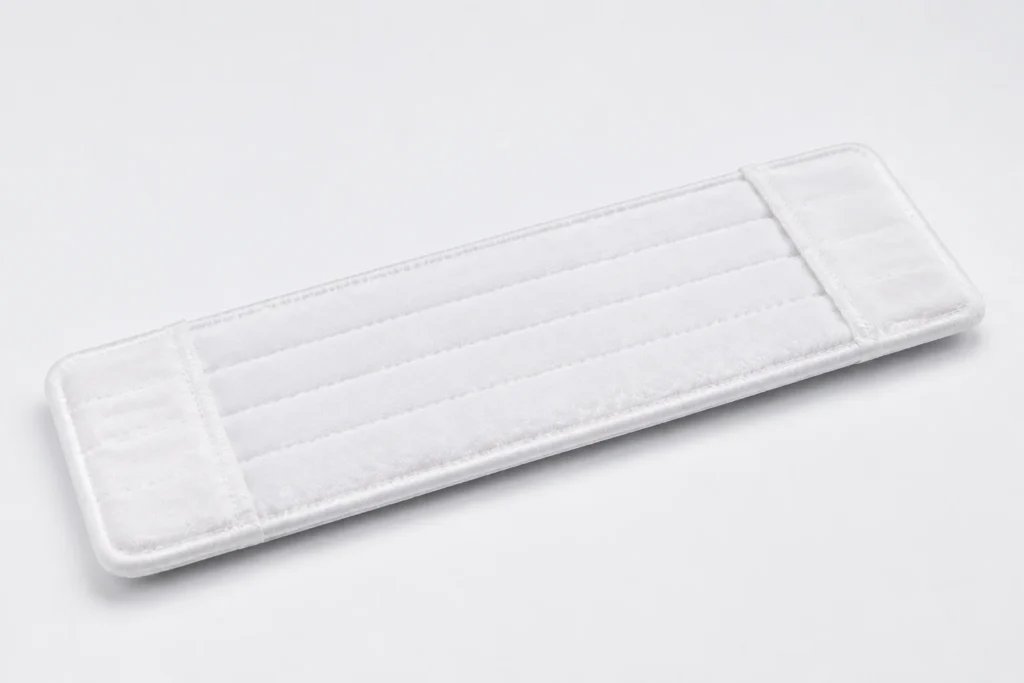
Ein technischer, evidenzbasierter Vergleich von Reinraum-Moppmaterialien aus Mikrofaser (Split-Filament) und Polyester (Endlosfilament-Strick). Behandelt Partikelerzeugungsmechanismen, Saugfähigkeit und Reinigungswirksamkeit, chemische Kompatibilität mit Reinraum-Desinfektionsmitteln, Haltbarkeit bei wiederverwendbaren und Einwegkonfigurationen, Auswirkungen auf die Lebenszykluskosten und einen Entscheidungsrahmen auf Basis der Anlagenklasse. Für QA-Leiter, Reinraum-Facility-Manager, Beschaffungsteams und GMP-Compliance-Beauftragte, die bewerten, welches Material in ihre kontrollierte Umgebung passt.
Steriler Reinraummopp – aseptische Übertragung, Verpackung und Anhang 1-Bereitschaft
Wie bewahren sterile Reinraummopps die Sterilität während des Transports in Zonen der Klasse A/B? Dieser Leitfaden behandelt aseptische Transferverfahren, die Gründe für die Einzel- oder Doppelverpackung, die Überprüfung der Verpackungsintegrität und die EU-GMP-Anhang-1-Anpassung für sterile Reinraum-Verbrauchsmaterialien. Enthält einen schrittweisen Rahmen für aseptische Transferverfahren, eine Checkliste für die Lieferantenbewertung und häufig zu vermeidende Transferfehler.