クリーンルーム汚染防止のための効果的な戦略
Cleanroom contamination prevention is a proactive system. It requires understanding contamination pathways, controlling personnel behavior, selecting low-lint cleaning tools, applying repeatable mopping workflows, monitoring the environment, and keeping documentation ready for QA, CQV, and audit review.
簡単な回答
The most effective cleanroom contamination prevention strategy is to prevent contamination before it spreads: identify contamination pathways, control personnel and materials, use low-lint cleanroom mop systems, separate cleaning zones, verify results with environmental monitoring, and maintain audit-ready records.
1. 洗浄方法を選択する前に汚染経路をマッピングする
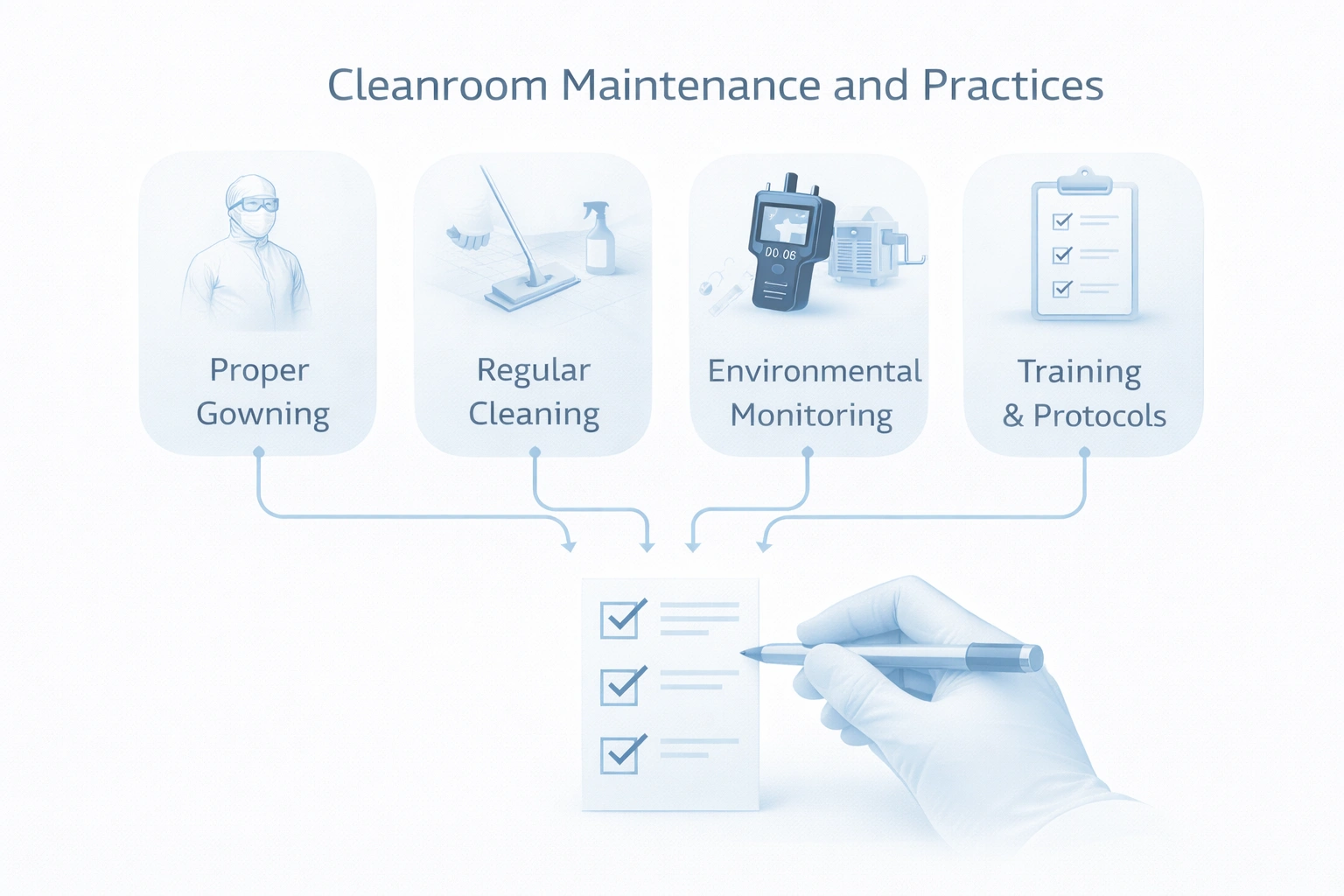
Cleanroom contamination prevention should begin with a pathway analysis. Many facilities focus only on cleaning frequency, but contamination often spreads through personnel movement, material transfer, packaging, wheels, tools, airflow disturbance, and improper cleaning direction.
A preventive program asks where contamination can enter, where it can accumulate, and how it can move from lower-control areas into higher-control zones. Once these pathways are understood, mop systems, SOPs, zoning rules, and documentation can be designed around real risk rather than routine habits.
人々
担当者は皮膚の粒子、繊維、微生物、および手袋に接触した残留物を持ち込む可能性があります。トレーニングとガウンの管理は不可欠です。
材料
包装、カート、カートン、および移送品は、粒子や残留物を管理ゾーンに運び込む可能性があります。 Transfer SOP を定義する必要があります。
掃除道具
不適切なモップヘッド、管理されていない再利用、不十分な工具の保管により、清掃用具が汚染キャリアになる可能性があります。
2. 管理要員、ガウン、および物品の移動
Personnel control is one of the most important prevention strategies because operators interact with rooms, tools, equipment, and materials every day. A strong program should define movement speed, glove sanitation, gowning sequence, material entry, exit flow, and response to contamination events.
予防的な人員管理には以下を含める必要があります。
- ガウンの規律: 段階的なガウンと再資格要件を定義します。
- 動作制御: 不必要な動きを減らし、空気の流れを乱すような素早い動作を避けてください。
- グローブコントロール: 消毒、交換、汚染への対応ルールを定義します。
- 転送制御: SOPに従って、立ち入る前に材料をきれいにするか拭いてください。
- トレーニング記録: オペレーターがクリーンルームの動作要件を理解し、遵守していることを示す証拠を保管します。
このセクションをサポートするには GMP対応クリーンルーム担当者研修 そして クリーンルームガウンの手順と付録 1 への準拠.
3. 一般的な清掃ツールの代わりに、糸くずの出にくいクリーンルーム モップ システムを使用する
A cleanroom mop system is part of the contamination-prevention program. General-purpose mops may shed fibers, retain residues, spread contamination between zones, or lack documentation. In GMP and ISO-controlled areas, the mop system should be selected based on linting risk, absorbency, surface compatibility, sterile status, packaging, and traceability.
| モップ選択係数 | 予防目的 | ベストプラクティスの方向性 |
|---|---|---|
| 糸くずの出にくい構造 | 繊維や粒子の脱落を軽減します | 管理された環境には、認定されたポリエステルまたはマイクロファイバーのモップ オプションを使用してください。 |
| 無菌構成と非無菌構成 | 微生物の侵入リスクを制御 | リスクの高いワークフローや無菌サポートのワークフローには、滅菌モップ オプションを使用します。 |
| 重量と吸収性 | 濡れた接触、残留物の除去、およびオペレーターの取り扱いを制御します | モップの重量をエリアのサイズ、化学物質の量、および表面の種類に合わせます。 |
| フレームとハンドルの互換性 | リーチ、圧力、アタッチメントの安定性を制御します | 床、壁、天井、コーナーには互換性のあるフレームとハンドルを使用してください。 |
| ドキュメントのサポート | QAレビュー、検証、サプライヤー認定をサポート | 仕様、COA リファレンス、バッチ トレーサビリティ、およびテスト文書を利用可能な状態に保ちます。 |
4. ゾーンと表面ごとに予防的モップ掛けワークフローを構築する
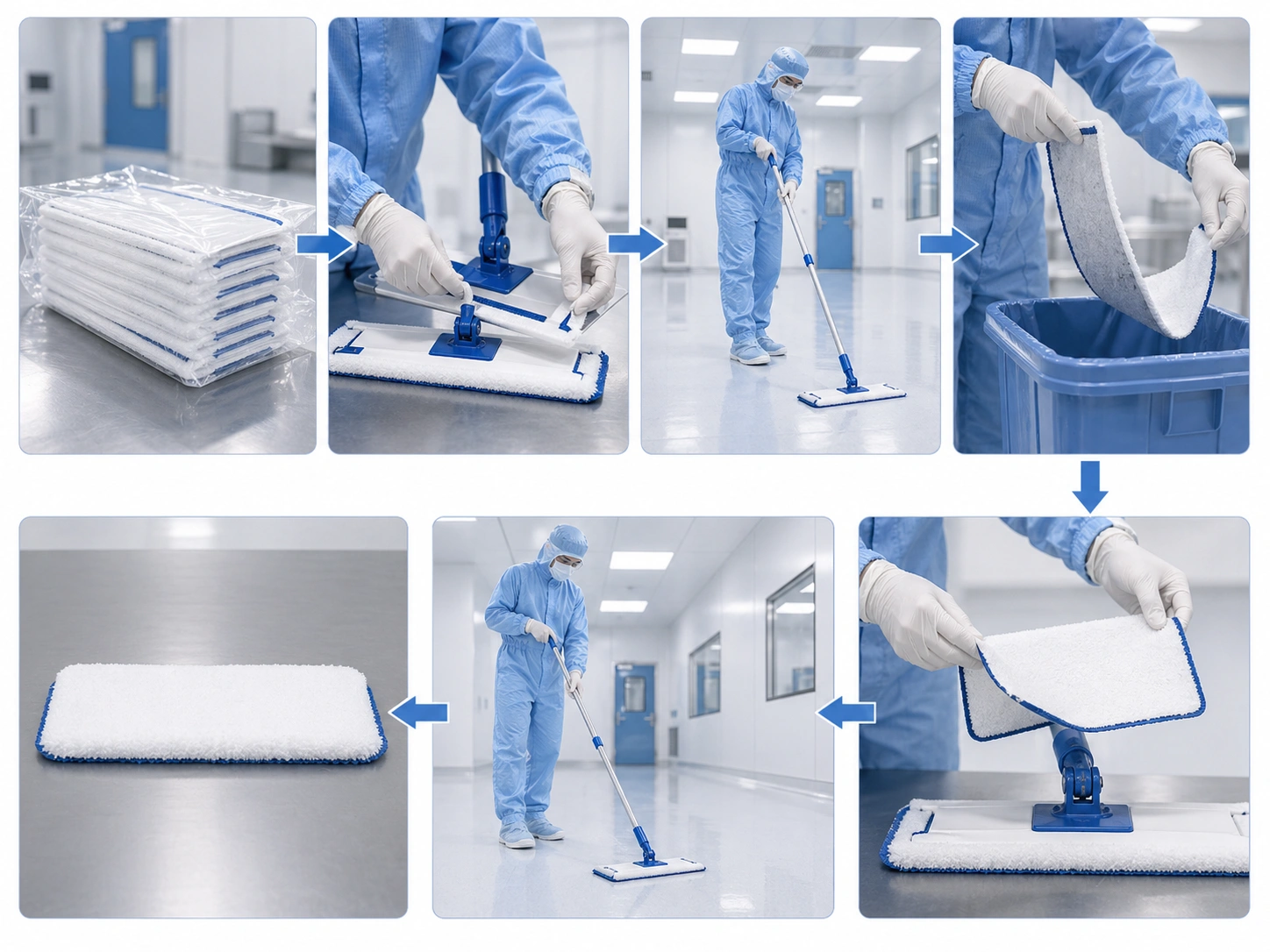
Contamination prevention depends on workflow control. Cleaning the right surface with the wrong sequence can move contamination into cleaner areas. A preventive mopping workflow should define room zoning, tool assignment, mop head change frequency, direction of movement, and cleaning sequence.
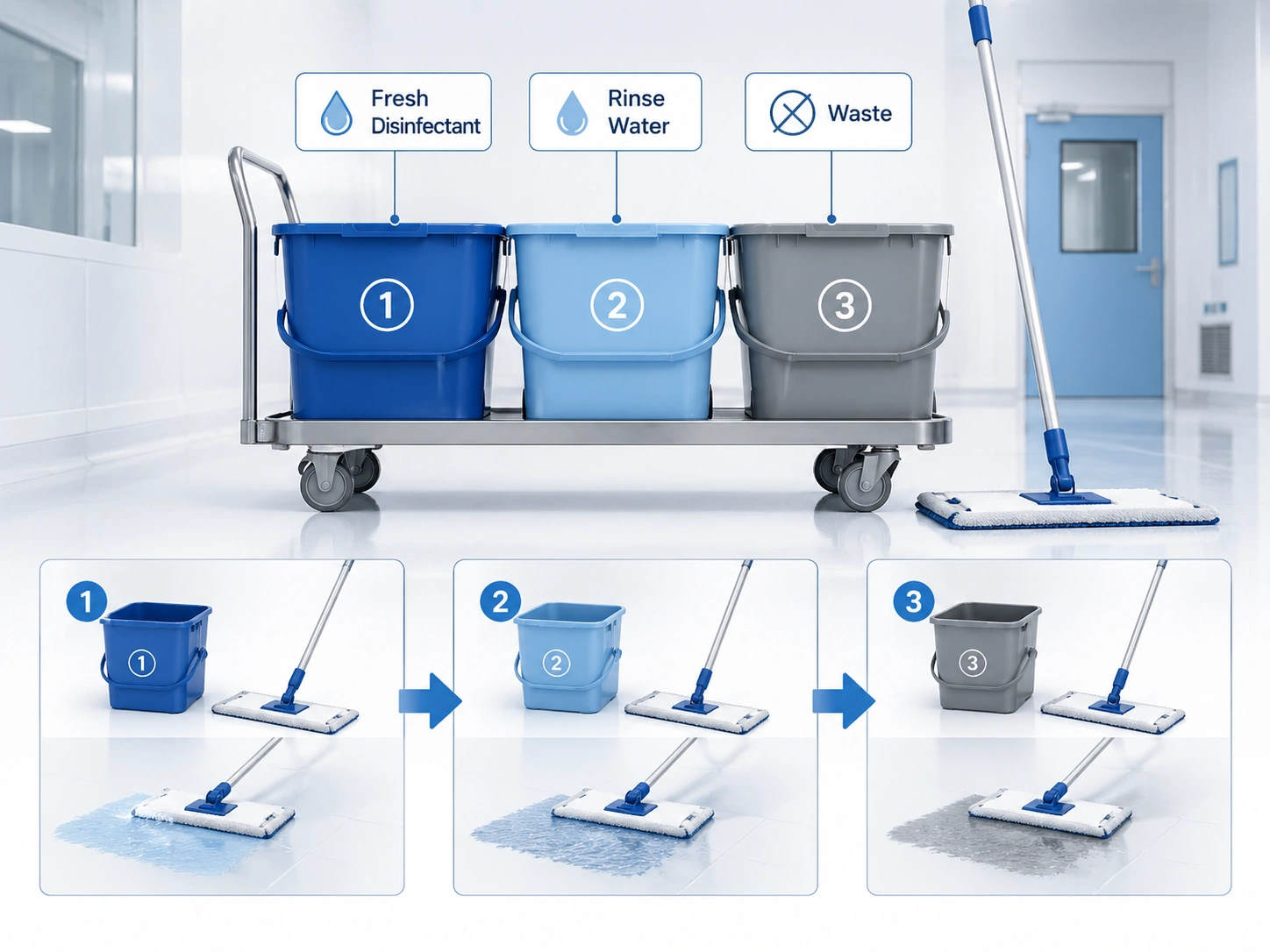
予防的なモップ掛けのワークフロー ルール
- きれいな場所からあまりきれいでない場所まで掃除します。 汚染をよりリスクの高いゾーンに引きずり込まないようにします。
- 定義されたゾーンを使用します。 大きな部屋を、一貫した方向性を持つマップされたセクションに分割します。
- コントロールモップヘッドの交換: エリア、表面、土壌負荷、リスクレベルごとに変更ルールを定義します。
- 領域ごとにツールを分ける: 互換性のないゾーン間での制御されていない相互使用を回避します。
- 各清掃活動を文書化します。 事業者、地域、製品、化学物質、日付、レビューステータスを記録します。
役立つサポート ページには次のものがあります。 クリーンルームモップSOP、 クリーンルームモップフレーム、 そして クリーンルームモップハンドル.
5. 使い捨て、再利用可能、滅菌、および非滅菌のモップロジックを個別に分離する
A prevention-focused program should not treat all mop products the same. Disposable mops can simplify replacement control and reduce reuse-related risks. Reusable systems may be suitable when washing, sterilization, lifecycle control, and documentation are properly validated. Sterile mops may be required where microbial introduction risk is higher.
| モップの種類 | 一次予防の価値 | 共通使用ロジック | 関連リソース |
|---|---|---|---|
| 使い捨てクリーンルームモップ | 再利用と洗浄に関連する不確実性を軽減します | 制御された交換と簡素化されたワークフローが好まれる場合に役立ちます。 | 使い捨てクリーンルームモップ |
| 無菌クリーンルームモップ | 微生物の侵入リスクを軽減します | リスクの高い GMP 管理の洗浄ワークフローに役立ちます。 | 無菌クリーンルームモップ |
| マイクロファイバークリーンルームモップ | 微細な表面接触と液体ハンドリングをサポート | 糸くず、表面、部屋のグレードに基づく認定が必要です。 | マイクロファイバークリーンルームモップ |
| ポリエステル製クリーンルームモップ | 糸くずの少ないクリーニングをサポート | ファイバー制御とクリーンルームへの適合性が優先される場合によく使用されます。 | ポリエステル vs マイクロファイバー クリーンルーム モップ |
6. 環境モニタリングによる予防戦略の検証
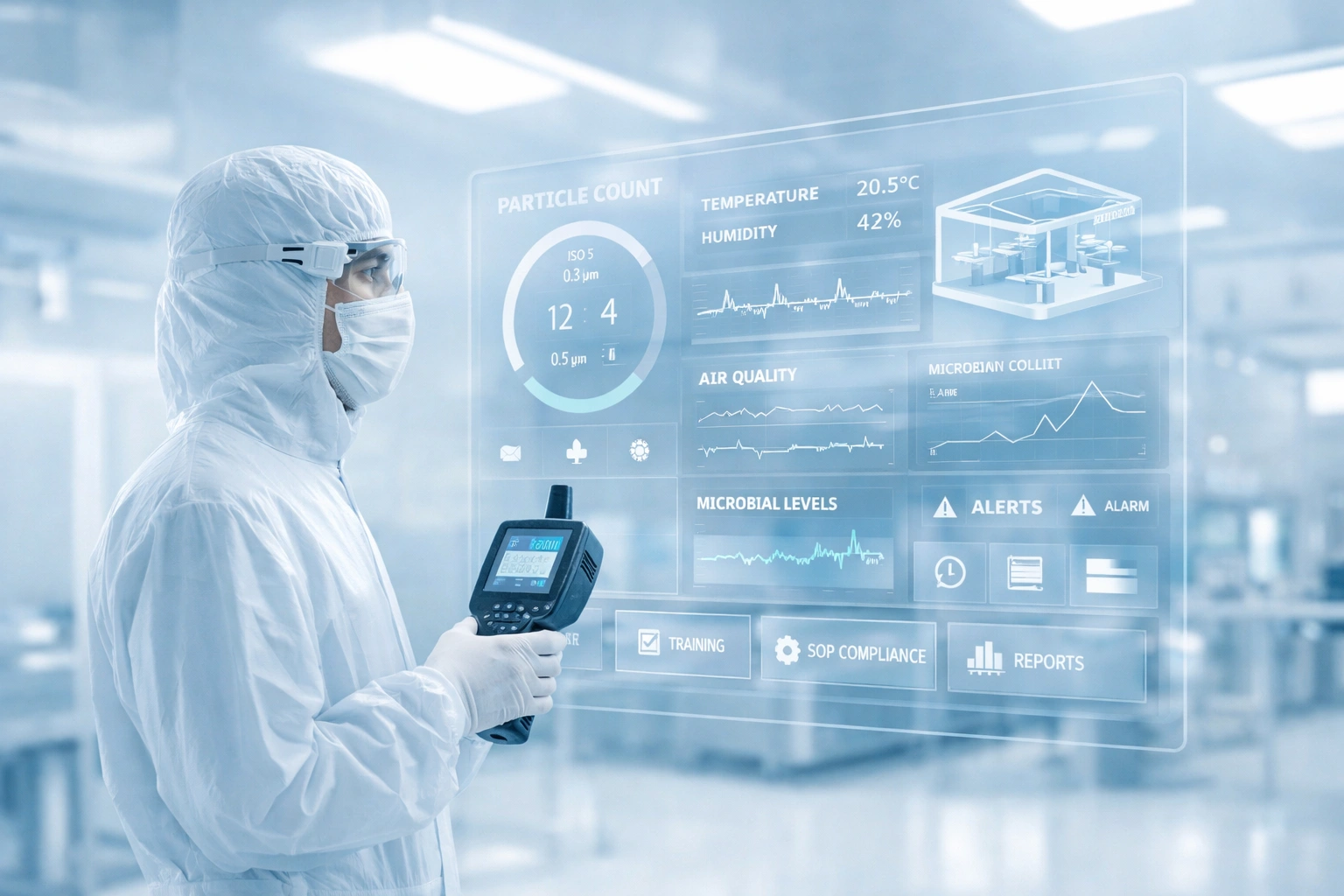
Contamination prevention must be verified over time. Environmental monitoring helps confirm whether personnel controls, mopping workflows, material transfer controls, and tool selection are working as intended. Trends should be reviewed with cleaning logs, deviation records, and CAPA actions.
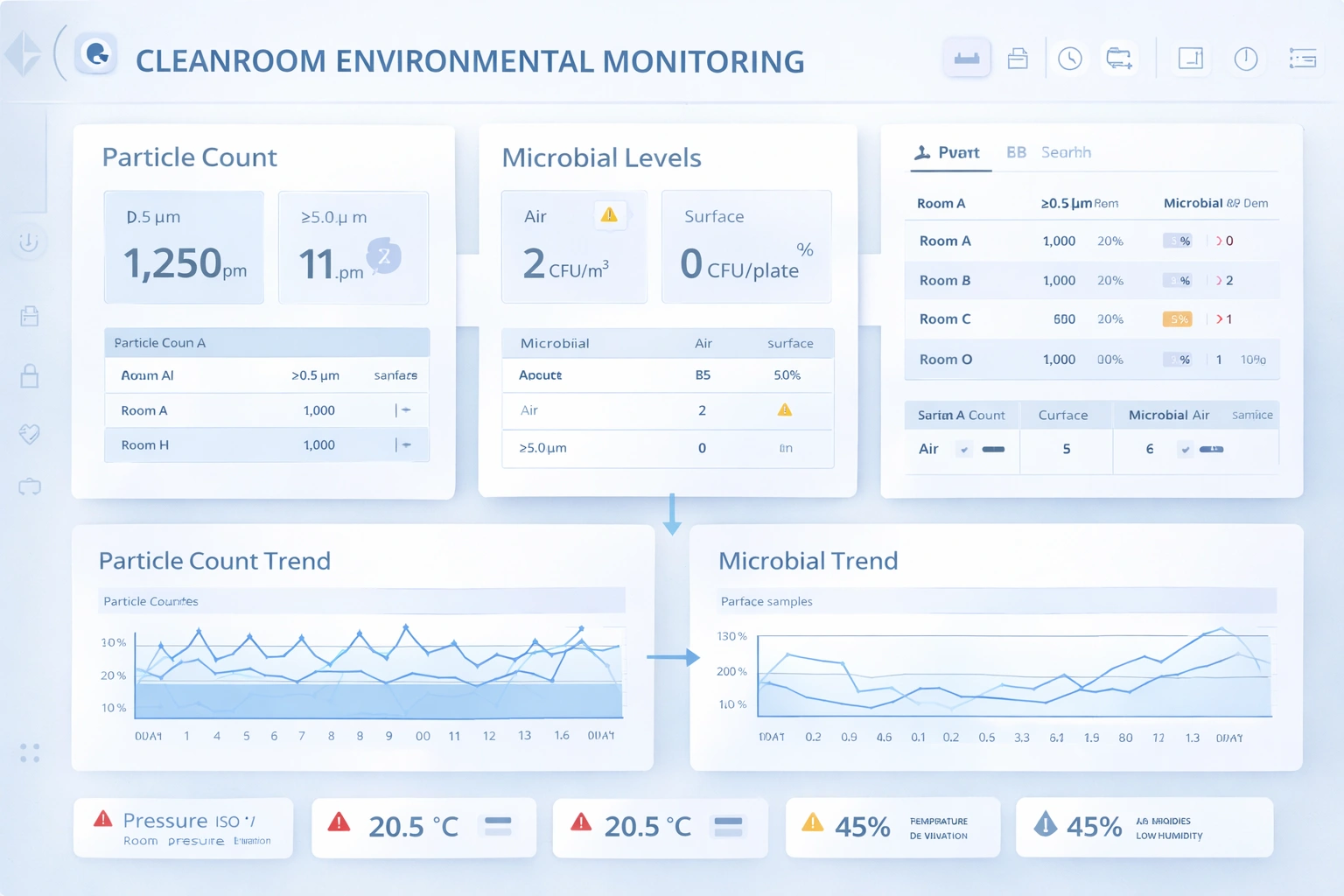
監視データは次のことを答える必要があります。
- 定期的な清掃後の汚染レベルは安定していますか?
- 特定の部屋、シフト、表面、または乗り換えポイントでリスクが繰り返し発生していますか?
- 清掃記録は環境モニタリング結果と一致していますか?
- 逸脱は、担当者の行動、材料、清掃用具、またはワークフローのギャップに関連していますか?
- CAPA アクションには、SOP の更新、再トレーニング、ツールの変更、またはサプライヤーのレビューが含まれますか?
7. QA および監査レビューに備えて予防文書を準備しておく
A contamination-prevention program is stronger when evidence is organized. QA, CQV, and procurement teams need more than a product name. They need documentation showing that the selected mop system is appropriate, traceable, and controlled within the facility’s cleaning program.
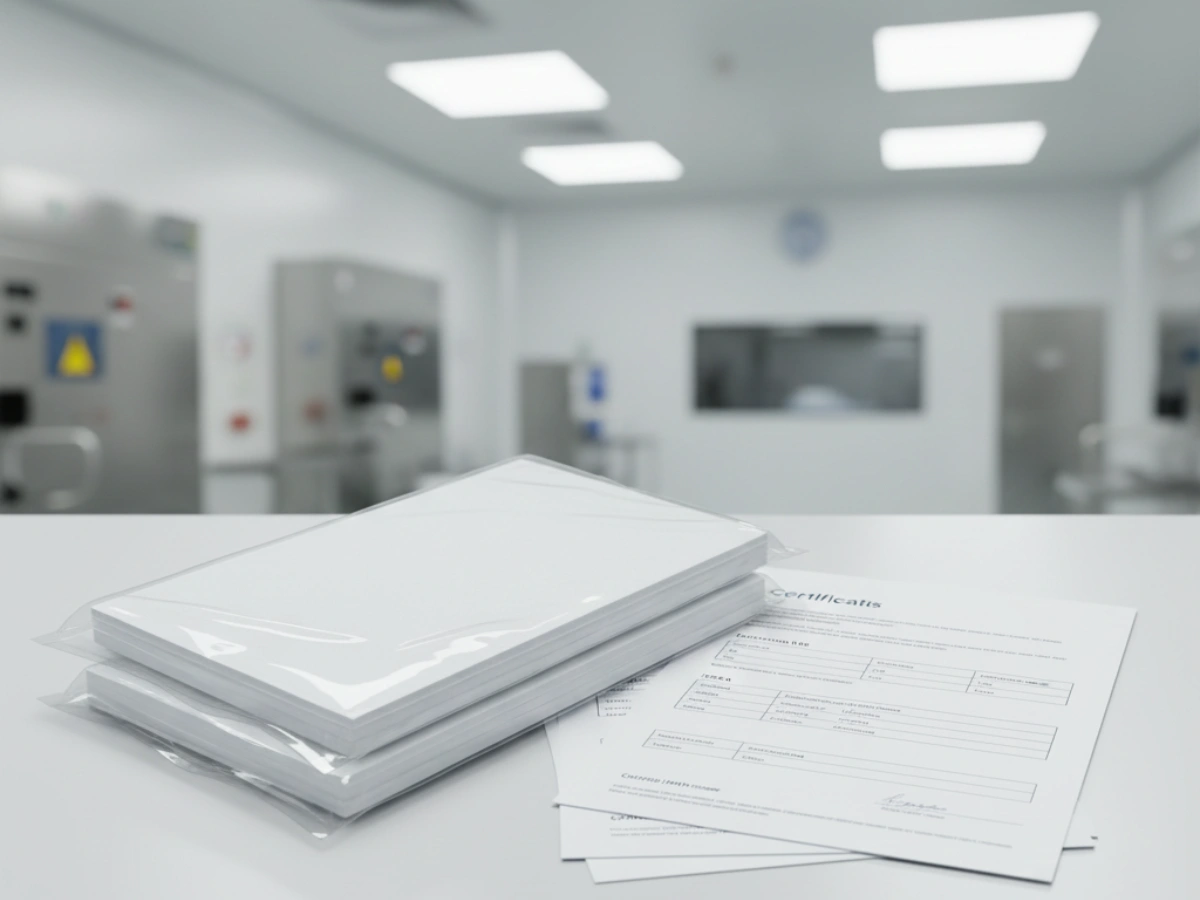
推奨されるドキュメント パッケージ
- クリーンルーム清掃SOPとモップ掛けSOP
- 選択されたクリーンルーム モップ システムの製品仕様書
- 選択したモデルまたはサンプル ロットに応じた COA リファレンスまたはバッチ関連のリリース文書
- 該当する場合、滅菌モップオプションの滅菌サポート文書
- ロットまたはバッチのトレーサビリティ記録
- モップシステムを使用する担当者のトレーニング記録
- 環境モニタリングのトレンドレビュー
- 洗浄または汚染イベントに関連する逸脱および CAPA 記録
サポートページには以下が含まれます クリーンルームモップ検証文書 & COA、 製薬用クリーンルームモップのバッチトレーサビリティ、 そして 医薬品クリーンルームモップのサプライヤーを認定する方法.
8. クリーンルームチーム用の予防チェックリストを作成する
A practical prevention checklist helps operators, QA, and supervisors align on what must be controlled before, during, and after cleaning.
| コントロールポイント | 予防の質問 | 保管すべき証拠 |
|---|---|---|
| 職員 | オペレーターは訓練を受けており、ガウンを正しく着用し、動作ルールに従っていますか? | トレーニングとガウン資格の記録 |
| 材料 | 材料はクリーンルームへの入室手順に従って移送されますか? | 転送ログまたは材料入力記録 |
| モップシステム | モップは部屋のグレード、表面、無菌要件に適していますか? | 仕様、COAリファレンス、バッチトレーサビリティ |
| ワークフロー | 正しいゾーンの順序とモップのパターンに従いましたか? | 清掃ログとSOPチェックリスト |
| 監視 | 環境モニタリングの結果は洗浄戦略を裏付けていますか? | EMトレンドレポート、偏差レビュー、CAPA記録 |
Cleanroom contamination prevention is strongest when contamination pathways are mapped, tools are qualified, workflows are controlled, and every critical action can be supported by documentation.
結論: 回復より予防の方が効果的
Effective cleanroom contamination prevention requires a proactive strategy. Instead of reacting only after failed monitoring results or audit findings, facilities should control the sources, tools, workflows, and documentation that influence contamination risk every day.
Low-lint cleanroom mop systems play an important role in this strategy because they directly affect floors, walls, ceilings, transfer areas, and routine cleaning workflows. When the mop system is matched to the cleanroom grade, sterile requirement, surface type, and documentation needs, it becomes part of a stronger contamination prevention program.
FAQ: クリーンルームの汚染防止
クリーンルームの汚染防止とは何ですか?
Cleanroom contamination prevention is a proactive system that controls how particles, microorganisms, residues, personnel, materials, tools, and cleaning workflows enter or move through controlled environments.
クリーンルームモップシステムが汚染防止に重要なのはなぜですか?
Cleanroom mop systems help control contamination on floors, walls, ceilings, and large surfaces. Low-lint mop systems reduce fiber shedding and support repeatable cleaning workflows when used under a documented SOP.
滅菌クリーンルームモップはいつ使用する必要がありますか?
Sterile cleanroom mops are typically considered for higher-risk GMP-controlled areas, aseptic support workflows, or cleaning tasks where microbial introduction must be minimized and batch-related documentation is required.
環境モニタリングは汚染防止をどのようにサポートしますか?
Environmental monitoring verifies whether the prevention strategy is working over time. Monitoring trends can reveal repeated contamination sources, cleaning gaps, training issues, or material transfer risks.
監査可能な汚染防止プログラムをサポートする文書は何ですか?
Key documents include cleaning SOPs, mopping SOPs, personnel training records, product specifications, COA references, batch traceability, sterilization support documents when applicable, environmental monitoring trends, deviation records, and CAPA reports.
汚染防止のためのクリーンルームモップシステムが必要ですか?
MIDPOSI can help you review low-lint cleanroom mop systems, sterile and non-sterile configurations, documentation support, and sample options for pharmaceutical, biotech, medical device, semiconductor, and laboratory cleanrooms.