クリーンルームの汚染管理プロトコルを理解する
Cleanroom contamination control protocols define how a facility prevents, detects, responds to, and documents contamination risks. In GMP and ISO-controlled environments, a protocol must connect personnel behavior, cleaning SOPs, mop system selection, environmental monitoring, validation records, and QA review.
簡単な回答
A cleanroom contamination control protocol is a documented system that defines contamination risks, cleaning procedures, personnel controls, material transfer rules, mop system requirements, monitoring methods, deviation response, and records needed for QA review and audit readiness.
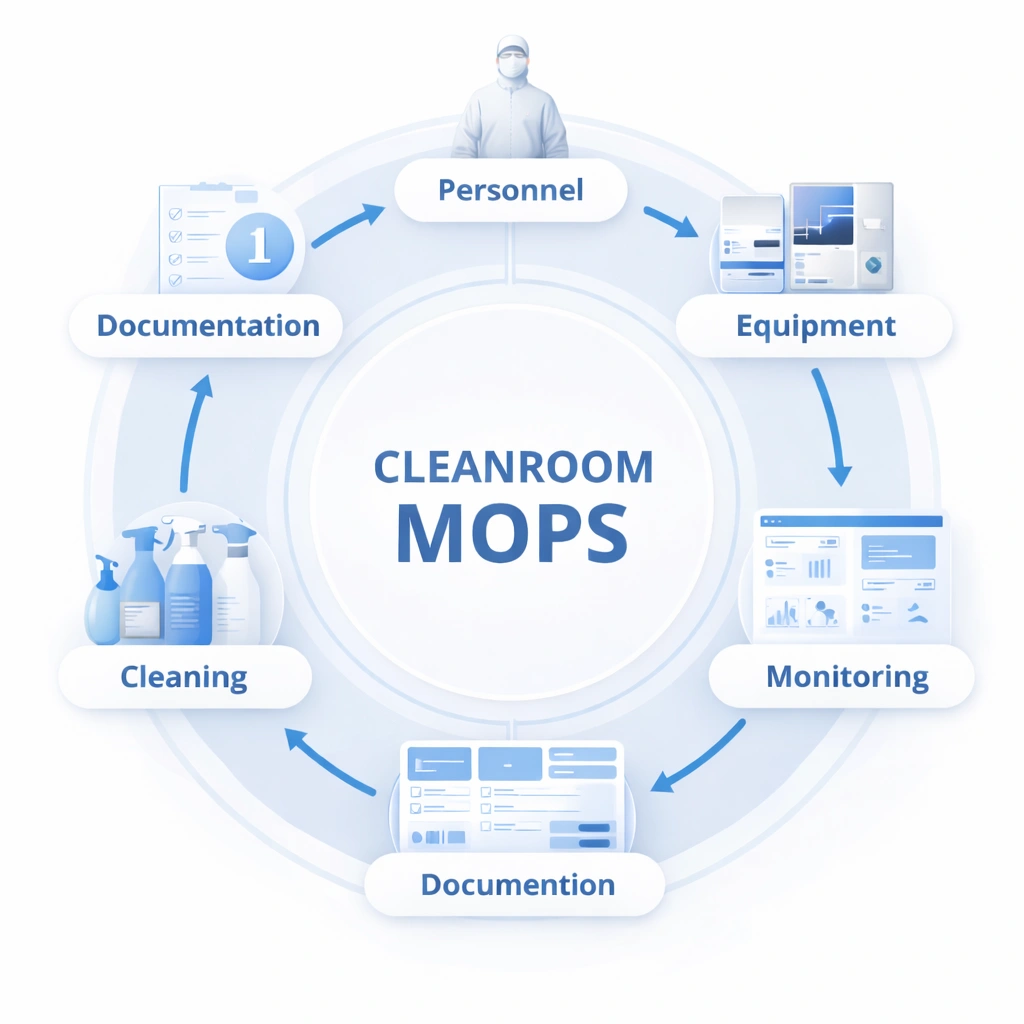
1. クリーンルーム汚染管理プロトコルでは何を定義する必要がありますか?
A cleanroom contamination control protocol is not just a cleaning instruction. It is a documented control framework that explains how contamination risks are identified, controlled, monitored, documented, and reviewed. For GMP and ISO-controlled cleanrooms, the protocol should be practical for operators and strong enough for QA, CQV, supplier qualification, and regulatory audit discussions.
防止
人員、資材、清掃用具、部屋のゾーニング、およびモップ システムが汚染が広がる前にどのように防止するかを定義します。
検証
環境モニタリング、清掃記録、QA レビューによって制御が機能していることを確認する方法を定義します。
応答
逸脱、逸脱、クリーニングチェックの失敗、または監視アラートを調査および修正する方法を定義します。
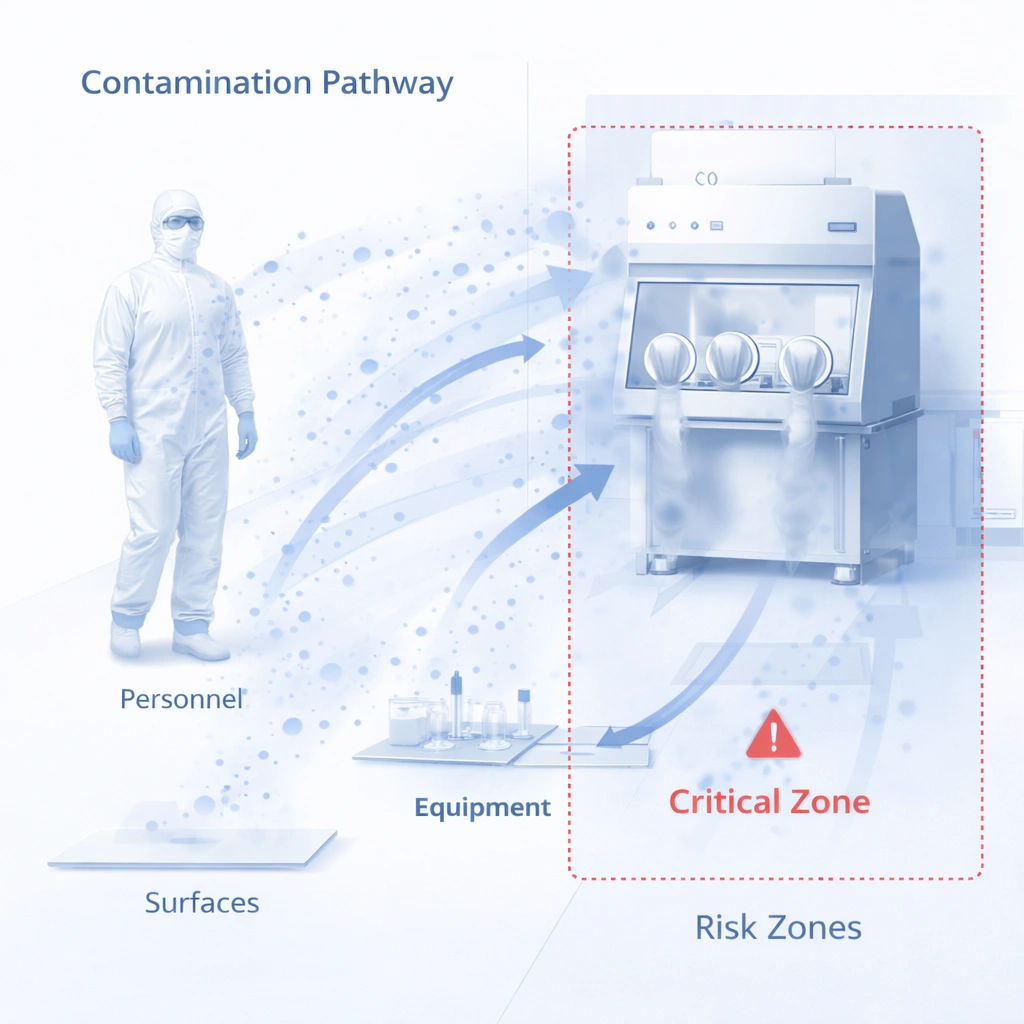
2. プロトコルをクリーンルームの分類およびプロセスのリスクに適合させる
A contamination control protocol should be risk-based. A GMP Grade A/B area, aseptic support room, ISO 5 zone, ISO 7 production room, or ISO 8 support area should not use the same level of cleaning control, mop system requirement, sterile requirement, or documentation package.
| プロトコルエリア | リスクに関する質問 | プロトコル要件 | 推奨される内部リソース |
|---|---|---|---|
| 部屋の分類 | その地域はどの ISO / GMP グレードに基づいて運営されていますか? | 部屋のグレードごとに清掃頻度、ガウンレベル、監視強度を定義します。 | ISO 14644 分類ガイド |
| プロセスリスク | プロセスは無菌ですか、無菌サポートですか、それとも一般的に管理された生産ですか? | 滅菌モップシステム、より強力な移送制御、または追加の QA レビューが必要かどうかを定義します。 | EU GMP 付属書 1 SOP 文書 |
| 清掃範囲 | 床、壁、天井、台車、設備の外装などは含まれますか? | ツールのタイプ、モップヘッド、フレーム、ハンドル、および表面固有のワークフローを定義します。 | クリーンルームモップSOP |
| 監査の準備状況 | 施設はプロトコルが遵守されたことを証明できますか? | SOP、清掃ログ、トレーニング記録、製品仕様、監視記録を維持します。 | GMP クリーンルーム監査の準備方法 |
3. 清掃 SOP とクリーンルーム モップ システム制御を含める
The cleaning section of a contamination control protocol should define how surfaces are cleaned and which tools are approved. In many cleanrooms, mop systems are used for floors, walls, ceilings, and large surfaces, so the protocol must define mop head material, sterile status, replacement frequency, chemical compatibility, and documentation requirements.
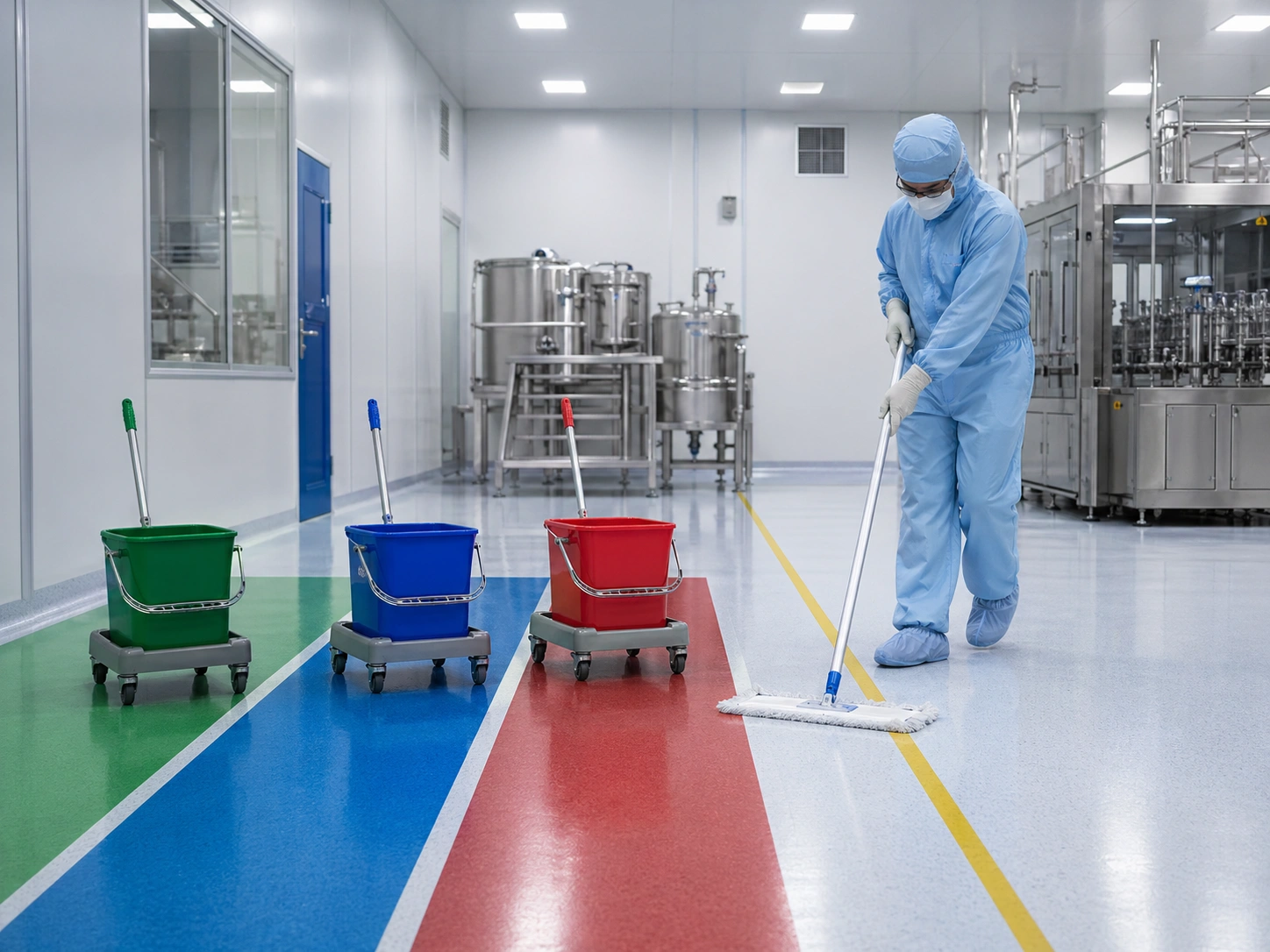
- 承認されたモップシステム: モデル、材質、滅菌/非滅菌ステータス、および対象となるクリーンルームグレード。
- 表面範囲: 床、壁、天井、機器の外装、搬送エリアなど。
- モップパターン: 方向、オーバーラップ、ゾーンシーケンス、パスコントロール。
- モップヘッド交換ルール: エリアサイズ、土壌レベル、部屋のグレード、またはバッチ変更の要件。
- ツールの互換性: フレーム、ハンドル、バケツ、絞り器、消毒剤の互換性。
- 記録: オペレーター、日付、部屋、洗剤、モップのロット、必要に応じて QA レビュー。
4. プロトコルを環境モニタリングに接続する
A contamination control protocol is incomplete without verification. Environmental monitoring helps confirm whether personnel behavior, cleaning workflow, mop system selection, transfer controls, and room operations are maintaining the intended level of control.
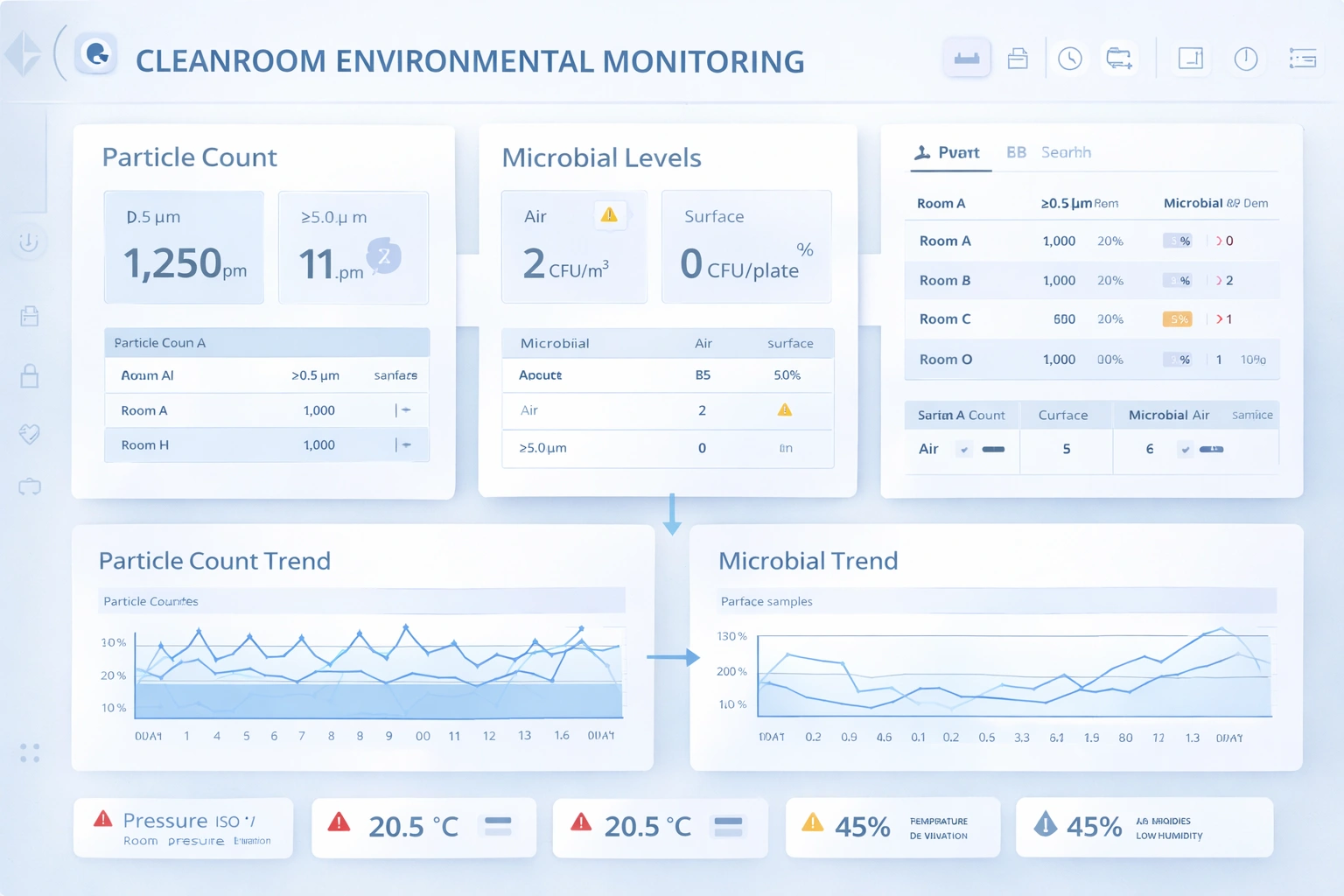
プロトコルでは以下を指定する必要があります。
- 監視場所とサンプリング頻度
- アラートとアクションのレベル
- 地上、空中、人員の監視ロジック
- 傾向データのレビュー頻度
- 清掃記録とモニタリング結果を比較する方法
- 逸脱、調査、CAPA が発動された場合
5. プロトコルを QA、検証、サプライヤー資格に合わせて調整する
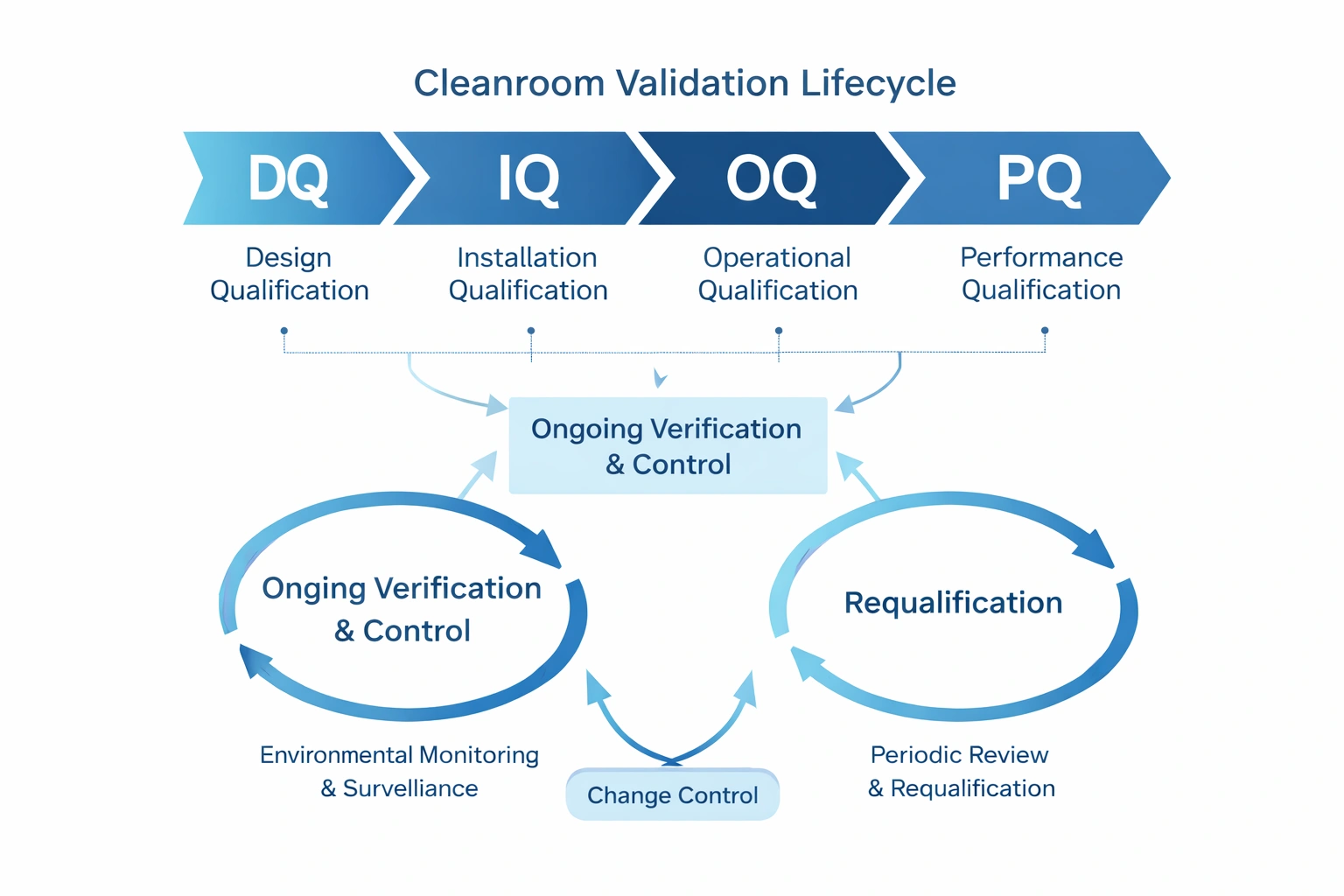
Cleanroom contamination control protocols should be aligned with QA and validation expectations. If a facility uses a mop system, garment system, sterile consumable, or critical cleaning tool, the supplier and product documentation should support qualification and audit review.
| QA / 検証要素 | プロトコルに関する質問 | 維持すべき記録 |
|---|---|---|
| サプライヤー資格 | サプライヤーはGMPクリーンルーム消耗品に適していますか? | サプライヤー情報、製品仕様書、品質文書、監査サポート記録。 |
| 製品認定 | モップ システムは、目的のクリーンルーム グレードとワークフローに適していますか? | 仕様シート、材料データ、滅菌/非滅菌ステータス、COA リファレンス。 |
| 洗浄検証サポート | ツールはSOPで定義されたクリーニング方法をサポートしていますか? | 清掃記録、SOPチェックリスト、環境モニタリング傾向、逸脱履歴。 |
| 監査証跡 | 施設はプロトコルが一貫して遵守されたことを示すことができますか? | トレーニング記録、クリーニングログ、レビュー署名、CAPA記録、バッチトレーサビリティ。 |
役立つ QA および検証ページには次のものがあります。 クリーンルーム IQ/OQ/PQ 資格の説明、 クリーンルーム検証ライフサイクル管理、 そして クリーンルーム認定検証 SOP テンプレート.
6. 逸脱対応、CAPA、プロトコル改善を定義する
A cleanroom contamination control protocol should also explain what happens when control is lost or trending becomes unfavorable. This includes environmental monitoring excursions, repeated cleaning failures, improper gowning, incorrect mop use, unapproved material transfer, or missing cleaning records.
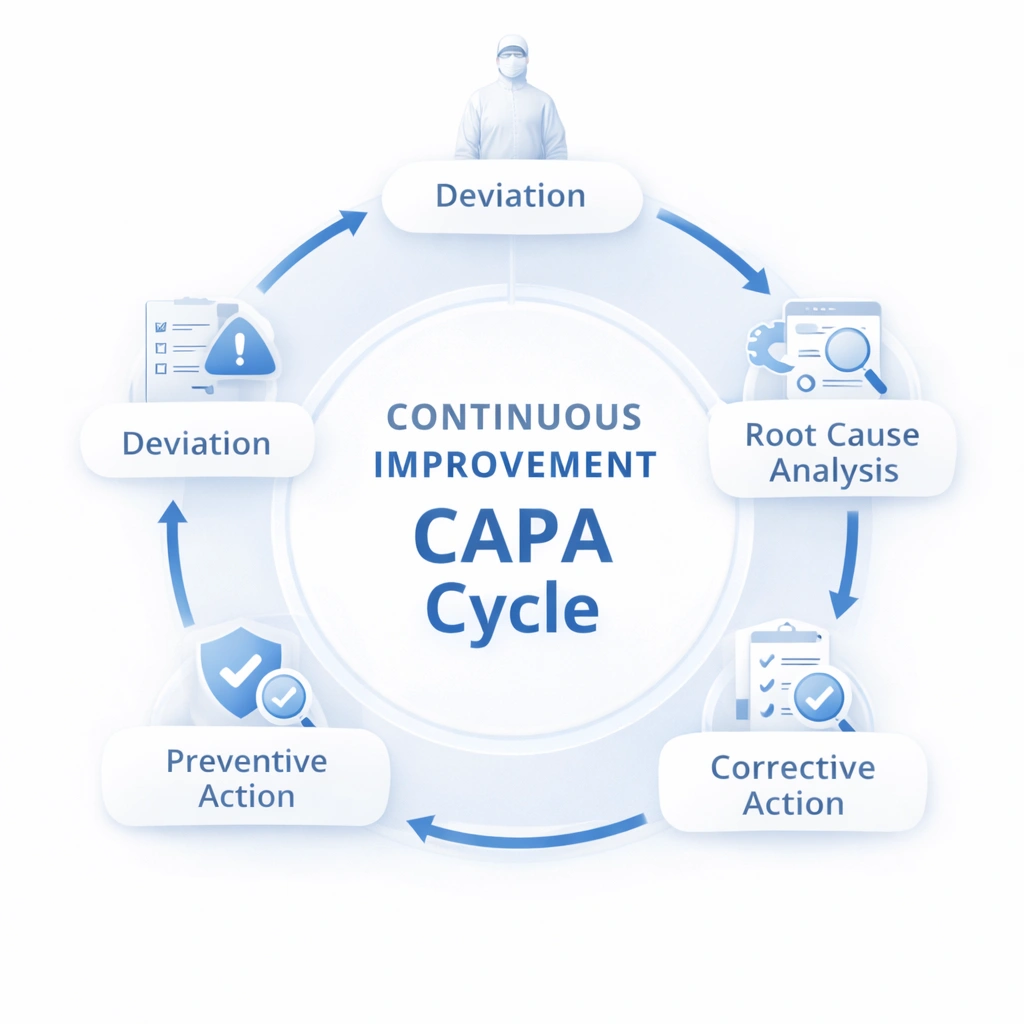
逸脱に対する応答には以下を含める必要があります。
- 即時封じ込めまたは清掃対応
- 影響を受ける領域、製品、プロセス、またはバッチの初期評価
- 根本原因のレビュー: 人員、資材、モップ システム、ワークフロー、消毒剤、または機器
- 是正措置: 再トレーニング、SOP 更新、ツール交換、サプライヤーのレビュー、またはワークフローの変更
- 予防措置: 傾向の検討、モニタリングの調整、またはプロトコルの改訂
- 文書化された証拠による QA の終了
7. クリーンルーム汚染管理プロトコルのチェックリスト
次のチェックリストは、QA、検証、クリーンルーム運用チームがプロトコルが完了しているかどうかを確認するのに役立ちます。
| プロトコルセクション | 必須コンテンツ | 証拠/リンク |
|---|---|---|
| 範囲 | 部屋のグレード、処理エリア、表面の種類、および洗浄の責任 | 部屋区分とエリア一覧 |
| 汚染リスク | 人員、材料、表面、ツール、空気の流れ、および移動のリスク | リスク評価または汚染経路マップ |
| 洗浄方法 | SOP、洗浄順序、消毒剤、モップシステム、交換ルール | 清掃SOPとモップ掛けSOP |
| 監視 | サンプリング場所、頻度、アラート/アクションレベル、傾向レビュー | 環境モニタリング計画 |
| 検証 | サプライヤー資格、製品適合性、IQ/OQ/PQ、またはライフサイクルレビュー(該当する場合) | QA/検証記録 |
| 偏差応答 | 調査、CAPA、再トレーニング、SOP 更新、および終了 | 逸脱およびCAPA記録 |
A strong contamination control protocol is not only a document. It is the operating logic that connects people, cleanroom tools, cleaning workflows, monitoring data, and QA evidence.
結論: プロトコルによりクリーンルームの清掃が管理されたシステムに変わる
Understanding cleanroom contamination control protocols helps facilities move beyond routine cleaning and build a documented, risk-based, audit-ready control system. The protocol should define contamination sources, cleaning methods, personnel controls, mop system requirements, environmental monitoring, validation records, and deviation response.
For cleanroom mop systems, this means the product must fit the room grade, cleaning workflow, sterile requirement, documentation needs, and QA expectations. When the protocol and product selection are aligned, contamination control becomes easier to train, verify, and defend during audits.
FAQ: クリーンルーム汚染管理プロトコル
クリーンルームの汚染管理プロトコルとは何ですか?
It is a documented system that defines how contamination risks are prevented, monitored, investigated, corrected, and recorded in a cleanroom environment.
汚染管理プロトコルには何を含めるべきですか?
It should include scope, room classification, contamination risks, personnel controls, cleaning SOPs, mop system requirements, environmental monitoring, deviation response, CAPA, and documentation records.
クリーンルームモップシステムはプロトコルにどのように適合しますか?
Mop systems should be defined by material, sterile status, surface use, replacement frequency, frame and handle compatibility, disinfectant compatibility, and documentation support.
QA にモップ システムのドキュメントが必要なのはなぜですか?
QA needs documentation to verify product suitability, supplier qualification, lot traceability, sterile status, cleaning records, and audit readiness.
プロトコルはどのくらいの頻度でレビューする必要がありますか?
Protocols should be reviewed when there are monitoring excursions, audit findings, process changes, new cleaning tools, new room classifications, repeated deviations, or scheduled quality system reviews.
クリーンルームプロトコルに関するモップシステムのドキュメントが必要ですか?
MIDPOSI can help you review low-lint cleanroom mop systems, sterile and non-sterile configurations, documentation support, and sample options for GMP and ISO-controlled cleanrooms.