Плоская швабра — это единственный инструмент для уборки. Система швабры для чистых помещений представляет собой интегрированную сборку из головки, рамы, ручки и ведра/отжима, предназначенную для работы в качестве единой платформы для уборки. Это сравнение не касается брендов или материалов.—Речь идет об архитектуре формата продукта и последствиях выбора одного из них для эксплуатации, соблюдения требований и закупок.
Выбор между система швабры для чистых помещений и автономная плоская швабра по сути, это решение о интеграция против независимости. Интегрированная система швабры обеспечивает совместимость компонентов, упрощает документацию СОП и снижает фрагментацию закупок.—ценой более высоких усилий по первоначальной спецификации. Автономная плоская швабра обеспечивает простоту покупки и гибкость замены.—ценой риска совместимости, пробелов в документации и более высокой нагрузки на операционную координацию, когда компоненты поставляются независимо.
| Измерение решения | Интегрированная система швабры | Автономная плоская швабра |
|---|---|---|
| Совместимость компонентов | Гарантия — все компоненты созданы для совместной работы. | Пользователь должен проверять и управлять |
| Контроль перекрестного загрязнения | Проектирование на уровне системы поддерживает разделение зон | Зависит от дисциплины пользовательского протокола |
| СОП-документация | Спецификация единой системы = более чистая документация | Несколько номеров деталей для каждой позиции по очистке |
| Сложность закупок | Один поставщик, одна спецификация системы | Потенциально несколько поставщиков, несколько SKU. |
| Гибкость замены | Привязано к семейству систем | Каждый компонент может быть заменен независимо |
| Первоначальная установка | Высшее — требуется выбор и испытание системы | Нижний — купить и развернуть |
| Ясность аудиторского следа | Один системный комплект документов | Фрагментировано по источникам компонентов |
Короткий ответ: Если ваше предприятие работает в соответствии с GMP Grade A/B или ISO 5–6 простота документации по средам и значениям и совместимость компонентов, интегрированная система швабры обычно обеспечивает более строгий оперативный контроль. Если ваше предприятие работает в соответствии с классом C/D или ISO 7–8 сред с более простыми протоколами очистки, и вы отдаете предпочтение простоте первоначальной покупки, автономная плоская швабра может быть достаточно—при условии, что у вас есть внутренние процессы для управления совместимостью компонентов и документацией.
Система швабры для чистых помещений – это интегрированная сборка насадки для швабры, подходящей для чистых помещений, совместимой рамы, специальной ручки и (для протоколов влажной уборки) ведра и системы отжима.. В отличие от отдельной плоской швабры—по сути, это насадка для швабры, которую пользователь соединяет с любой доступной рамкой и ручкой.—системный подход рассматривает очистку как комплексную инструментальную платформу, где каждый компонент определен, протестирован и документирован для совместной работы с другими.
Ключевое отличие состоит в том, что в системе совместимость компонентов задумана, а не импровизирована после покупки. Размеры кармана для насадки швабры соответствуют ширине рамы. Механизм крепления рамы разработан для конкретного соединителя ручки. Размеры ведра и отжима соответствуют размеру насадки швабры и геометрии рамы. Изменение любого отдельного компонента может повлиять на производительность на уровне системы.—Вот почему концепция системы важна для очистки в контролируемой среде, где важны повторяемость и документирование.
Для более глубокого определения того, что представляет собой система швабры для чистых помещений, включая разбивку по компонентам и соответствие требованиям GMP, см. Обзор системы швабры для чистых помещений. Подробнее о формате плоской швабры см. Обзор системы плоской швабры для чистых помещений.
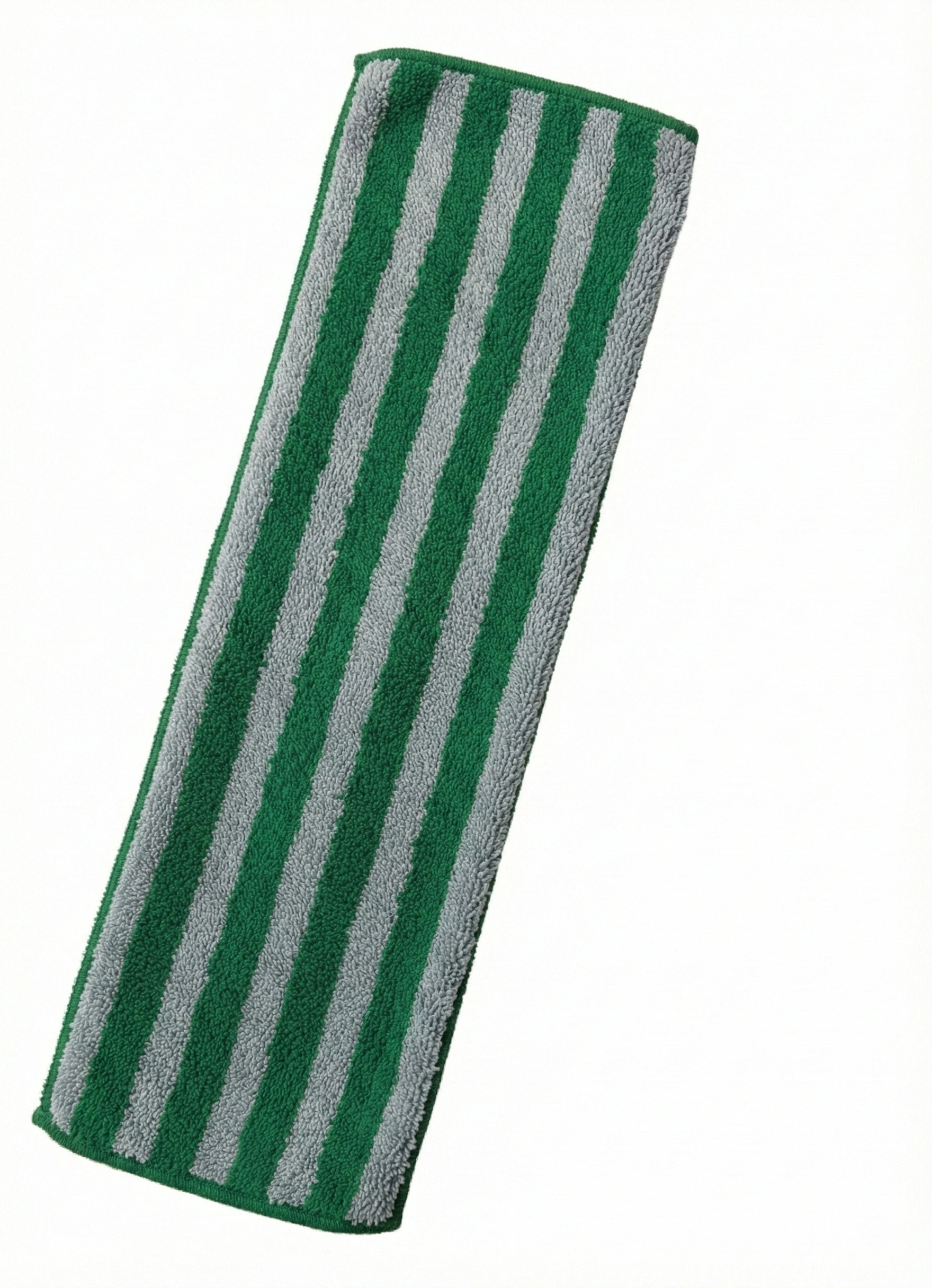
Плоская швабра в контексте чистых помещений — это прямоугольная насадка для швабры, предназначенная для крепления к плоской раме и ручке. Это рабочая поверхность, которая во время уборки соприкасается с полом, стеной или потолком. Плоская насадка швабры обычно представляет собой тканевую подушечку.—полиэстеровый трикотаж или микрофибра—с карманом или системой ремней для крепления к раме.
При покупке как отдельный продукт (не является частью системы), плоская швабра поставляется только в виде насадки. Покупатель несет ответственность за приобретение рамы, ручки и ведра/отжимателя отдельно.—от одного и того же поставщика или от разных поставщиков. Это дает покупателю максимальную свободу, но и максимальную ответственность за проверку совместимости.
Это не значит, что отдельные плоские швабры по своей сути являются проблематичными. Во многих учреждениях эффективно используются автономные плоские швабры. Дело в том, что автономный подход переносит проверку совместимости и сбор документации от поставщика к покупателю. Для некоторых учреждений эта дополнительная нагрузка по координации вполне выполнима. Для других, особенно тех, которые работают под пристальным вниманием регулирующих органов, системный подход исключает переменные, которые могут усложнить аудит и управление СОП.
Следующие пять аспектов представляют собой области, в которых выбор между интегрированной системой и автономными плоскими швабрами создает эксплуатационные различия. Каждый параметр имеет свой вес в зависимости от типа вашего предприятия, нормативной базы и внутренних возможностей.
Размеры кармана для насадки швабры, ширина рамы и механизм крепления, тип разъема ручки, а также размеры ведра/отжималки указаны в таблице. спроектирован как согласованный набор. Поставщик проверяет, что все компоненты работают вместе на размерном и функциональном уровне, прежде чем система будет указана. Когда приходит время повторного заказа, покупатель ссылается на одну спецификацию системы, а не на несколько отдельных номеров деталей.
Это важно, потому что несовместимость невидима до тех пор, пока она не вызовет проблемы: насадка швабры, которая соскальзывает с рамы во время уборки, ручка, которая не надежно фиксируется на раме, или ведро, которое слишком узкое, чтобы рамка могла поместиться в механизм отжима. В контексте чистых помещений эти сбои представляют собой события загрязнения, а также потери производительности.
Если компоненты приобретаются самостоятельно, покупатель становится менеджером по совместимости. Плоская насадка швабры из одного источника должна быть проверена на соответствие рамке из другого источника, которая, в свою очередь, должна соответствовать ручке из третьего источника. Допуски размеров, совместимость материалов и механизмы крепления должны быть перепроверены.
На практике команды по закупкам часто по умолчанию выбирают одного поставщика всех компонентов, даже при покупке плоских швабр, что фактически создает систему. Разница в том, что при использовании автономных плоских швабр проверка совместимости является обязанностью покупателя, а не гарантией поставщика..
Когда этот размер имеет решающее значение: Предприятия с ограниченными возможностями внутренней технической оценки или предприятия, где неисправности чистящих инструментов сопряжены с высоким риском загрязнения, получают выгоду от встроенной гарантии совместимости системного подхода. Видеть Типы и выбор насадок швабры для чистых помещений для понимания того, как конструкция головки влияет на совместимость рамы.
Интегрированная система позволяет разделение зон на уровне системы. Учреждение может указать одну полную систему для зон класса A/B, другую систему (или вариант той же системы с цветовой кодировкой) для зон класса C и еще одну для зон поддержки класса D. Поскольку каждая система представляет собой согласованный комплект, нет риска, что в раме из одной зоны случайно окажется насадка для швабры из системы другой зоны.
Цветовое кодирование на уровне системы—где насадка, рамка и ручка швабры совпадают по цвету—обеспечивает уровень визуального контроля перекрестного загрязнения, которого сложнее достичь с помощью компонентов, полученных из независимых источников от нескольких поставщиков.
Разделение зон с помощью автономных компонентов полностью зависит от операционная дисциплина. Плоская насадка швабры, приобретенная для зоны класса A, может физически помещаться на раму, используемую в зоне класса C, если оператор не соблюдает процедуры хранения и использования компонентов для конкретной зоны. Цветовое кодирование можно реализовать с помощью плоских швабр, но для этого требуется возможность закупать компоненты подобранного по цвету потенциально от нескольких поставщиков, что усложняет закупки.
Риск перекрестного загрязнения при использовании отдельной плоской швабры контролируется СОП, а не проектированием системы. Это достижимо, но требует более строгого процедурного контроля и обучения операторов.
Когда этот размер имеет решающее значение: Фармацевтические предприятия, производящие многопродуктовую продукцию, предприятия, работающие с сильнодействующими соединениями, а также предприятия, где загрязнение между зонами является основной проблемой регулирования, извлекают выгоду из встроенной возможности системного подхода по сегрегации.
Если вся система швабры указана как единое целое, в СОП по уборке упоминается один системный идентификатор, а не четыре-шесть отдельных номеров деталей. Это упрощает разработку СОП, обучение операторов и аудит. Аудитор, просматривающий СОП по уборке, видит: «Используйте систему швабры X для зоны Y».—четкие, отслеживаемые и связанные с единым набором подтверждающих документов.
Если спецификация системы изменяется (например, принимается новый материал насадки швабры), обновление СОП ссылается на изменение системы.—одно обновление, одна редакция документа, одно обновление обучения.
Использование отдельной плоской швабры обычно приводит к составлению СОП по уборке, в которой перечислены отдельные номера деталей для насадки швабры, рамы, ручки и ведра. Если они поступают от разных поставщиков, СОП также должна ссылаться на несколько наборов документов поставщиков. При изменении любого отдельного компонента СОП необходимо обновить. Когда несколько компонентов изменяются в разное время, отслеживание изменений СОП становится более сложным.
Эта дополнительная сложность поддается управлению, но требует дополнительных усилий по управлению СОП, обучению операторов и подготовке к аудиту.
Когда этот размер имеет решающее значение: Предприятия с частыми циклами проверки СОП, небольшими группами контроля качества или нормативно-правовой средой, где полнота документации тщательно проверяется, сочтут простоту документации системного подхода значимым эксплуатационным преимуществом.
Закупки осуществляются на системный уровень. Покупатель квалифицирует одного поставщика для всей системы. Изменение порядка — это одно действие, ссылающееся на спецификацию системы. Управление запасами отслеживает насадки для швабр как расходные материалы в известном системном контексте.
Компромисс привязка к поставщику. Компоненты системы предназначены для совместной работы, и при смене поставщика компонентов может потребоваться повторная проверка всей системы. Это снижает гибкость поставщиков в обмен на простоту закупок.
Отдел закупок может оптимизировать каждый компонент независимо. Насадки для швабр от Поставщика А, рамы от Поставщика Б, ручки от Поставщика С—каждый выбран по своему усмотрению. Это обеспечивает максимальная гибкость поставщика и возможность сменить любого поставщика компонентов, не затрагивая других.
Компромисс сложность закупок. Для каждого компонента требуется собственная квалификация поставщика, собственный процесс заказа на поставку и собственный учет запасов. Аудит, касающийся инструментов для очистки, возможно, потребует проверки документации от нескольких поставщиков, а не от одного.
Когда этот размер имеет решающее значение: Предприятия с экономичными отделами закупок или предприятия, стремящиеся консолидировать отношения с поставщиками для повышения эффективности аудита, обычно предпочитают системный подход. Предприятия с налаженными процессами закупок у различных поставщиков и внутренними возможностями управления совместимостью компонентов могут счесть целесообразными автономные плоские швабры.
Системный подход часто предполагает более высокая стоимость компонента за единицу на этапе спецификации, но более низкие эксплуатационные накладные расходы через некоторое время. Преимущество в стоимости возникает за счет:
Эта операционная экономия реальна, но часто не поддается количественной оценке при простом сравнении закупочной цены.
Автономные плоские швабры могут иметь более низкая цена покупки за единицу потому что покупатель может получить каждый компонент от наиболее конкурентоспособного поставщика. Насадки для швабр—самый объемный расходный материал—могут иметь конкурентоспособную цену, если они не включены в системную спецификацию.
К скрытым компонентам затрат относятся: труд по проверке совместимости, управление фрагментированной документацией, повышенная частота пересмотра СОП при независимом изменении компонентов, а также эксплуатационные расходы в случае несоответствия компонентов. Эти затраты реальны, но часто включаются в общие операционные накладные расходы и не относятся к модели закупок чистящих средств.
Когда этот размер имеет решающее значение: Чистое сравнение закупочной цены отдает предпочтение автономным плоским швабрам. Сравнение совокупной стоимости владения, включающее документацию, управление совместимостью и риск несоответствия, часто благоприятствует системному подходу.—особенно в регулируемых средах, где документация и готовность к аудиту влекут за собой реальные эксплуатационные расходы.
| Измерение | Интегрированная система швабры | Автономная плоская швабра |
|---|---|---|
| Совместимость компонентов | Гарантия дизайна | Управляемый пользователем |
| Контроль перекрестного загрязнения | Разделение зон на уровне системы | зависит от СОП |
| СОП-документация | Одна системная ссылка | Несколько номеров деталей |
| Сложность закупок | Простота единого источника | Гибкость использования нескольких источников |
| Общая стоимость владения | Снижение эксплуатационных накладных расходов | Более низкая цена за единицу |
Выбор между встроенной шваброй и автономными плоскими швабрами не делается на пустом месте.—он составлен с учетом классификации чистых помещений вашего предприятия, нормативной базы и требований протокола уборки. Следующие рекомендации структурированы по классам GMP и классам ISO.
| Уровень объекта | Класс ISO | Рекомендуемый формат | Обоснование |
|---|---|---|---|
| GMP класс А | ИСО 5 | Интегрированная система | Зоны асептического розлива требуют максимального контроля документации, минимального вмешательства оператора и проверенной совместимости компонентов. Системный подход соответствует ожиданиям Приложения 1 в отношении документированных интегрированных стратегий контроля загрязнения. |
| GMP класс Б | ISO 5 (в покое) / ISO 7 (в работе) | Интегрированная система | Предыстория зон класса А. Чистящие средства, используемые в классе B, напрямую влияют на экологический риск класса A. Документация и совместимость на уровне системы уменьшают количество переменных, которые могут повлиять на целостность зоны класса А. |
| GMP класс C | ISO 7 (в покое) / ISO 8 (в работе) | Предпочтительная система; Плоская швабра заслуживает оценки | Менее строгие требования к контролю загрязнения. Можно использовать автономные плоские швабры, если на предприятии установлены СОП и процессы проверки совместимости. Системный подход по-прежнему дает преимущества документирования, но не является строгим требованием. |
| GMP класс D | ISO 8 (в состоянии покоя) | Плоская швабра заслуживает оценки; Система опционально | Автономные плоские швабры широко используются в средах класса D, где риск совместимости чистящих инструментов ниже и простота приобретения может иметь приоритет. Системный подход не является обязательным, но его все же можно выбрать для обеспечения совместимости с зонами более высокого уровня. |
Эти рекомендации носят направленный, а не предписывающий характер. Предприятие, работающее исключительно в классе C/D, с хорошо зарекомендовавшими себя СОП и возможностями внутренней технической оценки, может эффективно использовать автономные плоские швабры. И наоборот, предприятие, работающее в классах от A до D, может стандартизировать интегрированную систему для всех зон, чтобы обеспечить согласованность документации. Рекомендации по выбору инструментов для очистки, отвечающие требованиям GMP, для конкретного предприятия см. в нашей статье швабра для чистых помещений для объекта GMP.
Не каждое учреждение должно придерживаться исключительно одного формата во всех зонах. А гибридный подход—интегрированная система для критических зон, автономные плоские швабры для опорных зон—— это практическая модель, используемая на многих многоцелевых объектах.
Класс A/B, асептический розлив, стерильные производственные помещения, где полнота документации и совместимость компонентов не подлежат обсуждению. Используйте интегрированную систему швабры со спецификациями на уровне системы, одним поставщиком и одним набором документов.
Класс C/D, неклассифицированные вспомогательные помещения, складские вестибюли и помещения для переодевания, где частота уборки высока, протоколы менее строгие и ценится простота закупок. Используйте отдельные плоские швабры.
Следующие пять ошибок представляют собой закономерности, наблюдаемые при оценке этих двух форматов продуктов отделами закупок и объектов. Их раннее распознавание помогает избежать решений, которые на бумаге выглядят разумными, но после реализации создают операционные трудности.
Автономные плоские швабры обычно имеют более низкую закупочную цену за единицу. Но сравнение только стоимости единицы продукции игнорирует труд по управлению СОП, усилия по проверке совместимости, время подготовки к аудиту и стоимость сбоя несоответствия компонентов. Эти эксплуатационные расходы реальны и должны учитываться при выборе формата.
Не все плоские швабры подходят ко всем рамкам. Размеры карманов, конфигурация ремешков и толщина материала различаются у разных производителей. Предположение, что любая плоская швабра будет работать с любой рамой, является наиболее распространенной причиной несоответствия компонентов на объектах, использующих автономный подход с плоской шваброй.
Многие предприятия работают в различных классах чистых помещений. Применение одного форматного решения ко всем зонам—либо «вся система», либо «вся плоская швабра»—может привести к чрезмерному указанию зон поддержки или недоопределению критических зон.
Термин «система» не означает «дорого», а «плоская швабра» не означает «дешево». Хорошо подобранная плоская швабра для чистых помещений от квалифицированного поставщика, использующая проверенные материалы, может стоить дороже, чем базовая интегрированная система от обычного поставщика. Решение о формате должно основываться на эксплуатационном соответствии, а не на предположениях о ценовом уровне.
Когда компоненты поступают от нескольких поставщиков, пакет аудиторской документации фрагментируется по этим поставщикам. Во время аудита записи о закупках, в которых упоминаются три или четыре разных поставщика компонентов инструментов для очистки, требуют больше времени для сборки и согласованного представления, чем спецификация системы от одного поставщика.
Выбор между интегрированной системой и автономными плоскими швабрами — это решение на уровне формата. После принятия этого решения остается ряд других аспектов выбора. Эти связанные решения рассматриваются в отдельных статьях, призванных помочь вам на следующем этапе оценки:
После того, как вы определились с системным подходом, в этом руководстве рассматривается полная структура оценки.—выбор материала, параметры стерильности, вес головки и квалификация поставщика.
Если вы находитесь на более раннем этапе пути к покупке, понимание фундаментальных различий между швабрами для чистых помещений и обычными швабрами является важным контекстом для любого решения о формате.
Система поэтапного выбора, охватывающая требования к материалам, стерильности и документации для объектов GMP классов A/B/C/D.
Плоская швабра — это единственный чистящий инструмент — насадка для швабры, которая крепится к раме. Система швабры для чистых помещений представляет собой интегрированную сборку, состоящую из насадки швабры, рамы, ручки и ведра/отжимателя, в которой все компоненты определены, протестированы и задокументированы для совместной работы в качестве единой платформы для уборки. Системный подход гарантирует совместимость компонентов; подход к использованию автономной плоской швабры требует от покупателя обеспечения совместимости.
Не в каждом случае. Для чистых помещений классов GMP A/B и ISO 5–6 со строгими требованиями к документации интегрированный системный подход обычно обеспечивает более строгий операционный контроль и более простую подготовку к аудиту. Для сред класса C/D или ISO 7–8 с высокой частотой уборки и менее строгими требованиями к документации автономные плоские швабры могут быть практичным выбором, если на предприятии установлены процессы проверки совместимости компонентов.
Технически да, но это создает риск совместимости. Размеры кармана для насадки швабры, конфигурация ремня и толщина материала должны быть сопоставлены с размерами рамы и механизмом крепления. В условиях чистых помещений несоответствие компонентов, приводящее к отсоединению насадки швабры во время уборки, является событием загрязнения, а не просто неудобством. При использовании компонентов от нескольких поставщиков выполните проверку совместимости размеров и задокументируйте результаты перед использованием комбинации в производственной очистке.
В расчете на единицу покупной цены отдельные плоские швабры обычно стоят дешевле. Однако интегрированный системный подход часто имеет более низкую совокупную стоимость владения, если учитывать эксплуатационные факторы: сокращение трудозатрат на управление СОП, меньшие усилия по проверке совместимости, более быструю подготовку к аудиту и предотвращение сбоев несоответствия компонентов. Чтобы получить полную картину затрат, включите в сравнение эти эксплуатационные расходы, а не только цену в счете.
Интегрированная система обычно означает, что компоненты поставляются от одного поставщика, что создает определенную зависимость от поставщика. Однако многие поставщики предлагают системы с вариантами модульных компонентов (различный вес головки, материал рамы, длина ручки) в рамках одного семейства систем. Если гибкость поставщика является приоритетом, подход с отдельной плоской шваброй обеспечивает большую независимость, но требует большего внутреннего управления совместимостью и документацией.
Обновление классификации чистых помещений является подходящим поводом для переоценки формата вашего инструмента для уборки. При переходе из класса D в класс C автономные плоские швабры могут оставаться работоспособными, если вы укрепите свои СОП и практику документирования. При переходе к классу B настоятельно рекомендуется использовать интегрированный системный подход из-за увеличения требований к документации и контролю загрязнения. Распространенным подходом является поэтапный переход – система сначала для новых зон более высокого качества, а отдельные плоские швабры, сохраняемые для существующих зон более низкого уровня.
Благодаря интегрированной системе документация к вашему инструменту для очистки ссылается на одного поставщика, одну спецификацию и один набор проверочных документов. Если отдельные плоские швабры поставляются от нескольких поставщиков, аудитор может запросить документацию у каждого поставщика компонентов. Системный подход обычно приводит к более быстрой и чистой подготовке аудита, поскольку документация консолидирована по замыслу. Если вы используете автономные плоские швабры, подготовьте сводную папку документации, которая централизует все сертификаты поставщиков в единый справочник, готовый к аудиту.
Да. Гибридный подход распространен в многоуровневых учреждениях. Используйте интегрированную систему для критических зон (класс A/B, ISO 5–6), где требования к документации и совместимости самые высокие, а также отдельные плоские швабры для вспомогательных зон (класс C/D, ISO 7–8), где протоколы менее строгие. Ключом к успеху является четкая документация СОП, в которой указано, какие чистящие средства в каких зонах используются и почему были выбраны разные форматы.
Независимо от того, сравниваете ли вы форматы продуктов, переходите ли вы с автономных плоских швабр или выбираете новую платформу для уборки чистых помещений, серия белых швабр для чистых помещений MIDPOSI предлагает интегрированные системы с документированной совместимостью компонентов, пакетами сертификации материалов и вариантами формата, разработанными для операций в чистых помещениях GMP и ISO.
Спецификации системы подкреплены сертификатами на материалы, документацией о стерильности и записями о отслеживании партий для процесса аттестации чистых помещений.
Система швабры для чистых помещений представляет собой интегрированную сборку, состоящую из чехла, рамы, ручки и ведра/отжима, предназначенную для работы как единое целое. Плоская швабра — это один компонент — насадка швабры, которая может быть, а может и не быть частью проверенной системы. На предприятиях с чистыми помещениями обычно вся система оценивается на совместимость и согласованность контроля загрязнения.
Специализированная система швабры часто оценивается, когда СОП предприятия требует стабильных результатов уборки, проверенной совместимости компонентов и документированной прослеживаемости. Отдельные плоские швабры можно использовать в зонах поддержки более низкого уровня, где проверка на уровне системы не предусмотрена стратегией контроля загрязнения предприятия.
Flat mop systems with sterile mop covers and validated components may be evaluated for Grade A/B areas depending on the facility’s SOP and risk assessment. The system configuration — including sterile status, material, and frame compatibility — should support the cleaning protocol specified for the area.
Mixing brands of mop covers and frames should be evaluated carefully. Component compatibility — including attachment type (pocket, Velcro, clip), size, and pressure distribution — may affect cleaning consistency. Facilities should confirm compatibility before mixing components from different suppliers.
MIDPOSI offers cleanroom mop covers, frames, handles, and bucket systems that can be evaluated as integrated systems or individual components based on your facility’s requirements. Sample evaluation is recommended before procurement.