Temiz Oda Kirliliği Kontrol Protokollerini Anlamak
Cleanroom contamination control protocols define how a facility prevents, detects, responds to, and documents contamination risks. In GMP and ISO-controlled environments, a protocol must connect personnel behavior, cleaning SOPs, mop system selection, environmental monitoring, validation records, and QA review.
Hızlı Yanıt
A cleanroom contamination control protocol is a documented system that defines contamination risks, cleaning procedures, personnel controls, material transfer rules, mop system requirements, monitoring methods, deviation response, and records needed for QA review and audit readiness.
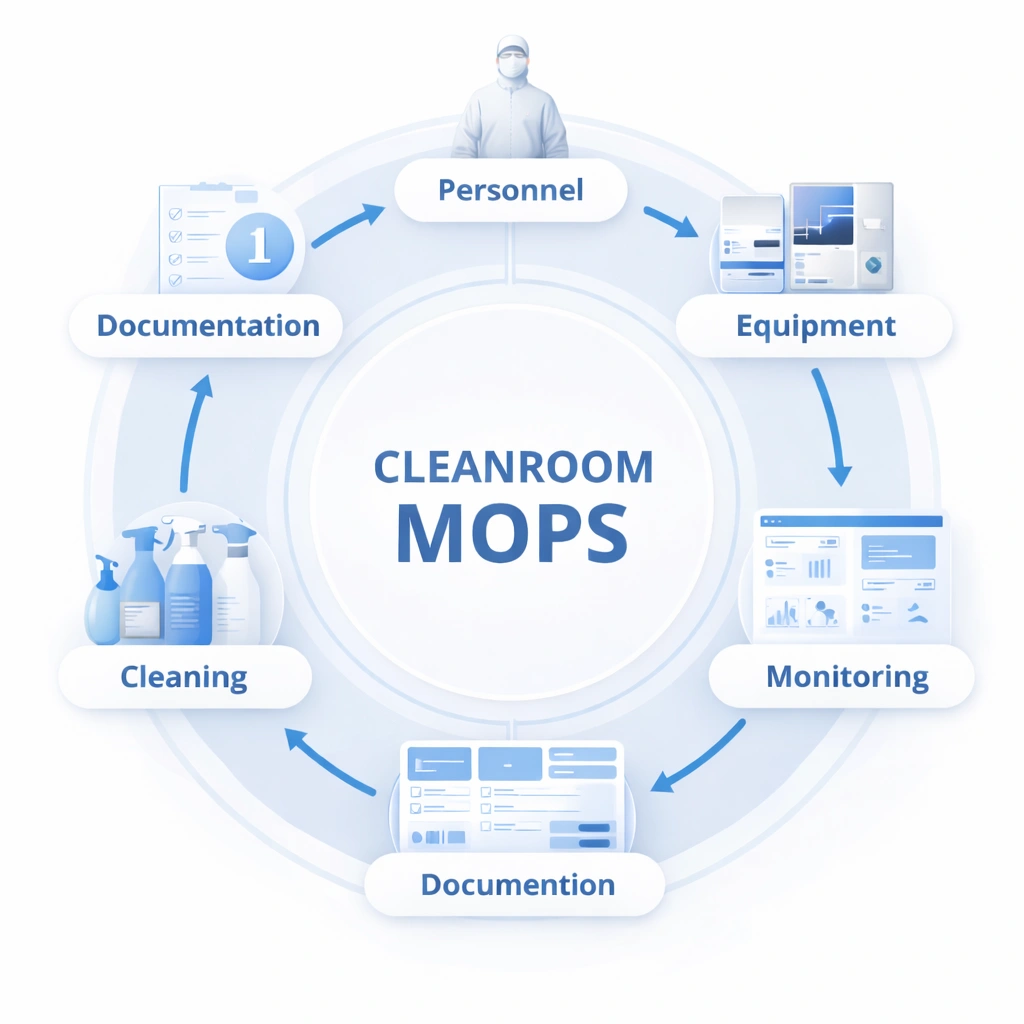
1. Temiz Oda Kirliliği Kontrol Protokolü Neyi Tanımlamalı?
A cleanroom contamination control protocol is not just a cleaning instruction. It is a documented control framework that explains how contamination risks are identified, controlled, monitored, documented, and reviewed. For GMP and ISO-controlled cleanrooms, the protocol should be practical for operators and strong enough for QA, CQV, supplier qualification, and regulatory audit discussions.
Önleme
Personelin, malzemelerin, temizlik araçlarının, oda imarının ve paspas sistemlerinin kirlenmeyi yayılmadan nasıl önleyeceğini tanımlar.
Doğrulama
Çevresel izlemenin, temizleme kayıtlarının ve QA incelemesinin kontrollerin çalıştığını nasıl doğruladığını tanımlar.
Cevap
Sapmaların, sapmaların, başarısız temizlik kontrollerinin veya izleme uyarılarının nasıl araştırılıp düzeltileceğini tanımlar.
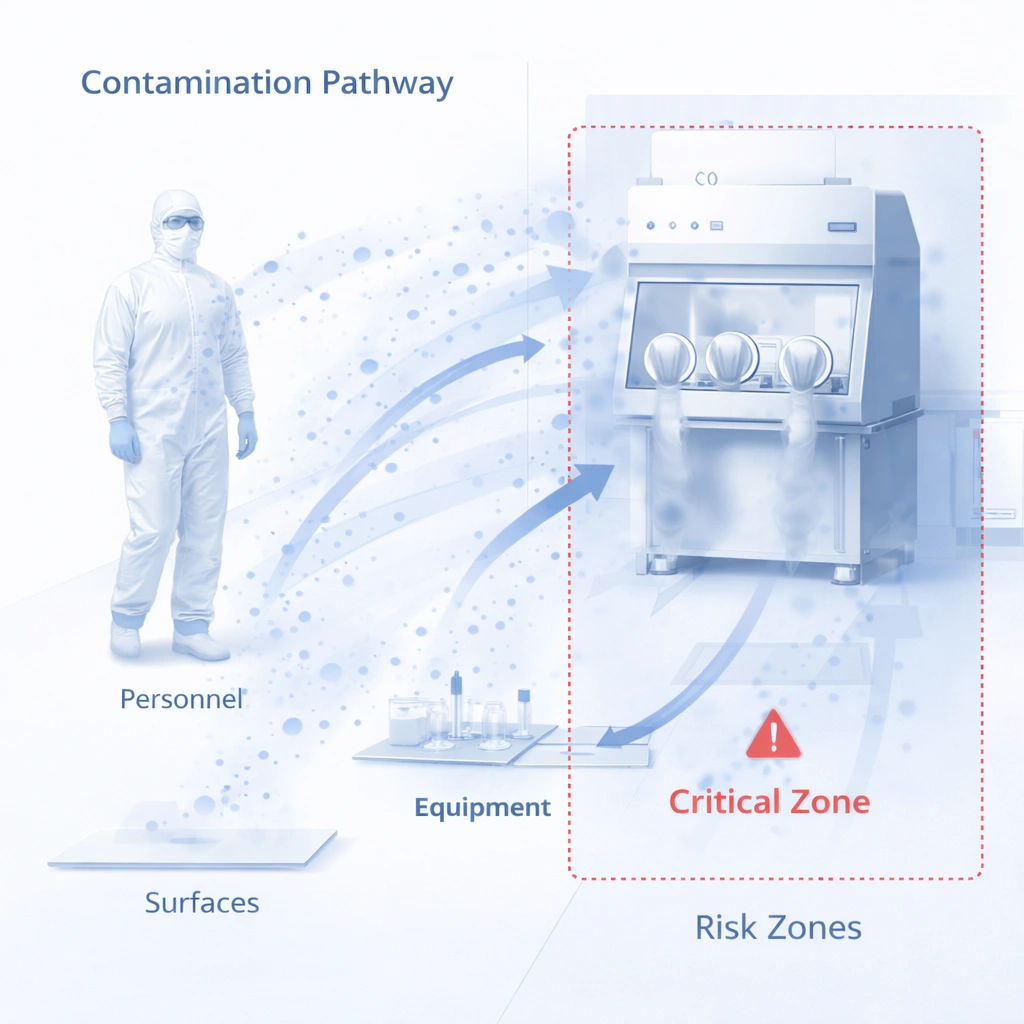
2. Protokolü Temiz Oda Sınıflandırması ve Proses Riskiyle Eşleştirin
A contamination control protocol should be risk-based. A GMP Grade A/B area, aseptic support room, ISO 5 zone, ISO 7 production room, or ISO 8 support area should not use the same level of cleaning control, mop system requirement, sterile requirement, or documentation package.
| Protokol Alanı | Risk Sorusu | Protokol Gereksinimi | Önerilen Dahili Kaynak |
|---|---|---|---|
| Oda sınıflandırması | Bölge hangi ISO/GMP derecesinde faaliyet gösteriyor? | Oda derecesine göre temizlik sıklığını, giyinme düzeyini ve izleme yoğunluğunu tanımlayın. | ISO 14644 Sınıflandırma Kılavuzu |
| Süreç riski | Proses aseptik mi, steril destekli mi, yoksa genel kontrollü üretim mi? | Steril paspas sistemlerinin, daha güçlü transfer kontrollerinin veya ek QA incelemesinin gerekli olup olmadığını tanımlayın. | AB GMP Ek 1 SOP Dokümantasyonu |
| Temizleme kapsamı | Zeminler, duvarlar, tavanlar, arabalar veya ekipmanın dış kısımları dahil mi? | Alet tipini, paspas kafasını, çerçeveyi, sapı ve yüzeye özel iş akışını tanımlayın. | Temiz Oda Paspaslama SOP'si |
| Denetim hazırlığı | Tesis protokolün takip edildiğini kanıtlayabilir mi? | SOP'ları, temizlik günlüklerini, eğitim kayıtlarını, ürün özelliklerini ve izleme kayıtlarını tutun. | GMP Temiz Oda Denetimine Nasıl Hazırlanılır? |
3. Temizlik SOP'larını ve Temiz Oda Paspas Sistemi Kontrollerini Dahil Edin
The cleaning section of a contamination control protocol should define how surfaces are cleaned and which tools are approved. In many cleanrooms, mop systems are used for floors, walls, ceilings, and large surfaces, so the protocol must define mop head material, sterile status, replacement frequency, chemical compatibility, and documentation requirements.
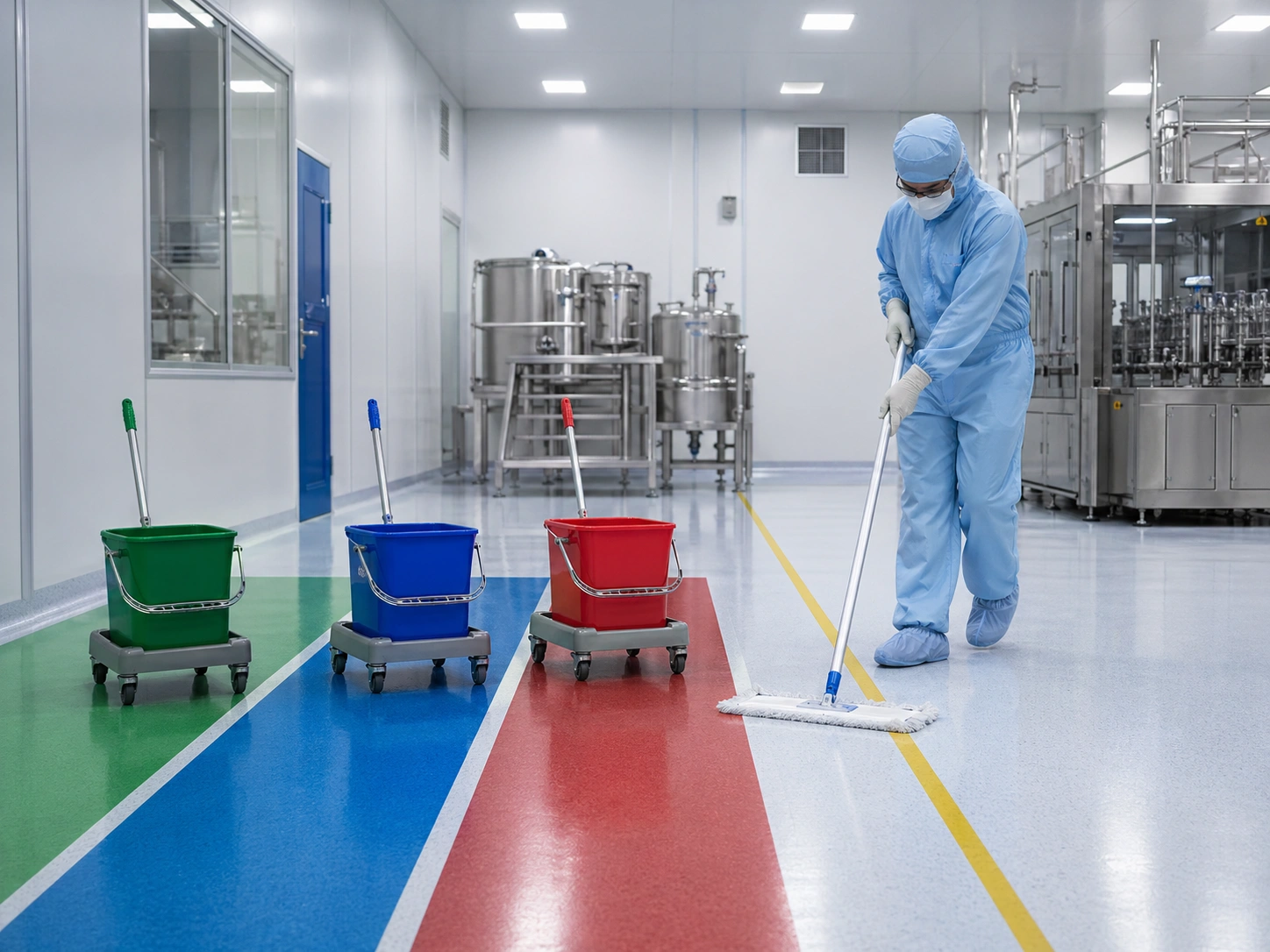
- Onaylı paspas sistemi: model, malzeme, steril/steril olmayan durum ve amaçlanan temiz oda sınıfı.
- Yüzey kapsamı: zemin, duvar, tavan, ekipmanın dış kısmı veya transfer alanı.
- Paspas deseni: yön, örtüşme, bölge sırası ve geçiş kontrolü.
- Paspas kafası değiştirme kuralı: alan büyüklüğü, toprak seviyesi, oda derecesi veya toplu değişiklik gereksinimi.
- Araç uyumluluğu: çerçeve, sap, kova, sıkma aparatı ve dezenfektan uyumluluğu.
- Kayıtlar: gerekirse operatör, tarih, oda, temizlik maddesi, paspas partisi ve QA incelemesi.
4. Protokolü Çevresel İzlemeye Bağlayın
A contamination control protocol is incomplete without verification. Environmental monitoring helps confirm whether personnel behavior, cleaning workflow, mop system selection, transfer controls, and room operations are maintaining the intended level of control.
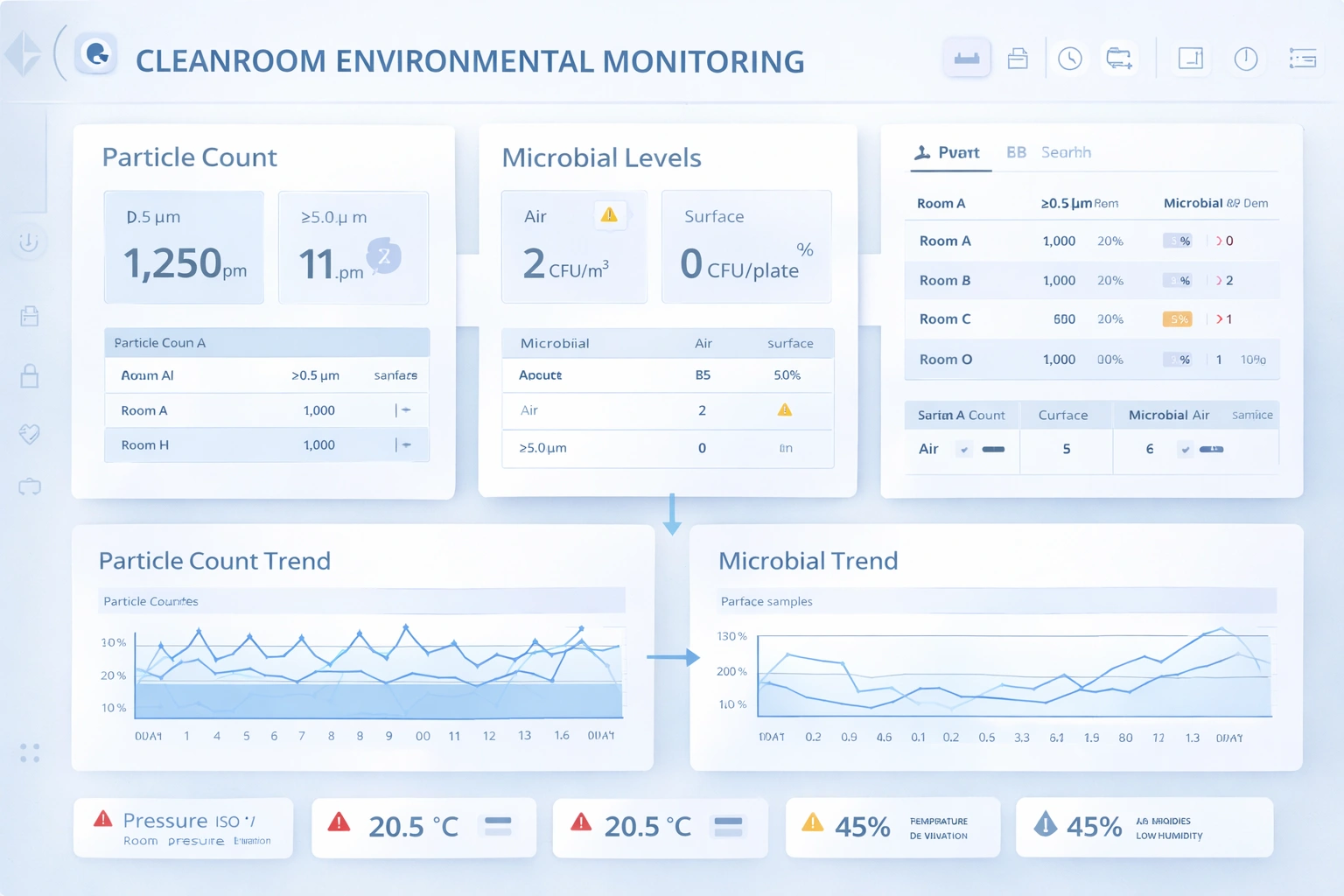
Protokol şunları belirtmelidir:
- İzleme yerleri ve örnekleme sıklığı
- Uyarı ve eylem seviyeleri
- Yüzey, hava ve personel izleme mantığı
- Trend verilerinin sıklığını inceleyin
- Temizleme kayıtları izleme sonuçlarıyla nasıl karşılaştırılır?
- Sapmalar, araştırmalar veya CAPA tetiklendiğinde
5. Protokolleri Kalite Güvencesi, Doğrulama ve Tedarikçi Kalifikasyonu ile Hizalayın
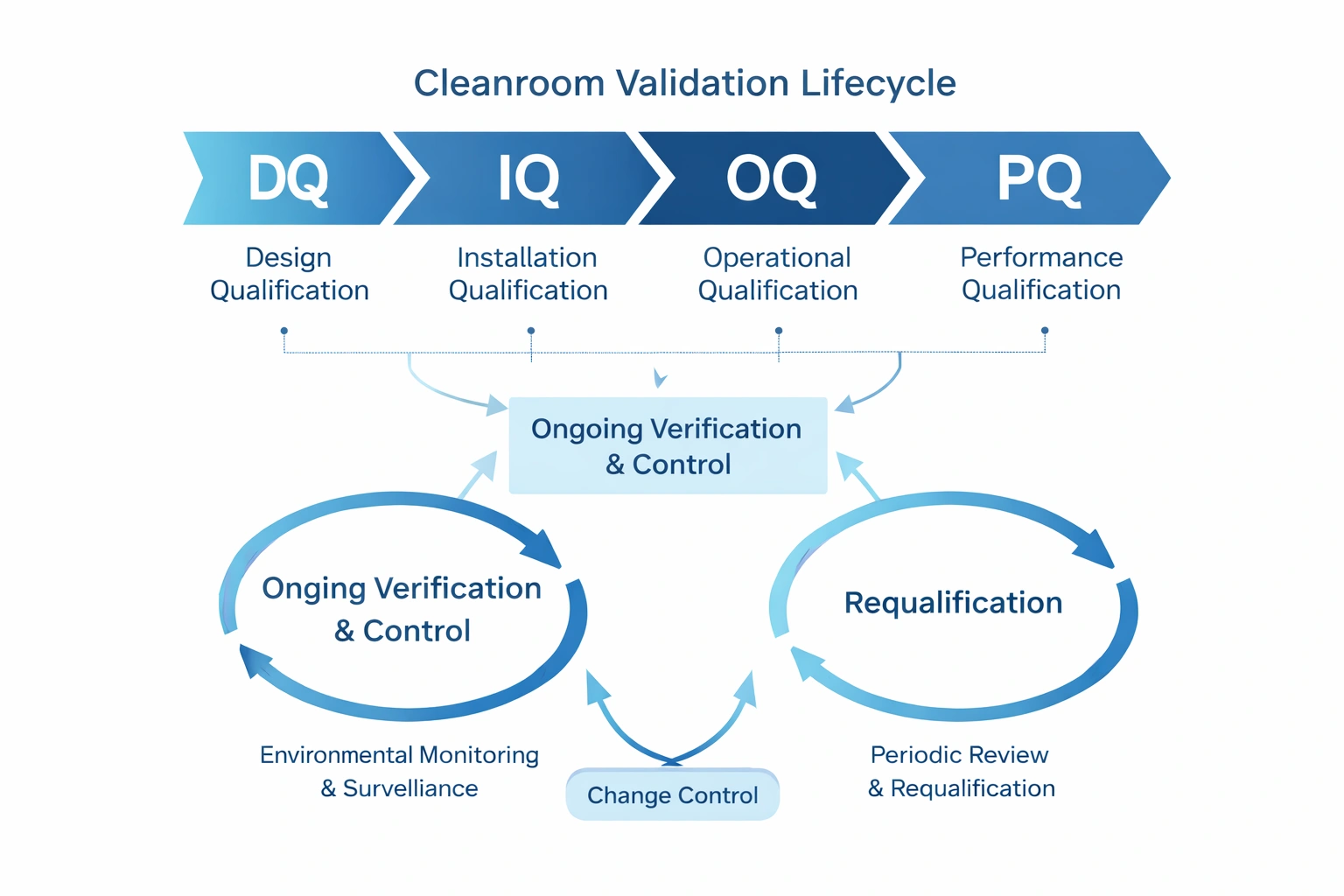
Cleanroom contamination control protocols should be aligned with QA and validation expectations. If a facility uses a mop system, garment system, sterile consumable, or critical cleaning tool, the supplier and product documentation should support qualification and audit review.
| KG / Doğrulama Öğesi | Protokol Sorusu | Tutulması Gereken Kayıtlar |
|---|---|---|
| Tedarikçi yeterliliği | Tedarikçi GMP temiz oda sarf malzemelerine uygun mu? | Tedarikçi bilgileri, ürün özellikleri, kalite belgeleri, denetim destek kayıtları. |
| Ürün kalifikasyonu | Paspas sistemi amaçlanan temiz oda sınıfına ve iş akışına uygun mu? | Spesifikasyon sayfası, malzeme verileri, steril/steril olmayan durumu, COA referansı. |
| Temizleme doğrulama desteği | Araç, SOP'ta tanımlanan temizleme yöntemini destekliyor mu? | Temizleme kayıtları, SOP kontrol listesi, çevresel izleme eğilimi, sapma geçmişi. |
| Denetim izi | Tesis protokolün tutarlı bir şekilde takip edildiğini gösterebiliyor mu? | Eğitim kayıtları, temizleme kayıtları, inceleme imzaları, CAPA kayıtları, toplu izlenebilirlik. |
Yararlı QA ve doğrulama sayfaları şunları içerir: Temiz Oda IQ/OQ/PQ Kalifikasyonunun Açıklaması, Temiz Oda Doğrulama Yaşam Döngüsü Yönetimi, Ve Temiz Oda Kalifikasyon Doğrulaması SOP Şablonu.
6. Sapma Yanıtını, CAPA'yı ve Protokol İyileştirmesini Tanımlayın
A cleanroom contamination control protocol should also explain what happens when control is lost or trending becomes unfavorable. This includes environmental monitoring excursions, repeated cleaning failures, improper gowning, incorrect mop use, unapproved material transfer, or missing cleaning records.
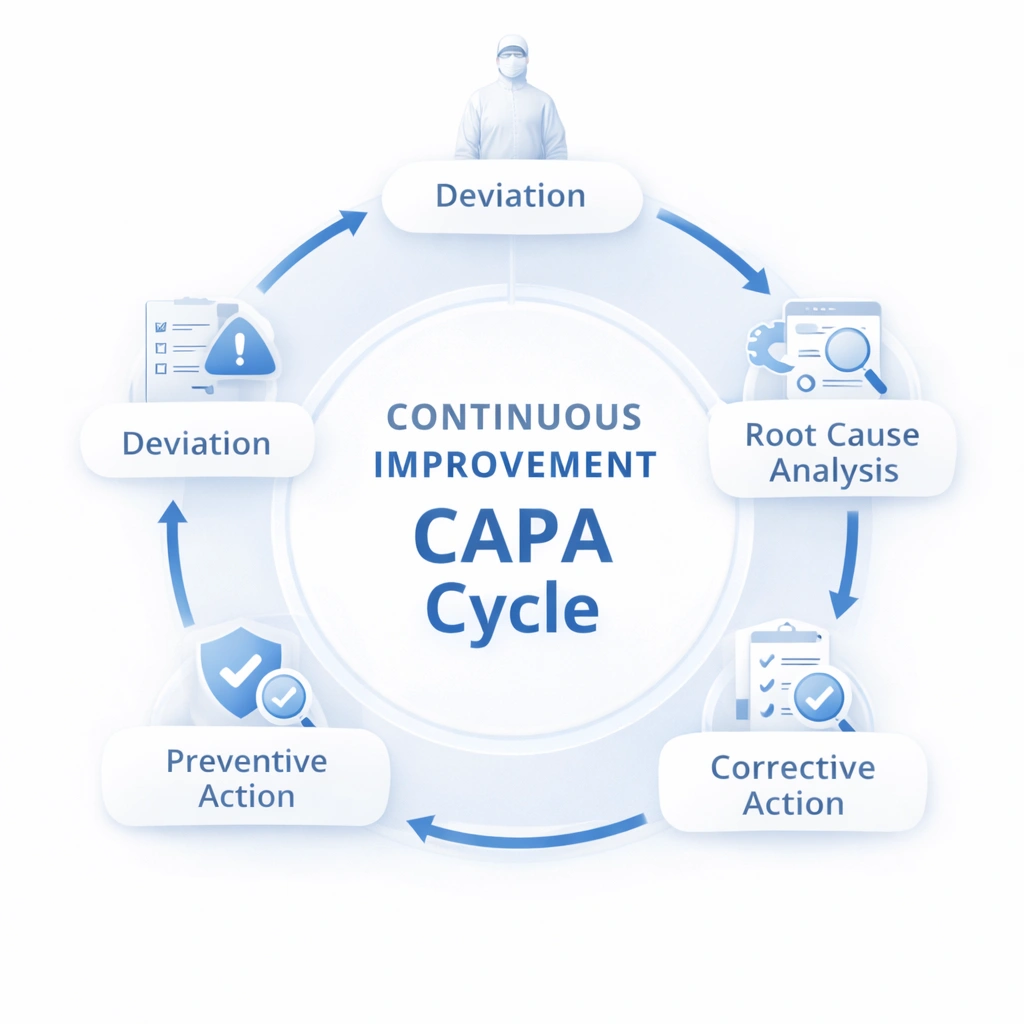
Sapma yanıtı şunları içermelidir:
- Anında kontrol altına alma veya temizleme müdahalesi
- Etkilenen alan, ürün, süreç veya partinin ilk değerlendirmesi
- Kök neden incelemesi: personel, malzeme, paspas sistemi, iş akışı, dezenfektan veya ekipman
- Düzeltici eylem: yeniden eğitim, SOP güncellemesi, takım değişimi, tedarikçi incelemesi veya iş akışı değişikliği
- Önleyici eylem: trend incelemesi, izleme ayarlaması veya protokol revizyonu
- Belgelenmiş kanıtlarla KG kapanışı
7. Temiz Oda Kirliliği Kontrol Protokolü Kontrol Listesi
Aşağıdaki kontrol listesi QA, doğrulama ve temiz oda operasyonları ekiplerinin bir protokolün tamamlanıp tamamlanmadığını incelemesine yardımcı olabilir.
| Protokol Bölümü | Gerekli İçerik | Kanıt / Bağlantı |
|---|---|---|
| Kapsam | Oda derecesi, proses alanı, yüzey tipi ve temizlik sorumluluğu | Oda sınıflandırması ve alan listesi |
| Kontaminasyon riskleri | Personel, malzeme, yüzey, alet, hava akışı ve transfer riskleri | Risk değerlendirmesi veya kontaminasyon yolu haritası |
| Temizleme yöntemi | SOP, temizleme sırası, dezenfektan, paspas sistemi, değiştirme kuralları | SOP'nin temizlenmesi ve SOP'un silinmesi |
| İzleme | Örnekleme konumları, sıklık, uyarı/eylem düzeyleri, trend incelemesi | Çevresel izleme planı |
| Doğrulama | Uygun olduğu durumlarda tedarikçi yeterliliği, ürün uygunluğu, IQ/OQ/PQ veya yaşam döngüsü incelemesi | KG / doğrulama kayıtları |
| Sapma yanıtı | Soruşturma, CAPA, yeniden eğitim, SOP güncellemesi ve kapatma | Sapma ve DÖF kayıtları |
A strong contamination control protocol is not only a document. It is the operating logic that connects people, cleanroom tools, cleaning workflows, monitoring data, and QA evidence.
Sonuç: Protokoller Temiz Oda Temizliğini Kontrollü Bir Sisteme Dönüştürüyor
Understanding cleanroom contamination control protocols helps facilities move beyond routine cleaning and build a documented, risk-based, audit-ready control system. The protocol should define contamination sources, cleaning methods, personnel controls, mop system requirements, environmental monitoring, validation records, and deviation response.
For cleanroom mop systems, this means the product must fit the room grade, cleaning workflow, sterile requirement, documentation needs, and QA expectations. When the protocol and product selection are aligned, contamination control becomes easier to train, verify, and defend during audits.
SSS: Temiz Oda Kirliliği Kontrol Protokolleri
Temiz oda kontaminasyon kontrol protokolü nedir?
It is a documented system that defines how contamination risks are prevented, monitored, investigated, corrected, and recorded in a cleanroom environment.
Kontaminasyon kontrol protokolüne neler dahil edilmelidir?
It should include scope, room classification, contamination risks, personnel controls, cleaning SOPs, mop system requirements, environmental monitoring, deviation response, CAPA, and documentation records.
Temiz oda paspas sistemleri protokole nasıl uyuyor?
Mop systems should be defined by material, sterile status, surface use, replacement frequency, frame and handle compatibility, disinfectant compatibility, and documentation support.
QA neden paspas sistemi belgelerine ihtiyaç duyuyor?
QA needs documentation to verify product suitability, supplier qualification, lot traceability, sterile status, cleaning records, and audit readiness.
Protokoller ne sıklıkla gözden geçirilmelidir?
Protocols should be reviewed when there are monitoring excursions, audit findings, process changes, new cleaning tools, new room classifications, repeated deviations, or scheduled quality system reviews.
Temiz Oda Protokolleri için Mop Sistemi Dokümantasyonuna mı ihtiyacınız var?
MIDPOSI can help you review low-lint cleanroom mop systems, sterile and non-sterile configurations, documentation support, and sample options for GMP and ISO-controlled cleanrooms.