Цветовое кодирование швабр для чистых помещений — стратегия предотвращения перекрестного загрязнения для многозонных объектов
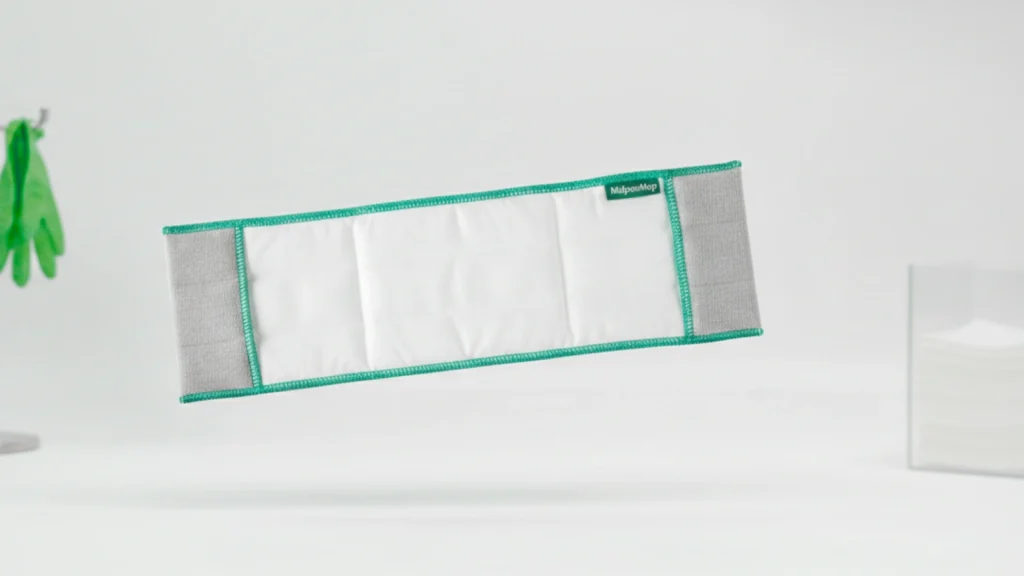
How to implement a color-coded cleanroom mop system for multi-zone facilities. Covers zone-to-color mapping, integration with gowning protocols, operator training, and audit documentation.
Как провести аудит поставщика швабр для чистых помещений: практический контрольный список контроля качества
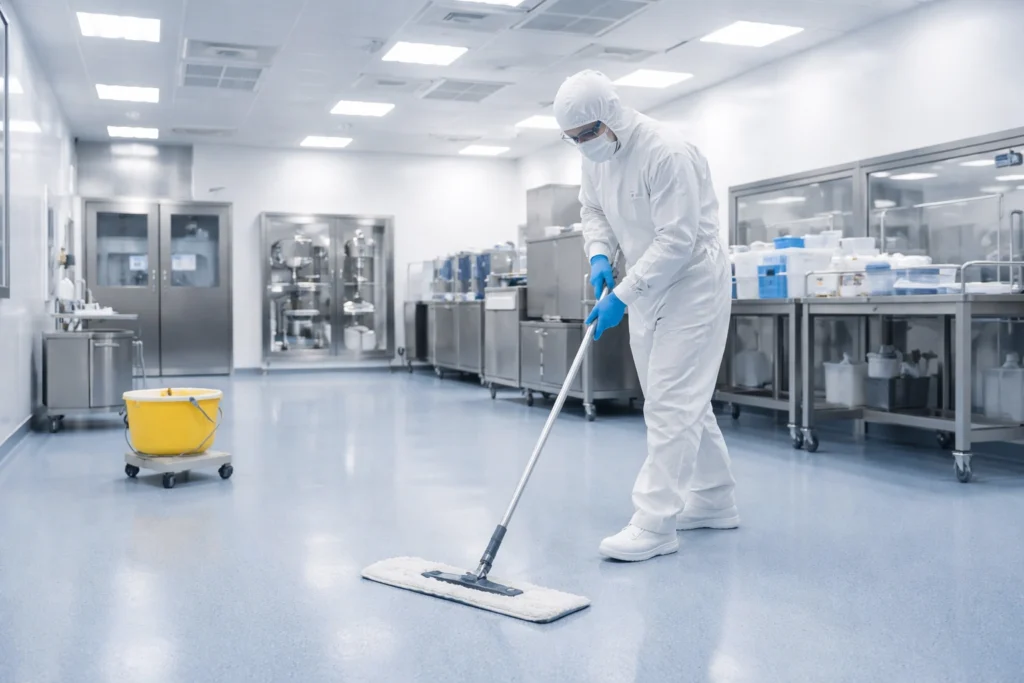
A practical QA checklist for auditing cleanroom mop suppliers covering 7 dimensions from manufacturing environment to batch traceability — including 33 specific checkpoints, pre-audit preparation, and a post-audit scoring framework for B2B procurement and quality teams.
Документы о проверке швабры для чистых помещений: что следует запросить покупателям и как их просмотреть
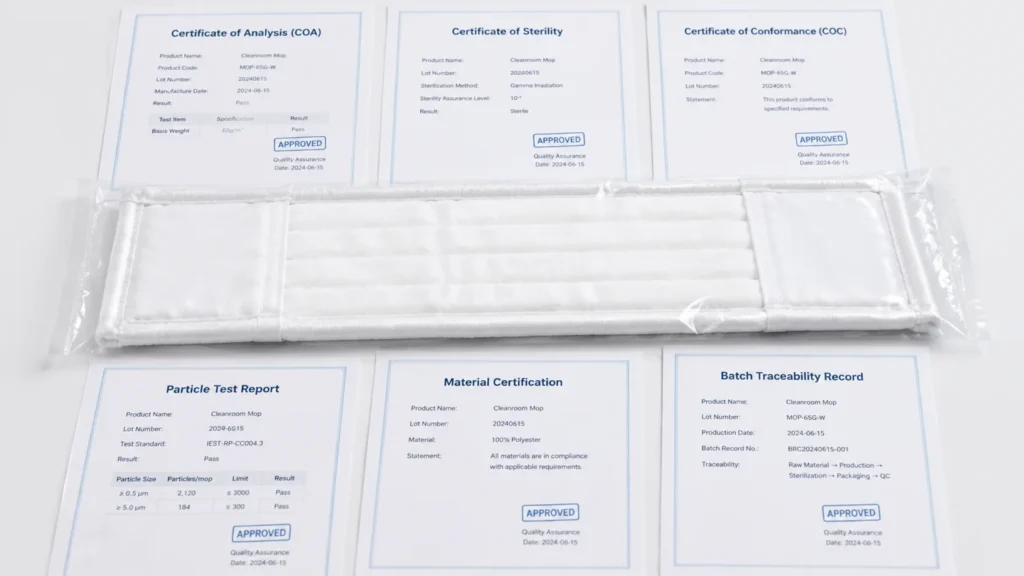
Complete buyer checklist of validation documents for cleanroom mops: COA, Certificate of Sterility, COC, particle test reports, material certification, and batch traceability. What to request and how to review each document.
Выбор швабры для чистых помещений GMP — подход для каждого класса (A/B/C/D)
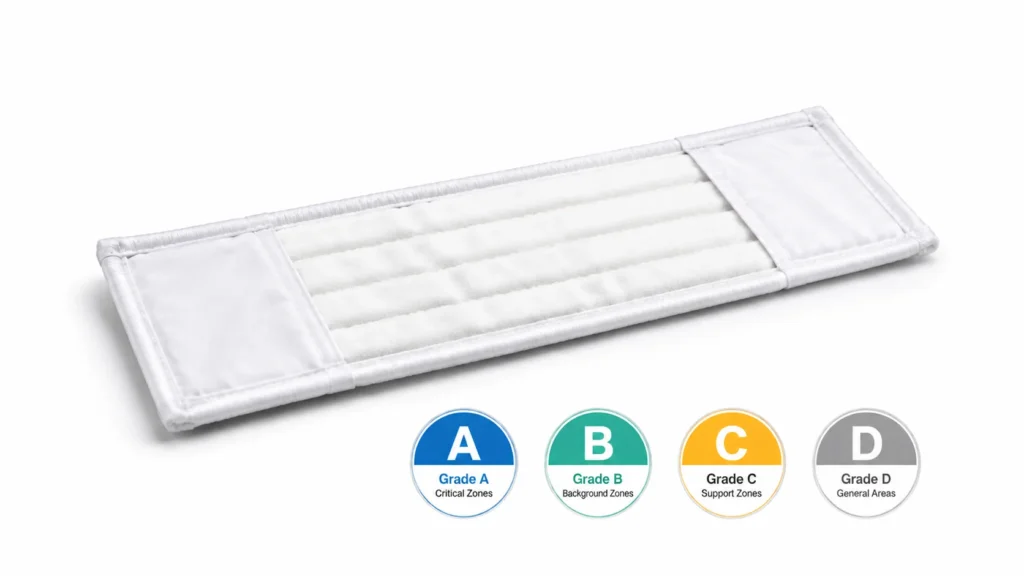
How to match cleanroom mop specifications to GMP Grade A/B/C/D zones. Covers sterility, material, packaging, and documentation requirements for each grade. A buyer-focused selection framework for facility managers and QA leads.
Что такое система швабры для чистых помещений и почему это важно?
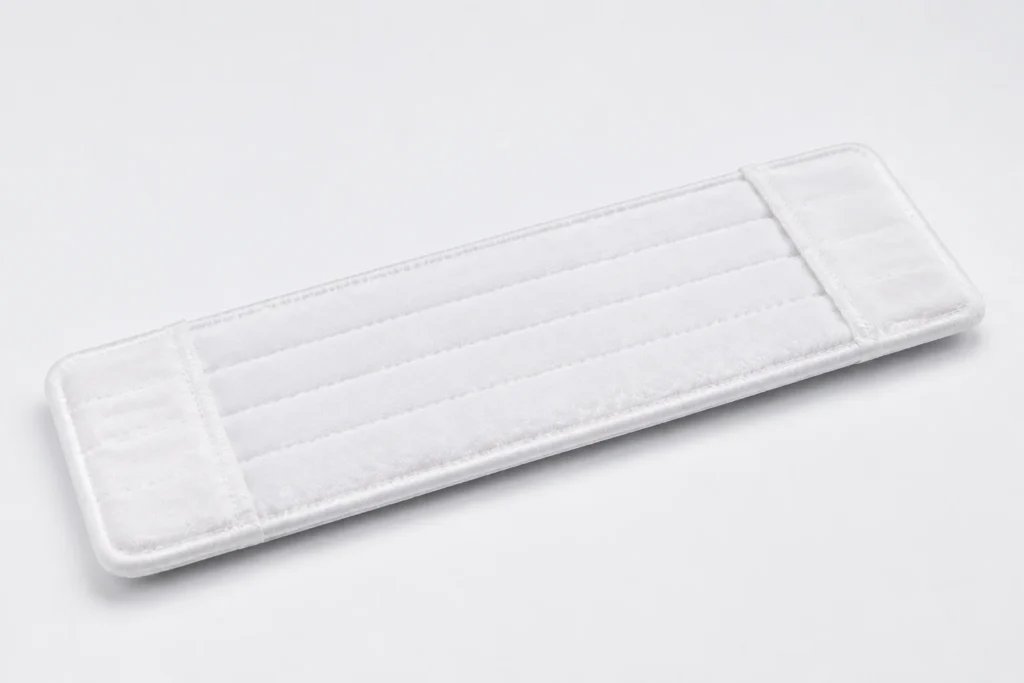
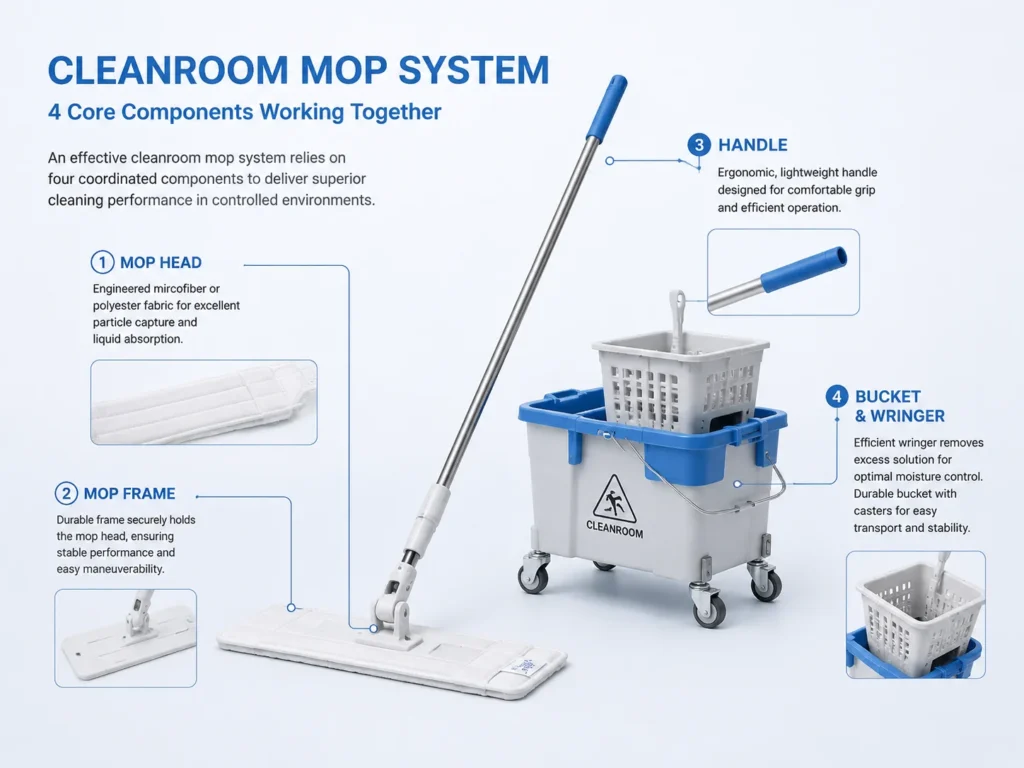
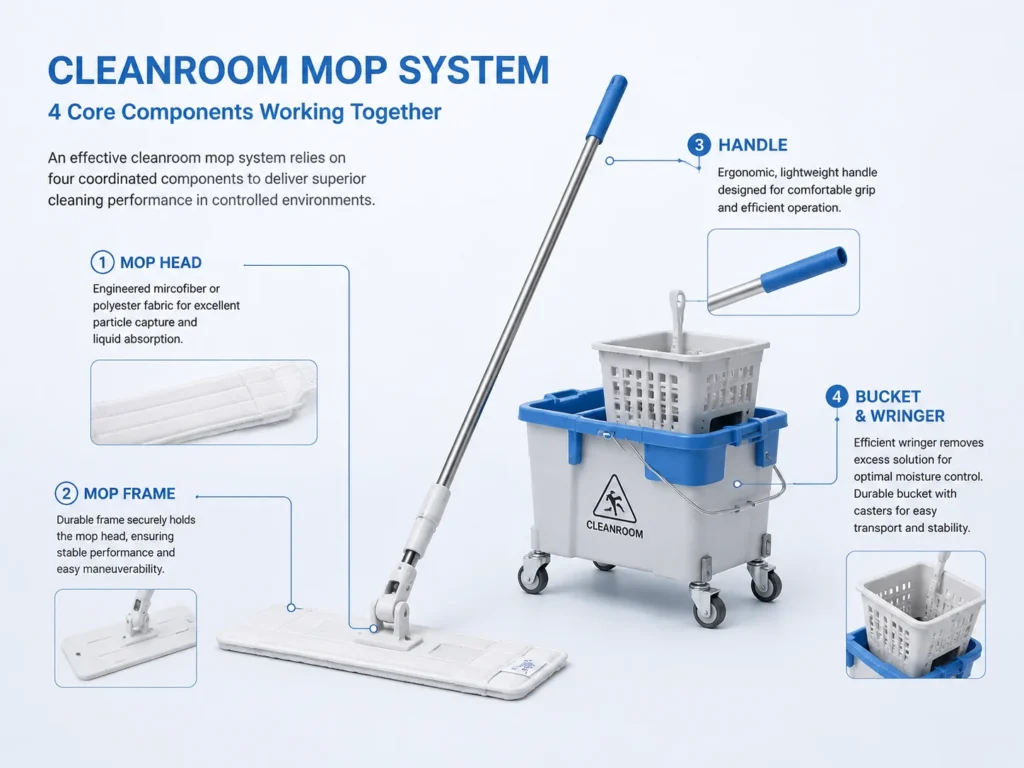
A cleanroom mop is not a standalone product — it is an integrated system of mop head, frame, handle, and bucket/wringer. This definition guide explains what constitutes a cleanroom mop system, how each core component contributes to cleaning performance and regulatory compliance, and why the system concept is the foundation of every cleanroom mopping procurement decision. For first-time buyers, facility managers upgrading to controlled environments, QA teams, and distributor sales teams who need to establish a baseline understanding before evaluating specific products.
Швабры для чистых помещений из микрофибры и полиэстера — Свойства материала, эффективность очистки и риск загрязнения
A technical, evidence-based comparison of microfiber (split-filament) and polyester (continuous filament knit) cleanroom mop materials. Covers particle generation mechanisms, absorbency and cleaning efficacy, chemical compatibility with cleanroom disinfectants, durability across reusable and disposable configurations, lifecycle cost implications, and a facility-grade-based decision framework. For QA leads, cleanroom facility managers, procurement teams, and GMP compliance officers evaluating which material fits their controlled environment.
Стерильная швабра для чистых помещений — асептическая транспортировка, упаковка и готовность согласно Приложению 1
How do sterile cleanroom mops maintain sterility during transfer into Grade A/B zones? This guide covers aseptic transfer procedures, single vs double bagging rationale, packaging integrity verification, and EU GMP Annex 1 alignment for sterile cleanroom consumables. Includes a step-by-step aseptic transfer procedure framework, supplier evaluation checklist, and common transfer mistakes to avoid.