Temiz Oda Hijyeni için Temel Teknikler
Cleanroom hygiene is a controlled system of personnel behavior, gowning discipline, cleaning SOPs, low-lint mop selection, disinfectant application, environmental monitoring, and documentation. In GMP and ISO-controlled facilities, hygiene must be repeatable, traceable, and audit-ready.
Hızlı Yanıt
The essential techniques for cleanroom hygiene include trained personnel movement, correct gowning, controlled material transfer, validated cleaning SOPs, low-lint cleanroom mops, sterile or non-sterile tool selection by risk level, environmental monitoring, and complete cleaning documentation.
1. Temizlik Başlamadan Önce Personel Hijyenini Kontrol Edin
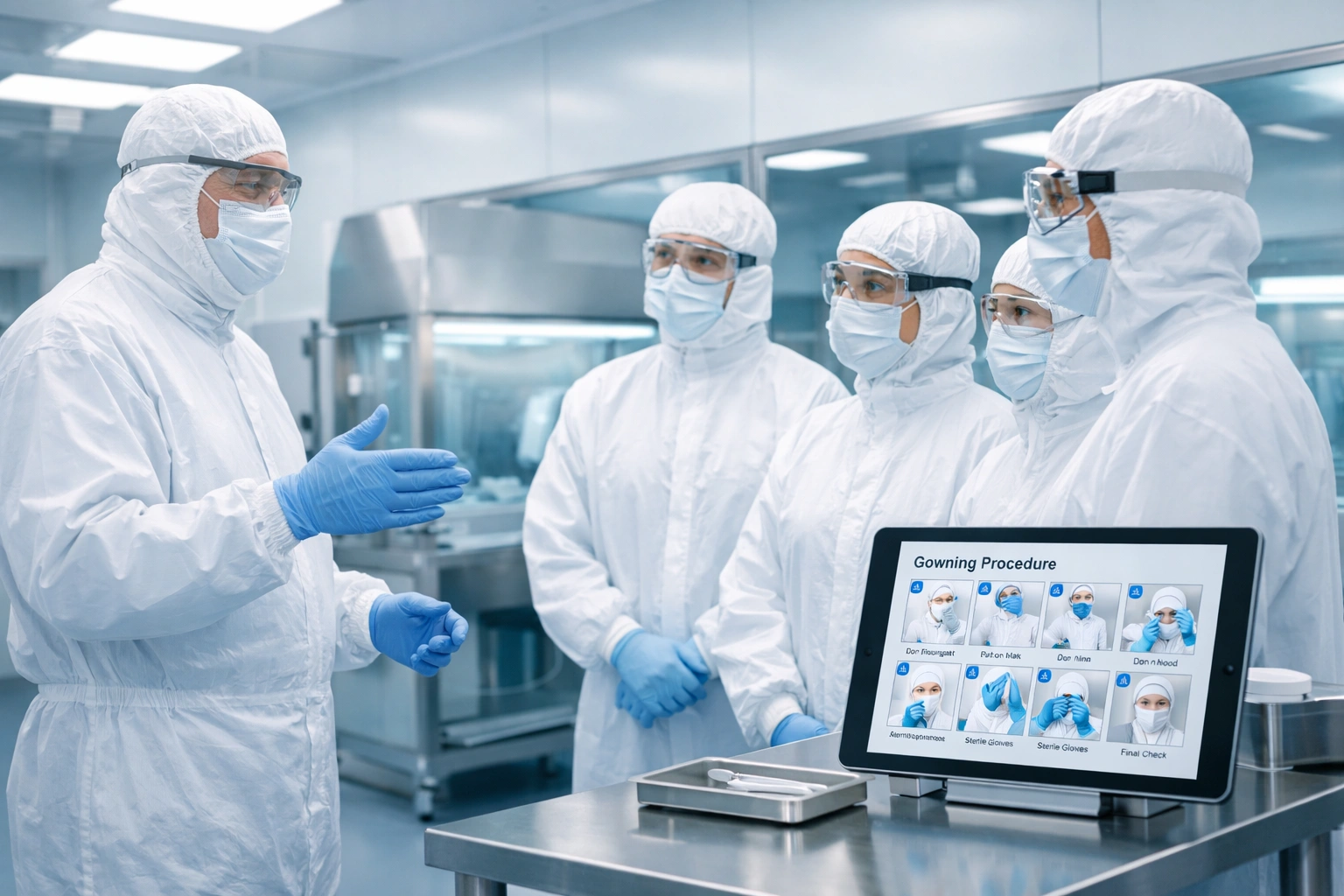
People are one of the most important contamination sources in cleanrooms. Even when air filtration, room pressure, and surface cleaning are well controlled, poor operator behavior can introduce particles, microorganisms, fibers, skin flakes, and residue into the controlled area.
Cleanroom hygiene therefore starts before a mop, wipe, disinfectant, or garment is used. The facility must define how personnel enter, move, touch surfaces, handle tools, change gloves, and respond to contamination events.
Hareket
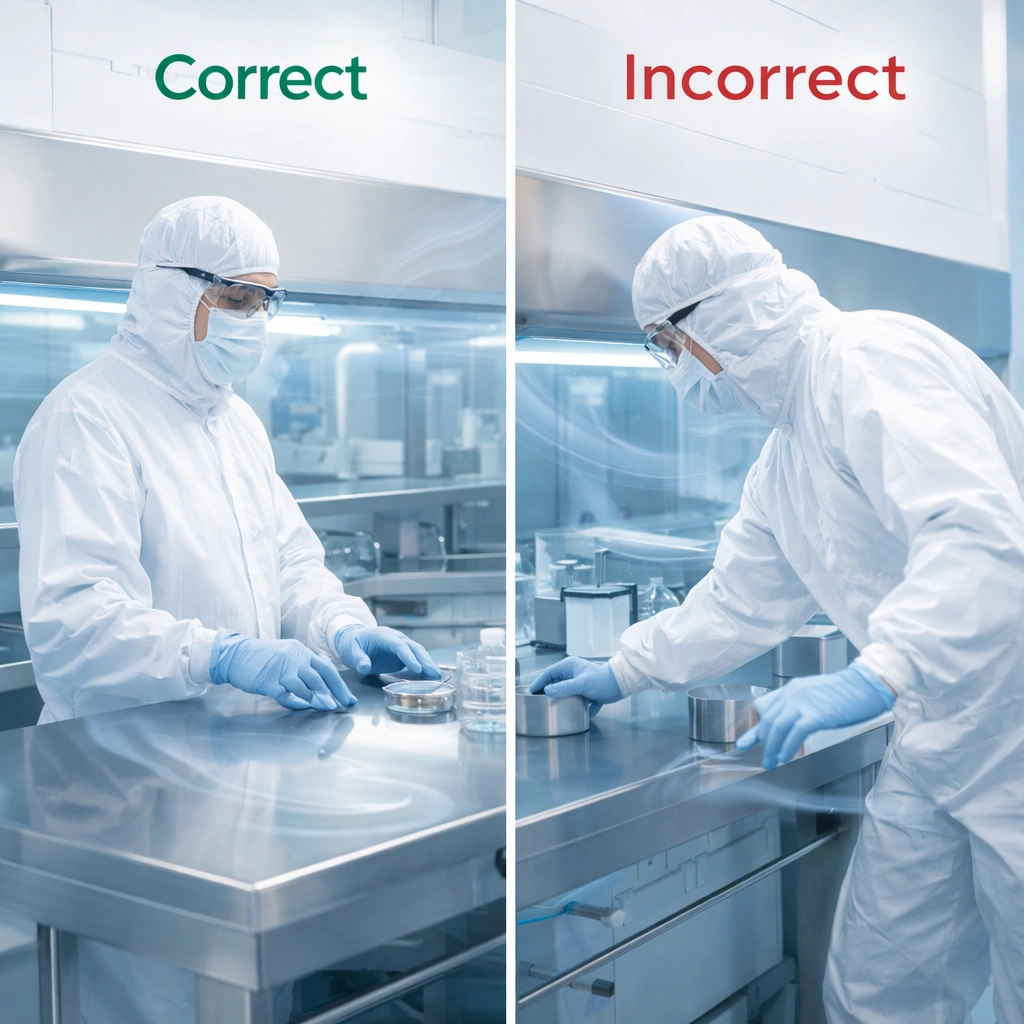
Operators should move slowly and deliberately. Fast movement can disturb airflow patterns, increase particle release, and make controlled cleaning less effective.
Dokunmatik Kontrol
Unnecessary contact with walls, equipment, packaging, and garments should be avoided. Glove contact should follow facility SOPs.
Eğitim
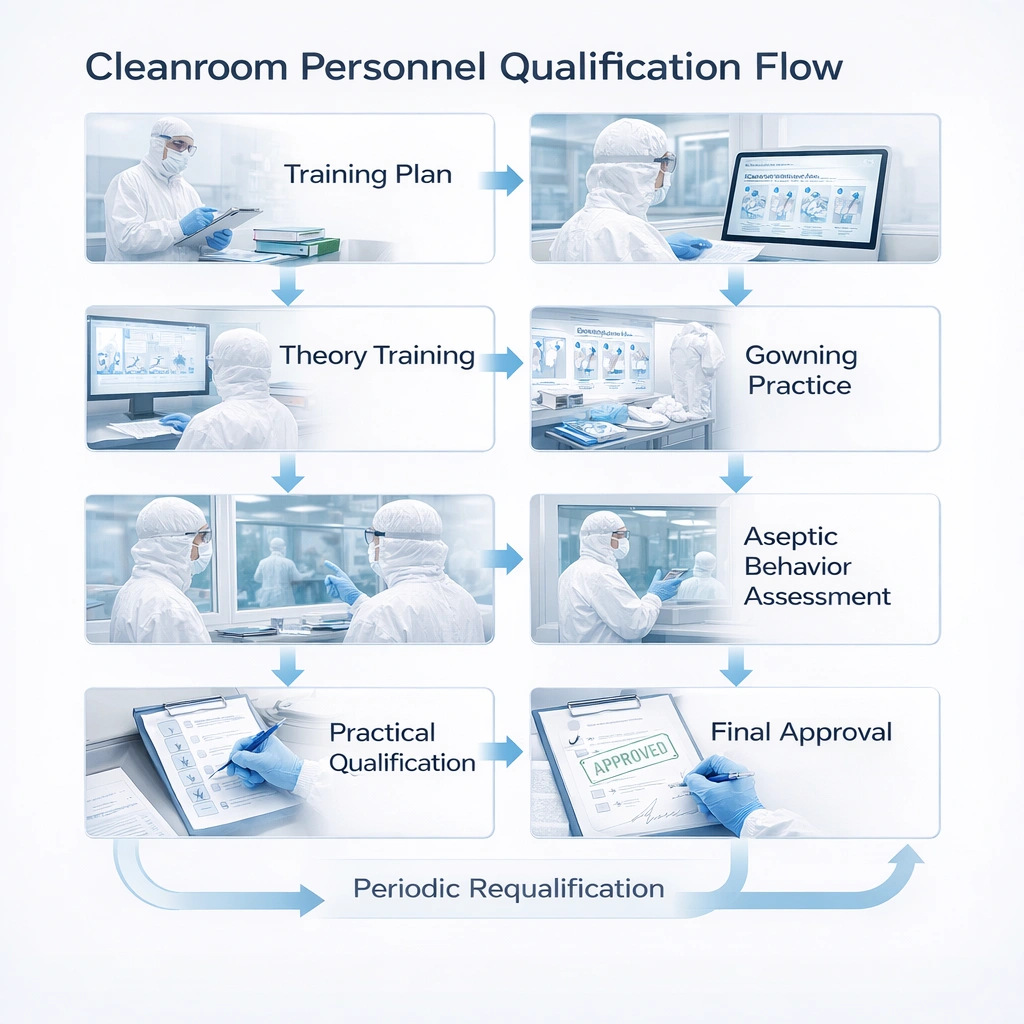
Personnel should be trained, observed, and periodically re-qualified for cleanroom behavior, gowning, cleaning, and material handling.
2. Önlüklere Sadece Üniforma Değil Hijyen Bariyeri Olarak Bakın
Cleanroom garments are part of the contamination-control barrier. The purpose of gowning is not only to protect the operator, but also to reduce contamination released from the operator into the cleanroom. Incorrect gowning can compromise the hygiene program even when cleaning tools and disinfectants are properly selected.
Temel önlük kontrolleri
- Tanımlanmış önlük sırası: Kontrolsüz teması azaltmak için her seferinde aynı giriş sırasını izleyin.
- Giysi bütünlüğü: girmeden önce giysileri hasar, tüylenme veya uygunsuz kalıp açısından inceleyin.
- Eldiven disiplini: Eldivenlerin ne zaman sterilize edileceğini, değiştirileceğini veya değiştirileceğini tanımlayın.
- Alana özel kurallar: önlük seviyeleri oda sınıfına ve proses riskine uygun olmalıdır.
- Eğitim kayıtları: Denetim incelemesi için ön yeterlilik ve yeniden yeterlilik kayıtlarını saklayın.
Daha ayrıntılı giriş ve giysi disiplini için bu konuyu şuraya bağlayın: Temiz Oda Giyme Prosedürleri ve Ek 1 Uyumluluğu.
3. Operatörlerin Tekrarlayabileceği Bir Temiz Oda Temizleme SOP'si Oluşturun
A cleanroom cleaning SOP should be easy to follow and strong enough for QA review. It must clearly define room zoning, cleaning sequence, mop system, disinfectant or detergent, contact time, mop head replacement, waste handling, and documentation requirements.
| SOP Öğesi | Neden Önemlidir? | En İyi Uygulama Yönü |
|---|---|---|
| Temizleme sırası | Kirliliğin daha az temiz alanlardan daha temiz alanlara taşınmasını önler | Daha temizden daha az temiz bölgelere ve mümkünse yüksek yüzeylerden daha alçak yüzeylere doğru temizleyin. |
| Paspas deseni | Kaçırılan alanları ve tutarsız yüzey temasını azaltır | Rastgele ileri-geri hareketler yerine, kontrollü üst üste binen geçişler kullanın. |
| Paspas değiştirme sıklığı | Kirlenmiş aletin yeniden kullanımını önler | Değiştirme kurallarını odaya, yüzey alanına, görünür toprağa ve risk düzeyine göre tanımlayın. |
| Dezenfektan uyumluluğu | Malzeme performansını ve temizleme etkinliğini korur | Paspas başlığı, sap, çerçeve, kova ve zemin malzemesiyle kimyasal uyumluluğunu doğrulayın. |
| Kayıt tutma | GMP denetimi hazırlığını destekler | Belge alanı, operatör, tarih, kimyasal madde, alet, gerekiyorsa parti/lot ve inceleyen. |
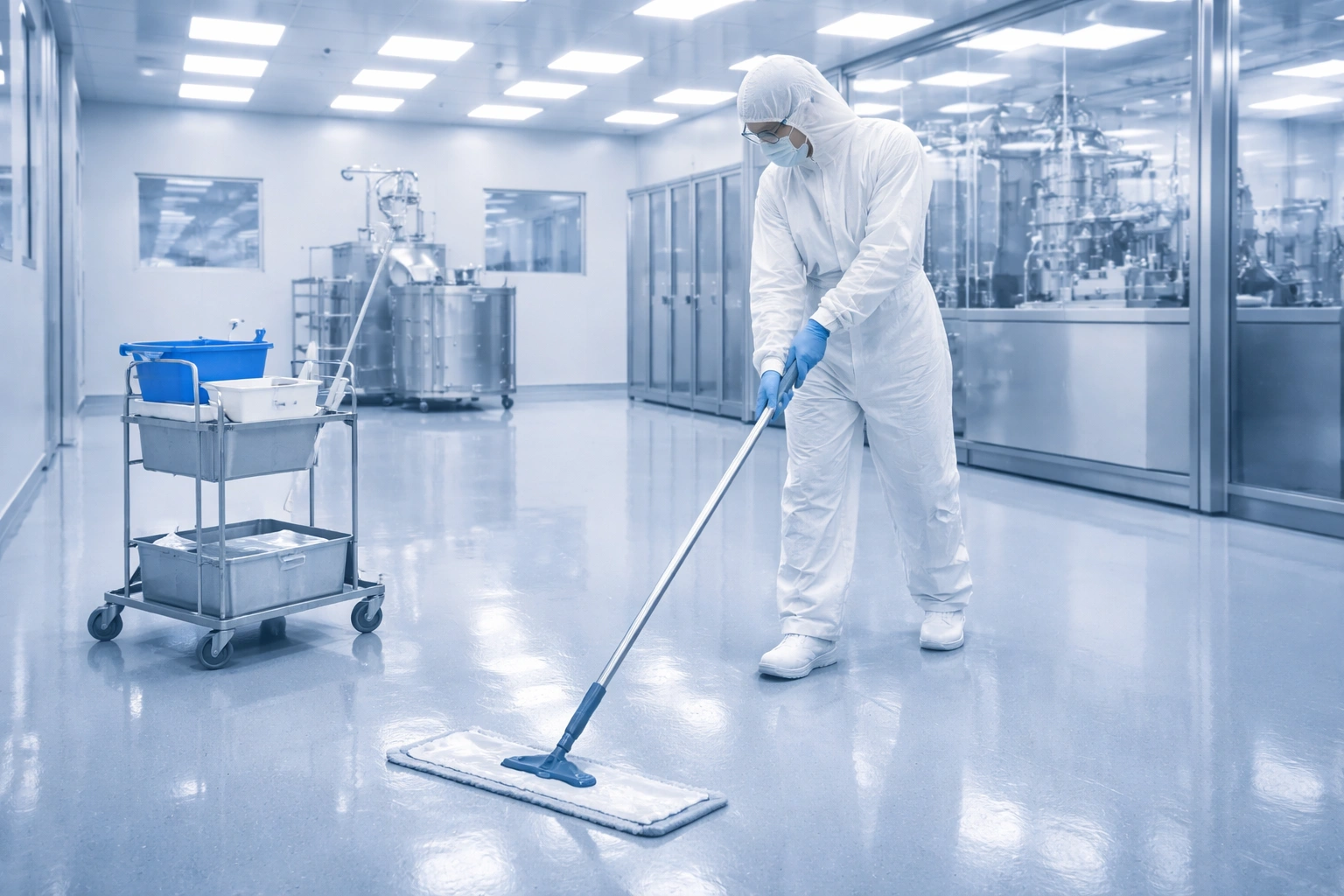
4. Kontrollü Hijyen için Az Tüylü Temiz Oda Mopları Kullanın
Cleanroom hygiene depends heavily on the tools used to clean floors, walls, ceilings, and large surfaces. A regular mop can release fibers, hold residues, or create uncontrolled wetting patterns. In contrast, a cleanroom mop system should be selected for low-lint performance, cleanroom compatibility, packaging, ergonomic handling, and documentation support.
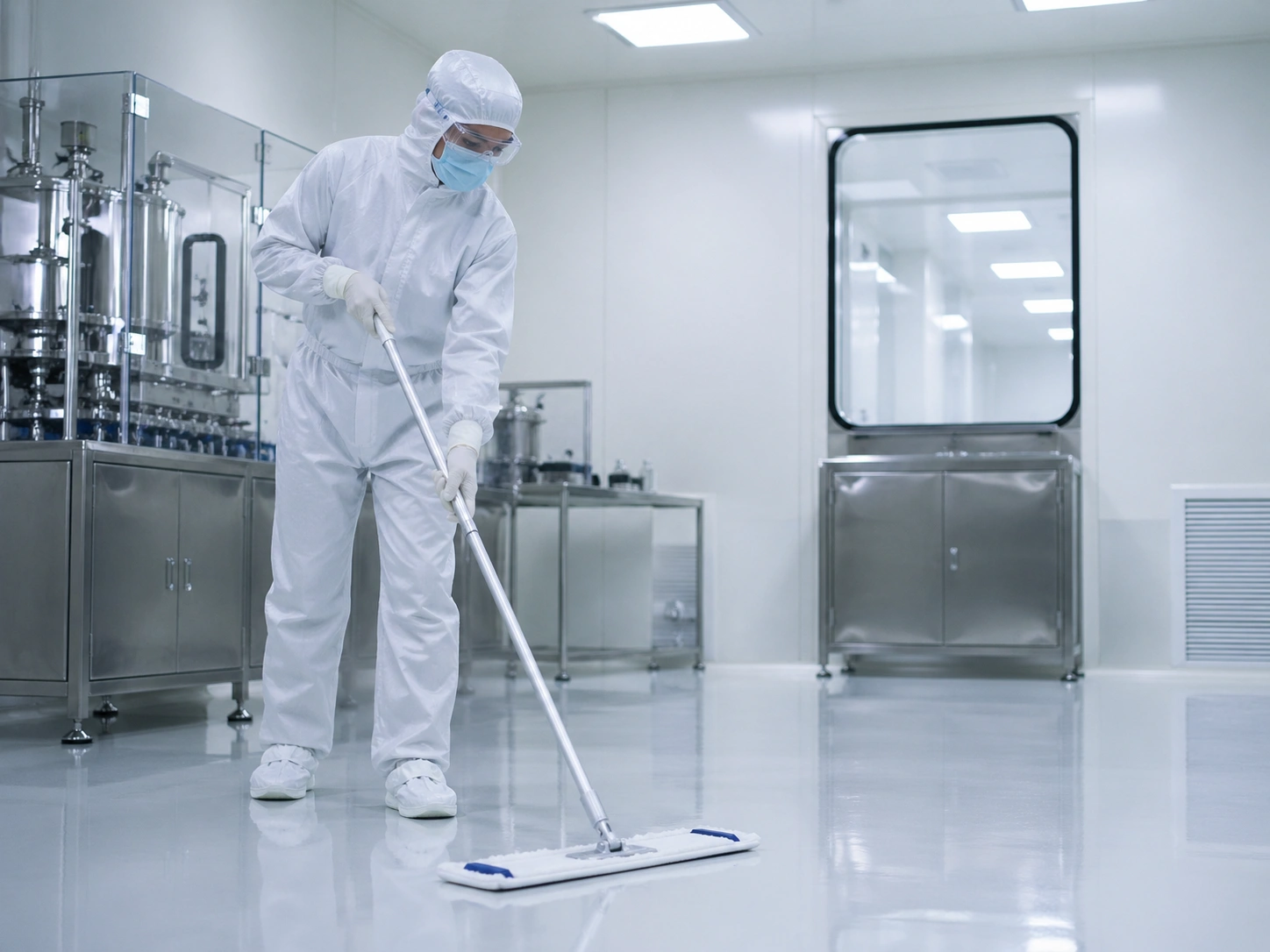
Temiz oda paspası seçiminde aşağıdakiler dikkate alınmalıdır:
- Oda sınıflandırması: ISO 5–8 veya GMP Sınıf A/B/C/D uygulama gereksinimleri.
- Malzeme türü: Temas yüzeyine ve temizleme görevine bağlı olarak polyester veya mikrofiber.
- Steril gereksinim: daha yüksek riskli alanlar için steril paspas seçenekleri ve daha düşük riskli iş akışları için steril olmayan seçenekler.
- Emicilik ve ağırlık: Paspas ağırlığını zemin alanına, kimyasal hacmine ve operatörün kullanımına göre eşleştirin.
- Paketleme ve izlenebilirlik: Temiz oda transferini ve QA belgelerini destekleyen ambalaj ve kayıtları kullanın.
Steril paspas hijyeni kullanımı
Sterile mop options are typically considered for aseptic support areas or workflows where microbial introduction must be minimized.
Yeniden kullanılabilir ve tek kullanımlık kontrol
Disposable mop systems can simplify replacement control, while reusable systems require validated cleaning, handling, and lifecycle controls.
Tek Kullanımlık ve Yeniden Kullanılabilir Temiz Oda Moplarını Karşılaştırın
5. Ayrı Zemin, Duvar, Tavan ve Ekipman Hijyeni İş Akışları
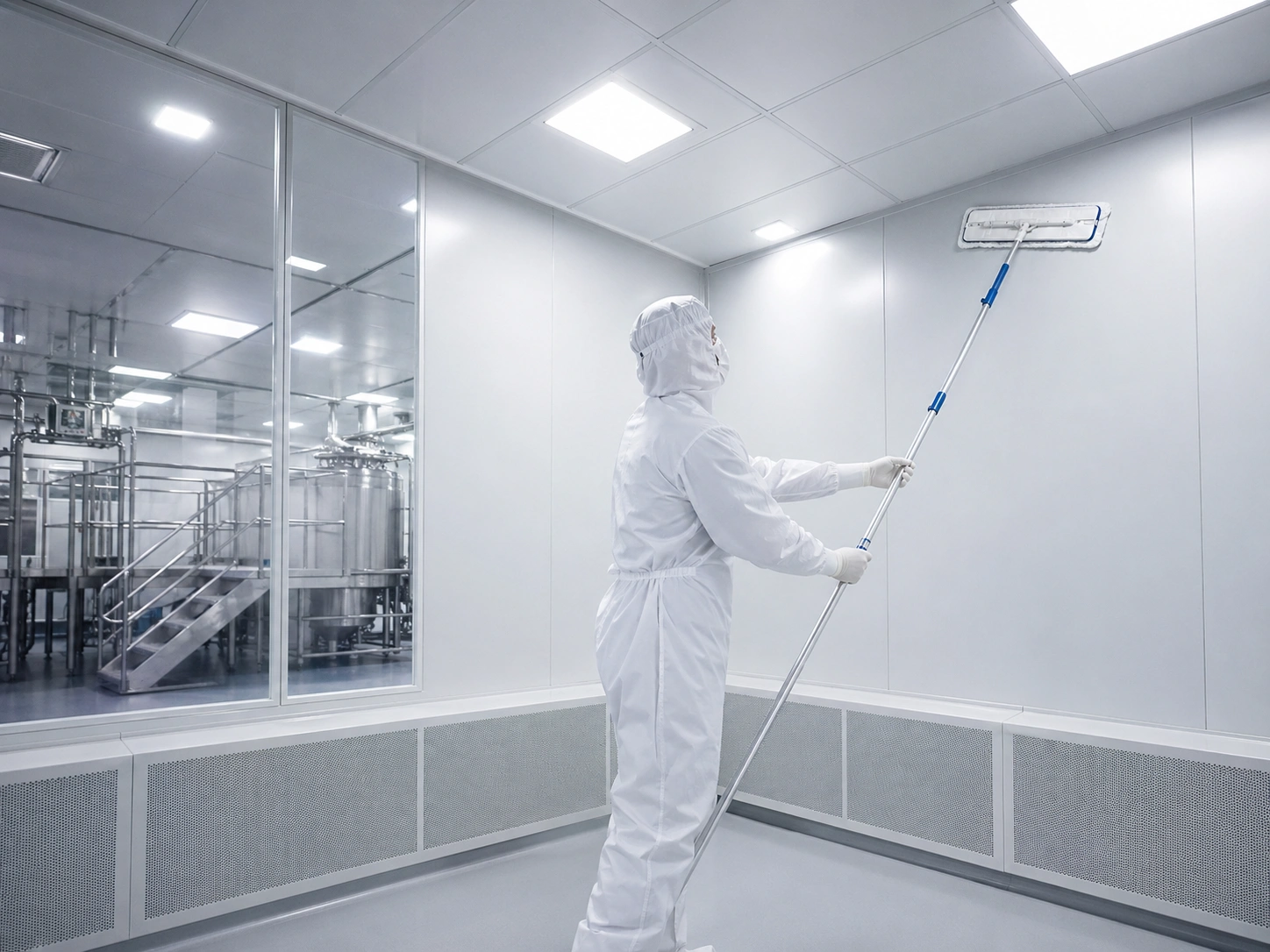
A strong cleanroom hygiene program does not treat every surface the same. Floors, walls, ceilings, carts, equipment exteriors, and high-touch surfaces each require different cleaning tools and techniques. Cross-use of tools across incompatible areas should be avoided unless specifically validated in the facility SOP.
| Yüzey Tipi | Hijyen Riski | Teknik | İlgili Kaynak |
|---|---|---|---|
| Zeminler | Trafik parçacıkları, tekerlek aktarımı, kalıntılar | Kontrollü örtüşme ve paspas kafası değiştirme kurallarıyla bölge bazlı paspaslama | Temiz Oda Paspas Sistemi |
| Duvarlar ve tavanlar | Gizli parçacıklar, ulaşılması zor yüzeyler, kontrolsüz temas | Tanımlanmış hareket modellerine sahip uyumlu çerçeve ve tutamak sistemlerini kullanın | Temiz Oda Paspas Çerçeveleri |
| Sık dokunulan alanlar | Eldiven teması, kontaminasyonu aktarma | Onaylı mendillerle veya SOP'a göre daha küçük aletlerle temizleyin | Temiz Oda Paspası ve Mendiller |
| Malzeme aktarım noktaları | Ambalaj kontaminasyonu ve geçiş riski | Girişten önce tanımlanmış silme ve aktarma kontrollerini kullanın | Toplu İzlenebilirlik Temiz Oda Sarf Malzemeleri |
6. Hijyen Performansını Doğrulamak için Çevresel İzlemeyi Kullanın
Cleanroom hygiene should be verified, not assumed. Environmental monitoring helps show whether personnel behavior, cleaning frequency, mopping workflow, and material controls are working as intended. Monitoring results should be reviewed together with cleaning records, deviations, and CAPA trends.
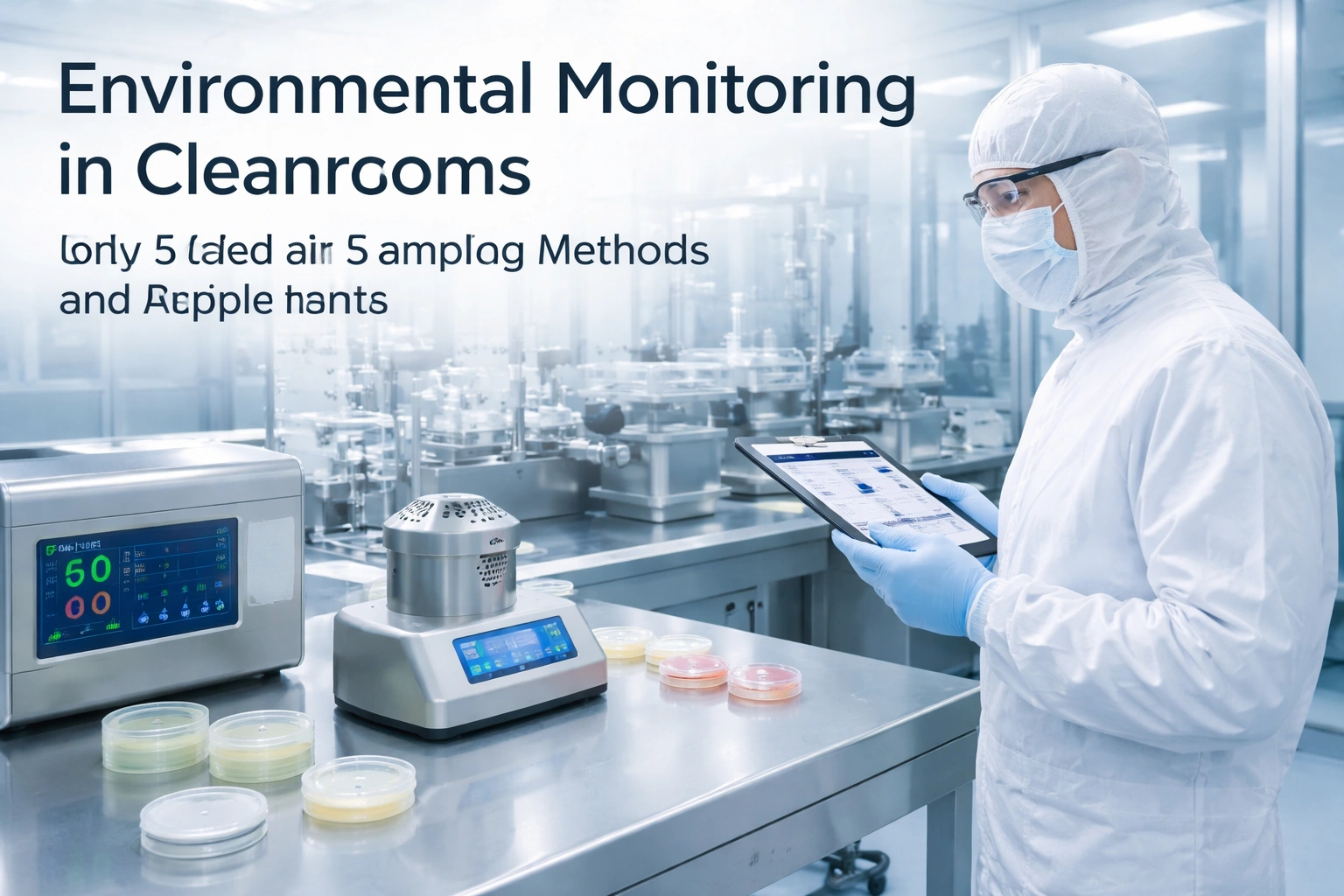
İzleme şunları desteklemelidir:
- Havadaki parçacık eğilimi incelemesi
- Mikrobiyal izleme ve yüzey örneklemesi
- Temizleme sıklığı ayarı
- Sapma araştırması ve CAPA
- Eğitim etkinliği incelemesi
- Tedarikçi ve malzeme yeterlilik kararları
7. Hijyen Belgelerini Denetime Hazır Tutun
In GMP facilities, cleanroom hygiene is only defensible when it is documented. A facility should be able to show what was cleaned, when it was cleaned, who performed the activity, which tools and chemicals were used, and whether the results were acceptable.
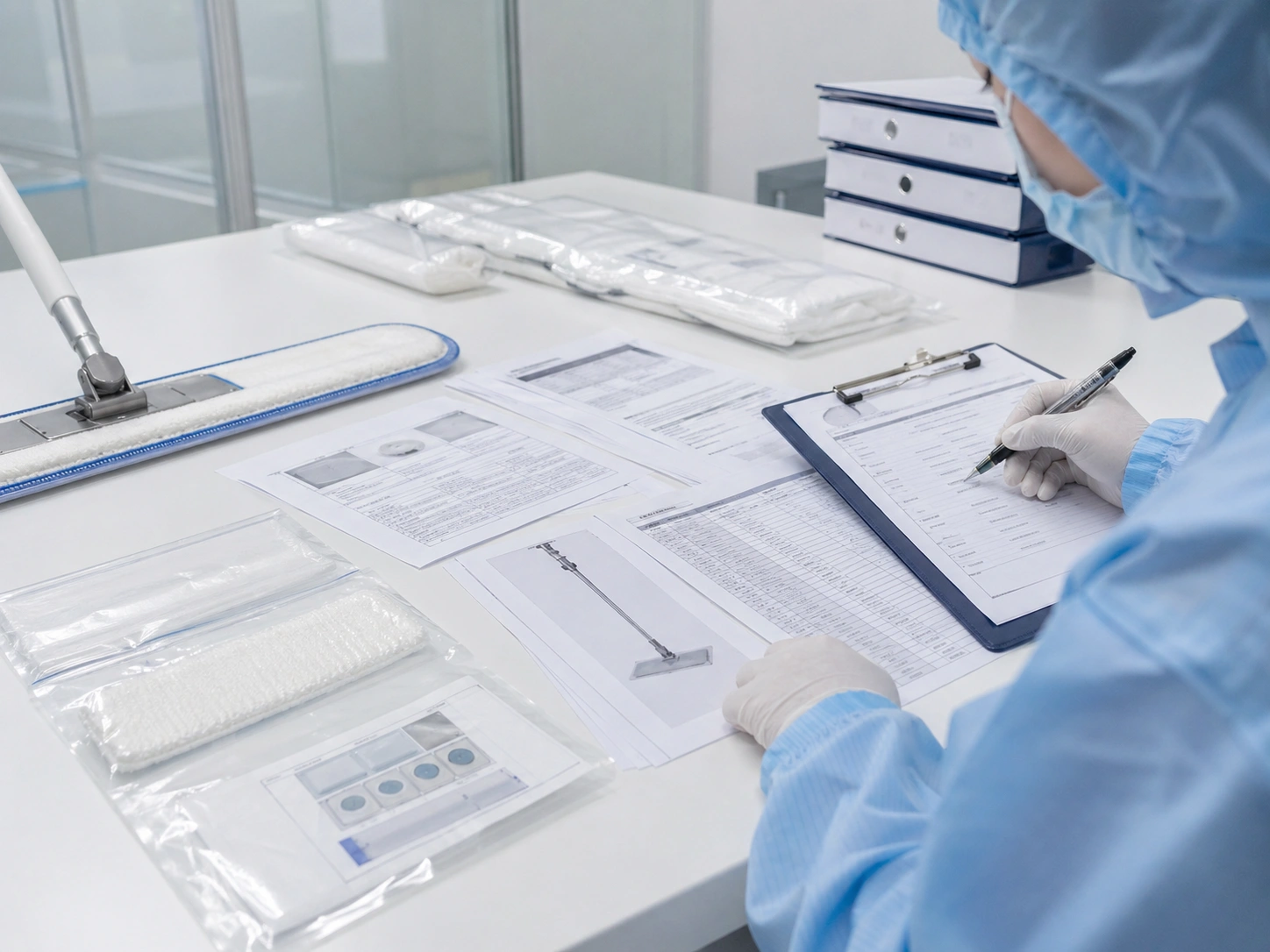
Önerilen dokümantasyon seti
- Temiz oda temizleme SOP'si ve SOP'nin silinmesi
- Personel eğitimi ve önlük yeterlilik kayıtları
- Temizleme günlüğü ve gözetmen inceleme kaydı
- Mop sistemi özellikleri ve malzeme bilgileri
- Uygun olduğunda steril paspas dokümantasyonu
- Seçilen modele veya numune serisine göre COA veya seriyle ilgili yayın belgeleri
- Çevresel izleme trend raporları
- Hijyen hatalarına ilişkin sapma ve DÖF kayıtları
Yararlı destekleyici kaynaklar şunları içerir: Temiz Oda Paspas Doğrulama Belgeleri & COA, GMP Temiz Oda Denetimine Nasıl Hazırlanılır?, Ve Farmasötik Temiz Oda Paspas Tedarikçisine Nasıl Nitelik Kazanılır?.
8. Günlük Kullanım İçin Pratik Bir Hijyen Kontrol Listesi Oluşturun
The best cleanroom hygiene program is one that operators can follow every day. A practical checklist helps reduce variation and gives QA a consistent review structure.
| Kontrol Listesi Alanı | Günlük Doğrulama Sorusu | Kayıt Gerekli |
|---|---|---|
| Personel | Operatörler eğitilmiş mi, doğru şekilde giyinmiş mi ve davranış kurallarına uyuyor muydu? | Eğitim / önlük kaydı |
| Aletler | Onaylı temiz oda paspasları, çerçeveler, kulplar ve kovalar kullanıldı mı? | Takım spesifikasyonu / alan ataması |
| Temizleme iş akışı | Doğru bölge sırası ve paspas düzeni izlendi mi? | Temizleme günlüğü / SOP kontrol listesi |
| Steril kontrol | Steril paspas ürünleri paketleme ve transfer kurallarına uygun olarak mı taşınıyor? | Gerekiyorsa parti/parti dokümantasyonu |
| İzleme | Hijyen trendleri açısından çevresel izleme sonuçları gözden geçirildi mi? | EM trend raporu / sapma kaydı |
Cleanroom hygiene is not a single action. It is a controlled routine that connects people, procedures, products, monitoring, and proof.
Sonuç: Temiz Oda Hijyeni Kontrol Edilmeli, Tekrarlanabilir ve Belgelenmelidir
Essential cleanroom hygiene techniques include personnel discipline, gowning control, validated SOPs, low-lint cleanroom mop systems, sterile or non-sterile tool selection, environmental monitoring, and audit-ready documentation. Each element supports the same goal: reducing contamination risk while making the process repeatable and reviewable.
For GMP and ISO-controlled environments, hygiene should never depend on informal habits. It should be built into a documented system that operators can follow, QA can verify, and auditors can understand.
SSS: Temiz Oda Hijyeni Teknikleri
Temiz oda hijyeni nedir?
Cleanroom hygiene is the controlled management of personnel behavior, gowning, cleaning tools, surface cleaning, material transfer, monitoring, and documentation to reduce contamination risk in ISO or GMP-controlled environments.
Az tiftikli paspaslar temiz oda hijyeni için neden önemlidir?
Low-lint cleanroom mops help reduce fiber shedding and particle release during floor, wall, and ceiling cleaning. They also support consistent surface contact and documentation when selected as part of a controlled mop system.
Steril temiz oda paspasları ne zaman kullanılmalıdır?
Sterile cleanroom mops are typically used in higher-risk GMP-controlled areas, aseptic support workflows, or applications where microbial introduction must be minimized and batch-related documentation is required.
Personel eğitimi temiz oda hijyenini nasıl etkiler?
Personnel training reduces uncontrolled movement, incorrect gowning, poor glove discipline, and tool misuse. Training records also help support QA review and audit readiness.
Hangi belgeler temiz oda hijyen denetimi hazırlığını destekler?
Key documents include cleaning SOPs, mopping SOPs, personnel training records, gowning qualification records, cleaning logs, product specifications, batch or lot traceability, COA references, and environmental monitoring trend reports.
GMP Hijyen Programları için Temiz Oda Paspas Desteğine mi ihtiyacınız var?
MIDPOSI can help you review low-lint cleanroom mop systems, sterile and non-sterile configurations, documentation support, and sample options for pharmaceutical, biotech, medical device, semiconductor, and laboratory cleanrooms.